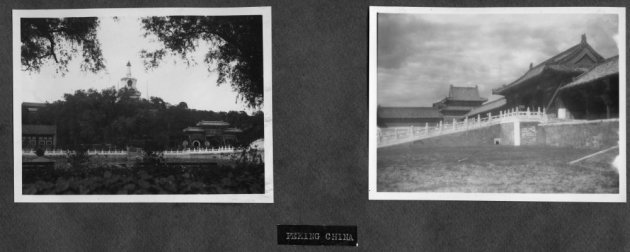
Historical Background
Origins and Development
Guanghua Temple was founded in 1297 during the Yuan Dynasty, a period marked by the flourishing of Buddhism in northern China. Its establishment under Mongol rule reflected the dynasty’s patronage of Buddhism to foster cultural integration (beijingwalking.com). The temple’s location at 31 Ya’er Hutong, north of Shichahai and near Yinding Bridge, was selected for its accessibility to both the imperial court and the local populace.
Architectural Layout and Features
The temple is designed along a traditional north-south axis, with three main courtyards and a sequence of iconic structures:
- Zhaobi (Screen Wall) and Paifang (Archway) Mark the entrance, providing symbolic protection and grandeur.
- Shanmen (Main Gate) The formal gateway to the sacred grounds.
- Tianwang Hall (Hall of Heavenly Kings) Houses Maitreya Buddha and the Four Heavenly Kings.
- Mahavira Hall (Daxiong Baodian) Spiritual heart of the temple, featuring statues of Sakyamuni Buddha and attendant bodhisattvas.
- 500 Arhat Hall Renowned for life-sized statues representing enlightened disciples.
- Other Halls Include the Hall of Ksitigarbha, Ancestral Hall, and Dharma Hall with a Sutra Pavilion.
- Bell and Drum Towers Used for marking time and ceremonial purposes.
Notably, the temple’s “three treasures” are the Sakyamuni Pagoda, a Ming Dynasty cast bell, and the 500 Arhat Hall (chinawiki.net). Renovations during the Ming and Qing eras further enhanced the temple’s grandeur and preserved its unique features.
Religious and Cultural Significance
From its inception, Guanghua Temple has been a center for Buddhist learning and practice. It has hosted monks, scholars, and lay practitioners, and played a vital role in religious ceremonies and festivals. As the headquarters of the Beijing Buddhist Association, it remains actively engaged in community education, charitable work, and the preservation of Buddhist texts and relics (beijingwalking.com).
Preservation and Modern Role
Despite challenges such as political upheavals, the temple has survived through ongoing restoration efforts, particularly since 1949. Today, it is recognized as one of Beijing’s top ten ancient Buddhist temples, maintaining its role as a living religious site and a cultural landmark (beijingwalking.com).
Visiting Guanghua Temple: Practical Information
Visiting Hours
- Open Daily 8:00 AM–5:00 PM (last entry at 4:30 PM).
- Best Time to Visit Early mornings and weekdays for a quieter experience; autumn for the golden ginkgo foliage.
Ticket Prices
- Admission Free of charge; donations are welcomed to support temple maintenance and activities.
- Special Events Nominal fees or suggested donations may apply during major Buddhist festivals or ceremonies.
How to Get There
- Subway Line 6 to Beihaibei Station or Nanluoguxiang Station; 10-minute walk to the temple.
- Bus Routes 5, 60, 107, and 124 to Gulou Station; routes 13, 107, 111, 118, 609, and 623 to Beihai Beimen Station; walk north along Qianhai.
- Taxi/Ride-Hailing Use the address 北京市西城区什刹海北沿31号 (广化寺).
Accessibility
- Pathways Mostly flat and paved; some areas include steps or uneven surfaces.
- Wheelchair Access Limited; ramps available in some areas, but not throughout.
- Facilities Public restrooms available (bring your own tissue).
- Multi-Language Support English signage is minimal; consider a translation app or guide.
Guided Tours and Special Events
- Tours Available in Mandarin, English, and other languages; booking recommended via the temple or authorized operators.
- Festivals Buddhist events such as Vesak and the Ullambana Festival feature ceremonies, chanting, and cultural performances.
Travel Tips
- Dress modestly, covering shoulders and knees.
- Maintain quiet and respectful behavior, especially inside halls.
- Photography permitted outdoors; restricted inside main prayer halls unless posted otherwise.
- Avoid visiting during major Chinese holidays to escape crowds.
Notable Features and Legacy
- Ancient Ginkgo Trees Over a thousand years old, these trees are a highlight in autumn, attracting many photographers (Trip.com).
- Architectural Details Intricate carvings, dougong brackets, glazed tile roofs, and vibrant murals.
- Sakyamuni Pagoda, Ming Bell, 500 Arhat Hall Each showcases centuries of religious artistry and devotion.
- Active Community The temple remains a hub for education, charity, and spiritual practice, contributing to Beijing’s religious and cultural life.
Frequently Asked Questions (FAQ)
What are the temple’s opening hours?
8:00 AM to 5:00 PM daily, last entry at 4:30 PM.
Is there an entrance fee?
No; entry is free. Donations are appreciated.
Are guided tours available?
Yes, in multiple languages; book in advance for best availability.
Is photography permitted inside?
Allowed in outdoor areas and courtyards; restricted in main halls.
How accessible is the temple?
Most of the site is flat, but some areas have steps. Wheelchair access is limited.
What is the best season to visit?
Autumn (late October to early November) for the golden ginkgo leaves.
Nearby Attractions
- Shichahai Lake Scenic area perfect for walking and photography.
- Prince Gong’s Mansion A historic Qing Dynasty residence with gardens.
- Yinding Bridge Offers picturesque views over the lakes.
- Hutong Walks Explore traditional alleyways for food, shopping, and culture.
- Beihai Park and Jingshan Park Both within 2 km, featuring beautiful landscapes and historic sites.
Suggested Half-Day Itinerary:
Morning at Guanghua Temple → Walk around Houhai Lake → Lunch in a hutong café → Afternoon at Prince Gong’s Mansion or Beihai Park.