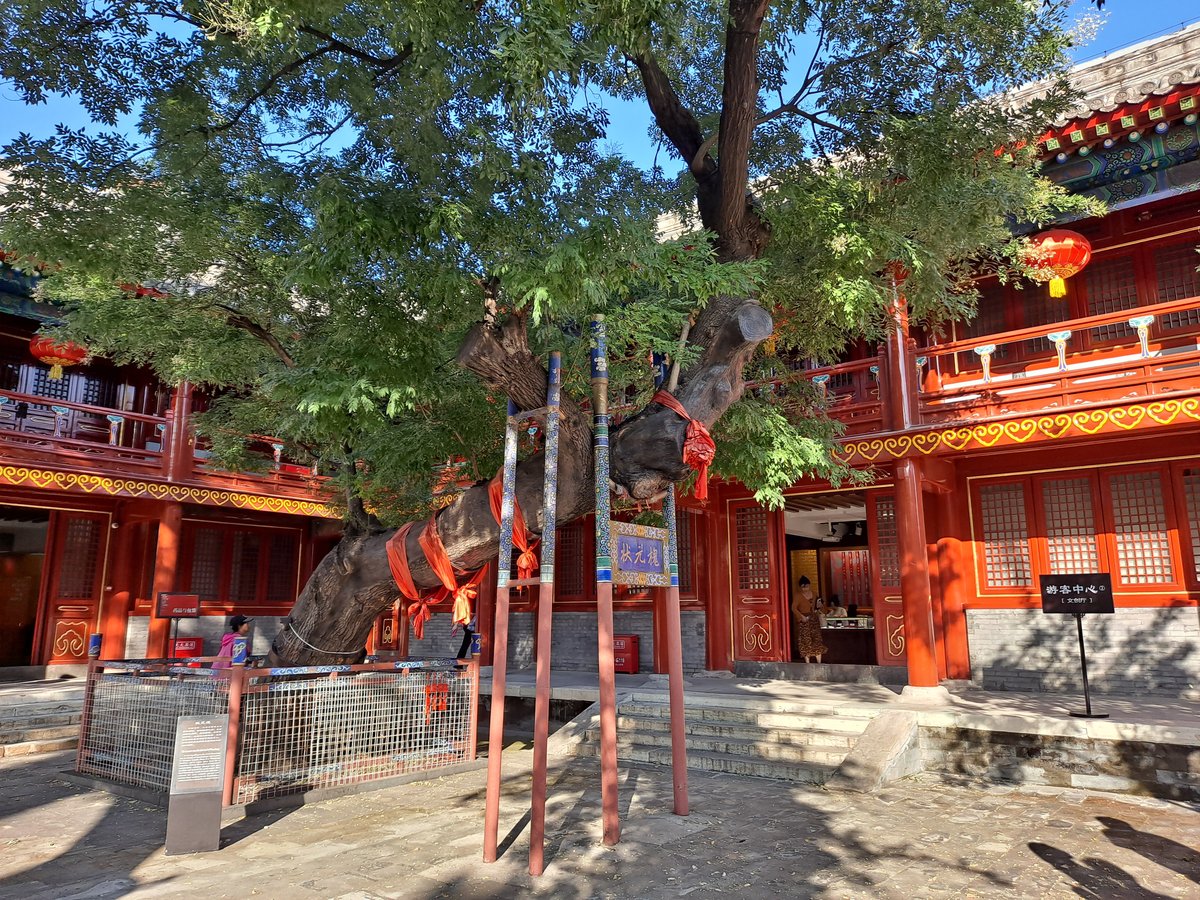
Historical Background and Mission
Origins and Vision
The Guanfu Museum was among the first private museums in mainland China, established in the 1990s—a period of growing appreciation for cultural preservation and private initiative. The founder, Ma Weidu, envisioned a place where art and antiques could be enjoyed by the public rather than hidden in private collections. The museum’s name, “Guanfu” (“observing and returning”), embodies the philosophy of learning from history to inform the future.
Mission Pillars:
- Preservation Safeguarding Chinese cultural relics and preventing their loss to overseas collectors.
- Education Promoting public understanding of traditional arts via exhibitions, lectures, and publications.
- Cultural Exchange Facilitating dialogue between Chinese and international communities.
Collection Highlights
The museum boasts over 10,000 artifacts, with a focus on:
- Ming and Qing Dynasty Furniture Noted for elegant joinery, refined lines, and exquisite woods (mahogany, zitan, huanghuali).
- Porcelain and Ceramics A chronological display from the Tang to Qing dynasties, including prized Song celadon and Ming blue-and-white porcelain.
- Buddhist Art Statues and ritual objects reflecting China’s spiritual diversity.
- Architectural Elements Ornate doors and windows salvaged from historic buildings.
- Jade, Lacquerware, and Cloisonné Decorative arts with rich symbolism and craftsmanship.
- Modern Oil Paintings Bridging traditional and contemporary Chinese visual culture.
Each gallery features bilingual explanatory captions for deeper context (Deep China Travel).
Essential Visitor Information
Location & Transportation
- Address No. 18 Jinzhan Road, Chaoyang District, Beijing (visitbeijing.com.cn; Trip.com)
- Getting There Accessible via several bus lines; taxis and ride-hailing apps are convenient. On-site parking is limited—arrive early on weekends and holidays.
Visiting Hours
- Standard Hours 9:00 AM–5:00 PM, last entry at 4:30 PM.
- Closed Most major holidays; check the official website for updates.
Tickets & Booking
- Standard Admission 50–100 RMB (varies by season and exhibition); discounts for students, seniors, children.
- Where to Buy At the entrance or online via the official website/WeChat. Online booking is advised during peak periods.
- Peak Times Weekends and holidays are busiest; weekdays and mornings are quieter.
(visitbeijing.com.cn; Discover Beijing Tour)
Guided Tours
- Languages Chinese daily; English on request (advance booking recommended).
- Experience In-depth insights into the museum’s collections and the history of Chinese art (Wikipedia).
Facilities & Accessibility
- Amenities Restrooms, café, gift shop, library, rest areas, and the unique “Guanfu Cat Garden” (World Art News).
- Accessibility Wheelchair ramps, elevators, and accessible restrooms. Staff assistance available for visitors with mobility needs.
Photography Policy
- Non-flash photography is permitted in most areas. Flash and tripods are not allowed; special exhibitions may have further restrictions.
Must-See Exhibits
Ceramics Hall
- Highlights Qianlong era vase, Song dynasty celadon, Ming blue-and-white porcelain.
(CITS; Discover Beijing Tour)
Classical Furniture Gallery
- Features Ming and Qing dynasty furniture divided by wood type, with elegant joinery and historical context.
Works of Art Gallery
- Includes Jade carvings, lacquerware, cloisonné, metalwork, and scene restorations for interactive learning (Into Travel China).
Oil Paintings Gallery
- Modern and contemporary Chinese paintings, often with rotating exhibitions.
Classic Doors and Windows Gallery
- Intricately carved wooden elements recreating the ambiance of historic Chinese homes.
Special Events & Educational Programs
The museum regularly hosts special exhibitions, lectures, workshops, and cultural festivals. These programs provide unique opportunities for deeper engagement with Chinese art and are often led by distinguished scholars, including Ma Weidu. Registration may be required—check the museum’s website and WeChat for schedules.
(visitbeijing.com.cn)
Nearby Attractions
- 798 Art District Renowned for contemporary art galleries and creative spaces.
- Traditional Villages Explore local architecture and culture in Shunyi District.
- Other Beijing Museums Extend your itinerary with visits to the Ancient Observatory and other cultural sites in Chaoyang.
Visitor Tips
- Arrive Early To avoid crowds, especially on weekends and holidays.
- Plan for 2–3 Hours To fully explore all galleries and amenities.
- Check Weather Beijing’s climate varies—dress appropriately for the season.
- Bring ID Required for ticket discounts.
- Photography Respect the rules for each exhibit to help preserve artifacts.
FAQ
What are Guanfu Museum’s opening hours?
Tuesday to Sunday, 9:00 AM–5:00 PM (last entry 4:30 PM); closed on major holidays.
How much are tickets?
Standard tickets are 50–100 RMB; discounts for students, seniors, and children.
Can I book a guided tour in English?
Yes, advance booking is recommended for English-language tours.
Is the museum accessible for people with disabilities?
Yes, with ramps, elevators, and accessible restrooms.
Is photography allowed?
Yes, non-flash photography is permitted in most areas.
Where is the museum located?
No. 18 Jinzhan Road, Chaoyang District, Beijing.
Visuals and Media
- Virtual Tour of Guanfu Museum
Discover More
The Guanfu Museum stands out as a dynamic center for the preservation, education, and celebration of Chinese heritage. Its pioneering role in China’s museum landscape, thoughtfully curated collections, and commitment to accessibility make it a top destination for anyone interested in Beijing historical sites. Plan your visit by checking Guanfu Museum visiting hours and securing tickets in advance. Download the Audiala app for audio guides and real-time updates, and follow our channels for the latest museum news and travel tips.