Plan and listen to Great Wall Of China with Audiala.
Audio guide in your pocket, itinerary in your browser. Built for the way you actually visit.
Introduction
The Great Wall of China is an enduring symbol of Chinese civilization, culture, and engineering ingenuity. Stretching over 21,000 kilometers and traversing deserts, mountains, and valleys, the Wall embodies centuries of military defense, cultural exchange, and nation-building. Its construction, spanning from the 7th century BCE and culminating under the Ming Dynasty, has left an indelible mark on the landscape and history of China. Today, millions of travelers from around the world are drawn to its panoramic views, historical significance, and architectural marvels. This guide explores the history, cultural meaning, practical travel tips, and essential visitor information you need for a memorable Great Wall experience near Beijing.
For authoritative details, please refer to TravelPander, TravelChinaGuide, and ChinaDiscovery.
- Historical Overview
- Symbolism and National Identity
- Visiting the Great Wall: Sections, Hours, and Tickets
- Getting There and Accessibility
- Travel Tips and Best Practices
- Nearby Attractions in Beijing
- Preservation and Conservation
- Frequently Asked Questions (FAQ)
- References


Origins and Construction
The Wall’s roots date to the Eastern Zhou Dynasty in the 7th century BCE, when feudal states in northern China built defensive walls to repel nomadic invasions (TravelPander). The first unified Great Wall was ordered by Emperor Qin Shi Huang (221–206 BCE), who connected and expanded earlier segments to form a continuous barrier against the Xiongnu (Great Wall China). Laborers included soldiers, peasants, and prisoners, and the project’s scale was unprecedented.
Dynastic Expansion
Subsequent dynasties, especially the Han (206 BCE–220 CE), extended the Wall to protect the Silk Road and facilitate trade (Have Fun With History). The Ming Dynasty (1368–1644) rebuilt and reinforced the Wall with bricks and stone, adding imposing watchtowers, fortresses, and passes (TravelChinaGuide). The Ming Wall, about 8,850 kilometers long, is the best-preserved today.
Architectural Features
The Wall is not a single line but a network of walls, trenches, and natural barriers spanning diverse terrains (The China Journey). Early sections used tamped earth and wood; later ones employed bricks and stone for durability (Gran Viaje China). Key elements include:
- Watchtowers: For surveillance and signaling.
- Beacon Towers: For relaying messages using smoke and fire.
- Fortresses and Garrisons: Command centers and troop barracks.
- Passes: Strategic fortified gates like Juyongguan and Shanhaiguan.
Symbolism and National Identity
The Great Wall stands as a powerful emblem of Chinese unity, resilience, and cultural heritage. Its image is deeply woven into Chinese literature, art, and folklore, embodying the spirit of perseverance (TravelPander). Recognized as a UNESCO World Heritage Site in 1987, the Wall is a source of national pride and a tangible link to China’s historical legacy (ChinaTripedia).
Beyond military defense, the Wall played a role in regulating trade and cultural exchange along the Silk Road, fostering economic and cross-cultural development (Have Fun With History).
Visiting the Great Wall: Sections, Hours, and Tickets
Main Sections Near Beijing
- Badaling: Most popular and restored; excellent facilities, cable cars, and smooth walkways. Ideal for first-time visitors and families (Tour-Beijing).
- Mutianyu: Scenic, less crowded, and family-friendly, with lush surroundings and a toboggan slide (ChinaDiscovery).
- Jinshanling: Preferred by hikers and photographers for its blend of restored and wild sections (TravelChinaGuide).
- Simatai: Known for steep terrain, authenticity, and unique night tours (TravelChinaGuide).
- Juyongguan: Closest pass to Beijing, historically significant with well-maintained paths.
Other notable sections include Huanghuacheng (lakeside views), Gubeikou (unrestored and quiet), and Jiankou (wild and officially closed for safety reasons).
Visiting Hours
- Badaling: Typically 7:30 AM–5:00/6:00 PM (seasonal).
- Mutianyu: 7:30 AM–6:00 PM.
- Jinshanling: 7:00 AM–6:00 PM.
- Simatai: 8:00 AM–6:00 PM; night tours by reservation.
- Juyongguan: 7:30 AM–5:00 PM.
Always check official websites for updates, especially during holidays (Unseen Shenzhen).
Ticket Prices
- Badaling: ~40 RMB (adults), discounts for students/children (Unseen Shenzhen).
- Mutianyu: ~40 RMB, with cable car and toboggan extra (Untold Wanderlust).
- Jinshanling: ~65 RMB peak season, 55 RMB off-season.
- Simatai: Similar pricing; night tours extra.
Purchase tickets online or at the entrance. Advance booking is highly recommended during busy periods.
Getting There and Accessibility
Public Transport
- Badaling: High-speed train from Beijing North or Qinghe Station (20–30 min), or Bus 877 from Deshengmen (The China Journey).
- Mutianyu: Direct shuttle from Qianmen, or Bus 916 Express to Huairou, then local bus/taxi (Chinatripedia).
Private Transport & Tours
- Taxis: Convenient for Mutianyu and group travel (China Travel).
- Guided Tours: Many operators provide inclusive tours with transport, tickets, and guides (TravelofChina).
Accessibility
- Badaling & Mutianyu: Offer cable cars, elevators, and wheelchair-friendly paths.
- Other Sections: Jinshanling and Simatai have steep and uneven terrain, less suitable for those with mobility issues (Ruqin Travel).
Travel Tips and Best Practices
- Best Seasons: Spring (April–May) and autumn (September–November) for mild weather and scenic beauty (TravelofChina).
- Avoid Crowds: Arrive at opening time and avoid weekends or public holidays (Unseen Shenzhen).
- Dress Appropriately: Wear sturdy shoes and dress in layers. Bring sun protection in summer and a windproof jacket in winter.
- Essentials: Carry water and snacks, especially for longer hikes (Untold Wanderlust).
- Safety: Stick to marked paths; wild sections can be hazardous (Ruqin Travel).
- Etiquette: Do not carve or damage the Wall; carry out all trash and respect this heritage site.
Nearby Attractions in Beijing
Complement your Great Wall visit with trips to Beijing’s other historical treasures:
- Forbidden City
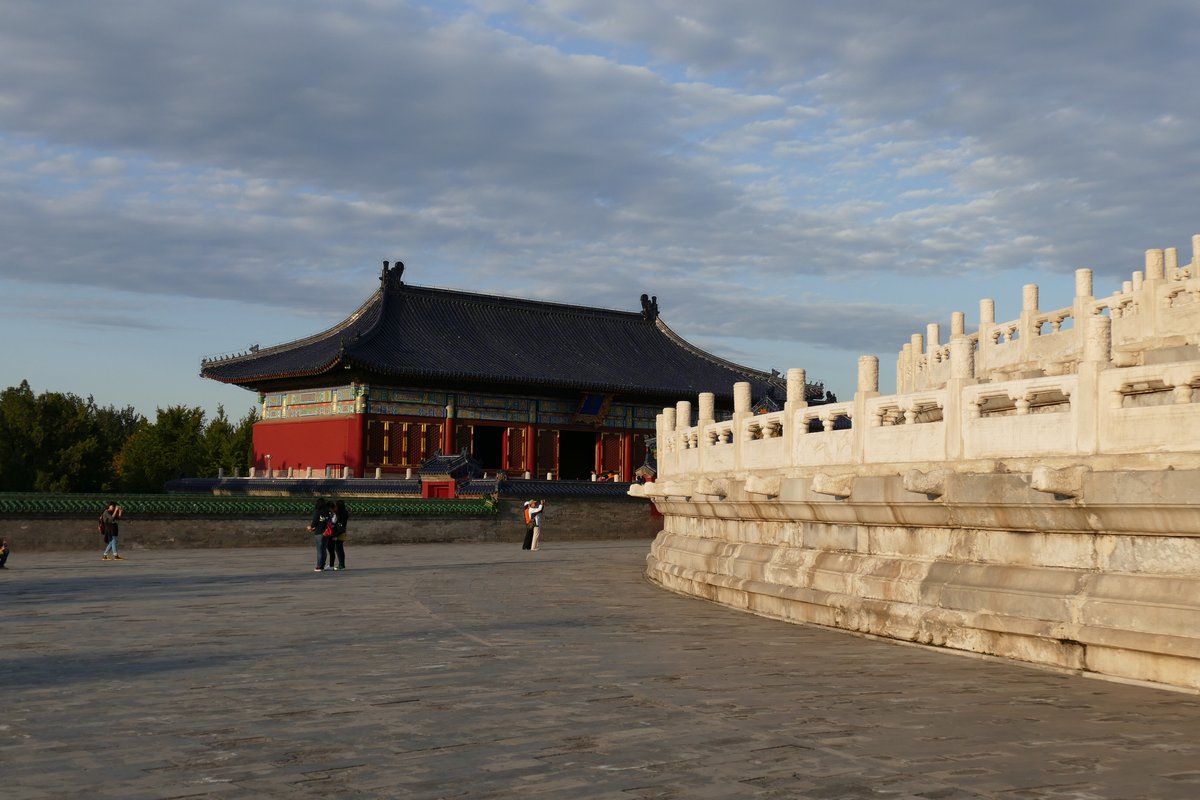
- Temple of Heaven
- Summer Palace
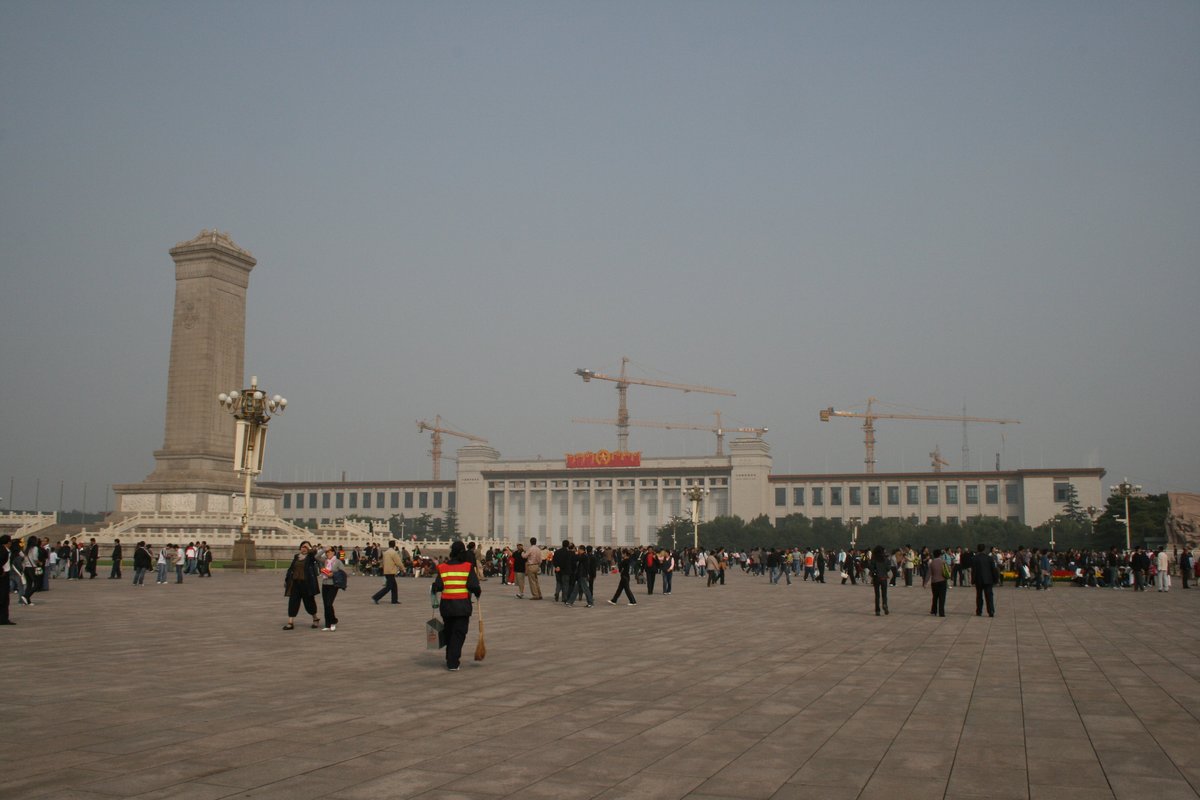
- Tiananmen Square
See our Beijing Travel Guide for details.
Preservation and Conservation
The Great Wall faces natural erosion and human impact. About 30% is in disrepair (TravelPander). Restoration projects focus on using traditional materials and sustainable methods. Visitors play a key role in preservation by following site guidelines and supporting conservation initiatives (ChinaTripedia).
Frequently Asked Questions (FAQ)
Q: What are the Great Wall’s visiting hours?
A: Most sections open at 7:00–7:30 AM and close at 5:00–6:00 PM; check local listings for updates.
Q: How much do tickets cost?
A: 40–70 RMB for most sections; discounts for students and seniors.
Q: Are there guided tours?
A: Yes, including private, group, and audio guides.
Q: Is the Wall accessible for people with disabilities?
A: Badaling and Mutianyu offer the best accessibility features.
Q: When is the best time to visit?
A: Spring and autumn for pleasant weather and fewer crowds.
Q: Can I bring my own food?
A: Yes, and it’s recommended as on-site options are limited and expensive.
Plan Your Journey
The Great Wall of China is more than a monument—it's a living testament to human achievement, resilience, and cultural identity. By planning your visit with up-to-date information on hours, tickets, accessibility, and travel tips, you can make the most of this unforgettable experience. Download the Audiala app for expert-guided tours, real-time visitor updates, and insider travel tips. Explore other Beijing historical sites for a deeper understanding of China’s heritage, and follow us on social media for the latest stories and inspiration.
Audiala2024
Listen to the full story in the app
The whole Great Wall Of China,
told well.
Listen to sourced travel stories with local history and practical context — ready offline.
Verified, and shown.
Researched and written by the Audiala editorial team from historical records, architectural archives, and local expertise.
Built from cited sources · see the method · How we make our guides →