
Historical Background
Origins and Construction
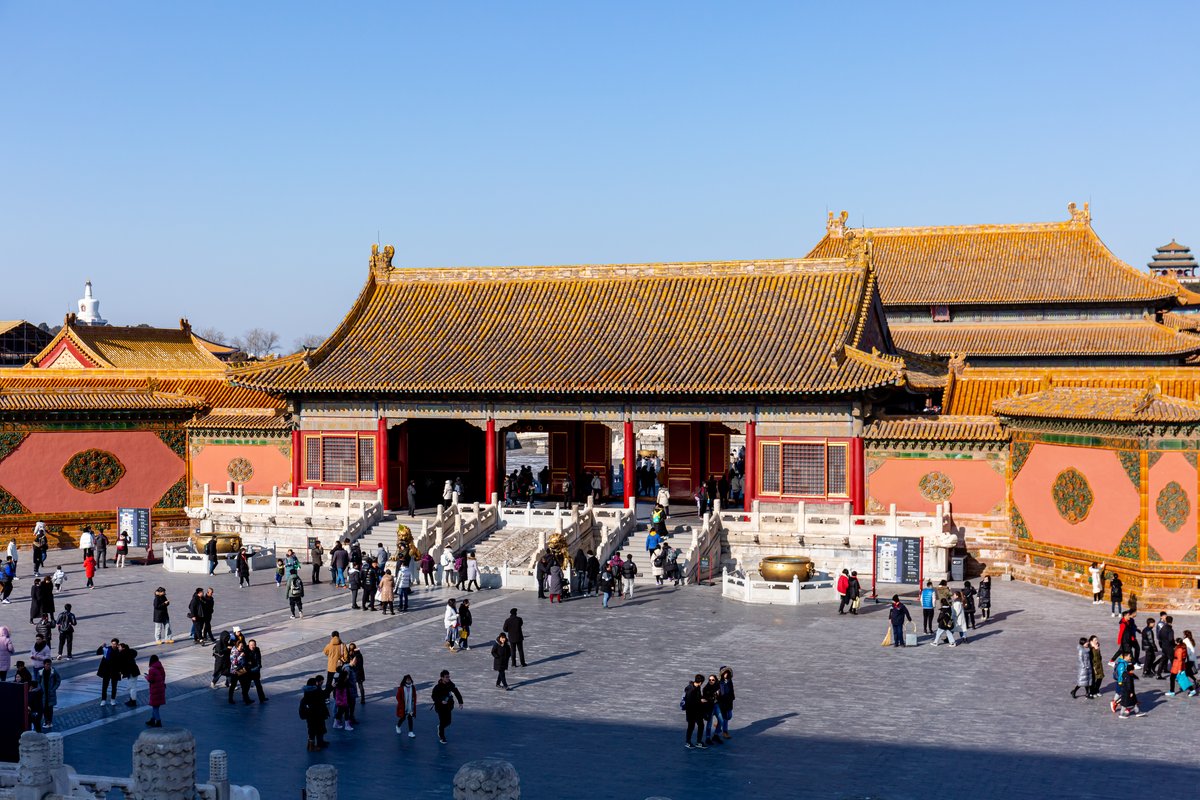
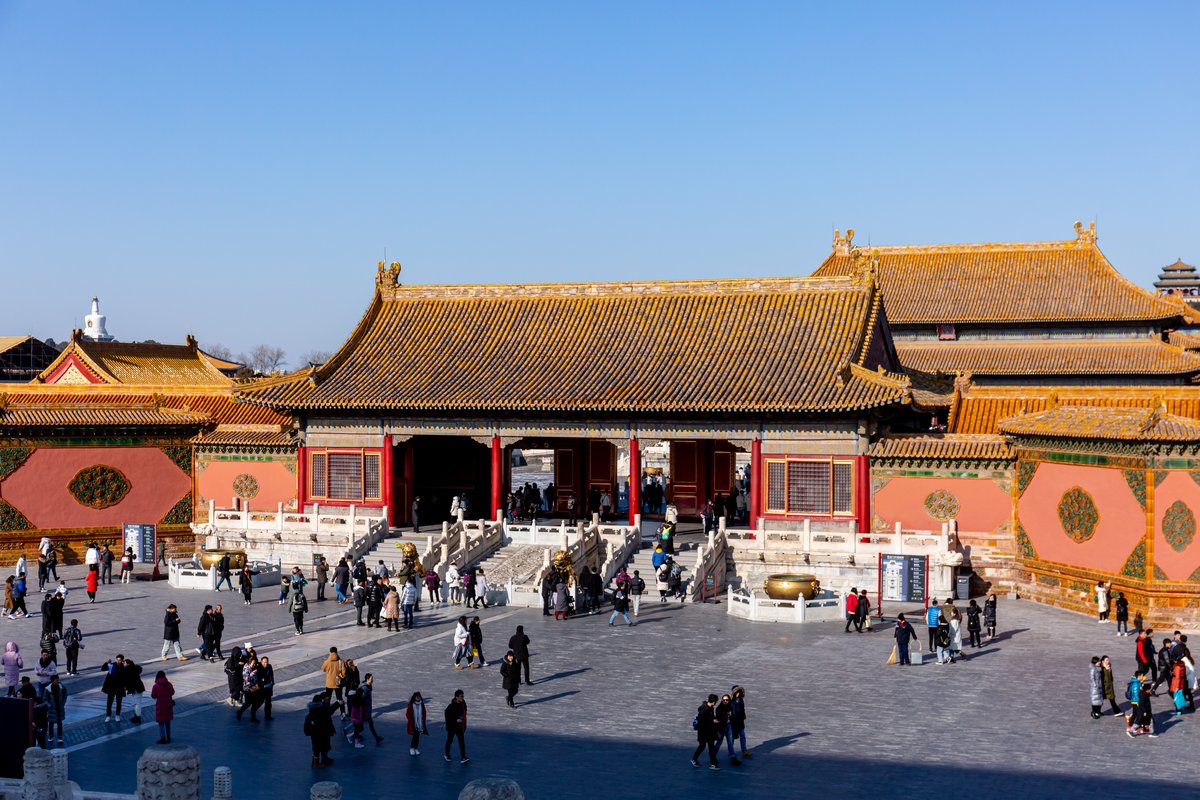
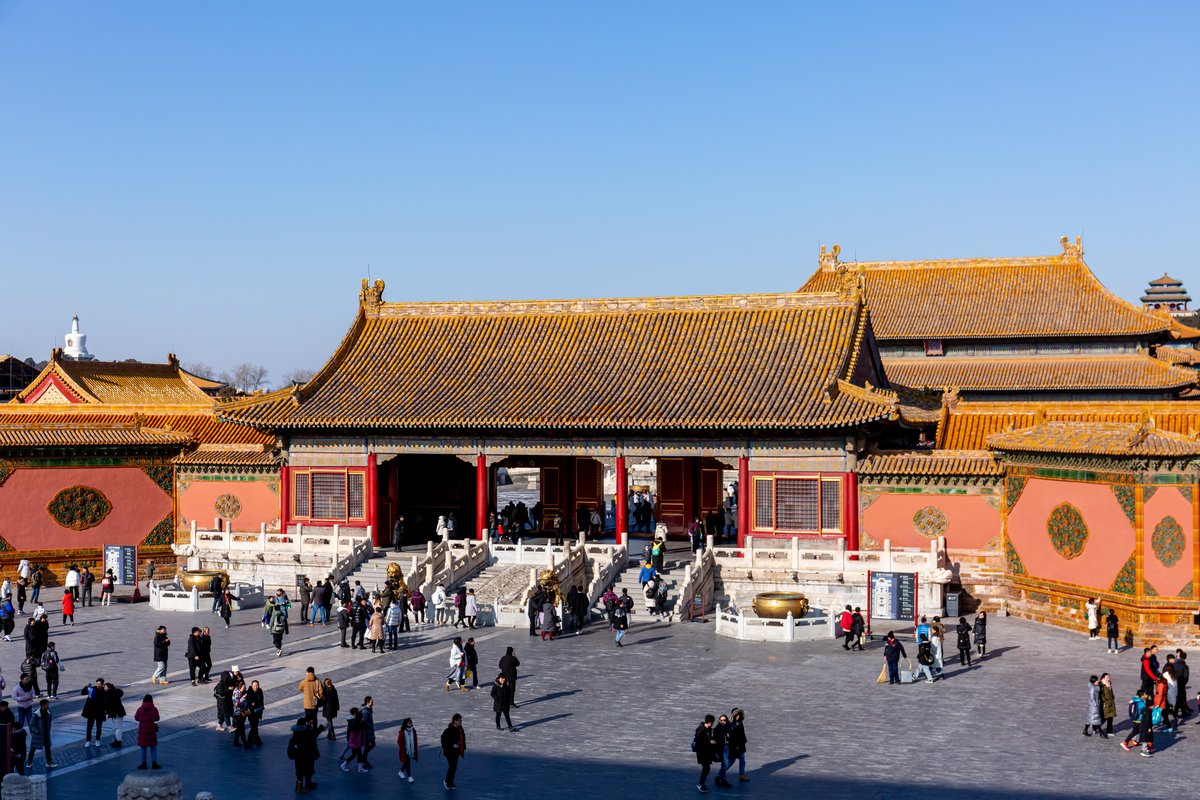
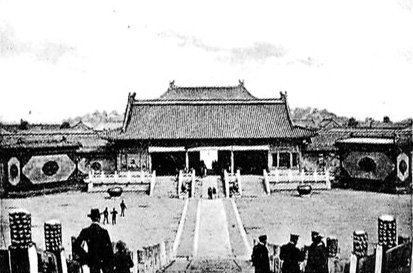
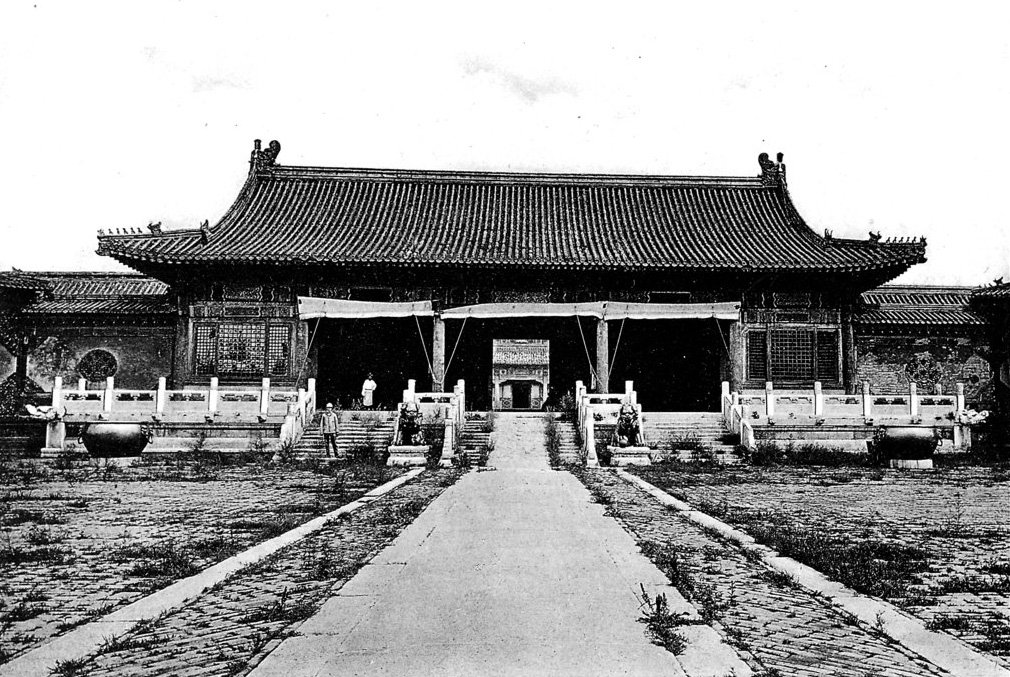
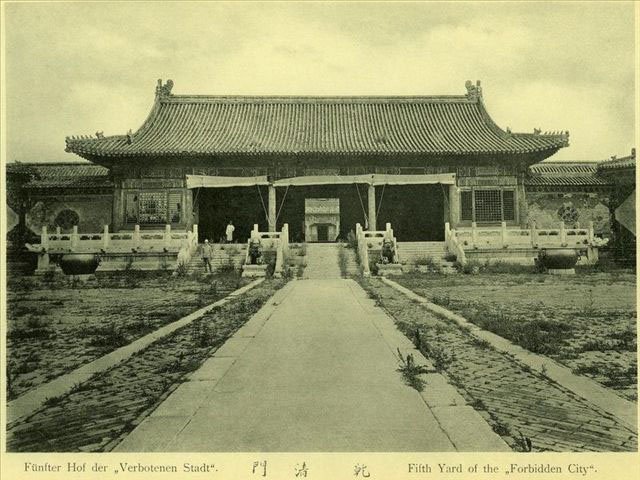
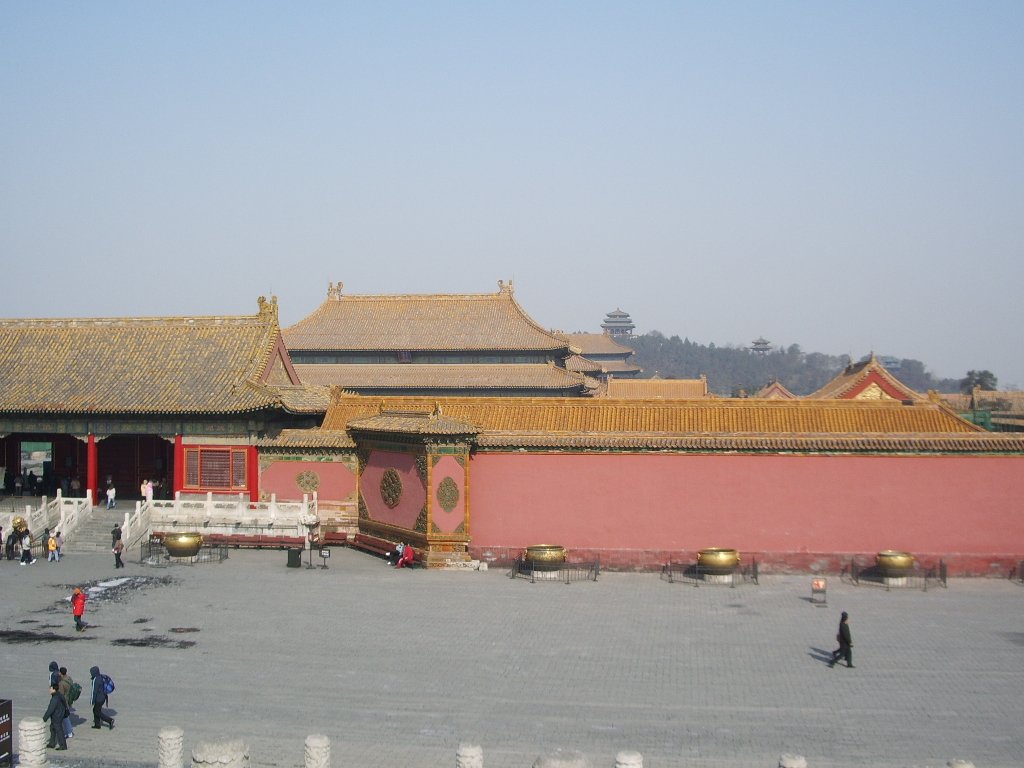
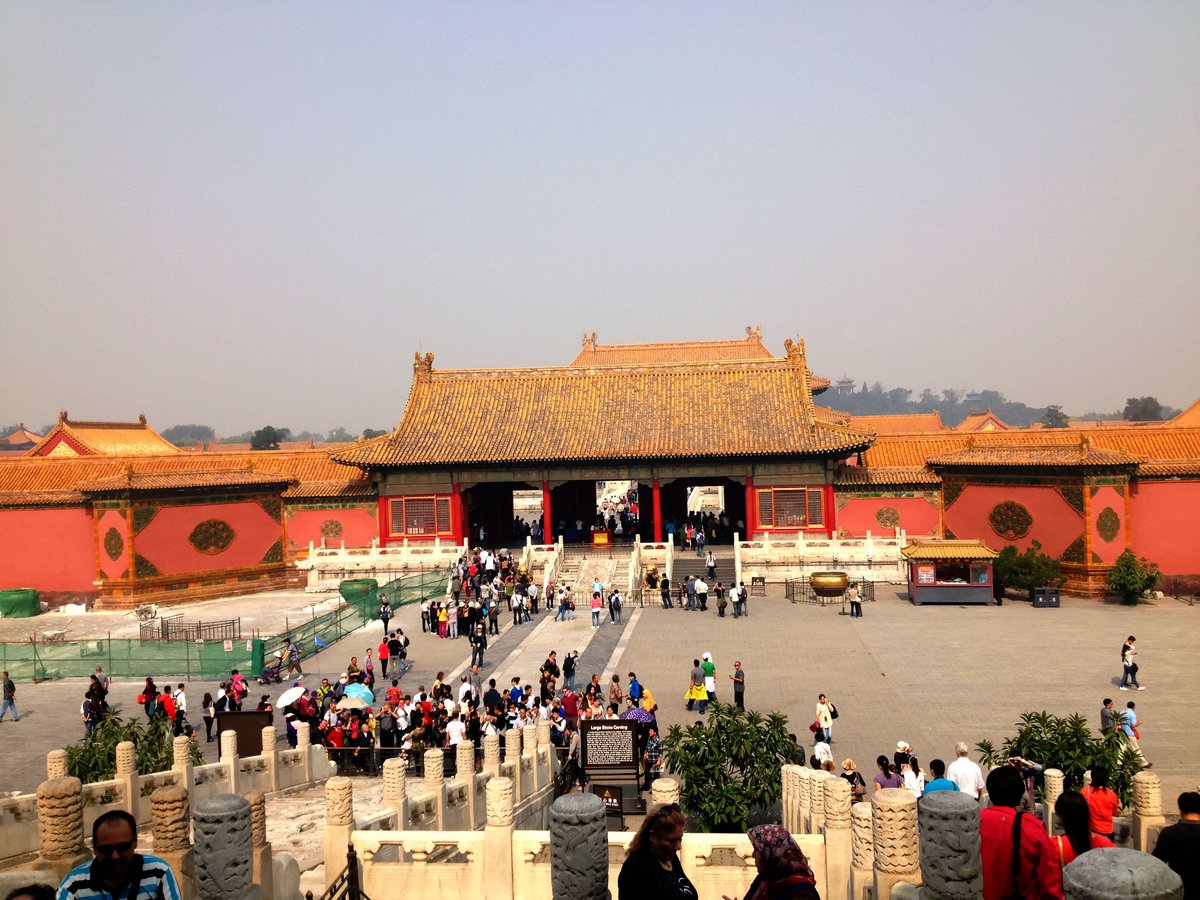
The Gate of Heavenly Purity was constructed between 1407 and 1420 during the Ming dynasty, under the reign of the Yongle Emperor. Designed as the grand entrance to the emperor’s private domain, the gate rises 16 meters atop a 1.5-meter-high white marble terrace and is renowned for its single-eaved hip roof adorned with imperial yellow glazed tiles. This architectural style and strategic placement exemplify the symmetry and ceremonial importance characteristic of Ming and Qing imperial palaces.
Evolution Through Dynasties
- Ming Dynasty (1368–1644) The gate marked the threshold between the Outer Court (used for official state functions) and the Inner Court (the emperor’s residence and private life).
- Qing Dynasty (1644–1912) The gate was repurposed by Emperor Kangxi to serve as a venue for early-morning audiences with senior officials, symbolizing the emperor’s authority and the bureaucratic hierarchy of the imperial court. Its ceremonial role declined after Emperor Xianfeng’s reign.
Architectural Features and Symbolism
The Gate of Heavenly Purity’s design reflects profound spiritual and political symbolism:
- Materials and Structure Built with timber and resting on stone foundations, the gate features a yellow glazed tile roof (representing imperial power), white marble terrace (symbolizing purity), and red walls (signifying happiness and protection) (kinhtenguoc.com).
- Decorative Elements The roof is lined with mythical creatures such as chiwen and chaofeng for protection. Bronze guardian lions and fire-prevention vats flank the gate, symbolizing authority and vigilance (Google Arts & Culture).
- Gateways The central passage was reserved for the emperor, with side passages for officials, manifesting strict social hierarchy (kinhtenguoc.com).
- Symbolic Motifs Dragon and lotus motifs abound, conveying imperial legitimacy, purity, and cosmic harmony (Asian Studies).
Political and Ceremonial Functions
In the Qing dynasty, the gate played a pivotal role in daily governance. The emperor received senior officials here for early-morning audiences, reinforcing his supreme authority. The gate also served as a symbolic boundary between the public affairs of state and the private rituals of the imperial family (Beijing Trip).
Visiting the Gate of Heavenly Purity
Visiting Hours and Ticket Information
- Opening Hours
- April–October 8:30 AM–5:00 PM (last entry 4:00 PM)
- November–March 8:30 AM–4:30 PM (last entry 3:30 PM)
- Closed on Mondays except national holidays (Tour Beijing)
- Tickets
- Peak Season (April–October) ¥60 RMB
- Off-Season (November–March) ¥40 RMB
- Tickets must be purchased online in advance (daily visitor limits apply)
- Entry to the Forbidden City includes access to the Gate of Heavenly Purity; there is no separate ticket (Palace Museum)
How to Get There and Accessibility
- Location Inside the Forbidden City, north of the Hall of Supreme Harmony, marking the entrance to the Inner Court.
- Public Transport
- Subway Tiananmen East (Line 1) or Qianmen (Line 2). Walk north through Tiananmen Square and the Meridian Gate (Deep China Travel).
- Walking Distance About 1 km from the main entrance to the gate.
- Accessibility
- Main pathways are paved and suitable for wheelchairs and strollers, but some areas have steps or uneven surfaces (Tour Beijing).
- Wheelchairs are available at the entrance.
Travel Tips
- Best Time to Visit Early mornings on weekdays for fewer crowds.
- What to Bring Comfortable shoes, sun protection, and water.
- Photography Permitted outdoors; flash and tripods may be restricted. Early morning or late afternoon light is best for photos.
- Guided Tours Highly recommended for context and deeper understanding; audio guides are available in multiple languages (Deep China Travel).
- Security Expect bag checks at the entrance. Ignore unofficial tour vendors.
Nearby Attractions
- Within the Forbidden City
- Palace of Heavenly Purity (north)
- Hall of Union and Palace of Earthly Tranquility (further north)
- Imperial Garden (northern end)
- Beyond the Walls
- Tiananmen Square
- Jingshan Park
Restoration and Preservation
The Gate of Heavenly Purity has been carefully restored multiple times, notably after damage in the early Qing period (1655), using traditional techniques and materials to preserve its historical authenticity (Google Arts & Culture).
Visitor Experience
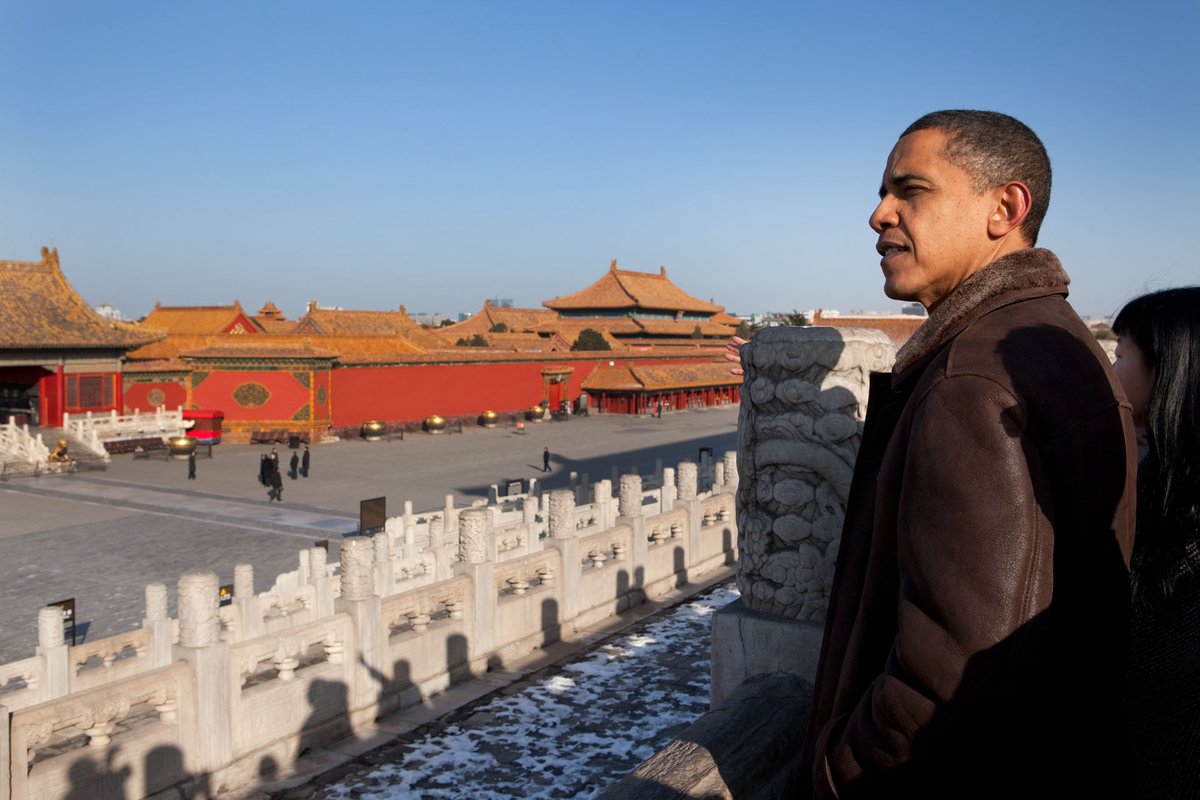
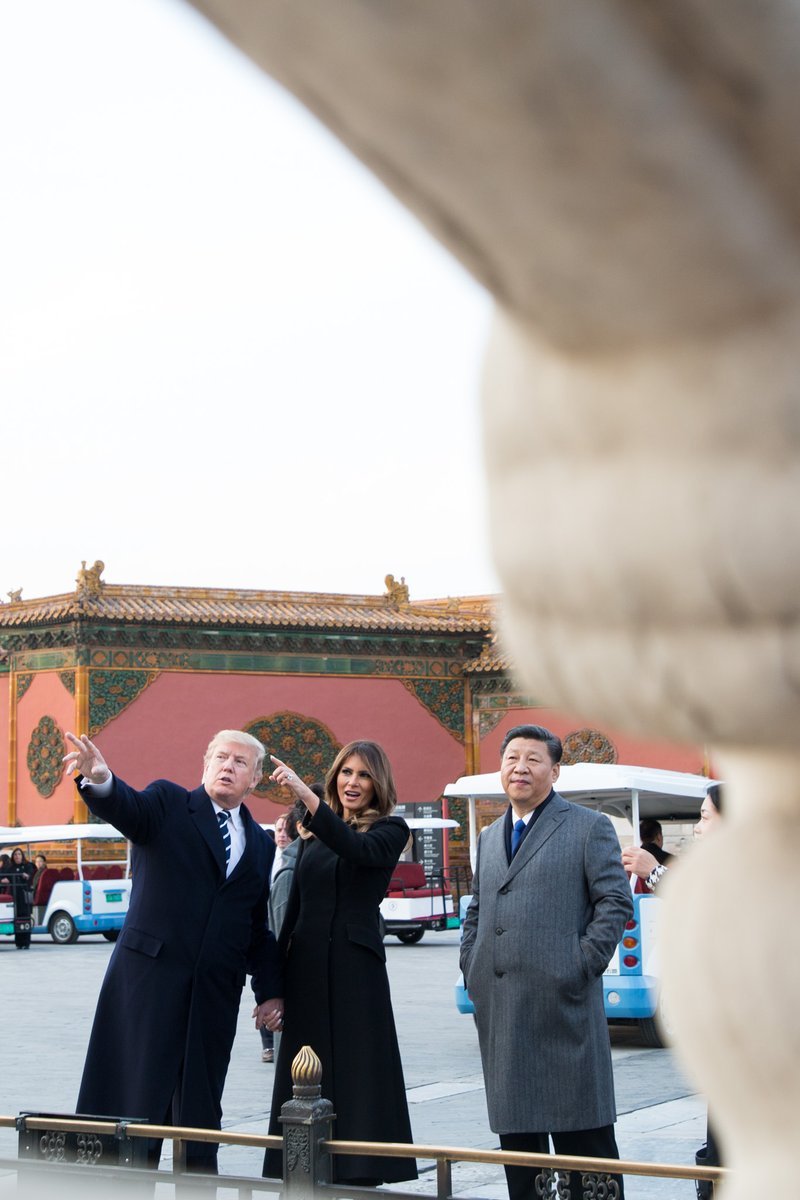
Approaching the gate, visitors are greeted by its imposing yellow tiles, marble base, guardian lions, and ornate screens. Passing through this symbolic threshold, the sense of imperial history and ceremony is palpable. The gate’s setting, flanked by key halls and set along the Forbidden City’s central axis, offers architectural harmony and an immersive cultural experience.
Most visitors spend 10–20 minutes at the gate itself, but a comprehensive Forbidden City tour requires at least 3–4 hours (East China Trip).
Frequently Asked Questions (FAQ)
Q: What are the Gate of Heavenly Purity’s visiting hours?
A: The gate is accessible during Forbidden City opening hours: 8:30 AM–5:00 PM (April–October), 8:30 AM–4:30 PM (November–March), with last entry 1 hour before closing.
Q: How do I buy tickets?
A: Tickets must be purchased online in advance through the Palace Museum website.
Q: Is the Gate of Heavenly Purity wheelchair accessible?
A: Main routes are accessible, but some areas have steps or uneven terrain. Wheelchairs are available at entrances.
Q: Can I take photographs?
A: Photography is generally allowed outdoors but restricted inside exhibition halls; flash and tripods may be prohibited.
Q: What’s the best time to visit to avoid crowds?
A: Arrive at opening time or after 3:00 PM; avoid weekends and public holidays.
Location and Access
- Address No. 4 Jingshan Front Street, Dongcheng District, Beijing
- Subway Access Tiananmen East (Line 1) or Qianmen (Line 2)
- Entry Route Meridian Gate → Hall of Supreme Harmony → Gate of Heavenly Purity (ChinaTravel.com)
Summary and Final Tips
The Gate of Heavenly Purity is a magnificent testament to the artistry, political sophistication, and spiritual ideals of imperial China. As the critical threshold between the Outer and Inner Courts, it reflects the deep symbolism, authority, and ceremonial traditions that shaped palace life. Visitors can enhance their experience by planning ahead, booking tickets online, arriving early, and considering guided tours for deeper insight.
For more information and up-to-date details, visit the official Palace Museum website and other reliable platforms listed below.