Plan and listen to Gate Of Glorious Harmony with Audiala.
Audio guide in your pocket, itinerary in your browser. Built for the way you actually visit.
Introduction
The Gate of Glorious Harmony (熙和门, Xīhé Mén) stands as a remarkable landmark within Beijing’s Forbidden City, one of the world’s most renowned imperial palaces and a UNESCO World Heritage site. Constructed during the early Ming dynasty under the Yongle Emperor in 1420 and later reconstructed in the Qing dynasty, the gate exemplifies imperial authority, cosmological order, and Confucian values. Strategically positioned along the central north-south axis—between the Meridian Gate and the Three Great Halls—the Gate of Glorious Harmony played a pivotal role in ceremonial protocols and palace hierarchy.
This guide provides an in-depth overview of the Gate of Glorious Harmony, combining historical context, architectural features, visitor information, and practical travel tips, drawing from authoritative sources (Palace Museum, GeartHacks).

Historical Background and Significance
Origins and Evolution
The Gate of Glorious Harmony was originally built in 1420 as part of the Forbidden City’s initial construction under the Yongle Emperor. It was first known as the Gate of Right Obedience, reflecting the Confucian ideals of hierarchy. The current structure, completed in 1758 during the Qing dynasty, demonstrates the imperial commitment to both preservation and enhancement of Ming architectural traditions.
Role in the Forbidden City
Strategically located along the palace's main axis, the gate functioned as a formal transitional portal between the Meridian Gate (the main southern entrance) and the Three Great Halls. It was a controlled access point for officials, courtiers, and dignitaries, marking the passage from the outer court to more sacred inner precincts and reinforcing palace hierarchy.
Symbolic Meaning
The name "Glorious Harmony" embodies Confucian aspirations for social order and prosperity under benevolent rule. The gate’s alignment along the axis mundi symbolizes the emperor’s central place between heaven and earth. Its elaborate design and ornamentation—featuring dragons, phoenixes, and auspicious motifs—reflect imperial authority and the desire for cosmic harmony.
Visiting Information
Opening Hours
- April to October: 8:30 AM – 5:00 PM (last entry at 4:00 PM)
- November to March: 8:30 AM – 4:30 PM (last entry at 3:30 PM)
- Closed on Mondays except during national holidays and peak summer periods.
Check the latest updates on the official Palace Museum website.
Tickets and Entry
- Peak Season (April–October): ~60 RMB
- Off-Peak Season (November–March): ~40 RMB
- Where to Buy: Online in advance (strongly recommended due to daily visitor caps), or at the ticket office if available.
- Entry Limits: Daily visitor numbers are capped, often at 80,000.
- Required Documents: Passport or valid ID for ticket purchase and entry.
Accessibility
- Main routes, including to and from the Gate of Glorious Harmony, are wheelchair accessible, though some areas may have steps or uneven paving.
- Wheelchairs are available for rent at the main entrance (Meridian Gate).
Getting There
- Subway: Line 1 to Tiananmen East (天安门东) or Tiananmen West (天安门西); a short walk to the Meridian Gate.
- Bus: Multiple city routes stop near Tiananmen Square.
- Taxi/Ride-Hailing: Widely available, but allow extra time during rush hours.
Facilities and Nearby Attractions
- Facilities: Modern restrooms, visitor centers, and first aid stations are available throughout the complex.
- Nearby Attractions: Hall of Supreme Harmony, Hall of Martial Valour, Jingshan Park (panoramic views), Tiananmen Square, and Wangfujing Shopping Street.
Architectural Features and Symbolism
The Gate of Glorious Harmony features a grand multi-eaved roof clad in imperial yellow glazed tiles—a privilege reserved for the emperor. Its robust timber framework is complemented by red walls and gilded details. Five passageways underscore the strict social hierarchy: the central route was historically reserved for the emperor, with side passages for officials and servants.
Decorative motifs include:
- Dragons: Imperial power and divine right.
- Phoenixes: Harmony and prosperity.
- Clouds and Flora: Celestial and auspicious associations.
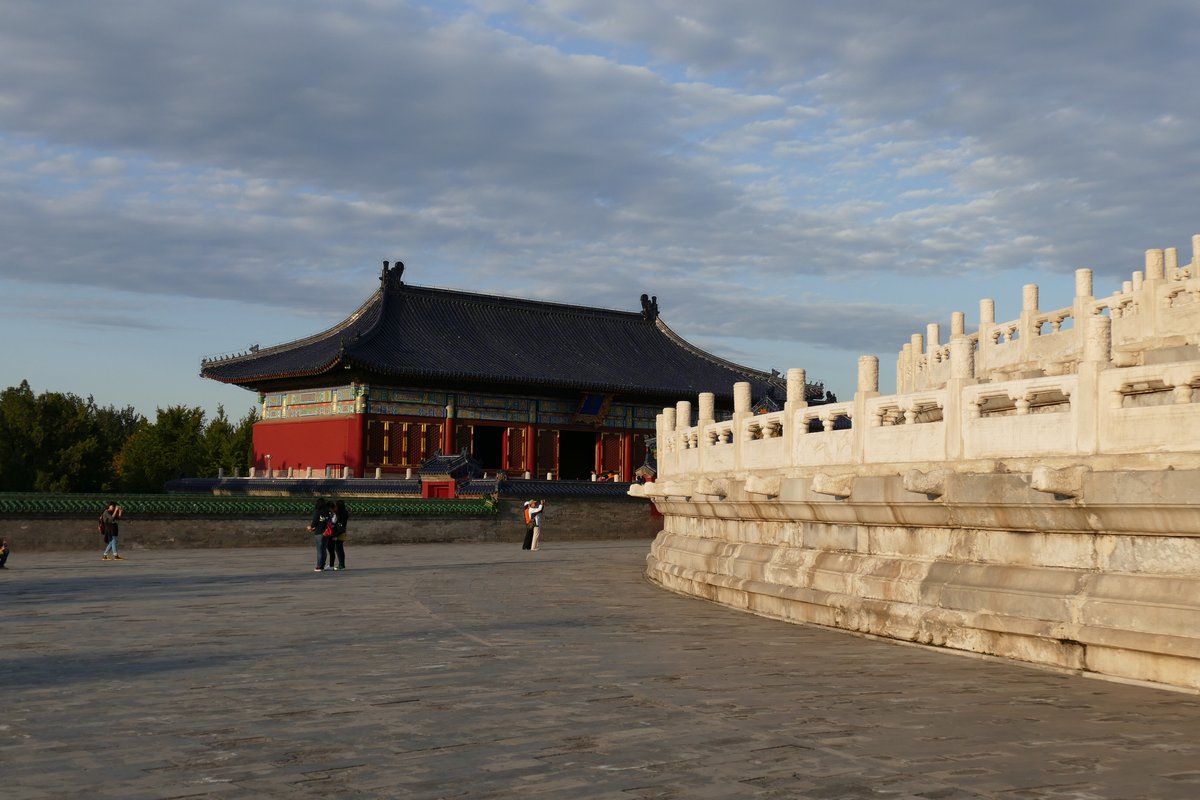
White marble balustrades and expansive stone courtyards enhance the gate’s ceremonial grandeur. The spatial relationship between the gate and the adjacent halls underscores a progression from the mundane to the sacred, echoing the palace’s cosmological symbolism (GeartHacks).
Tips for an Enriching Visit
- Best Time to Visit: Early morning or after 2:00 PM for fewer crowds and optimal lighting.
- What to Bring: Passport, comfortable shoes, sun protection, water/snacks.
- Photography: Permitted in outdoor areas; the best photos are taken during golden hour.
- Guided Tours: Enhance your experience with audio guides (available in multiple languages) or book a tour guide for in-depth historical context.
Special Events and Guided Tours
- Exhibitions: The Palace Museum often hosts rotating exhibitions in the vicinity of the gate; check schedules online.
- Ceremonies: Occasional cultural events and reenactments take place, offering a glimpse into imperial rituals.
- Tours: Group and private tours can be arranged in advance, often including the Gate of Glorious Harmony as a highlight.
Frequently Asked Questions (FAQ)
Q: What are the Gate of Glorious Harmony visiting hours?
A: The gate is open during Forbidden City business hours: 8:30 AM–5:00 PM (April–October), 8:30 AM–4:30 PM (November–March), with last entry one hour before closing.
Q: How can I buy tickets?
A: Tickets should be purchased in advance online via the official Palace Museum website or authorized platforms.
Q: Is the gate wheelchair accessible?
A: Most main routes are accessible; wheelchairs are available for rent at the entrance.
Q: Are guided tours available?
A: Yes, both audio guides and licensed guides are available for deeper insights.
Q: What else should I see nearby?
A: Don’t miss the Hall of Supreme Harmony, Jingshan Park (for panoramic views), and Tiananmen Square.
Listen to the full story in the app
The whole Gate Of Glorious Harmony,
told well.
Listen to sourced travel stories with local history and practical context — ready offline.
Verified, and shown.
Researched and written by the Audiala editorial team from historical records, architectural archives, and local expertise.
Built from cited sources · see the method · How we make our guides →