Plan and listen to Gate Of China with Audiala.
Audio guide in your pocket, itinerary in your browser. Built for the way you actually visit.
Introduction: The Gate of China—Legacy, History, and Cultural Significance
The Gate of China (中华门, Zhōnghuámén) is a profound symbol of Beijing’s imperial heritage, once serving as the southern ceremonial gateway to the Imperial City during the Ming and Qing dynasties. Though demolished in 1954 to accommodate the expansion of Tiananmen Square, its influence endures in Beijing’s cultural memory and urban design. This guide provides a comprehensive overview of the Gate of China’s origins, architecture, historical evolution, and cultural significance, while offering practical visitor advice for exploring the site and surrounding attractions. Whether you are a history buff, architecture enthusiast, or traveler planning your Beijing trip, this resource will enrich your understanding and experience of one of China’s most iconic historical areas. For deeper historical context, see Wikipedia and The Beijing Center.


Origins and Architectural Features
Originally constructed during the Ming dynasty and maintained in the Qing dynasty, the Gate of China was the ceremonial southern entrance to the Imperial City, symbolically separating the imperial precincts from the city of commoners (Wikipedia). Unlike defensive gates such as Zhengyang Gate (Qianmen), the Gate of China was purely ceremonial, featuring a brick-stone structure with three arched gateways, elaborate flying eaves, and a perfectly square plaza fronted by stone lions and balustrades.
The architectural design adhered to the Great Qing Code, mandating three gateways surmounted by ornate eaves and roof ridges. Flanking the gate were “dismounting steles” (下马石碑), where officials and guests were required to dismount from horses or sedan chairs—an act of reverence. The style mirrored grand gates at imperial mausoleums, underlining its ceremonial purpose.
Historical Role and Evolution
Ming and Qing Dynasties
During these dynasties (1368–1911), the Gate of China anchored Beijing’s central north-south axis—a spatial and symbolic line reflecting Confucian ideals of hierarchy and order (The Beijing Center). It stood between the bustling “Chessgrid Streets” marketplace of the Ming era and the more formalized plaza of the Qing, demarcating the imperial from the commoner zones.
Republican Era and Symbolic Transformation
With the Republic of China’s founding in 1912, the gate’s symbolism shifted. Renamed “China Gate” (中华门), it marked the end of imperial rule. The old “Great Qing Gate” inscription was replaced with a new wooden tablet, while the original is now preserved in the Capital Museum (Wikipedia).
Demolition and Legacy
The Gate of China was demolished in 1954 to facilitate the modernization and expansion of Tiananmen Square, signaling a shift from imperial to socialist urban planning (The Beijing Center). While the physical structure is gone, its historical site remains a key element of Beijing’s central axis and narrative.
Cultural and Symbolic Significance
Ceremonial gates like the Gate of China represented prosperity, authority, and cosmic order. Passing through the gate was integral to imperial rituals, military parades, and official receptions (Lens of Exploration). Its design—stone lions, dismounting steles, central axis placement—reinforced the emperor’s role as the intermediary between heaven and earth, and the city’s alignment with cosmological principles (The Beijing Center).
The Gate of China and Beijing’s Central Axis
The Gate of China was one of several monumental gates along the central axis, stretching from Yongdingmen in the south to the Bell and Drum Towers in the north. This axis includes Zhengyang Gate, Tiananmen, the Forbidden City, and Jingshan Park (The Beijing Center). While many historic gates have been demolished or repurposed, others like Zhengyang Gate have been restored and remain key cultural attractions.
Essential Visitor Information
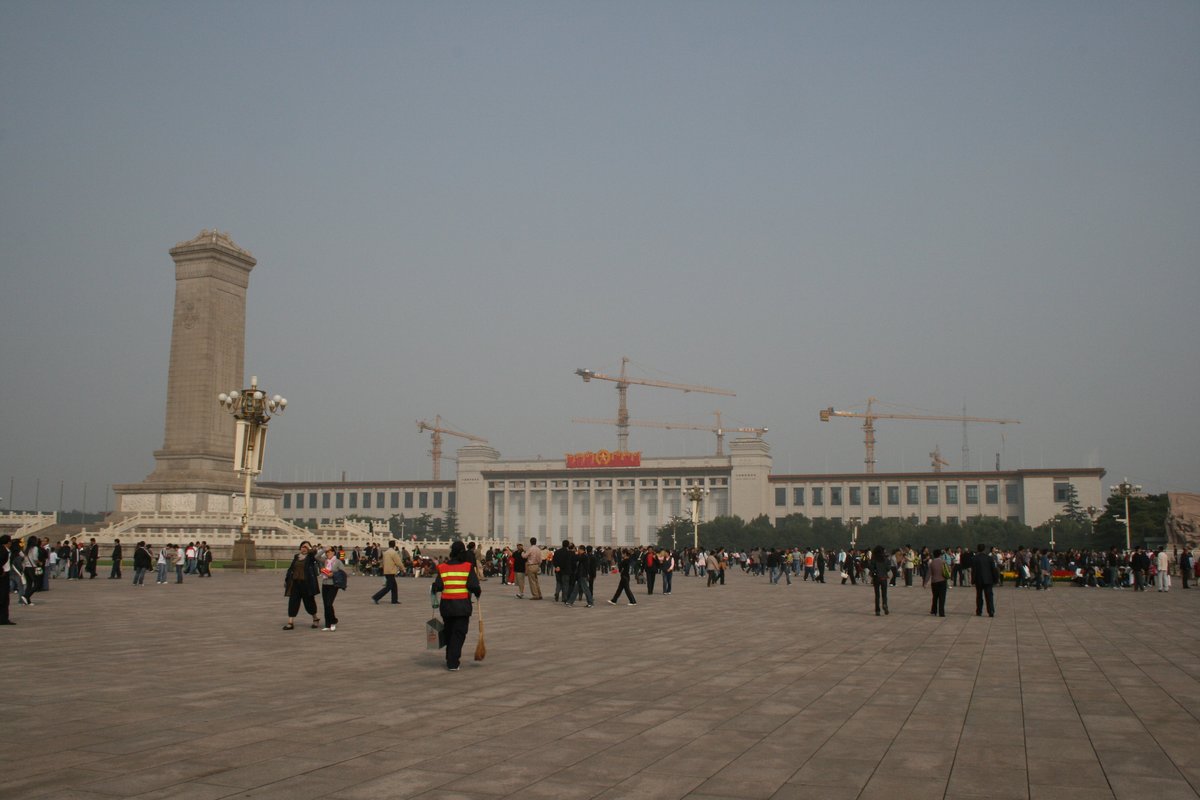
Although the Gate of China no longer stands, its historic site is within the accessible area of Tiananmen Square, one of Beijing’s most significant public spaces.
- Tiananmen Square: Open daily from 6:00 AM to 10:00 PM. Entry is free; be prepared for security checks and bring your passport (China Highlights).
- Capital Museum: Open Tuesday to Sunday, 9:00 AM–5:00 PM (closed Mondays). Admission is free but requires an advance reservation. The original gate’s stone tablet is displayed here (Wikipedia).
- Forbidden City (Palace Museum): Open 8:30 AM–5:00 PM, tickets range 40–60 CNY depending on the season. Advance online booking is essential.
- Zhengyang Gate (Qianmen): Restored and open for tours—check local schedules.
- Central Axis Walks: Guided and self-guided tours offer on-site historical context (The Beijing Center).
Travel Tips and Accessibility
- Best Visiting Times: Early mornings or weekdays for fewer crowds; avoid public holidays.
- Accessibility: Tiananmen Square and surrounding attractions are wheelchair- and stroller-accessible, with ramps and wide walkways.
- Entry Requirements: Passport is required for entry due to security protocols.
- Transportation: Use Beijing’s efficient subway system. The nearest stations are Tiananmen East (Line 1) and Qianmen (Line 2).
- Amenities: Public restrooms are available, but bring your own tissue and hand sanitizer.
- Security: Expect thorough checks; prohibited items include lighters, knives, and large bags.
Nearby Historical Sites and Attractions
- Tiananmen Square: The world’s largest public square, renowned for flag-raising ceremonies and national events.
- Mao Zedong Memorial Hall: Open 8:00–12:00 (closed Mondays), passport required.
- The Great Hall of the People: China’s legislative seat, west of the site.
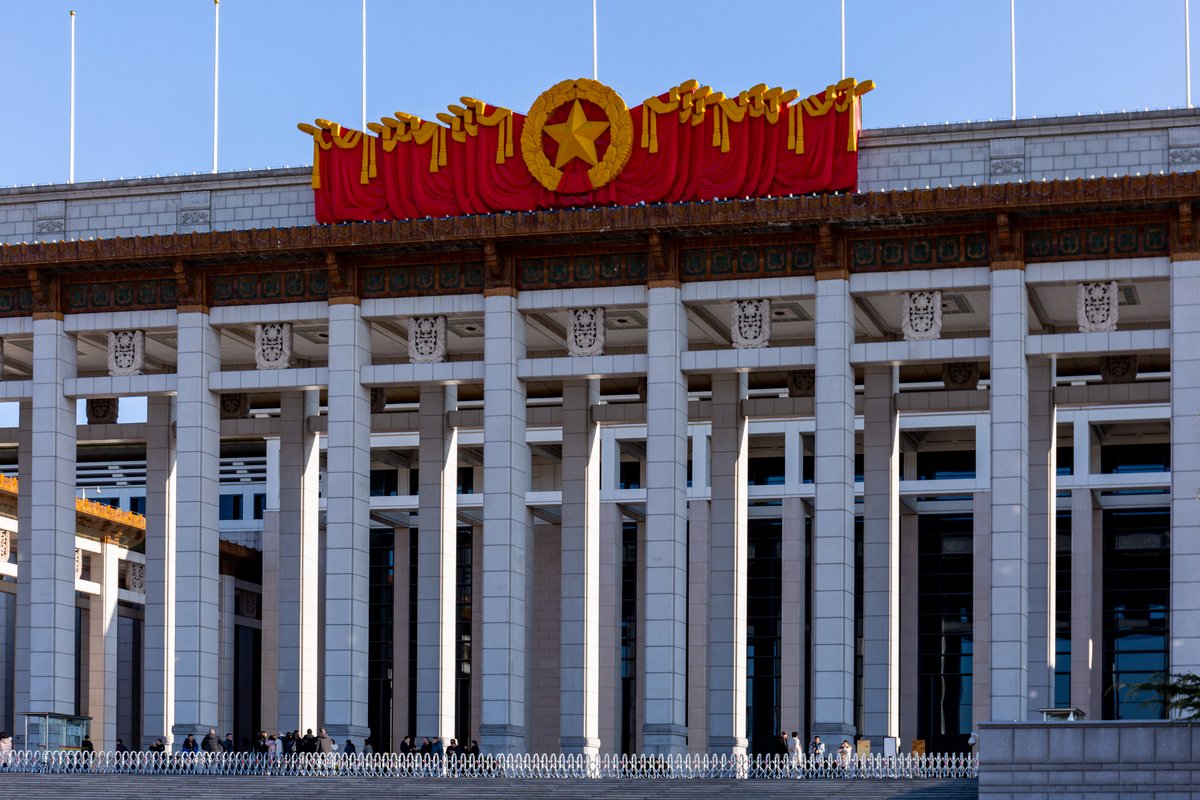
- National Museum of China: Features extensive historical exhibits; east of the square.
- Qianmen Gate: The only remaining southern gate of the old Inner City.
For more details, see Beijing Historical Landmarks and Tiananmen Square Guide.
Frequently Asked Questions (FAQ)
Q: Can I visit the Gate of China today?
A: The original gate was demolished, but its historic site is marked in Tiananmen Square, open to all visitors.
Q: Are tickets required for the Gate of China site?
A: No ticket is needed for the commemorative site; adjacent attractions may require tickets and a passport.
Q: What are the visiting hours for Tiananmen Square?
A: Tiananmen Square is open from 6:00 AM to 10:00 PM.
Q: Is the area accessible for people with disabilities?
A: Yes, ramps and wide pathways are available.
Q: What security measures should I expect?
A: All visitors undergo security screening and must carry a valid passport.
Listen to the full story in the app
The whole Gate Of China,
told well.
Listen to sourced travel stories with local history and practical context — ready offline.
Verified, and shown.
Researched and written by the Audiala editorial team from historical records, architectural archives, and local expertise.
Built from cited sources · see the method · How we make our guides →