The Historical Evolution of Fuchengmen
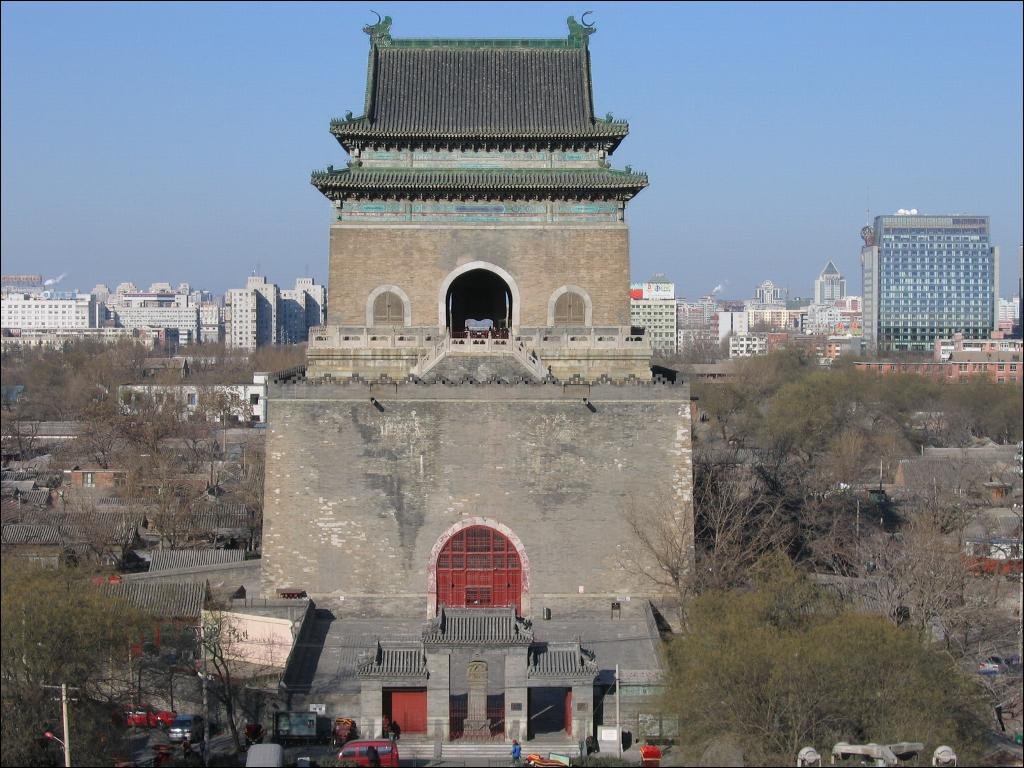
Fuchengmen was strategically located at the midpoint of Beijing’s western Inner City wall, constructed during the Ming Dynasty. The gate was both a defensive and commercial node, crucial for the city’s coal supply—a resource essential for heating and cooking in imperial Beijing. Its role as the “coal passage” distinguished Fuchengmen from other city gates, many of which had ceremonial or military functions (University of Bristol - Historical Photographs of China, Tour Beijing).
Architecturally, Fuchengmen comprised a grand gatehouse, barbican, defensive walls, and a multi-level watchtower. It aligned with Beijing’s north-south Central Axis, underscoring the city’s meticulously planned symmetry, a hallmark established during the Yuan Dynasty (China Daily).
Urban Transformation and the Modern Era
The 1950s and 1960s marked a period of rapid modernization for Beijing. To accommodate the expanding city and its infrastructure, many ancient gates were dismantled—including Fuchengmen—to make way for the Second Ring Road and a new era of urban transportation (Tour Beijing). While the gate itself vanished, its memory is preserved in the locality’s street names, the Fuchengmen subway station, and ongoing cultural programming (China Daily).
Today, Fuchengmen is a bustling urban hub and a major subway interchange, seamlessly connecting history and modernity.
Fuchengmen Station: Hours, Tickets & Accessibility
Location: Xicheng District, at the intersection of Fuchengmen Inner Street and Fuchengmen North Street.
- Operating Hours 5:00 AM – 11:00 PM daily (ExploreBeijing).
- Tickets
- Single-journey fares: 3–6 RMB (distance-based).
- Yikatong (rechargeable smart card) and multi-day passes (3, 7, 15 days) available.
- Payment: Cash, bank cards, Alipay, WeChat Pay (Living Nomads).
- Accessibility Elevators, ramps, and tactile paving for visitors with disabilities.
- Facilities Bilingual (Chinese/English) signage, multiple exits (A-D), restrooms, ATMs, and nearby convenience stores.
Note: There is no ticketed entry to the historic gate area itself, as the original structure no longer exists.
Key Nearby Attractions and Sites
1. Lu Xun Museum
- Address 19 Gongmenkou Ertiao, Fuchengmennei
- Highlights Former residence of Lu Xun, over 30,000 artifacts, manuscripts, and memorabilia. English-language displays available.
- Hours Tuesday–Sunday, 9:00 AM – 4:00 PM.
- Admission 5 RMB (ExploreBeijing).
2. White Pagoda Temple (Miaoying Temple)
- Address 171 Fuchengmennei Dajie
- Highlights Oldest and largest Tibetan Buddhist structure in Beijing, built in 1271. Features three exhibition halls.
- Hours Daily, 9:00 AM – 5:00 PM.
- Admission 20 RMB (beijing-kids.com).
3. Lidai Diwang Temple (Temple of Past Emperors)
- Highlights Memorial tablets for 188 emperors and 80 officials; tranquil courtyards and historic displays.
- Hours Daily, 9:00 AM – 4:00 PM.
- Admission 20 RMB.
4. Jingshan Park
- Highlights Former imperial park north of the Forbidden City, panoramic city views, seasonal flowers, and ancient towers.
- Hours 6:30 AM – 9:00 PM.
- Accessibility Wheelchair accessible (chinadiscovery.com).
Local Markets and Culinary Highlights
Wantong Market
- Location 2 Fuchengmenwai Dajie
- Hours Daily, 9:00 AM – 8:30 PM
- Offerings Jewelry, crafts, clothing, home goods, and more. Bargaining is common (beijing-kids.com).
Fish and Bird Market (Qingta Hutong)
- Best Times Mornings and early afternoons.
- Experience Local pet culture with a variety of animals and lively atmosphere.
Qingfeng Steamed Dumpling Shop
- Location 135 Fuchengmenwai Dajie
- Hours 6:30 AM – 9:00 PM
- Highlights Traditional baozi, stewed fish, and spicy beef (beijing-kids.com).
Practical Travel Tips
- Navigation Use Baidu Maps or Explore Beijing Subway app for real-time directions. Subway signage is bilingual.
- Peak Hours Avoid 7:00–10:00 AM and 5:00–7:00 PM for less crowded travel (The Helpful Panda).
- Payment Yikatong card or mobile payments are widely accepted.
- Language English is limited; translation apps are helpful (heyroseanne.com).
- Safety The area is well-lit and generally safe; always carry your passport.
- Accessibility Most major attractions and the subway station are wheelchair accessible, though some hutongs may present challenges.
Frequently Asked Questions (FAQ)
Q: Does Fuchengmen Gate still exist?
A: No, the original gate was demolished, but the area retains its name and historical significance.
Q: Are there entrance fees for Fuchengmen?
A: No fee is required to visit the area. Nearby museums and temples may charge 5–20 RMB.
Q: What are the operating hours for Fuchengmen Station?
A: 5:00 AM – 11:00 PM daily.
Q: Are guided tours available?
A: Yes, both private and group tours are available focusing on local history, hutongs, and cultural sites.
Q: Is the area suitable for visitors with disabilities?
A: Yes, Fuchengmen Station and most main attractions are accessible, but check in advance for specific requirements.