
Establishment and Evolution of the Embassy
The Embassy of North Korea in Beijing was inaugurated on September 6, 1986, and is located at No. 11, Ri Tan Bei Lu, Jian Guo Men Wai, Chaoyang District. Its establishment marked a strengthening of formal diplomatic ties during the late Cold War, reflecting the importance of the China–North Korea alliance.
Over time, the embassy has expanded to become one of North Korea’s largest diplomatic compounds. In addition to administrative offices, the complex reportedly includes residential quarters, a North Korean grocery, an eyeglasses shop, a currency exchange, and a hotel for visiting DPRK nationals.
Diplomatic Role and Bilateral Relations
Strategic Importance
The embassy is central to managing the historic alliance forged during the Korean War and formalized by the 1961 Treaty of Friendship, Cooperation, and Mutual Assistance. While the practical obligations of this treaty have evolved, the embassy remains a linchpin for political, economic, and security dialogue.
Core Diplomatic and Consular Functions
Key responsibilities include:
- Facilitating state-to-state political and economic negotiations
- Supporting cultural and educational exchanges
- Providing consular services for North Korean citizens in China
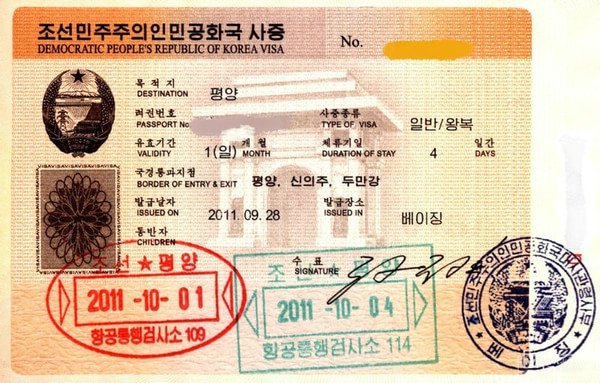
- Processing visa applications for foreigners traveling to North Korea—typically via organized tours (Wikitravel)
- Overseeing humanitarian and administrative matters for North Korean nationals
North Korea also operates consulates in Dandong and Shenyang to manage border trade and local communities.
Visiting the Embassy of North Korea in Beijing
Public Access and Visiting Hours
- General Access The embassy is not open to tourists or for casual visits. Entry is restricted to those with official business or pre-arranged appointments.
- Consular Hours The consular section generally operates:
- Monday, Wednesday, Friday: 09:30–11:30 and 14:00–17:30
- Tuesday, Thursday, Saturday: 09:30–11:30 only
- Closed on Sundays and public holidays (Wikitravel)
- Appointments All visits (including for visa applications or document legalization) must be scheduled in advance. Walk-ins are not permitted.
- Contact Appointments are arranged via telephone or fax. English proficiency is limited; most communication is in Korean or Chinese (Embassy Finder).
Location and Getting There
The embassy sits in the heart of Chaoyang’s diplomatic district, near Ritan Park and other major embassies.
- Address 11, Ri Tan Bei Lu, Jian Guo Men Wai, Chaoyang District, Beijing 100060
- Public Transit Nearest subway stations are Jianguomen (Lines 1, 2) and Yonganli (Line 1), about 15–20 minutes’ walk
- Parking Limited; public transport or taxi is recommended
- Accessibility Facilities for disabled visitors may be limited—contact ahead to inquire
Security and Protocol
- Screening All visitors undergo security checks; bring valid ID and required paperwork
- Photography Strictly prohibited inside and around the embassy
- Conduct Conservative, business-like attire is expected; maintain respectful, formal behavior
- Electronic Devices Phones and cameras may be inspected or disallowed
Embassy Architecture and Compound
The embassy compound is characterized by functional, security-focused architecture, with high walls, surveillance, and a discreet main building. The consular section is housed separately nearby.
Consular Services
Visa Application Process
Foreigners must arrange travel through an authorized DPRK agency and secure pre-approval before applying for a visa. The embassy requires:
- Completed visa form
- Valid passport
- Two passport-sized photos
- Visa fee (approx. USD 45, cash only)
- Supporting documents (e.g., travel permission)
Processing typically takes several days if documents are complete (Wikitravel).
Other Consular Services
- Passport services for North Korean nationals
- Document legalization and authentication
- Emergency assistance for DPRK citizens in China
Embassy Leadership and Staffing
As of 2025, the ambassador is Ri Ryong-nam. Staff include diplomats and consular officials managing bilateral relations and services for North Koreans in China.
The Embassy’s Role in North Korea’s Global Diplomatic Network
The Beijing embassy is the DPRK’s largest and most strategically significant mission, especially as international sanctions have reduced North Korea’s diplomatic reach elsewhere. It serves as a regional hub for engagement, negotiation, and support for North Koreans in China.
Safety, Legal, and Political Considerations
- Legal Jurisdiction DPRK law applies inside the embassy; Chinese law outside
- Sanctions Risks Do not engage in business or activities that might violate Chinese or UN sanctions (RUSI commentary)
- Political Sensitivities Avoid political discussions, protests, or critical remarks about the DPRK or its leadership
- Emergency Preparedness Medical facilities inside the embassy are limited; for emergencies, use local Chinese hospitals (NorthKoreaInfo)
Nearby Attractions and Amenities
The embassy’s neighborhood is home to international hotels, cafes, and Ritan Park—a tranquil green space. Other embassies and cultural centers are nearby, and the Sanlitun area offers shopping and dining options.
Frequently Asked Questions (FAQ)
Q: Can tourists visit the North Korean Embassy in Beijing?
A: No, only those with official business or pre-arranged appointments may enter.
Q: What documents are required for a visa application?
A: Completed form, valid passport, two photos, visa fee, and pre-approved travel permission.
Q: How do I schedule an appointment?
A: Contact the embassy in advance by phone or fax; walk-ins are not allowed.
Q: Is there a dress code?
A: Yes, formal and conservative attire is required.
Q: Are consular fees payable by credit card?
A: No, only cash (RMB) is accepted.
Q: What languages are spoken at the embassy?
A: Primarily Korean and Chinese; limited English.