Historical Evolution of the Embassy
Early Diplomatic Engagements
Japanese diplomatic contacts with China can be traced back to 607 AD, when envoys from Japan visited China’s Tang Dynasty. Centuries later, formal diplomatic relations were normalized in 1972, leading to the establishment of the modern embassy in Beijing. This marked a new era of engagement, reconciliation, and cooperation between the two countries. (Wikipedia: List of diplomatic missions of Japan)
Modern Relations and Developments
The embassy has been instrumental in facilitating state visits, such as Emperor Akihito’s historic 1992 trip, and in managing evolving relations. In recent years, the embassy has supported efforts to ease visa requirements, promote tourism, and expand cultural exchange, including hosting educational events and exhibitions. (CGTN: China and Japan—From tense ties to a new era of diplomacy; Kyodo News: Japan moving to ease visa requirements for Chinese visitors)
Visiting the Embassy of Japan in Beijing
Visiting Hours and Access
- Consular Section Hours Monday to Friday, 9:00 AM – 12:00 PM and 1:30 PM – 4:30 PM (closed on Chinese and Japanese public holidays).
- General Public Access The embassy is not a tourist site and does not offer public tours, but may host occasional cultural events open to the public. For consular services, appointments are required.
- Appointment Booking Visit the official embassy website to schedule appointments for visas and other services.
Consular Services
- Available Services Visa applications, passport renewals, notarial services, and emergency assistance.
- Visa Policy Update As of 2025, Japan has eased visa requirements for Chinese citizens, streamlining the application process. (Kyodo News: Japan moving to ease visa requirements for Chinese visitors)
- Required Documents Check the official website for up-to-date lists of required documents and procedures.
Tickets and Entry
- Entry Fees No tickets are required for consular visits or approved appointments. Cultural events may be free or require prior registration.
- Security Bring valid identification and appointment confirmation. Security screening is mandatory.
Location and Accessibility
Address and District
- Embassy Location No. 1 Liangmaqiao Dongjie, Chaoyang District, Beijing, China 100600
(embassies.info)
Chaoyang District is a key diplomatic and expatriate hub, home to many embassies, international organizations, hotels, and restaurants.
Nearby Historical Sites and Amenities
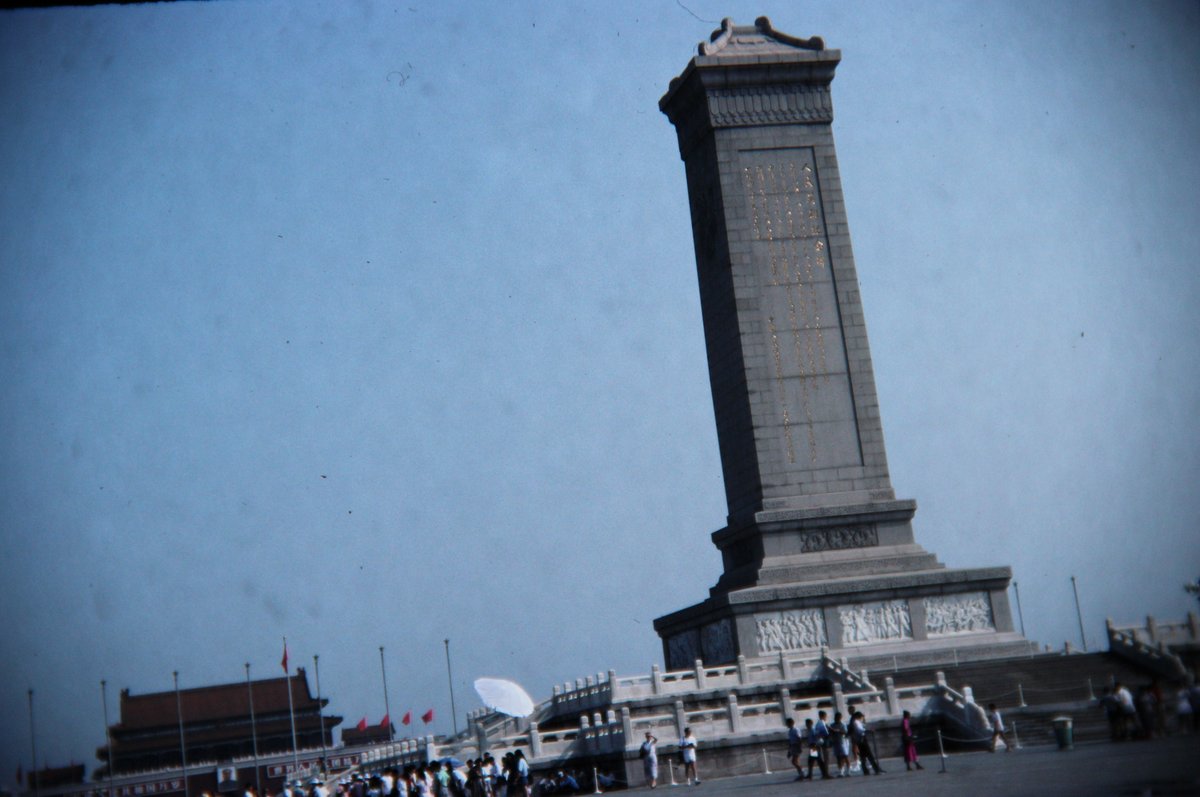
- Nearby Sites Forbidden City, Temple of Heaven, Tiananmen Square, and the 798 Art District.
(ruqintravel.com) - Transport The nearest subway station is Liangmaqiao Station (Line 10), about a 10-minute walk from the embassy. The embassy area is also accessible by taxi and private vehicle (no public parking on-site).
- Amenities Surrounding international hotels (Kempinski, Hilton), dining options, and shopping centers are within walking distance.
Architectural and Historical Significance
Modern Features
The embassy’s architecture blends contemporary Japanese design with diplomatic functionality—clean lines, minimalist interiors, and landscaped gardens reflect harmony with nature. The embassy occasionally hosts art exhibitions and cultural presentations.
Former Japanese Legation
History enthusiasts can visit the former Japanese legation in Beijing’s Dongcheng District (No. 21 Dongjiaomin Lane). Built in the 19th century and renovated in 2002, it remains a rare example of diplomatic architecture from the era of the foreign legations.
(ruqintravel.com)
Visitor Tips and Cultural Etiquette
Essential Visitor Tips
- Book in Advance Appointments are required for consular services.
- Prepare Documents Bring all necessary paperwork and arrive early for security checks.
- Dress Code Business or smart casual attire is recommended.
- Language Embassy staff speak Japanese, Chinese, and English. Notify in advance if you require language assistance.
- Accessibility The embassy is accessible for visitors with disabilities; notify staff if you need special assistance.
Key Etiquette Practices
Understanding etiquette is crucial for a smooth and respectful visit:
- Greetings Bowing is customary in Japanese culture; a handshake and nod are standard in Chinese contexts.
- Punctuality Arrive at least 10–15 minutes early for appointments.
- Behavior Maintain quiet and orderly conduct, silence mobile phones, and follow staff instructions.
- Gift Giving Not required, but small, modest gifts are acceptable for formal meetings.
- Communication Japanese style favors indirect, humble expression; Chinese etiquette values respect and harmony.
- Business Cards Present and receive cards with both hands, examine the card before putting it away.
(interculturalwordsensei.org)
(baike.baidu.com)
(123embassy.com)
FAQs
Q: What are the embassy’s visiting hours?
A: Monday to Friday, 9:00 AM – 12:00 PM and 1:30 PM – 4:30 PM (closed on public holidays).
Q: Is an appointment required?
A: Yes, for all consular services.
Q: Are public tours or tickets available?
A: No public tours; no tickets needed for consular services. Cultural event entry information is on the embassy’s website.
Q: Is the embassy accessible for disabled visitors?
A: Yes, the compound is equipped with ramps and elevators.
Q: Can I photograph inside the embassy?
A: Photography is generally prohibited for security reasons.
Related Articles
- Top Historical Sites to Visit in Beijing
- How to Apply for a Japanese Visa from China
- Cultural Exchange Programs Between Japan and China