Dongsi and Dongsi Station
Dongsi (东四, “Eastern Four”) is a neighborhood in Beijing’s Dongcheng District, known for its historic hutongs, traditional siheyuan courtyard homes, and lively local community. Its roots date to the Yuan Dynasty, and today it combines historic architecture and living traditions with modern shops, cafés, and transit.
Dongsi Station is a gateway to the neighborhood’s hutongs and cultural sites, including the nearby Dongsi Mosque. Transit descriptions differ: Dongsi Station is listed as serving Lines 5 and 6 and, following a recent expansion, Line 3. Another account describes Dongsi Station (including Dongsi Shitiao Station, 东四十条站) as an interchange for Lines 2 and 3, and says it was originally built for Line 2 in the 1980s. The station’s multi-level design and transfer passages are intended to streamline passenger flow (The Beijinger, Beijing Government, ScienceDirect, TravelChinaGuide).
History
Dongsi takes its name from the four sign gates, or paifangs, that once stood at this important crossroads during the Yuan Dynasty. Xisi (“Western Four”) in Xicheng District is its counterpart. The original gates were dismantled in 1958, but their names and legacy remain.
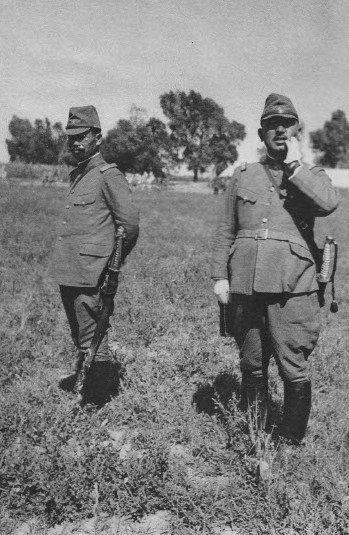
The neighborhood’s hutongs run from Dongsi Toutiao through Shisitiao in a distinctive east-west sequence, linked by north-south alleyways. Dongsi has also been home to notable figures including Xu Shichang, president of the Republic of China; warlord Duan Qirui; writer and educator Ye Shengtao; and Wang Meng, a former culture minister. Several residences are preserved as cultural relics, including Ye Shengtao’s home at No. 71 Dongsi Batiao.
Dongsi is a designated historical and cultural block. Adaptive reuse has turned some siheyuan into museums, inns, and galleries, supporting modern uses while preserving historic buildings. The area has about 33,670 residents across six communities and covers 1.42 km².
What to see
Hutongs and local life
Well-preserved lanes include Santiao, Sitiao, Wutiao, Liutiao, Qitiao, and Batiao. They offer views of traditional siheyuan courtyards and everyday neighborhood life. The Dongsi Hutong Museum presents exhibits on local culture.
Dongsi’s traditional snack shops and family-run stores sit alongside modern cafés and boutiques. Longfusi Snack Street is a local culinary destination.
Dongsi Mosque
Founded in 1356, Dongsi Mosque was built during the Yuan Dynasty and renovated over the centuries. It is one of Beijing’s oldest and most architecturally distinctive mosques, as well as a spiritual and cultural center for the local Muslim community (RuqinTravel).
Visitors can see its prayer hall, which features Chinese-Islamic motifs, and its courtyards. Special events take place during Islamic holidays.
Practical visiting information
Dongsi and the hutongs
- Dongsi’s alleyways are open year-round and free to explore. The block’s general visiting hours are also given as 8:00 AM–6:00 PM.
- Most hutongs are a 5–10 minute walk from the station.
- The Dongsi Hutong Museum and other selected sites generally open 9:00 AM–5:00 PM, Tuesday–Sunday, and close on Mondays. Modest entry fees may apply. Museum hours vary; typical admission is CNY 20–50.
- Guided tours are available and recommended; book expert-led walking tours in advance.
Dongsi Station and transport
- Station operating hours are approximately 5:00 AM–11:00 PM daily. First trains are listed as departing at approximately 5:00–5:30 AM, and last trains at approximately 10:30–11:30 PM. Check first and last train times for the specific line.
- Single-journey tickets start at 3 RMB. Yikatong cards offer discounts and convenience; the card is accepted throughout the Beijing subway.
- Payment options include single tickets, Yikatong, Alipay, WeChat Pay, and many international cards (Travel China Guide).
- Exits B and C provide access to the historical and cultural block. Dongsi Station is described as wheelchair-friendly, with elevators, tactile paving, and bilingual signage.
- Multiple bus lines serve the area (China Discovery). Taxis and ride-sharing are available, with the Didi app recommended (Ruqin Travel). Bike-share is also available across the area (Ruqin Travel).
- Station amenities include restrooms and shops.
Dongsi Mosque
- Hours 8:00 AM–5:00 PM daily.
- Admission Free; donations are welcome.
- Occasional guided tours are available; inquire locally.
- From Dongsi Station on Lines 5 and 6, take Exit C for step-free access and walk 5 minutes south.
Tips
- Wear comfortable footwear and carry water. In summer, travel early or late to avoid the heat (Ruqin Travel).
- Early mornings and late afternoons offer better light and fewer crowds for photography. Be mindful of residents’ privacy.
- Avoid subway rush hours—7:00–9:00 AM and 5:00–7:30 PM—for a more comfortable journey.
- Security checks are routine at all stations; allow extra time during holidays. The subway has visible security and surveillance.
- Use color-coded subway maps and bilingual signs. Navigation apps include MetroMan China and Baidu Maps (East China Trip).
- Allow passengers to exit before boarding.
- At the mosque, dress modestly, ask before photographing inside, and avoid visiting during prayer times. Have the mosque’s Chinese name handy for navigation.
Nearby places
- Forbidden City The world’s largest palace complex (China Discovery).
- Jingshan Park Known for panoramic city views.
- National Art Museum of China (Beijing Deep Tour).
- Wangfujing Shopping District and the Dongsi hutongs.
- Houhai Classic Beijing alleyways are found near both Dongsi and Houhai.
- 798 Art District A contemporary art hub accessible via connecting subway lines.
FAQ
What are Dongsi Station’s operating hours?
Approximately 5:00 AM–11:00 PM. First trains depart at approximately 5:00–5:30 AM and last trains at approximately 10:30–11:30 PM; check official sources for specific line schedules.
How do I transfer between lines?
Use the designated passages and follow the bilingual signage.
Can I use a Yikatong card?
Yes. It is accepted throughout the Beijing subway and provides discounts and convenience.
Is entry to the hutongs free?
Yes. The alleyways are open year-round; some cultural sites charge an admission fee.
Are guided tours available?
Yes. Guided tours are available, and booking in advance is recommended.
Is the area accessible?
Dongsi Station has elevators and tactile paving and is described as wheelchair-friendly. Many hutongs are also wheelchair-friendly, although some may be less accessible.
Is entry to Dongsi Mosque free?
Yes. Donations are welcome.
Can non-Muslims visit Dongsi Mosque?
Yes, outside prayer times.