Historical Background
Dongsi: From Imperial Crossroads to Urban Center
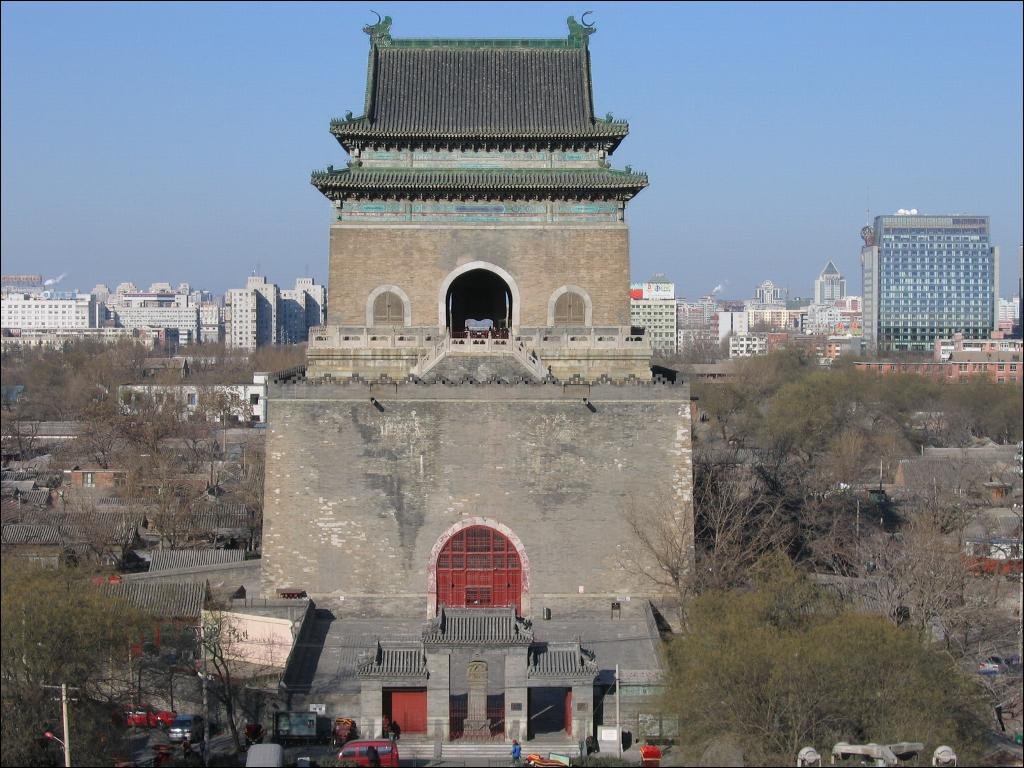
The Dongsi area derives its name from the “East Four” wooden archways that once marked the intersection of Dongsi North and South Streets during the Ming Dynasty. This historic crossroads signified the eastern gateway to the Imperial City and laid the groundwork for a dense network of hutongs, each numbered from south to north—culminating in the “Shitiao” (Tenth Alley). Today, these alleys encapsulate Beijing’s traditions, with their names reflecting local trades, notable residents, and deep-rooted urban planning.
(govt.chinadaily.com.cn; beijingdeeptour.com; wikipedia.org)
Birth and Development of Dongsi Shitiao Station
Inaugurated in the 1980s as part of Beijing’s modernization drive, Dongsi Shitiao Station was built on Line 2, the subway’s circular loop closely following the old city walls. Its creation, alongside landmarks like Poly Plaza, marked a new urban era and the city’s ambition to facilitate mobility while preserving its layered history. The addition of Line 3 in December 2024 transformed Dongsi Shitiao into a major interchange, connecting the area to key districts such as Sanlitun, Workers’ Stadium, and Beijing Chaoyang Railway Station.
(beijingdeeptour.com; trip.com; beijing.gov.cn; ghzrzyw.beijing.gov.cn)
Architectural and Cultural Significance
Dongsi Shitiao Station’s unique vintage design distinguishes it from Beijing’s newer, more futuristic stations. Expect to find floral-patterned tiles, wooden handrails, stone pillars, and retro ceiling lights, all recalling the ambiance of late 20th-century Beijing. For locals, this nostalgic aesthetic conjures collective memories and urban continuity amid rapid development.
The station’s proximity to prominent hutongs further cements its role as a bridge between old and new Beijing. By facilitating access to these historic neighborhoods, Dongsi Shitiao preserves and celebrates the city’s cultural heritage.
Practical Visitor Information
Visiting Hours & Ticketing
- Subway Operating Hours Approximately 5:00 AM – 11:00 PM daily.
- Tickets No special entrance fee. Purchase single-journey tickets at vending machines or counters, or use the Beijing Transportation Smart Card (Yikatong) and mobile payment apps (WeChat, Alipay, credit cards).
- Facilities Clean restrooms, seating areas, information desks, security checks, bilingual signage.
Accessibility
- Elevators and Escalators Available throughout the station.
- Tactile Paving For visually impaired travelers.
- Accessible Restrooms Located within paid areas.
- Staff Assistance On-site during operating hours.
Travel Tips
- Best Times Visit during weekday mid-mornings or early afternoons to avoid the rush.
- Connectivity Direct links to Line 2 and Line 3, with easy transfers to Lines 1 and 5 at nearby Dongdan and Dongsi stations.
- Payment Most attractions and vendors now accept cards and mobile payments, but carry some cash for small purchases.
- Language Signage is bilingual; translation apps are recommended for deeper communication.
- Security Expect bag scans at entrances; the system is safe and well monitored.
Nearby Attractions
Forbidden City (Palace Museum)
- Distance ~3 km southwest; transfer to Line 1 at Dongdan, then walk from Tian’anmen East Station.
- Hours 8:30 AM–5:00 PM (closed Mondays except holidays).
- Tickets 40–60 CNY; advance online booking recommended.
- Accessibility Wheelchair access/rental available.
Jingshan Park
- Distance 3.5 km; north of Forbidden City.
- Hours 6:30 AM–9:00 PM.
- Tickets ~2 CNY.
Beijing Hutongs (Nanluoguxiang, Houhai, Yandaixie Street)
- Distance 1–2 km; walk or short taxi ride.
- Hours Open year-round; shops have varied opening times.
Workers’ Stadium, Poly Theatre, Sanlitun
- Direct access Exits lead to these venues for sports, performances, and nightlife.
798 Art District, Temple of Heaven, Tian’anmen Square, Summer Palace, Universal Studios Beijing
- All accessible via subway or taxi; check chinadiscovery.com for specific hours and ticketing.
Hutongs and Local Life
The Dongsi area boasts some of Beijing’s most atmospheric hutongs, many dating back to the Yuan, Ming, and Qing dynasties. Notable alleys include:
- Dongsi Shitiao (Tenth Alley) Quintessential hutong life, siheyuan, and greenery.
- Juer Hutong Former residences of notable figures.
- Nanluoguxiang Bustling with cafes and shops.
Explore hutongs on foot for spontaneous discovery or join rickshaw/walking tours for guided insight. Guesthouses like Double Happiness Courtyard Hotel offer stays in converted siheyuan, often with cultural workshops.
(chinadiscovery.com; asiaodysseytravel.com)
Dining in the Area
- Street Food Jianbing, baozi, and tanghulu from hutong vendors.
- Peking Duck Quanjude, Sijiminfu, Dadong (Exit D, Dongsi Shitiao) are top choices.
- Dumplings Man Jie Dumplings (满姐饺子), steps from Exit D (lostplate.com).
- Hotpot Donglaishun for traditional Beijing-style mutton hotpot.
- International Options Vegetarian, Yunnan cuisine, and Western restaurants are nearby.
Strategic Role in Urban Development
The integration of Line 3 in 2024 has transformed Dongsi Shitiao into a transit powerhouse, connecting the Dongsi Commercial Circle in the south and Beixinqiao in the north. The station catalyzes economic development, supports local commerce, and strengthens community identity. Its vintage design and modernization efforts embody Beijing’s approach to balancing heritage with innovation.
(ghzrzyw.beijing.gov.cn; beijing-visitor.com)
FAQs
Q: What are the Dongsi Shitiao Station operating hours?
A: Approximately 5:00 AM–11:00 PM daily.
Q: How do I buy subway tickets?
A: Use vending machines, counters, or a Yikatong card. Mobile payments are accepted.
Q: Is the station accessible for people with disabilities?
A: Yes—elevators, tactile paving, and accessible restrooms are available.
Q: What attractions are closest to Dongsi Shitiao Station?
A: Forbidden City, Jingshan Park, Workers’ Stadium, Poly Theatre, and Dongsi hutongs.
Q: Are guided tours available?
A: Yes, rickshaw and walking tours depart from the station and can be booked online or at local hotels.
Q: Is there luggage storage?
A: Not at Dongsi Shitiao, but major stations like Beijing Railway Station offer this service.
Q: Can I use English at the station and attractions?
A: Signage is bilingual; staff may have limited English—translation apps are helpful.