Historical Context and Foundation
Dinghui Temple’s origins date to the Liao Dynasty, with subsequent development and renovation during the Yuan, Ming, and Qing periods. Its name, meaning “Concentration and Wisdom,” reflects its foundational purpose as a center for Buddhist meditation and scholarship. While not as prominent as the Lama Temple or Fayuan Temple, Dinghui Temple has served as a quiet pillar of spiritual life and study in northwest Beijing, especially due to its proximity to other scholarly and religious institutions.
Architectural Evolution and Features
Dynastic Influences and Layout
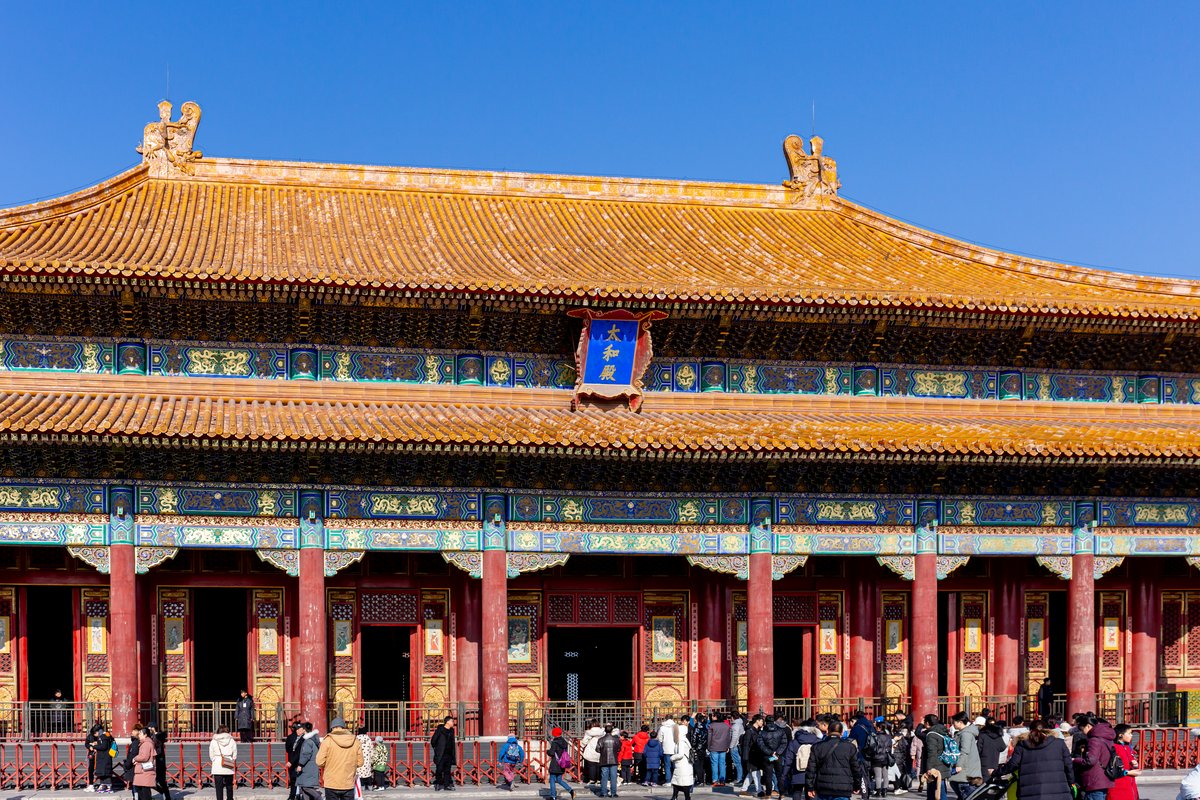
Dinghui Temple’s architecture showcases the stylistic transitions of Chinese religious building across dynasties. The temple complex follows a traditional north-south axis, featuring multiple courtyards and halls. Notable elements include:
- Timber-frame Construction Characteristic of classical Chinese architecture, providing both beauty and structural flexibility.
- Ornate Rooflines Glazed tiles and upturned eaves, often decorated with mythical creatures for protection and good fortune.
- Dougong Brackets Intricate interlocking woodwork supporting the roofs, exemplifying ancient engineering.
Main Hall and Iconography
The heart of the complex is the Main Hall (Daxiong Baodian), which houses statues of the Buddha and attendant bodhisattvas. Carved dragons, phoenixes, and Buddhist symbols adorn the structure, while murals and calligraphy enhance the spiritual atmosphere. The hall’s layout and decorations both honor Buddhist cosmology and reflect the Confucian emphasis on symmetry and harmony.
Religious and Cultural Significance
Dinghui Temple remains an active site for Buddhist worship, meditation, and community gatherings. Its focus on the virtues of “concentration” (定) and “wisdom” (慧) aligns with Mahayana Buddhist teachings. The temple hosts regular chanting, meditation sessions, and festivals such as Vesak and the Ullambana Festival, serving both local devotees and visitors seeking spiritual enrichment.
Visitor Information
Visiting Hours
- Open Daily 8:00 AM – 5:00 PM
- Note Hours may vary during major festivals; check official sources before your visit.
Tickets and Admission
- Admission Free; donations are welcome to support temple maintenance and programming.
- Special Events Some lectures or cultural events may require advance registration or special tickets.
Getting There
- Location Haidian District, Beijing, near cultural landmarks like the Summer Palace.
- Public Transport Accessible via Beijing subway and city buses; plan your route using local transit apps or maps.
Accessibility
- Grounds Mostly level and paved, but some historic areas have steps or uneven surfaces. Contact the temple for specific accessibility information.
Photography Policy
- Outdoors Photography is permitted.
- Indoors Restricted in main halls and during ceremonies; always respect signage and staff instructions.
Guided Tours and Events
- Guided Tours Available by request; inquire at the entrance or through official tourism channels.
- Events Regular Buddhist lectures and meditation workshops; check schedules in advance.
Travel Tips and Nearby Attractions
- Dress Modestly Cover shoulders and knees; remove hats inside main halls.
- Quiet Respect Maintain a peaceful demeanor, especially during rituals.
- Combine Visits Explore nearby sites such as the Summer Palace, Old Summer Palace, or Confucius Temple for a comprehensive cultural experience.
- Best Times Early morning or weekday visits ensure a quieter atmosphere.
Preservation and Contemporary Role
Dinghui Temple has overcome historical upheavals, including damage during the Cultural Revolution, thanks to recent restoration efforts that respect traditional craftsmanship. The temple continues to serve as both a religious sanctuary and a living museum, connecting visitors with Beijing’s enduring spiritual traditions.
Frequently Asked Questions (FAQ)
Q: What are the opening hours of Dinghui Temple?
A: 8:00 AM to 5:00 PM daily; confirm during holidays.
Q: Is there an entrance fee?
A: Admission is free; donations are appreciated.
Q: Are guided tours available?
A: Yes, on request.
Q: Is Dinghui Temple wheelchair accessible?
A: Most main areas are accessible, though some sections have steps.
Q: Can I take photos inside the temple?
A: Allowed in outdoor spaces; restricted inside main halls.
Q: How do I get there?
A: Via subway or bus to Haidian District; consult local maps for details.