History of Beijing’s Subway and Dawang Lu Station
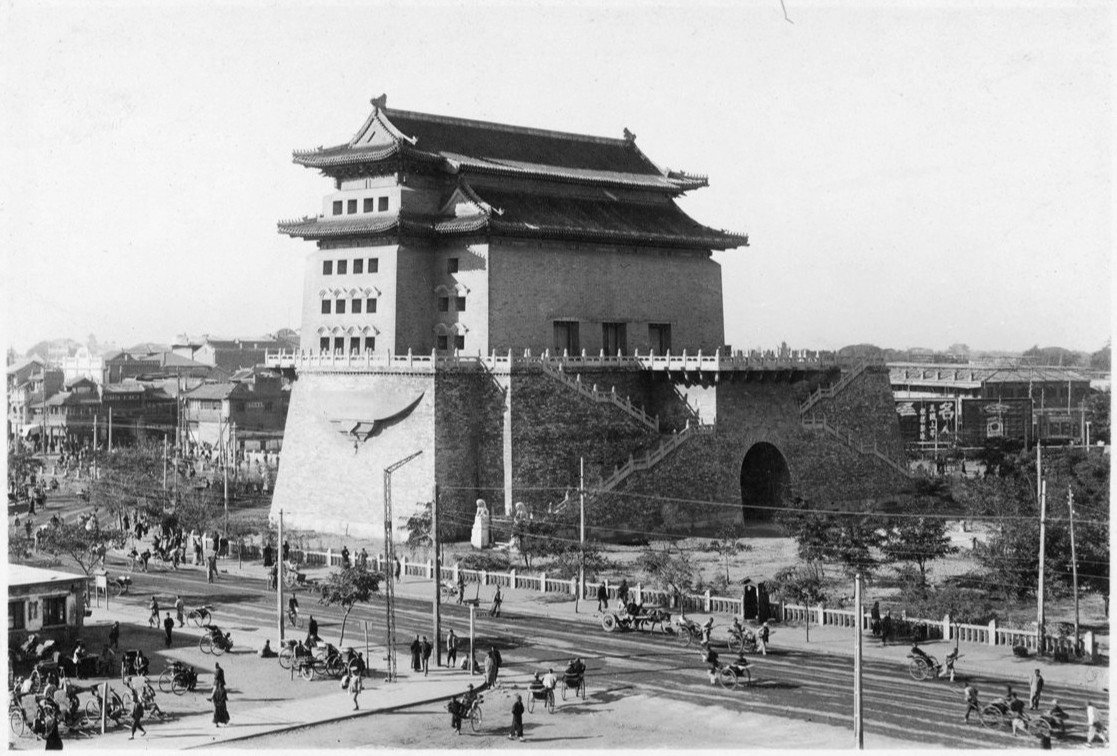
The Beijing subway system was initiated in the 1960s as part of the city’s modernization push. Construction began in 1965, and the first operational line opened in 1971, connecting Beijing Railway Station and Gongzhufen. The project was not without controversy: debates about preserving Beijing’s historic city wall arose, with some, including architect Liang Sicheng, advocating for preservation. Ultimately, large sections of the wall gave way to the subway’s construction, although some landmarks like the Qianmen gate were preserved through route adjustments (beijing-travels.com).
Dawang Lu Station epitomizes the latest phases of expansion and modernization. It reflects a shift towards high-capacity, passenger-focused design, and efficient urban integration, keeping pace with Beijing’s growth (english.visitbeijing.com.cn).
Strategic Location and Urban Significance
Positioned in the heart of the Chaoyang District, Dawang Lu Station connects central Beijing with the Wangjing area and the broader CBD. This area is known for its blend of high-rise office towers, major commercial centers, and diverse residential communities. The nearby Da Wang Jing Mixed-use Development is a highlight, featuring five towers—four offices and one residential—arranged in a pattern inspired by bamboo, symbolizing resilience in Chinese culture (andrewbromberg.com). The area’s green spaces, public plazas, and cultural venues foster community engagement and make the neighborhood a lively destination for locals and visitors.
Integration into the Subway Network
Dawang Lu serves as a vital interchange for:
- Line 1 The oldest and busiest east-west subway line, connecting key government, commercial, and cultural areas.
- Line 14 A newer line (construction began in 2010), connecting southern, eastern, and northeastern Beijing with state-of-the-art, high-capacity trains. The station’s interchange design allows for efficient transfers between lines, reducing congestion and improving access across the city (english.visitbeijing.com.cn).
Architectural and Urban Design Highlights
The Da Wang Jing Mixed-use Development adjacent to the station is a striking example of modern urban design. Designed by Andrew Bromberg Architects, the complex features:
- Distinctive Architecture Five towers with golden facades and flowing lines, evoking the image of a bamboo grove.
- Public Spaces Landscaped areas and plazas connecting to Wangjing Park, promoting environmental sustainability and community interaction.
- Cultural Venues The Kuntai Cultural Center, which regularly hosts exhibitions and events.
These elements position Dawang Lu Station as both a transit hub and a vibrant part of Beijing’s urban landscape (andrewbromberg.com).
Practical Visitor Information: Hours, Tickets, and Accessibility
Operating Hours
- First Train Around 5:00–5:30 AM (varies by line and direction)
- Last Train 10:30–11:30 PM
- Always check posted schedules or the official Beijing Subway website for holiday or special event changes (EastChinaTrip).
Ticketing Options
- Single-ride tickets Purchase at vending machines or counters.
- Beijing Transportation Smart Card (Yikatong) Rechargeable, contactless, and widely accepted for seamless travel.
- Mobile Payments Alipay, WeChat Pay, and QR code payments are accepted for quick access.
- Note International credit cards are typically not accepted for subway tickets; carry cash or use Chinese payment apps.
Accessibility
Dawang Lu Station is fully accessible:
- Elevators and Ramps Connect all major levels and exits.
- Tactile Paving Assists visually impaired travelers.
- Accessible Restrooms Equipped with handrails and emergency buttons.
- Clear Signage Multilingual (Chinese/English) guidance throughout the station.
Station Layout and Facilities
- Platform Design Both Line 1 and Line 14 feature underground island platforms, connected by escalators, elevators, and stairways.
- Exits Multiple exits (A, B, C, D, etc.), with accessible options and direct links to major buildings, bus stops, and taxi zones.
- Facilities Restrooms, convenience stores, vending machines, free Wi-Fi, lost and found, and information desks staffed in Chinese and basic English.
Nearby Attractions and Cultural Venues
- SOHO New Town Contemporary art, creative spaces, and cafés.
- Shin Kong Place (SKP) High-end shopping, dining, and entertainment.
- Wanda Plaza Retail, cinema, dining, and supermarket.
- Wangjing Park Outdoor recreation.
- Kuntai Cultural Center Cultural exhibitions and community events.
- Quick Access to Tiananmen Square and the Forbidden City Direct via Line 1.
Socioeconomic Impact and Ridership
Dawang Lu Station’s development has driven significant economic growth and revitalization in eastern Beijing, supporting retail, hospitality, and culture. Its strategic role in the subway network makes it one of the busiest stations, with weekday entries exceeding 100,000 (Beijing Daily). Government investment and fare policies (such as the 2-yuan fare after 2007) have encouraged public transit use, reducing congestion and pollution (beijing-travels.com).
Key Milestones and Timeline
- 1965 Beijing’s first subway line construction begins.
- 1971 Subway system opens to limited trial operation.
- 2007 Line 5 and lower fare policy boost ridership.
- 2010 Start of Line 14 construction.
- 2018 Da Wang Jing Mixed-use Development completed.
- 2020s Dawang Lu becomes a major interchange with the full opening of Line 14 (andrewbromberg.com; english.visitbeijing.com.cn).
Frequently Asked Questions (FAQ)
Q: What are the visiting hours of Dawang Lu Station?
A: Approximately 5:00 AM to 11:30 PM, depending on line and direction.
Q: How can I purchase tickets?
A: Buy at vending machines or counters using cash, Yikatong cards, or Chinese mobile payment apps.
Q: Is Dawang Lu Station wheelchair accessible?
A: Yes, with elevators, ramps, tactile paving, and accessible restrooms.
Q: What are nearby attractions?
A: Wangjing Park, SOHO New Town, Shin Kong Place, Wanda Plaza, and the Kuntai Cultural Center.
Q: Can I use international credit cards?
A: Not for tickets; use cash or Chinese payment apps.
Q: Are there lost and found facilities?
A: Yes, at the main service desk.
Summary and Final Travel Tips
Dawang Lu Station is a model of Beijing’s evolution—a gateway that unites historic tradition with urban innovation. Its strategic location, comprehensive accessibility features, and proximity to major commercial and cultural sites make it indispensable for both daily commuters and international visitors. Use the Yikatong card or mobile payments for convenience, travel outside peak hours for comfort, and explore the adjoining Da Wang Jing development to experience the district’s dynamism (andrewbromberg.com; beijing-travels.com). For up-to-date travel assistance, apps like Audiala offer real-time subway information and curated neighborhood insights (english.visitbeijing.com.cn).