Plan and listen to Dagaoxuandian with Audiala.
Audio guide in your pocket, itinerary in your browser. Built for the way you actually visit.
Introduction to Dagaoxuandian
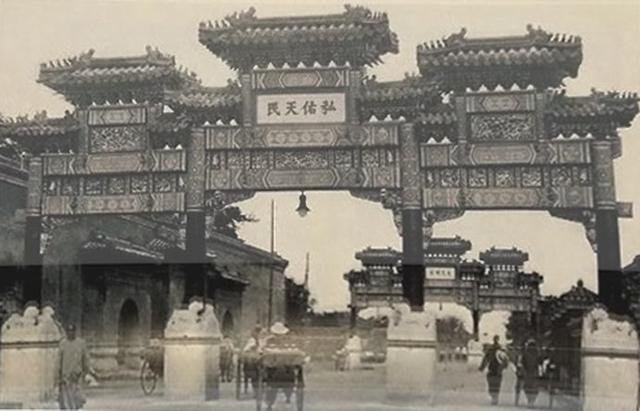
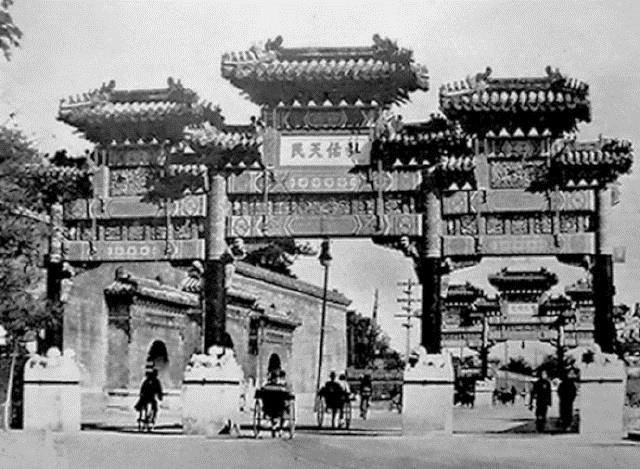
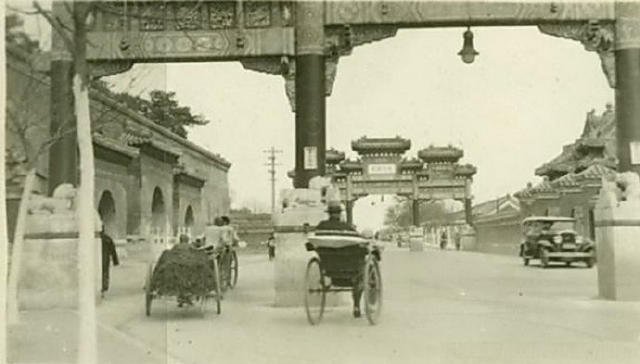
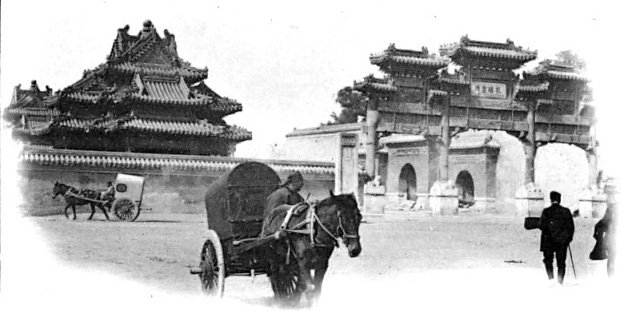
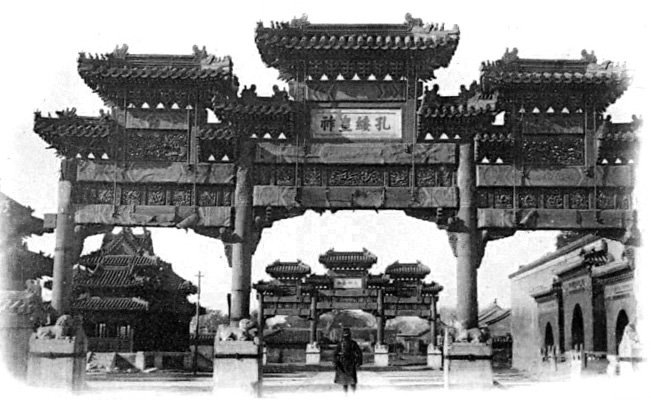
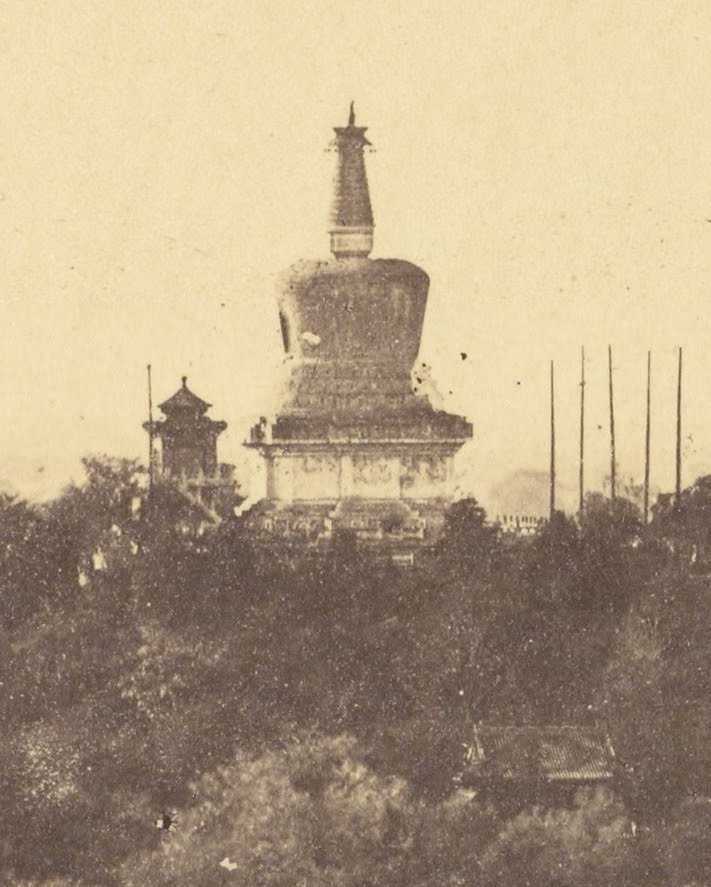
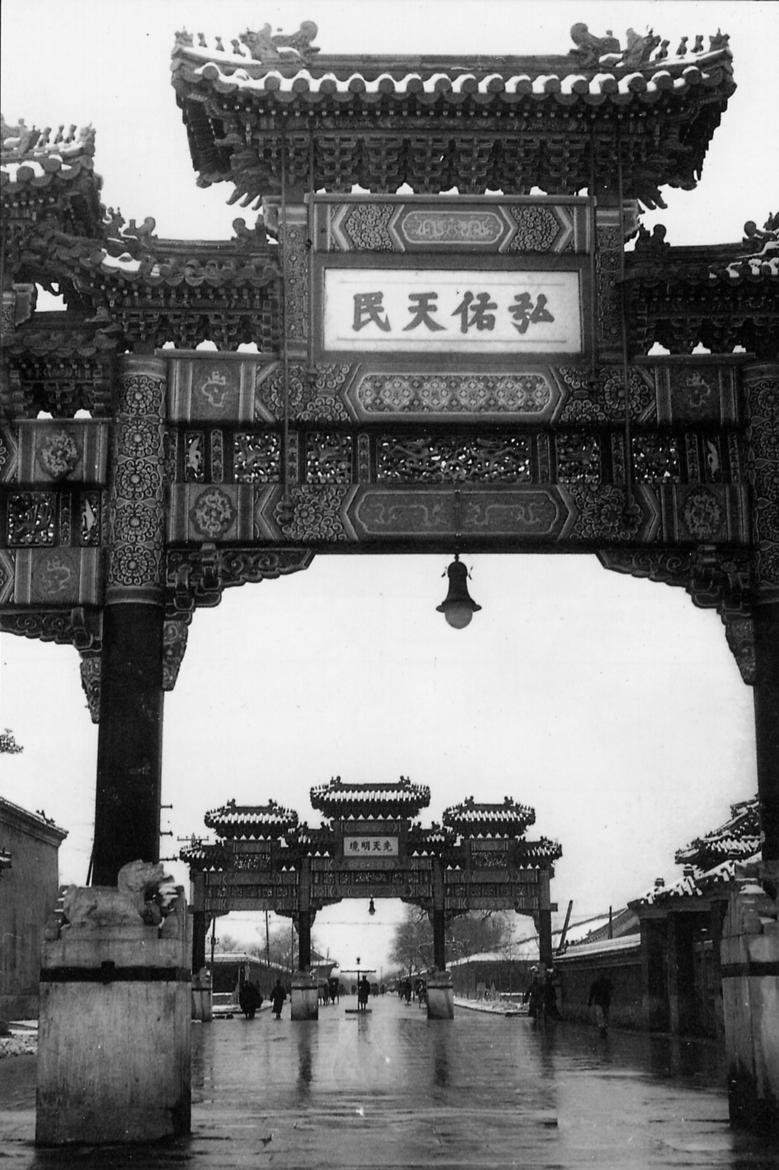
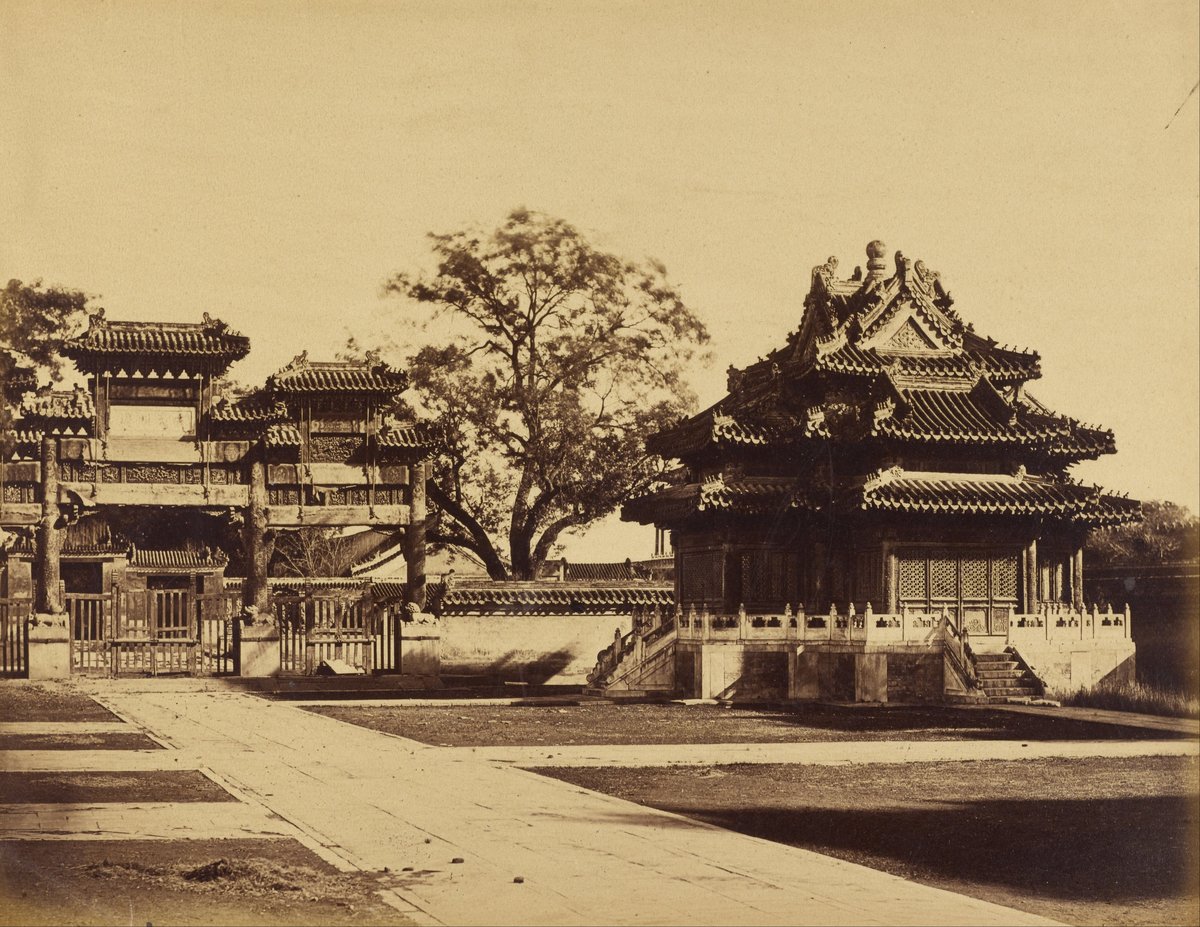
Dagaoxuandian (大高玄殿), known as the Hall of Supreme Mysteriousness, is a significant Taoist temple complex located just north of Beijing’s Forbidden City. It stands as a testament to the city’s imperial and spiritual heritage, blending Ming dynasty religious architecture with deep-rooted cultural traditions. Constructed during the reign of the Jiajing Emperor, Dagaoxuandian originally functioned as a center for imperial Taoist ceremonies, reflecting the emperor’s devotion and the dynastic pursuit of prosperity and divine protection. Its location along Beijing’s Central Axis integrates it within a network of UNESCO World Heritage sites, including the Forbidden City and the Temple of Heaven, highlighting its importance within the urban and cultural landscape (Official Beijing Tourism Website).
Today, Dagaoxuandian offers visitors a rare opportunity to experience Ming dynasty architecture, observe occasional Taoist festivities, and enjoy the serenity of its courtyards. This comprehensive guide covers Dagaoxuandian’s historical background, architectural features, visiting hours, ticketing information, accessibility, nearby attractions, and practical travel tips, ensuring an enriching and well-prepared visit.


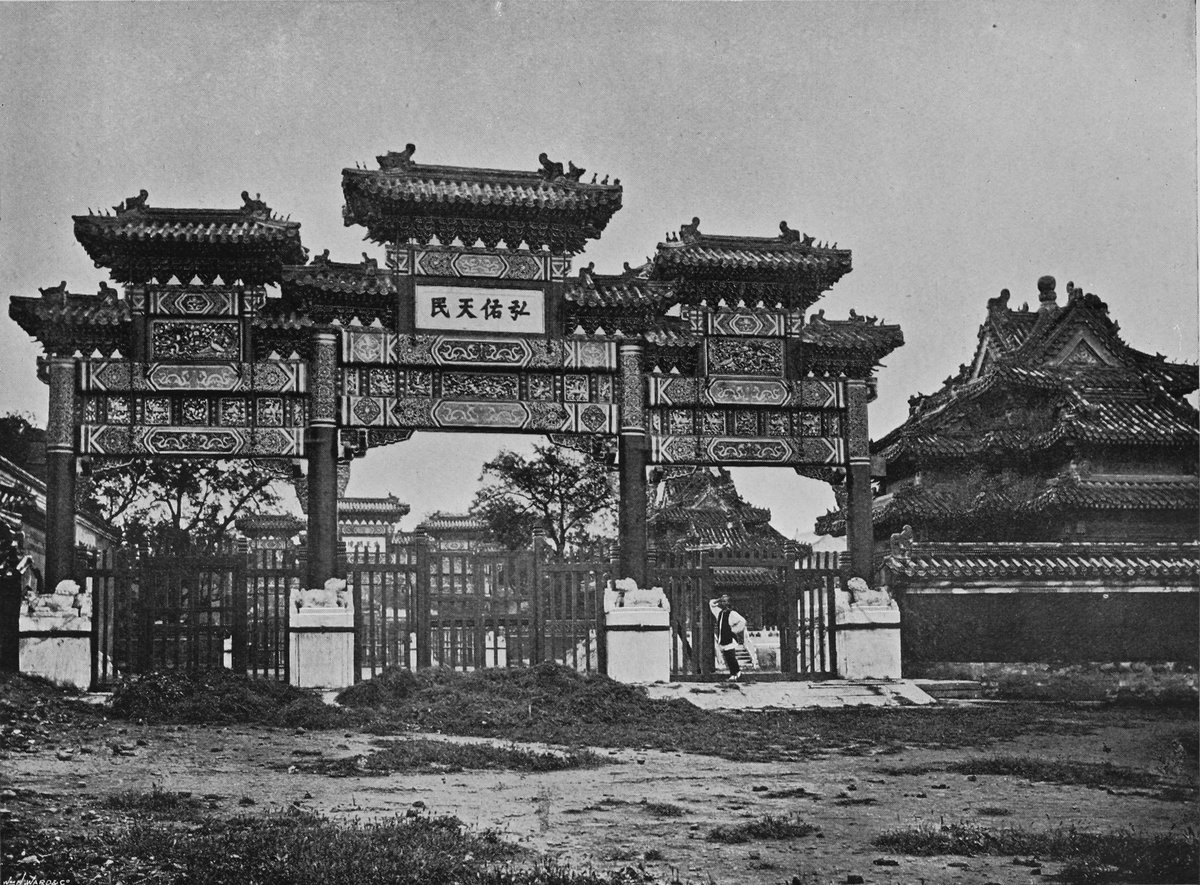
Historical Background & Cultural Significance
Origins and Dynastic Role
Dagaoxuandian was established during the Ming dynasty under the Jiajing Emperor (r. 1521–1567), whose reign was marked by a strong promotion of Taoism as a means of consolidating spiritual and political power. The temple’s proximity to the Forbidden City symbolized the emperor’s intimate relationship with Taoist practices, complementing the broader interplay of Confucianism and Buddhism in imperial governance (Ruqin China Travel Guide).
The temple complex hosted state-sponsored rituals, prayers for national prosperity, and ceremonies seeking divine protection, attracting officials, priests, and scholars from across the empire (Adventure Backpack: Beijing Culture). Although Qing emperors favored Tibetan Buddhism, Dagaoxuandian retained its status as a key Taoist shrine and cultural site.
Historical Transformations
Over the centuries, Dagaoxuandian experienced cycles of restoration and decline. Renovations during the late Ming and early Qing periods enhanced its grandeur, while periods of political upheaval led to neglect and partial destruction. Despite damages during the Cultural Revolution, significant architectural elements survived, and in recent decades, careful restoration has preserved its legacy as a protected cultural relic (ArchDaily: Beijing Architecture).
Architectural Highlights
Dagaoxuandian exemplifies Ming dynasty temple architecture through its:
- Symmetrical Layout: The complex is organized along a north-south central axis that echoes the urban planning of the Forbidden City (Archeyes: Beijing Architecture).
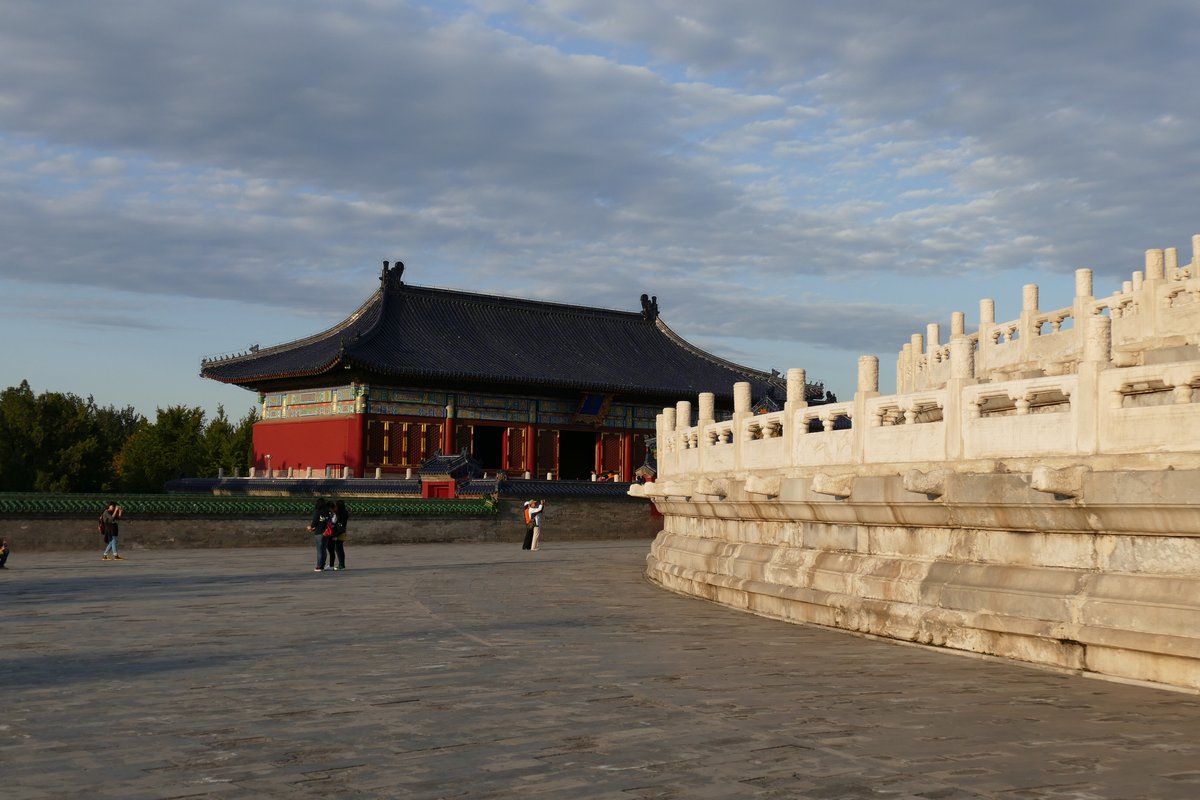
- Imperial Roof Tiles: Yellow glazed tiles, symbolic of imperial authority, crown the main halls, while upturned eaves and elaborate wooden brackets (dougong) reflect both aesthetic beauty and structural ingenuity.
- Decorative Motifs: Carvings and painted details feature dragons, phoenixes, and religious symbols, reinforcing the hall’s spiritual and ceremonial functions (Britannica).
- Construction Materials: Traditional timber-frame techniques utilize rare woods like Phoebe zhennan, enhancing durability and resilience against earthquakes (Travel to East).
Visitors are often captivated by the main hall’s scale, the harmonious courtyards, and the temple’s integration within Beijing’s UNESCO-listed central axis (Travel to East).
Visiting Information
Hours & Best Time to Visit
- Typical Opening Hours: 8:30 AM to 5:00 PM (last entry at 4:10 PM).
- Closed: Mondays, except on national holidays.
- Seasonal Recommendation: Spring (April–June) and autumn (September–October) offer mild weather and pleasant scenery, though these are also peak tourist times (China Highlights).
Note: Visiting hours may vary due to special events, restoration, or restricted access. Always consult official sources before planning your visit (China Discovery).
Tickets & Entry
- Admission Fee: Typically 40–60 CNY for adults. Discounts are available for students, seniors, and children. Children under 1.2 meters usually enter for free.
- Ticket Purchase: Tickets are best secured in advance via official platforms or authorized vendors, especially during peak periods.
- Identification: Bring a valid ID or passport for entry. Security screenings are standard (TravelAwaits).
Accessibility
- Physical Access: Main entrances and pathways are wheelchair accessible, though some historic sections have steps or uneven surfaces. Ramps and staff assistance are available at key points.
- Facilities: Restrooms and refreshment kiosks are nearby in adjoining parks.
Directions & Transportation
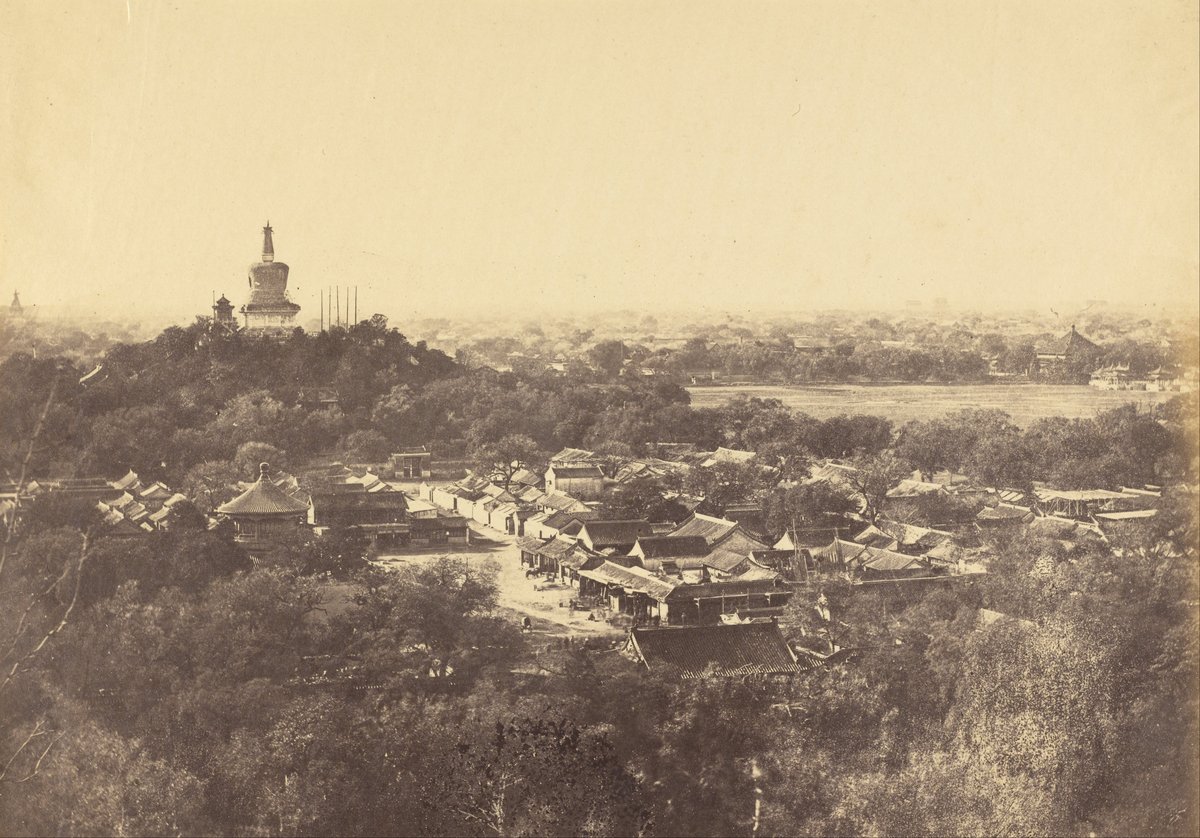
- Location: North of the Forbidden City, between Jingshan Park and Beihai Park (University of Bristol).
- Subway: Nearest stations are Beihai North (Line 6), Jingshan East (Line 8), and Tian’anmen West (Line 1); all within a 10–20 minute walk.
- Bus: Several city bus routes stop near Jingshan Park and Beihai Park.
- Taxi/Ride-hailing: Widely available; have the Chinese name “大高玄殿” ready for your driver.
Nearby Attractions
- Forbidden City (Palace Museum): Iconic imperial palace and UNESCO World Heritage site.
- Jingshan Park: Famous for panoramic city views.
- Beihai Park: Historic imperial garden with scenic lakes.
- Hutongs: Explore Beijing’s traditional alleyways for local culture and cuisine (Ruqin Travel).
Special Events & Tours
While Dagaoxuandian is not a mainstream tourist site with daily events, occasional Taoist ceremonies and cultural festivals may be open to visitors. Guided tours (private or group) are available through select agencies and often include Dagaoxuandian as part of broader historic itineraries. These tours provide valuable insights into the temple’s architectural details, religious practices, and historical context.
Visitor Etiquette & Practical Tips
- Dress Modestly: Respectful attire is expected at religious and historical sites.
- Photography: Permitted in most outdoor areas. Restrict flash and tripods, especially indoors or during ceremonies.
- Conduct: Remain quiet, do not touch artifacts, and follow posted rules.
- Health & Safety: Carry bottled water, sun protection, and a mask on high-pollution days. Keep personal belongings secure in crowded areas (The Helpful Panda).
- Payment: Cash, WeChat Pay, and Alipay are common; bring some RMB for small vendors.
- Connectivity: Western apps may be blocked; download a VPN and local navigation apps like Baidu Maps before arrival (Travel to East).
Frequently Asked Questions (FAQ)
Q: What are the official visiting hours for Dagaoxuandian?
A: Usually 8:30 AM–5:00 PM; last entry at 4:10 PM; closed Mondays (except holidays). Always check ahead for any changes.
Q: Is there an admission fee?
A: Yes, typically 40–60 CNY. Some discounts apply. Check for current pricing.
Q: Can I take guided tours?
A: Yes, guided tours including Dagaoxuandian are offered by select agencies.
Q: Is Dagaoxuandian wheelchair accessible?
A: Main routes are accessible, but some historic areas may be less so. Contact staff for assistance.
Q: Are there any special events?
A: Occasional Taoist or cultural ceremonies may be open to the public; check local event listings.
Listen to the full story in the app
The whole Dagaoxuandian,
told well.
Listen to sourced travel stories with local history and practical context — ready offline.
Verified, and shown.
Researched and written by the Audiala editorial team from historical records, architectural archives, and local expertise.
Built from cited sources · see the method · How we make our guides →