Plan and listen to Cishan Temple with Audiala.
Audio guide in your pocket, itinerary in your browser. Built for the way you actually visit.
Introduction
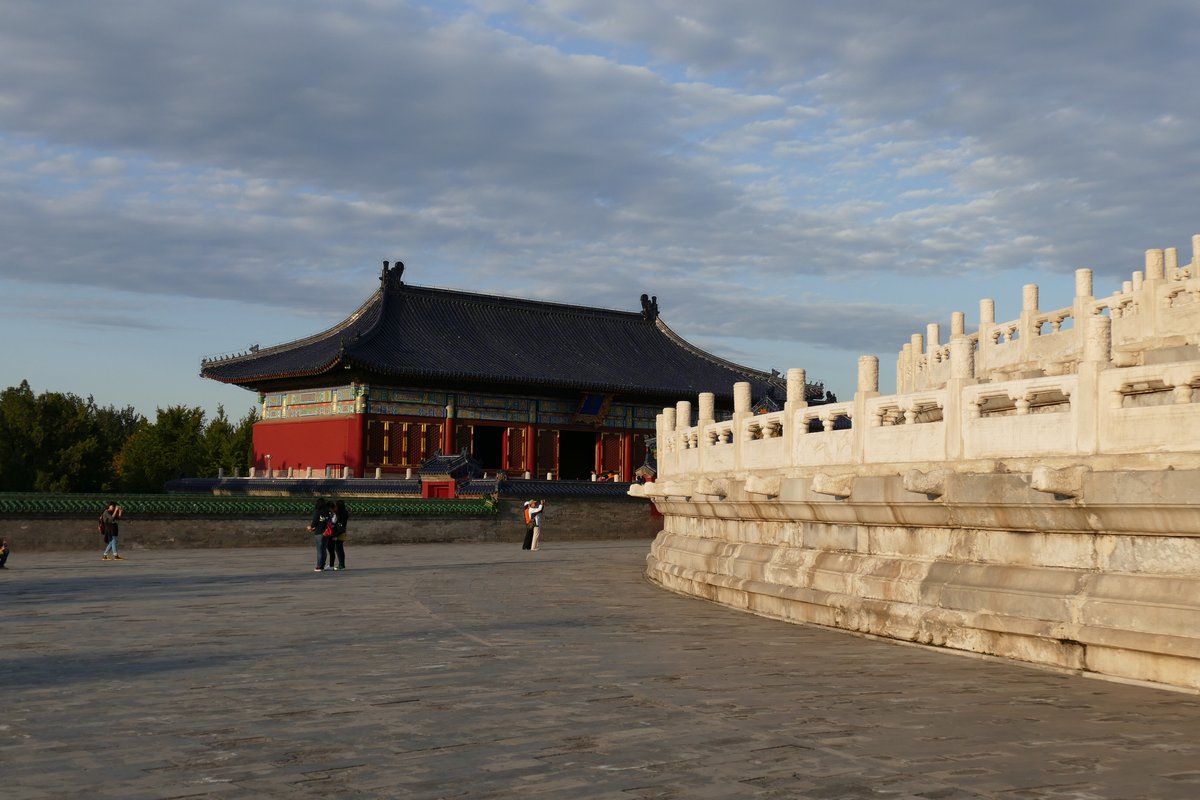
Cishan Temple (慈善寺), nestled in Beijing's western Shijingshan District, is one of the city’s most distinctive and historically layered religious sites. Founded in 1587 during the Ming Dynasty, the temple is both a spiritual haven and an architectural gem—renowned for its syncretic embrace of Buddhism, Confucianism, Taoism, and local folk customs. Unlike Beijing’s centrally located temples, Cishan’s mountainside setting and layout, inspired by the Big Dipper constellation, create a tranquil and contemplative environment for pilgrims, history enthusiasts, and travelers alike.
This guide delivers everything you need for a meaningful visit: hours, ticketing, accessibility, travel tips, historical background, site layout, and the temple’s enduring cultural significance. Whether you’re planning a spiritual pilgrimage or a cultural exploration, this resource ensures your experience at Cishan Temple is rich, informed, and respectful (Visit Beijing; R.Visit Beijing; Bucket List Travels).
Quick Facts: Visiting Hours, Tickets, and Essentials
- Hours: Daily, 8:00 AM – 5:00 PM (last entry 4:30 PM)
- Tickets: RMB 20–40 for adults; discounts for students/seniors; purchase onsite or online
- Transport: Subway Line 1 to Pingguoyuan or Shijingshan Road, then local bus/taxi
- Accessibility: Wheelchair access to main halls and pathways
- Nearby: Shijingshan Park, Ancient Pilgrims’ Path Exhibition Hall
- Photo Tips: Visit in late spring for blooming catalpa trees; best shots at Sanhuang Hall and the giant Buddha head
Historical Background: Foundation, Syncretism & Preservation
Origins and Early History
Founded in 1587, Cishan Temple rose alongside Beijing’s imperial prominence. Its strategic site along an ancient pilgrimage route made it a vital spiritual stop for travelers. Unlike most temples dedicated to a single tradition, Cishan Temple’s architecture and rituals reflect a rich blend of Buddhist, Confucian, Taoist, and folk influences—a rare syncretism that mirrors the religious diversity of late Ming and early Qing Beijing (r.visitbeijing.com.cn).
Architectural Features and Layout
Spanning over 60,000 square meters, the temple complex aligns its more than 100 halls and structures in a pattern echoing the Big Dipper. Core highlights include:
- Sanhuang Hall: Dedicated to the Three Sovereigns, legendary Chinese ancestors, emphasizing ancestral worship (visitbeijing.com.cn)
- Ancient Catalpa Trees: Over 500 years old, these trees perfume the air in spring
- Giant Buddha Head: Carved into the mountainside, this iconic feature gazes serenely across the valley
- Statuary: Includes a sleeping Buddha and a rare 1.9-meter-high Prince of Devils statue
The layout’s organic adaptation to the mountainside, rather than strict symmetry, offers a unique spiritual progression from secular to sacred.
Notable Historical Figures & Preservation
Cishan Temple’s legacy includes association with Emperor Shunzhi of the Qing (rumored to have become a monk here) and patriotic general Feng Yuxiang, who left six cliff-face carvings. The temple’s resilience is marked by cycles of decline and restoration, with significant work undertaken from 2002–2007. Today, it serves not only as a place of worship but also as a cultural heritage education center and Anti-corruption Education Base (visitbeijing.com.cn).
Practical Visitor Information
How to Get There
- Subway: Line 1 to Pingguoyuan or Shijingshan Road, then bus #345 or #673 to the Cishan Temple stop, followed by a short walk or taxi ride
- By Car: Ride-hailing apps like Didi are convenient; be sure to show the destination in Chinese characters (Rachel Meets China)
Tickets and Entry
- Prices: RMB 20–40 for adults; students and seniors receive discounts
- Purchase: Onsite or via official online channels
- ID: Bring your passport, as ID checks are routine (Bucket List Travels)
Accessibility
- Wheelchair Ramps: Access to main halls and restrooms
- Assistance: Contact in advance if additional support is needed
On-Site Amenities
- Restrooms: Mostly squat toilets; bring your own tissue (Hey Roseanne)
- Food: Eating is permitted in outdoor areas; local vendors and restaurants nearby offer snacks and meals
- Shops: Occasional tea house and souvenir stands
Photography
- Allowed: Courtyards, gardens, and outdoor statuary
- Restricted: Inside main halls and during rituals (always check signage)
Language
- Signage: Some English explanations in main halls
- Guides: Hiring an English-speaking guide is recommended for deeper insight (Bucket List Travels)
What to See: Highlights of Cishan Temple
- Sanhuang Hall: Centerpiece of ancestral worship
- Giant Buddha Head: Iconic photo spot, accessible via a marked path
- Sleeping Buddha: Symbolizes the Buddha’s entry into nirvana
- Ancient Trees: Over 500 years old, especially beautiful in spring
- Restored Halls: Rich Ming and Qing dynasty décor, statues wrapped in gold cloth
- Pilgrims’ Path: Historical route under restoration
Religious Practices and Community Life
Cishan Temple is a living center for Buddhist rites, Taoist ceremonies, and Confucian rituals. It hosts major festivals such as Vesak (Buddha’s Birthday), Ullambana (Ghost Festival), and Dharma Assemblies for peace. Both monastic and lay devotees frequent the temple for meditation, ordination ceremonies, and community service.
The temple’s continuing role in education, outreach, and the promotion of traditional medicine illustrates its dynamic contribution to Beijing’s cultural life (Ruqin China Travel).
Visitor Tips & Etiquette
- Dress Modestly: Cover shoulders and knees; avoid revealing clothing
- Conduct: Speak quietly, follow posted rules, and bow respectfully when participating in rituals
- Photography: Respect restrictions, especially during ceremonies
- Payment: WeChat Pay and Alipay are widely accepted, but cash is still useful (Hey Roseanne)
- Best Time to Visit: Weekdays, early mornings, or during late spring/early autumn for mild weather and natural beauty (China Highlights)
- Avoid Crowds: Steer clear of Chinese holidays like National Day (October 1–7) and Spring Festival
FAQ
Q: What are the opening hours?
A: 8:00 AM – 5:00 PM daily (last entry 4:30 PM)
Q: How much are tickets?
A: RMB 20–40 for adults; discounts for students/seniors
Q: Is Cishan Temple accessible?
A: Yes, main areas offer wheelchair access
Q: Are guided tours available?
A: Yes, book in advance or at the entrance
Q: Can I take photos inside?
A: Usually allowed in outdoor areas; restricted inside main halls
Q: How do I get there by public transport?
A: Subway Line 1 to Pingguoyuan or Shijingshan Road, then local bus or taxi
Enhance Your Visit
- Download the Audiala app for audio guides and real-time updates on Cishan Temple and other Beijing sites
- Explore nearby attractions: Ancient Pilgrims’ Path Exhibition Hall, Shijingshan Park, and other rural temples
- Check out virtual tours and interactive maps for planning (Official Cishan Temple Website)
Listen to the full story in the app
The whole Cishan Temple,
told well.
Listen to sourced travel stories with local history and practical context — ready offline.

Verified, and shown.
Researched and written by the Audiala editorial team from historical records, architectural archives, and local expertise.
Built from cited sources · see the method · How we make our guides →