

History and Evolution of Chongwenmen
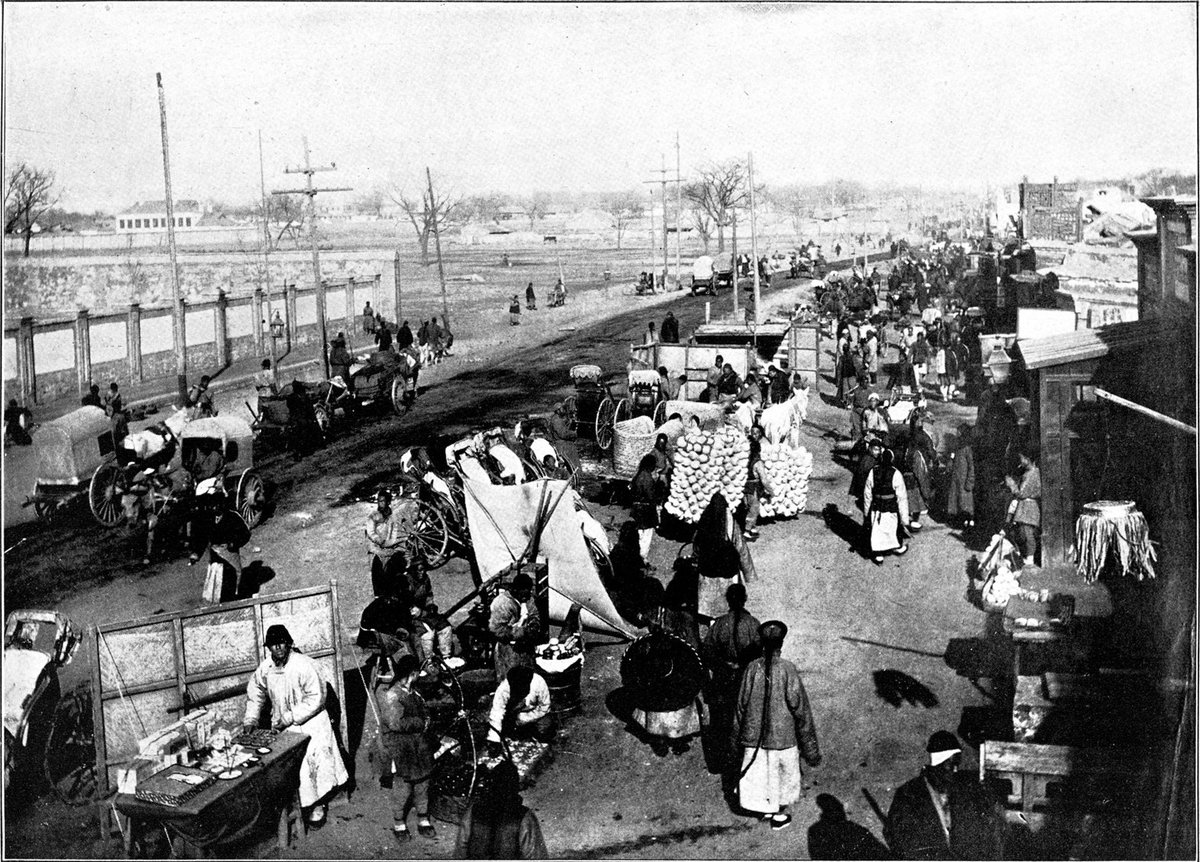
Established during the Ming Dynasty, Chongwenmen served as a southeastern gateway and a bustling economic hub. Its location drew merchants—especially those dealing in liquor and wine, due to high tariffs—while also housing vital tax and administrative offices. The gate’s function extended beyond city defense to facilitating trade and representing imperial power, shaped by Confucian ideals (thebeijinger.com; beijing-kids.com).
Despite its demolition in the mid-20th century, the spirit of Chongwenmen endures through its historic streets and preserved structures.
Architectural Heritage and Key Landmarks
Ming City Wall Relics Park
This park conserves a 1.5-kilometer stretch of Beijing’s ancient city wall, offering visitors a window into Ming-era fortifications. The area is landscaped with walking paths and interpretive signs, making it a tranquil space for reflection and learning (travelchinaguide.com).
Visiting Hours: 6:00 AM – 10:00 PM
Tickets: Free
Accessibility: Wheelchair-accessible paths and rest areas
Southeast Corner Tower (Dongbianmen Watchtower)
Located at the park’s eastern end, the Southeast Corner Tower is the best-preserved of its kind in Beijing. Built in 1436, it offers panoramic views and houses exhibitions on urban development and defense history.
Visiting Hours: 9:00 AM – 5:00 PM, closed Mondays
Tickets: ~30 CNY; discounts for students/seniors
Guided Tours: English tours on weekends (advance booking suggested)
Chongwenmen Gate Site
Though the original gate no longer exists, commemorative plaques and urban design elements mark its historic location, signifying its former role as a major entryway for travelers and goods.
Chongwenmen Church: Cultural and Religious Significance
The Chongwenmen Church (Asbury Church) is a cornerstone of local Christian heritage. Founded by the American Methodist Church in 1870 and rebuilt after the Boxer Rebellion, it remains active with services in both Chinese and English, inviting both worshippers and tourists.
Visiting Hours: Generally 9:00 AM – 5:00 PM (service times vary)
Admission: Free; donations welcome
Beijing’s Central Axis and Chongwenmen’s Role
Chongwenmen was a vital component of the Beijing Central Axis, a 7.8-kilometer ceremonial line connecting key imperial landmarks from the Drum and Bell Towers to the Temple of Heaven. Ongoing preservation efforts aim to secure UNESCO World Heritage status, underscoring Chongwenmen’s importance in Beijing’s architectural and cultural tapestry (wb.beijing.gov.cn).
Visiting Hours, Tickets, and Accessibility
- Ming City Wall Relics Park 6:00 AM – 10:00 PM, free entry
- Southeast Corner Tower 9:00 AM – 5:00 PM (closed Mondays), ~30 CNY
- Chongwenmen Church 9:00 AM – 5:00 PM (service times may differ), free entry
Accessibility: Most sites offer wheelchair access, paved paths, and ramps. Public transport is convenient and stations are equipped with elevators.
Guided Tours: English-language tours are available for the city wall, Corner Tower, Legation Quarter, and nearby historical districts.
Getting There & Nearby Attractions
By Subway:
Chongwenmen Station (Lines 2 and 5) is the main access point, connecting directly to landmarks like Tiananmen Square, the Forbidden City, and Temple of Heaven. The area is also well-served by buses and close to Beijing Railway Station.
Nearby Attractions:
- Temple of Heaven UNESCO World Heritage Site, 20 minutes by foot or short subway ride
- Qianmen Street Historic pedestrian zone with traditional shops and local snacks
- Tiananmen Square & Forbidden City Easily reached by subway or taxi
- Peking Legation Quarter Diplomatic enclave with European architecture, cafes, and walking tours
- St. Michael’s Church Gothic Revival Catholic church in the Legation Quarter
Photography and Special Events
Chongwenmen’s juxtaposition of historic relics and modern cityscape provides excellent opportunities for photography—particularly at sunrise or sunset. Major Chinese festivals and Christian holidays see special celebrations, especially at Chongwenmen Church.
Visitor Tips
- Best Time to Visit Spring (March–May) and autumn (September–November) for pleasant weather and fewer crowds
- Booking Reserve attraction tickets and guided tours online in advance, especially during holidays (Official Beijing Tourism)
- Language English is spoken in hotels and some attractions, but translation apps are helpful
- Payments WeChat Pay, Alipay, and some international cards are accepted; carry cash for small vendors
- Etiquette Dress modestly at religious/historic sites, respect local customs, and follow photography guidelines
Frequently Asked Questions (FAQ)
Q: What are the main visiting hours for historical sites in Chongwenmen?
A: Ming City Wall Relics Park: 6:00 AM – 10:00 PM; Southeast Corner Tower: 9:00 AM – 5:00 PM (closed Mondays); Chongwenmen Church: 9:00 AM – 5:00 PM.
Q: Are tickets required for Chongwenmen attractions?
A: The park and church are free; the Southeast Corner Tower charges a small fee.
Q: Is Chongwenmen accessible for wheelchair users?
A: Yes, most sites and subway stations feature ramps and elevators.
Q: Are guided tours available?
A: Yes, English-language tours can be booked for key landmarks and historic districts.
Q: How do I reach Chongwenmen by public transport?
A: Take Beijing Subway Lines 2 or 5 to Chongwenmen Station.
Summary and Recommendations
Chongwenmen offers a compelling blend of Beijing’s imperial past and contemporary urban life. From the Ming City Wall Relics Park to the historic Chongwenmen Church and its proximity to the Central Axis, the district is a must-see for travelers seeking a deep dive into the capital’s history and culture. With free or affordable entry, accessible transportation, and an array of guided tours, Chongwenmen suits history buffs, cultural explorers, and urban adventurers alike.
To make the most of your visit:
- Check current opening times and ticketing policies
- Book tours in advance during busy seasons
- Respect local etiquette and customs
- Use the Audiala app for real-time updates, navigation, and insider tips
Begin your journey at Chongwenmen—the gateway where Beijing’s stories come alive.