Garden Structure: South and North Gardens
South Garden: Science and Heritage
The South Garden serves as the scientific core, housing the Institute of Botany, CAS—China’s oldest botanical research entity. It features 15 specialized gardens, such as the Peony, Lilac, and Oak Gardens, along with significant cultural relics like the Kangxi Imperial Stele and the Bodhi tree from India (chnbg.cn). The South Garden is also known for Asia’s largest herbarium with over five million plant specimens, supporting advanced research, conservation, and public education.
North Garden: Conservation and Public Engagement
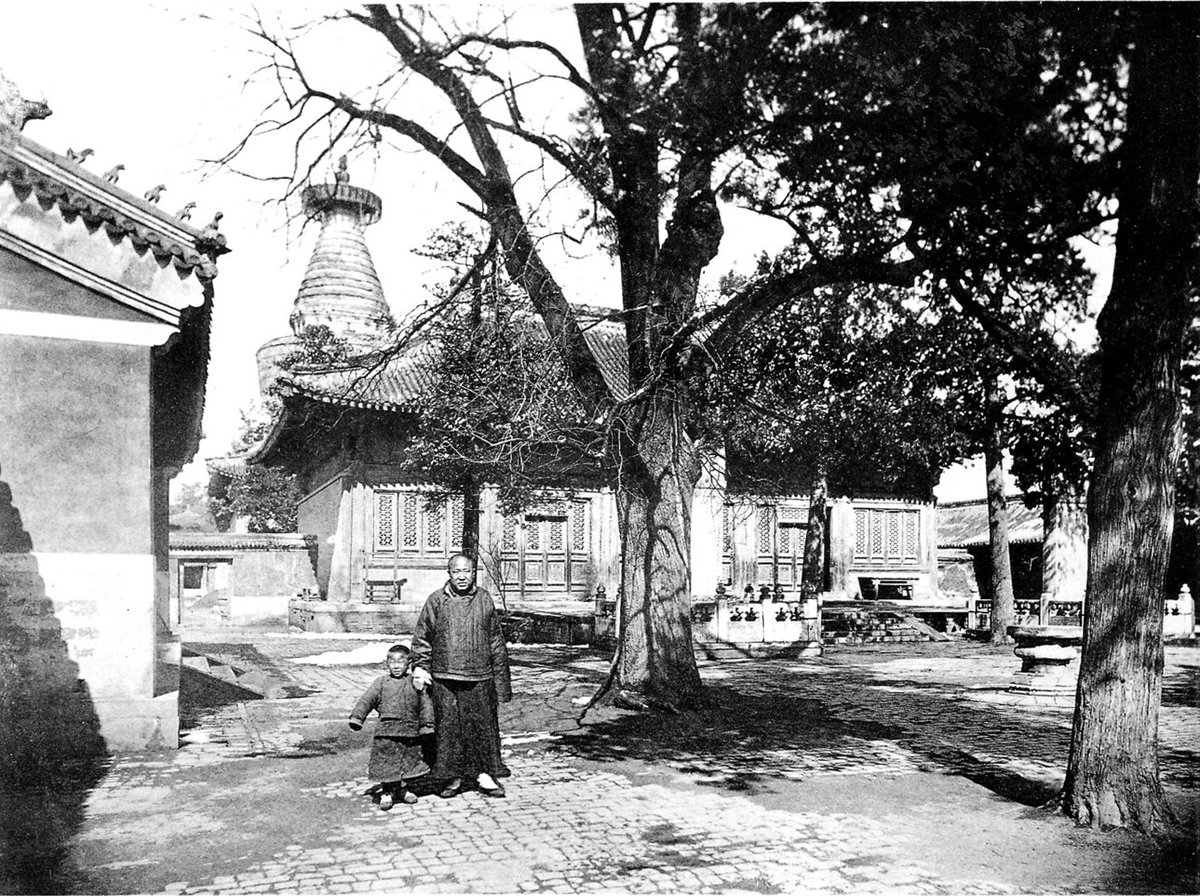
Spanning roughly 200 hectares, the North Garden is designed for public enjoyment and conservation outreach. It features 14 themed gardens, including the Peach, Rose, and Bonsai Gardens, as well as the Cherry Valley Natural Reserve, which preserves rare Metasequoia trees. The Exhibition Greenhouse—Asia’s largest—showcases tropical, desert, and other exotic plant collections. The historic Wofo Temple offers a tranquil setting and a glimpse into the site’s deep cultural roots (beijingwalking.com).
Visiting Hours and Ticket Information
North Garden:
- Peak Season (March–October): 6:00 AM – 9:00 PM
- Off-Peak (November–February): 6:30 AM – 7:00 PM
South Garden: 8:00 AM – 5:00 PM (year-round)
Tickets:
- General admission: 5–30 RMB depending on area and exhibitions
- Discounts: Students, seniors, and children (check current policies)
- Purchase: On-site or online via the official platform (advance booking recommended during festivals or holidays) (beijingwalking.com)
Accessibility and Visitor Services
- Wheelchair Accessibility The CNBG is wheelchair-friendly, with rental wheelchairs available and paved, accessible paths throughout main sections.
- Shuttle Buses Intra-garden shuttle buses help visitors navigate the vast grounds.
- Visitor Centers Provide maps, power bank rentals, and information (English signage available, though staff English proficiency may vary).
- Facilities Clean restrooms (Western and squat toilets), cafes, gift shops, rest areas, and picnic spots. (beijing-visitor.com)
Highlights, Attractions, and Recommended Routes
Thematic Zones and Main Attractions
- Ornamental Plant Zones Peony, Rose, Magnolia, and Cherry Blossom gardens—especially vibrant in spring.
- Arboretum and Ancient Trees Features rare and ancient species like dawn redwoods and ginkgo.
- Medicinal Plant Garden Over 1,000 species with educational signage.
- Conservatories/Greenhouses Tropical, desert, and subtropical flora on display all year.
- Cultural Sites Memorial Hall of Cao Xueqin and Wofo Temple.
Photographic and Walking Highlights
- Cherry Valley Natural Reserve Ideal for nature photography.
- Peony Garden Peak bloom in late spring.
- Exhibition Greenhouse Colorful displays year-round.
Suggested Route: Start in the North Garden for open landscapes and themed gardens in the morning, then transition to the South Garden for specialized plant collections and cultural sites in the afternoon.
Events and Festivals
- Peony Festival April–May
- Cherry Blossom Festival March–April
- Chrysanthemum Exhibition Autumn
- Orchid Exhibition Various dates
Festivals include floral displays, cultural performances, workshops, and family-friendly activities. Check the official website for schedules.
Travel Directions and Nearby Attractions
Address: No. 1, Xiangshan Road, Xiangshan, Haidian District, Beijing (between Fragrant Hills Park and Jade Spring Hill)
(chinatripedia.com)
Transport:
- Subway West Suburb Subway Line to National Botanical Garden Station
- Buses 318, 360, 505, 563, 698, and 932
Parking: Available near main entrances.
Nearby Attractions:
- Fragrant Hills Park (Xiangshan Park)
- Summer Palace
- Jade Spring Hill
Practical Tips for a Great Visit
- Best Seasons Spring (cherry blossoms, peonies), autumn (chrysanthemums, foliage)
- What to Bring Passport/ID, comfortable shoes, sun protection, reusable water bottle, umbrella/raincoat, translation apps, power bank
- Digital Payments Alipay and WeChat Pay are widely accepted
- Connectivity Consider a China eSIM or local SIM card for data
- Etiquette No tipping required, dispose of trash properly, and be respectful with photography
- Safety Security checks at entry; the garden is safe with staff on duty
Frequently Asked Questions (FAQ)
Q: What are the CNBG visiting hours?
A: North Garden: 6:00 AM–9:00 PM (peak), 6:30 AM–7:00 PM (off-peak); South Garden: 8:00 AM–5:00 PM (year-round). Always check the official website for updates.
Q: How much are tickets?
A: General admission ranges from 5 to 30 RMB. Discounts are available for eligible visitors.
Q: How can I buy tickets?
A: Purchase on-site or online. Advance booking is advised during peak times.
Q: Is the garden wheelchair accessible?
A: Yes, with accessible paths, shuttle services, and rental wheelchairs.
Q: Are guided tours available?
A: Yes, in both Chinese and English. Check availability at the visitor center or online.
Q: When is the best time to visit?
A: Spring and autumn offer the most vibrant plant displays and comfortable weather.
Q: Are there historical sites in the garden?
A: Yes, including the Memorial Hall of Cao Xueqin and Wofo Temple.
Final Tips and Recommendations
The China National Botanical Garden stands as a testament to China’s dedication to plant conservation, scientific innovation, and cultural preservation. Its dual-campus model offers both specialized research and public enjoyment, while accessibility features, guided tours, and rich amenities ensure a fulfilling visit for all types of travelers. For up-to-date information on hours, ticketing, and events, consult the official sources and consider using the Audiala app for enhanced planning. Embrace the opportunity to discover Beijing’s botanical gem—a living museum and a vibrant center for learning and relaxation.
Audiala2024