Plan and listen to Cheng'En Temple with Audiala.
Audio guide in your pocket, itinerary in your browser. Built for the way you actually visit.
Introduction
Cheng'En Temple (承恩寺) is a captivating testament to Beijing's Ming Dynasty heritage and Buddhist traditions. Located in the city’s Shijingshan District, this temple stands apart for its blend of spiritual, architectural, and political narratives. Renowned for its centuries-long secrecy and unique architectural features, Cheng'En Temple has recently undergone meticulous restoration and now incorporates advanced technologies to enhance the visitor experience. Whether you are a history buff, spiritual seeker, or cultural traveler, Cheng'En Temple offers a compelling journey into Beijing’s living history (Adequate Travel; TripChinaGuide).
Cheng'En Temple’s roots trace back to the Ming Dynasty, with the most significant reconstruction occurring between 1510 and 1513 under the Zhengde Emperor (Wikipedia). For over 500 years, the temple was largely closed to the public due to the “three prohibitions”—banning incense, ceremonies, and general access—fueling legends about imperial intrigue and surveillance (Youth.cn). Its unique status as a National Key Cultural Relics Protection Unit underscores its significance in China’s heritage landscape (VisitBeijing).
The temple survived periods of neglect, especially during the late Qing era and the Cultural Revolution, when many religious sites were damaged or repurposed. Since the 1980s, government-led restoration projects have returned Cheng'En Temple to its former glory, reviving its role as both a spiritual sanctuary and a cultural museum (ChinaTripedia).

Architectural Features
Layout and Unique Elements
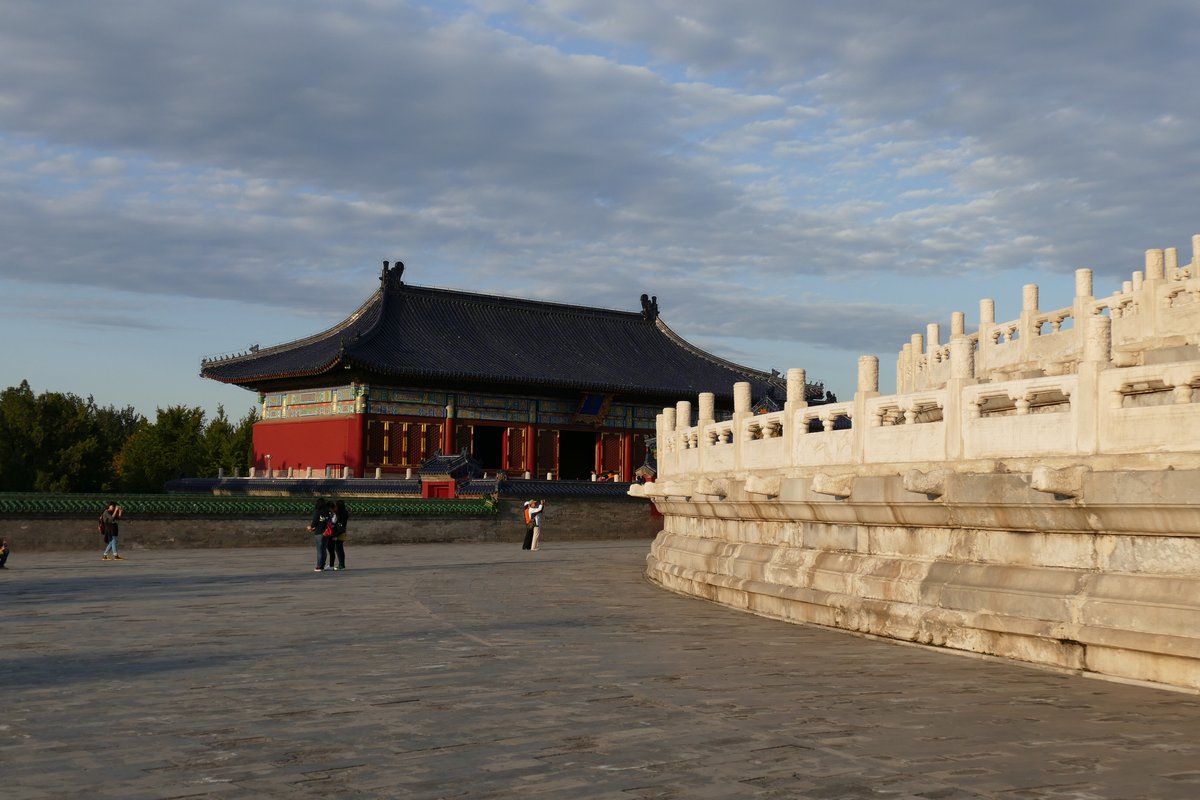
Cheng'En Temple’s design reflects Ming Dynasty ingenuity, featuring a rare “回” (huí) character-shaped courtyard, strategic watchtowers, and defensive architectural elements like arrow-slit windows. These features have led to speculation that the temple may have doubled as a base for the imperial secret police, the Jinyiwei (Youth.cn).
Notable Structures
- Daxiong Baodian (Main Hall): The spiritual center, showcasing Ming-era timber framing and elaborate bracket sets (Wikipedia).
- Clock and Drum Towers: Essential for marking time and regulating temple activity.
- Stone Buddha Statues: Exemplars of religious artistry from the Ming period.
- Hall of Heavenly Kings (Tianwang Dian): Home to original Ming dynasty murals, now digitally reproduced for preservation (Youth.cn).
- Ancient Ginkgo Trees: Over 700 years old, these trees create a stunning golden canopy in autumn, adding to the temple’s poetic ambiance (VisitBeijing).
Restoration and Modern Innovations
Conservation Efforts
Recent restoration has focused on structural reinforcement, conservation of delicate murals, and the revival of traditional craftsmanship, following strict guidelines from China’s State Administration of Cultural Heritage (Trip.com). Modern environmental controls and digital monitoring protect the temple’s fragile interiors.
Technological Enhancements
- AI Guide “Enen”: A holographic storyteller offering multilingual narratives (Youth.cn).
- Augmented Reality (AR): Immersive experiences reconstructing Ming-era temple life.
- Digital Murals: Nanoscale scanning enables visitors to view high-resolution replicas of ancient frescoes.
These initiatives not only enrich the visitor experience but also safeguard original artworks (Youth.cn).
Visiting Hours and Ticketing
- General Opening Hours: Daily, 9:00 AM – 5:30 PM (last entry at 4:30 PM). Some sources report earlier opening (8:00 AM); check official updates before your visit (Trip.com).
- Ticket Prices: Standard admission is 60 RMB. Discounts for seniors, students, and children with valid ID. During special exhibitions or events, additional fees may apply.
- Booking: Advance reservations required due to a daily visitor cap (600 per day). Book tickets via the official Shijingshan Culture and Tourism WeChat account or the Beijing tourism website (VisitBeijing).
- Payment: Mobile payments (Alipay, WeChat Pay) are preferred; cash accepted, but international credit cards are rarely used at smaller attractions.
How to Get There
- Subway: Line 1 to Pingguoyuan Station, then bus 956 or a short taxi ride.
- Alternative Subway: For the Xicheng District location (see note below), Line 4 or Line 7 to Caishikou Station, then a short walk (China Highlights).
- Taxi/Rideshare: Enter “Cheng'En Temple” or “承恩寺” for accurate navigation.
- Bicycle Parking: Available for eco-conscious travelers.
Note: There are references to two locations named Cheng'En Temple in Beijing—Shijingshan and Xicheng Districts. Confirm your destination before travel.
Best Time to Visit
- Season: Autumn (October–November) is ideal for the golden ginkgo foliage; spring (April–June) also offers pleasant weather (China Discovery).
- Weekdays/Mornings: Less crowded for a tranquil experience.
- Avoid: Major Chinese holidays, such as Spring Festival and National Day.
Visitor Facilities and Accessibility
- Restrooms: Basic, with some accessible options.
- Seating: Shaded rest areas throughout temple grounds.
- Accessibility: Barrier-free pathways and ramps at main entrances. Some areas have steps—contact staff for assistance.
- Amenities: Tea house, meditation room, free Wi-Fi, and first-aid station during opening hours.
Etiquette and Photography
- Dress Code: Modest attire—cover shoulders and knees.
- Conduct: Maintain silence, remove hats in main halls, do not interrupt rituals.
- Photography: Allowed outdoors; restricted or prohibited inside certain halls (especially for murals and sacred artifacts). Always observe posted signs (China Wink).
- Smoking: Prohibited on temple grounds.
Special Events and Cultural Experiences
- Festivals: Celebrations during Buddhist holidays such as Vesak and the Lantern Festival.
- Workshops: Calligraphy, incense making, and lectures on Buddhist philosophy.
- Guided Tours: Book in advance via official channels for deeper historical and cultural insights.
Nearby Attractions
- Lama Temple (Yonghegong): Major Tibetan Buddhist site nearby.
- Confucius Temple and Guozijian Museum: Explore Confucian heritage.
- Fayuan Temple, White Cloud Temple, Niujie Mosque: Other historic religious sites nearby.
- Wangfujing Street: For food, shopping, and local culture (RuQin Travel).
Frequently Asked Questions (FAQ)
Q: What are the opening hours?
A: Generally 9:00 AM – 5:30 PM, with last entry at 4:30 PM. Some sources report 8:00 AM openings; confirm before you go.
Q: How do I buy tickets?
A: Book in advance via WeChat or the Beijing tourism website. Onsite purchase may be available during non-peak times.
Q: Is Cheng'En Temple accessible for wheelchairs?
A: Most major areas are accessible, though some sections have steps.
Q: Are guided tours available?
A: Yes, book ahead via official channels or through local agencies.
Q: Can I take photos inside?
A: Photography is permitted in outdoor areas; flash and indoor photos are restricted.
Q: What is the best time to visit?
A: Weekday mornings in autumn or spring for the most scenic and peaceful experience.
Practical Tips for Visitors
- Carry your passport for ID and ticket purchases.
- Dress respectfully and observe temple etiquette.
- Bring cash or set up mobile payment apps for convenience.
- Use translation apps for effective communication.
- Check Beijing’s air quality and weather before visiting.
- Secure valuables and avoid bringing drones or politically sensitive materials.
Listen to the full story in the app
The whole Cheng'En Temple,
told well.
Listen to sourced travel stories with local history and practical context — ready offline.
Verified, and shown.
Researched and written by the Audiala editorial team from historical records, architectural archives, and local expertise.
Built from cited sources · see the method · How we make our guides →