Early Development of the Beijing Subway and Caishikou’s Role
The Beijing Subway began operations in the late 1960s, designed to connect key administrative and commercial areas. Caishikou Station, though not among the earliest, became a strategic addition due to its historical and commercial significance in Xicheng District. The station’s name, meaning "Vegetable Market Mouth," harkens back to its roots as a major trading and gathering spot (beijing-travels.com).
With the expansion of Lines 4 and 7, Caishikou now functions as a vital interchange, efficiently linking the city center to southwestern districts and serving both locals and tourists.
Historical Significance of the Caishikou Area
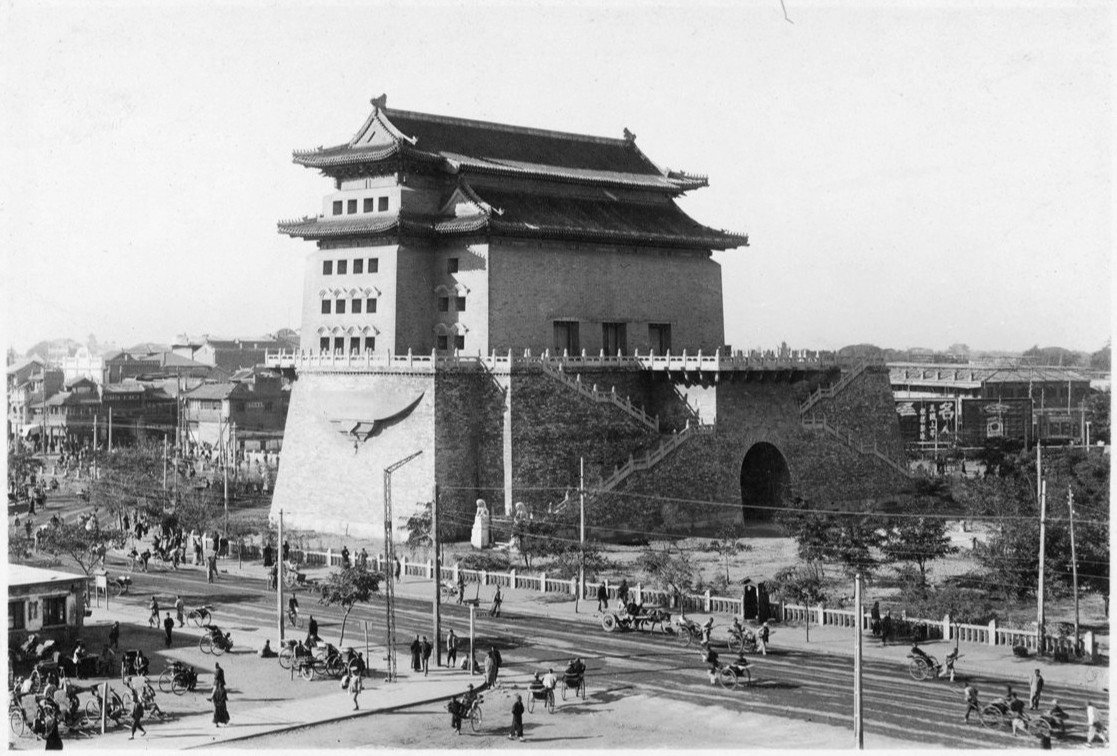
Caishikou’s layered history is marked by contrasts. During the Ming and Qing dynasties, its markets supplied essential goods to the city, while the infamous Execution Grounds drew crowds for somber spectacles. This dual legacy of commerce and public events has left an indelible mark on the area’s cultural memory (China Highlights).
Today, the neighborhood’s vibrancy is evident in its thriving markets, preserved hutongs, and multicultural communities, including a significant Hui Muslim presence centered around the Niujie Mosque.
Integration into the Subway Network
Modernization accelerated in the 21st century, with Caishikou Station opening in 2009 (Line 4) and expanding with Line 7 in 2014. The station’s design incorporates wide, well-lit platforms, bilingual signage, and accessibility features, reflecting Beijing’s commitment to efficient, inclusive transit (Visit Beijing). Caishikou is now a crucial hub for commuters and a starting point for tourists exploring Beijing’s historical heart.
Visiting Hours and Ticketing Information
- Operating Hours Daily from approximately 5:00 AM to 11:00 PM. Confirm current schedules during holidays or special events (Hey Roseanne).
- Ticketing Fares start at 3 RMB, increasing with distance. Purchase single-journey tickets at vending machines or use the Yikatong (Beijing Pass) for convenience and discounts. Payment methods include cash, Alipay, WeChat Pay, and contactless credit cards (Travel to East).
- Children Under 1.2 meters travel free with an adult.
Accessibility and Station Facilities
Caishikou Station is designed for universal access and convenience:
- Elevators, ramps, and tactile paving for mobility and visually impaired travelers.
- Multiple exits (A, B, C, etc.), clearly marked with English and Chinese signage.
- Customer service counters offering assistance and Yikatong card services.
- Restrooms, vending machines, and convenience kiosks.
- Digital displays providing real-time schedules and announcements.
- Mandatory security checks at entrances.
- Lost and found services available.
Nearby Attractions and Historical Sites
From Caishikou Station, visitors can easily reach several historical and cultural landmarks:
- Niujie Mosque The oldest and largest mosque in Beijing, renowned for its unique blend of Islamic and Chinese architecture.
- Fayuan Temple One of Beijing’s oldest Buddhist temples, offering a tranquil retreat.
- Temple of Heaven A UNESCO World Heritage site accessible via a short subway ride.
- Tiananmen Square and the Forbidden City Iconic sites located just 2–3 stops away.
- Huguang Guild Hall A historic theater and merchant meeting place.
- Traditional Hutongs Preserved alleyways reflecting Beijing’s historical urban fabric.
Cultural and Culinary Experiences
Caishikou’s markets and nearby streets offer a rich culinary and cultural scene:
- Sample Beijing snacks like douzhi (fermented mung bean drink), jianbing (savory crepes), and halal delicacies from Hui Muslim vendors.
- Explore street food stalls and traditional eateries.
- Wander hutongs for antiques, crafts, and souvenirs.
The area’s diverse communities and lively markets are a living testament to its market origins and multicultural heritage (Mandarin Zone).
Travel Tips and Practical Information
Navigation and Language:
- Bilingual signage is standard, but staff English proficiency varies—translation apps (Google Translate, Pleco) are helpful.
- Use subway maps (printed or via apps) for planning routes and finding exits.
- Avoid peak hours (7:00–9:00 AM, 5:00–7:00 PM) for a smoother commute.
Safety and Etiquette:
- Security screening is mandatory.
- Queue politely, offer seats to those in need, and keep noise low.
- Eating and drinking are prohibited on trains and platforms.
Connectivity:
- Strong mobile coverage; free Wi-Fi may require a Chinese phone number.
- Digital maps and real-time train info available via apps.
Accommodation Options
Caishikou’s central location offers a range of hotels:
- Luxury JW Marriott Hotel Beijing Central, Legendale Hotel.
- Mid-range Park Plaza Beijing Wangfujing, New World Beijing Hotel.
- Budget Hyde Courtyard Hotel, Jinjiang Inn.
Book ahead during spring and autumn peak seasons (RuQin Travel).
Seasonal Considerations
- Spring (March–May) Mild, cherry blossoms.
- Summer (June–August) Hot, humid; subway is air-conditioned.
- Autumn (September–November) Pleasant, ideal for sightseeing.
- Winter (December–February) Cold; subway is heated and reliable.
Niujie Mosque: History and Visitor Tips
History: Founded in 996 CE, Niujie Mosque is a core landmark of Beijing’s Muslim community. Its architecture showcases a harmonious blend of traditional Chinese and Islamic styles (China Highlights).
Visitor Tips:
- Hours 8:00 AM to 5:00 PM daily.
- Admission Free; donations appreciated.
- Guided Tours Available on-site or via local operators.
- Accessibility Ramps and accessible pathways provided.
- Etiquette Dress modestly and respect prayer times.
Etiquette, Safety, and Security
- Security personnel and CCTV ensure safety; violent crime is rare, though petty theft can occur during busy periods.
- Emergency contacts Police (110), Ambulance (120), Fire (119).
- Carry hotel cards for assistance in emergencies.
Frequently Asked Questions (FAQ)
Q: What are Caishikou Station’s opening hours?
A: 5:00 AM to 11:00 PM daily.
Q: How much do tickets cost?
A: Between 3–7 RMB, depending on distance. Yikatong card offers discounts.
Q: Is Caishikou Station accessible for travelers with disabilities?
A: Yes, with elevators, ramps, tactile paving, and accessible restrooms.
Q: How do I reach Niujie Mosque?
A: Exit Caishikou Station via the exit closest to Niujie Street; it’s a 5-minute walk.
Q: Are there guided tours available?
A: Yes, especially for Niujie Mosque and nearby hutongs—book in advance for English-speaking guides.
Discover More
Caishikou Station is more than a transit point—it is a bridge between Beijing’s storied past and its cosmopolitan present. With easy access to historic sites, vibrant markets, and multicultural communities, it offers a rewarding experience for all visitors. Make the most of your trip by planning ahead, using helpful travel apps, and immersing yourself in the rich cultural landscape of Xicheng District.
For real-time subway updates, route planning, and travel tips, download the Audiala app. Explore more comprehensive Beijing guides and stay in touch via our social media channels for the latest information and inspiration.