
About Beijing National Stadium
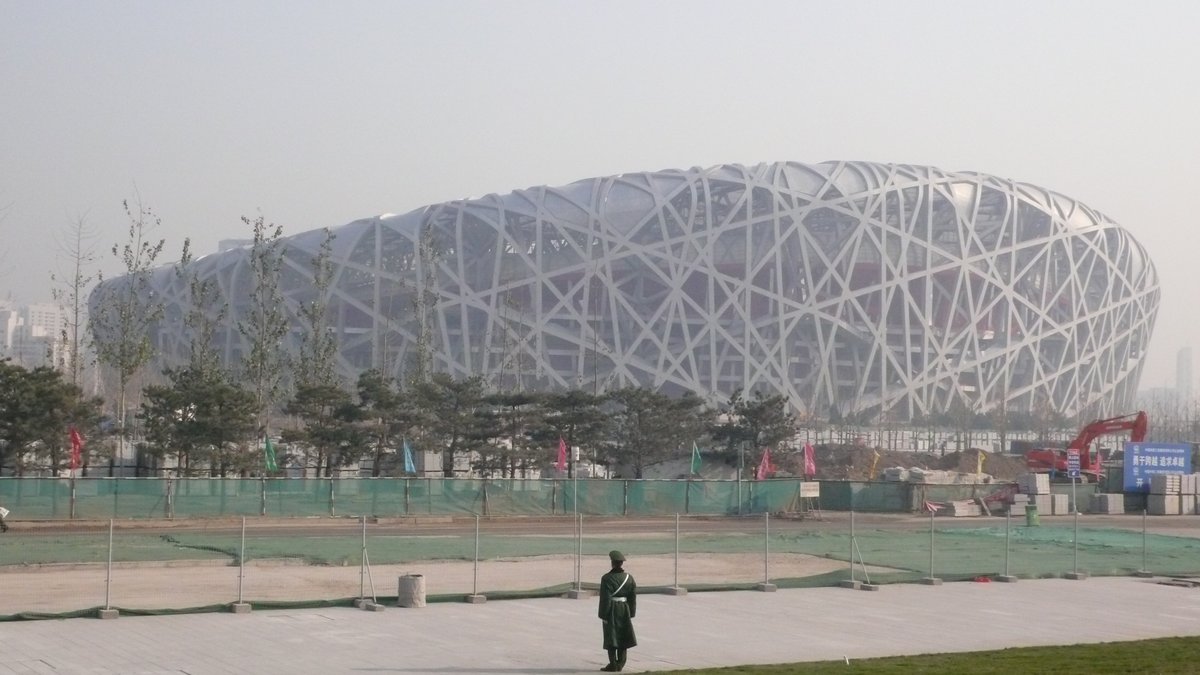
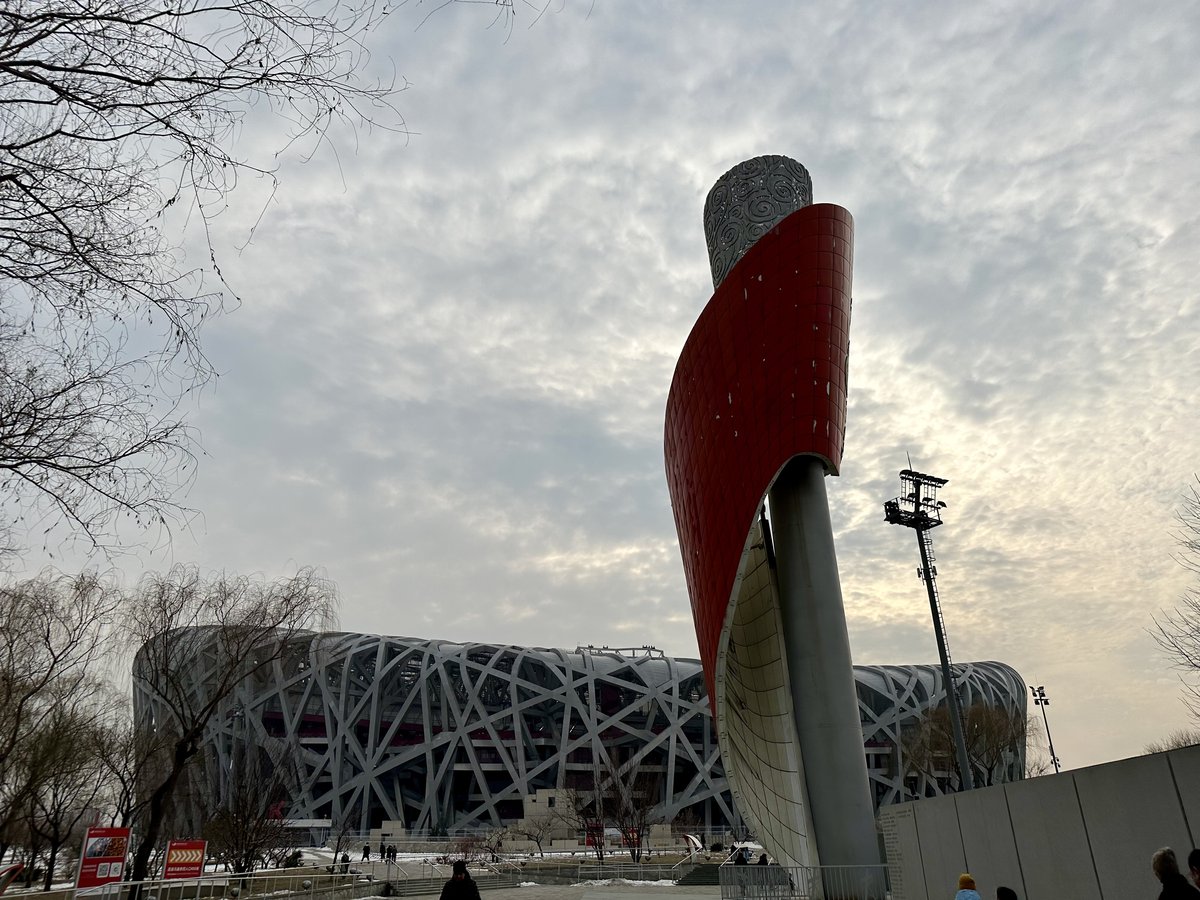
The Beijing National Stadium, commonly known as the “Bird’s Nest,” is a landmark of modern Chinese architecture and engineering. Designed by Swiss firm Herzog & de Meuron in collaboration with the China Architecture Design & Research Group and artist Ai Weiwei, its distinctive lattice of 42,000 tons of steel resembles a bird’s nest and symbolizes cradle and nurturing (chinatripedia.com, britannica.com).
Built as the centerpiece of the 2008 Summer Olympics, the stadium has since hosted sports events, concerts and cultural performances. It was the first stadium to host the opening and closing ceremonies of both the Summer and Winter Olympics (kidadl.com). It is now a major visitor attraction in Beijing.
History
Design and construction
The stadium was conceived as part of Beijing’s bid to host the 2008 Summer Olympics. Herzog & de Meuron won the design competition with a proposal developed with the China Architecture Design & Research Group and Ai Weiwei.
Construction began in December 2003 and was completed in March 2008. The stadium covers 258,000 square meters. Its intricate steel lattice provides structural support as well as its distinctive appearance. The stadium initially had a seating capacity of 91,000; this was reduced to 80,000 after the Olympics.
Olympic Games and later use
The Bird’s Nest hosted the opening and closing ceremonies and track and field events at the 2008 Summer Olympics. Directed by Zhang Yimou, the opening ceremony showcased Chinese culture and technology and was watched by an estimated 4 billion people worldwide.
After the Games, the stadium continued as a multipurpose venue for football matches, athletics competitions, concerts and cultural events. It hosted the World Athletics Championships in 2015. During the 2022 Winter Olympics, it hosted the opening and closing ceremonies, becoming the first stadium to host ceremonies at both the Summer and Winter Olympics.
In recent years, the Bird’s Nest has continued to serve as a sports and cultural venue. A recent report says it hosted approximately 100 cultural and sports events over the preceding two years, attracting more than 3 million visitors. Nearly 30 top international events and concerts were scheduled for 2024, with some bookings extending to 2026.
Architectural and cultural significance
The interwoven steel beams create a sense of movement and dynamism. The open lattice allows natural ventilation and light. The stadium has received numerous architectural awards and is regarded as a landmark of contemporary architecture.
It has become a cultural icon in China and internationally, and a symbol of China’s emergence as a global power and its capacity to host major events. The Bird’s Nest has also featured in films, documentaries and publications.
What to see
Visitors can take in the stadium’s distinctive steel lattice and its scale: the structure uses 42,000 tons of steel and covers 258,000 square meters. The venue’s history includes the 2008 Summer Olympics, the 2015 World Athletics Championships and the 2022 Winter Olympics.
Guided tours offer an in-depth look at the stadium’s design and history. Concerts, exhibitions and sports events are also held there.
Practical visiting information
Tickets
Tickets can be purchased online or at the venue. Prices vary depending on the type of access and events. Check the official website for current prices and availability.
Visiting hours
The stadium is generally open from 9:00 AM to 5:00 PM. Hours may vary depending on scheduled events, so confirm them beforehand.
Location and transport
The address is 1 Guo Jia Ti Yu Chang Nan Lu, Chao Yang Qu, Beijing, China, 100101. Several bus and subway lines serve the area. The nearest subway station is Olympic Sports Center Station on Line 8.
Accessibility and tours
Facilities for visitors with disabilities include ramps, elevators and designated seating areas. Guided tours are available and cover the stadium’s design and history. The venue also regularly hosts special events, including concerts, exhibitions and sports events.
Tips
Check the official website for current ticket prices and availability, and confirm opening hours before your visit because scheduled events may affect them.
Nearby places
Nearby attractions include the Beijing National Aquatics Center (Water Cube), the China Science and Technology Museum and Olympic Forest Park.
FAQ
What are the opening hours of Beijing National Stadium?
The general hours are 9:00 AM to 5:00 PM. They may change because of scheduled events, so confirm before visiting.
How much do Bird’s Nest tickets cost?
Prices vary depending on the type of access and events. Check the official website for current pricing.
Are guided tours available?
Yes. Guided tours cover the stadium’s design and history.
Is the Bird’s Nest accessible for visitors with disabilities?
Yes. The stadium has ramps, elevators and designated seating areas.