Historical Background and Evolution
Establishment and Early History
Beijing Municipal Prison was established on March 31, 1909 by the Qing dynasty Board of Law, as part of sweeping reforms to modernize China’s penal system (Wikiwand). Initially, it embodied late imperial penal philosophies focused on containment and basic rehabilitation, adapting through the Republican era and the founding of the People’s Republic of China.
Relocation and Modernization
In the 1980s, the prison began a major transformation. Construction of a new, purpose-built facility in Daxing District commenced in 1982 and was completed in 1994. The move aimed to upgrade living and working conditions, and to expand the prison’s capacity and vocational programs (Wikiwand). By 2006, the population reached approximately 1,600 male inmates, rising to nearly 2,000 by 2009.
Administration and Inmate Profile
Beijing Municipal Prison is managed by the Beijing Municipal Administration of Prisons, under the Beijing Bureau of Justice (Beijing Municipal Bureau of Prisons). The prison primarily houses male inmates serving sentences of 15 years or more, often for serious offenses or under “special circumstances.” The inmate population fluctuates with trends in crime and justice policy, but the facility is consistently focused on long-term incarceration (Wikiwand).
Oversight includes a warden, People’s Police staff, and legal supervision from a Procurator’s Office. Prisoner segregation and treatment comply with national laws, including specific regulations for juvenile and female inmates (Wikipedia: Penal system in China).
Industrial and Labor Programs
A defining feature of Beijing Municipal Prison is its extensive labor and vocational training system. The prison operates 18 workshops, ranging from automobile and steel manufacturing to clothing, toys, and paper products (Wikiwand). Inmates are trained in diverse industrial skills—including metalworking, welding, assembly, and sewing—intended to facilitate post-release employment and rehabilitation. Labor performance can impact sentence reduction and rewards.
This “reform through labor” philosophy is rooted in China’s penal history and is a subject of both domestic policy and international discussion (Wikipedia: Penal system in China).
Facilities and Layout
The Daxing facility is a modern, self-contained complex with secure housing units, administrative offices, industrial workshops, and staff support areas. While detailed architectural plans are not public, the design prioritizes security, surveillance, and the integration of vocational programs with daily inmate routines (Wikiwand).
Role in Beijing’s Penal System
Beijing Municipal Prison is a central institution within the municipal correctional system, distinct for its focus on long-term incarceration and industrial production. It operates alongside other facilities, such as Beijing Municipal No. 2 Prison, which primarily houses foreign nationals and short-term detainees (DBpedia). The prison’s evolution reflects broader trends in Chinese criminal justice, including increasing professionalization and the emphasis on rehabilitation through labor.
Accessibility and Visitor Information
Can You Visit Beijing Municipal Prison?
No. The prison is a secure correctional facility and is not open to public tourism or casual visits. Only authorized individuals—such as legal representatives, immediate family members, and select researchers—may apply for visitation, which is tightly regulated (Beijing Municipal Bureau of Prisons).
Visiting Protocols
- Application Required All visits require prior application and approval.
- Strict Security Visitors undergo identity verification, searches, and must comply with dress codes and behavioral standards.
- No Photography Cameras, phones, and recording devices are forbidden.
- Access for Foreign Nationals Typically, foreign nationals are detained at Beijing Municipal No. 2 Prison, which has distinct visitation policies (Wikipedia - Beijing Municipal No. 2 Prison).
Location and Transportation
The prison is located in Daxing District, accessible by public transport, but the exact address is not advertised for security reasons. Authorized visitors must receive detailed directions from the administration (Ruqin Travel).
Legal and Ethical Considerations
- Legal Restrictions Unauthorized access, photography, or dissemination of information about the prison may result in fines, detention, or prosecution (Prison Law of the People’s Republic of China).
- Foreign Nationals Subject to the same laws and risks as Chinese citizens; unauthorized attempts to visit the facility may lead to questioning or deportation.
- Ethical Conduct Respect the privacy of inmates and staff. Avoid public criticism or sensitive discussions about prison conditions, especially as a foreign visitor (China Daily).
Alternatives and Related Attractions
For those interested in China’s legal and penal history:
- Beijing Prison Museum Public exhibits on the history of incarceration in China.
- Beijing Police Museum Explores the evolution of law enforcement.
- Capital Museum and China National Museum Contextualize legal reforms and social change.
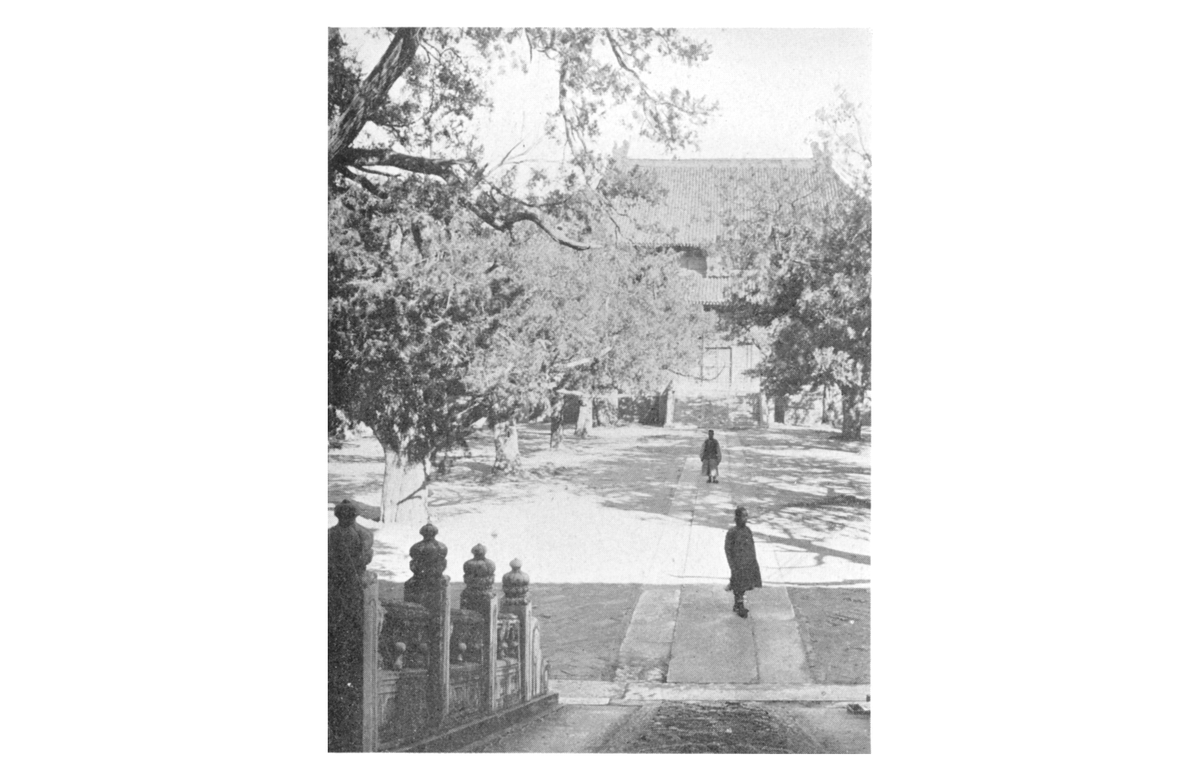
- Tongzhou Confucian Temple Offers insights into traditional foundations of Chinese law (Ruqin Travel).
These venues are accessible and provide educational value without the legal and ethical complexities of visiting an active prison.
Practical Travel Tips
- Stay on public roads and do not approach the prison perimeter.
- Avoid any form of photography or videography near the facility.
- Carry valid identification at all times in Beijing.
- If questioned by authorities, remain polite, comply with requests, and contact your embassy if needed (Hey Roseanne).
- Research local laws before visiting any sensitive site.
Frequently Asked Questions (FAQ)
Q: Can I visit Beijing Municipal Prison as a tourist?
A: No. Visits are strictly limited to authorized individuals; there are no public tours or tickets.
Q: Where is Beijing Municipal Prison located?
A: In Daxing District, Beijing. The specific address is not publicly available.
Q: How can family members visit inmates?
A: Through advance application, identity verification, and under strict supervision.
Q: Are there any alternatives for learning about China’s penal system?
A: Yes. Museums such as Beijing Prison Museum and Beijing Police Museum offer accessible insights.
Q: What happens if I attempt unauthorized entry or photography?
A: Legal penalties may include fines, detention, or deportation. Always respect local regulations.