Beijing Anzhen Hospital is a cardiovascular and thoracic medical center in Beijing’s Chaoyang District. Affiliated with Capital Medical University and designated the National Clinical Research Center of Cardiovascular Diseases, it combines clinical care, research, education and international collaboration. This guide covers the hospital’s history and facilities, practical visiting information, and Beijing attractions including the Forbidden City.
History and significance
Beijing Anzhen Hospital
Beijing Anzhen Hospital opened in April 1984 as a specialized center for heart and lung diseases. It was established in partnership with the Beijing Institute of Heart, Lung & Blood Vessel Diseases, founded in 1981. The hospital is at No. 2 Anzhen Road.
Its 1991 affiliation with Capital Medical University strengthened its role in medical education and multidisciplinary healthcare. In 2014, it was named the National Clinical Research Center of Cardiovascular Diseases.
The hospital played a role in the 2008 Beijing Olympic Games, providing emergency and specialty medical care for athletes and international visitors. It is also a teaching hospital of Capital Medical University and hosts the Key Laboratory of Remodelling-Related Cardiovascular Diseases and the Beijing Institute of Heart, Lung & Blood Vessel Diseases. Faculty contribute to scientific publications, clinical trials and national healthcare policy.
The Forbidden City
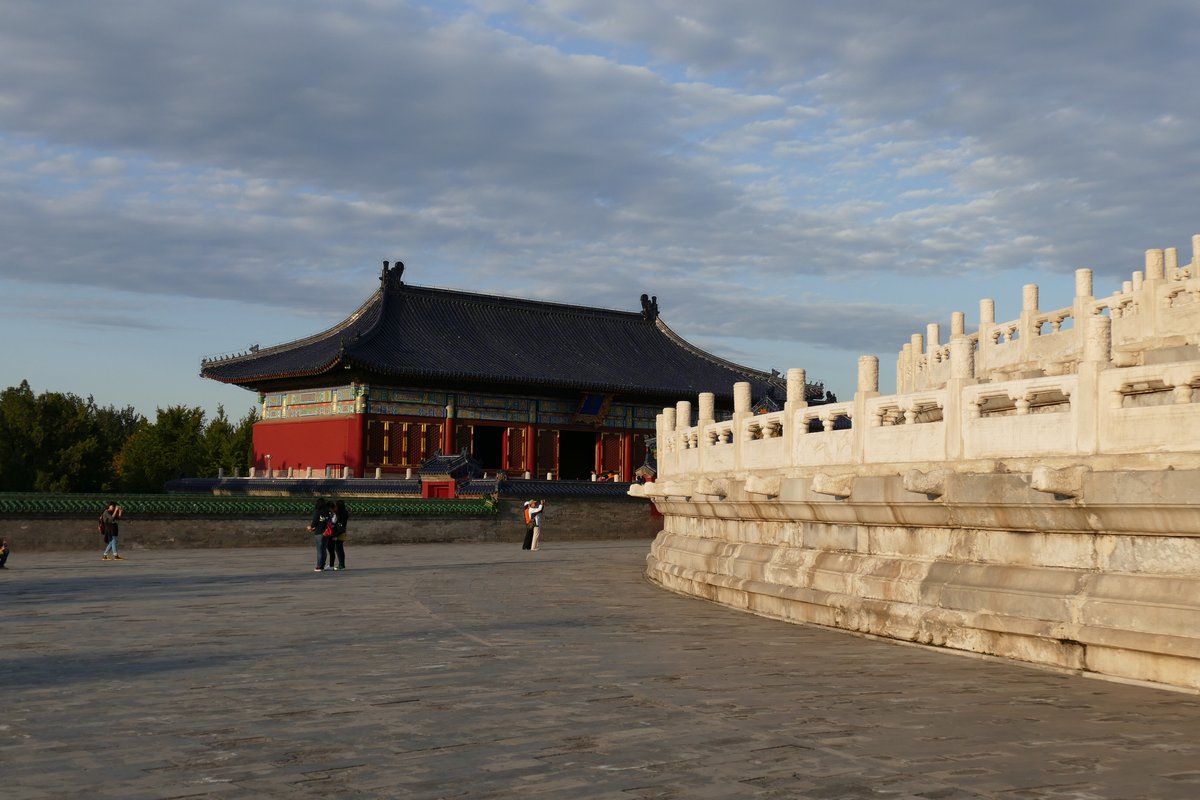
The Forbidden City, also called the Palace Museum, served as home to 24 emperors during the Ming and Qing dynasties. Built between 1406 and 1420, it was the seat of Chinese power for nearly five centuries. Its nearly 1,000 buildings and 180-acre grounds are examples of traditional Chinese palatial architecture and feng shui design, and symbolize imperial authority and cosmic order. The complex is a UNESCO World Heritage Site.
What to see and explore
Beijing Anzhen Hospital
Anzhen Hospital is known for cardiac surgery and interventional cardiology. It conducts over 9,000 cardiac surgeries annually, including more than 3,700 coronary artery bypass grafts (CABG), as well as nearly 19,000 coronary angiograms and over 9,200 angioplasty procedures. It is also a leader in heart and lung transplantation.
The hospital’s main campus houses clinical, research and administrative services, with specialized facilities for cardiovascular and thoracic diseases. Its medical technology includes MRI, CT and PET-CT imaging, specialized cardiac catheterization labs, web-based appointments, electronic medical records and mobile health platforms.
Reported capacity figures include more than 1,100 inpatient beds and over 1,500 beds, including 211 intensive care beds. Descriptions also report 55 ICU beds. The hospital has 20 or 31 advanced operating theaters with laminar flow systems. Staffing figures include approximately 2,700 staff, more than 300 senior professionals, and more than 4,000 staff, including 600+ senior professionals. It operates 43 clinical and technical departments.
A recently completed 58,000-square-meter clinic wing serves outpatient care. The Tongzhou Campus, which opened in late 2024, has a “one-minute walking circle” layout, color-coded zones (A–D) and a one-stop outpatient center. Its features include color-coded signage and English wayfinding. A Hefei branch is under construction in Anhui Province and is expected to add 1,000 beds by the end of 2025.
The Forbidden City
Visitors can explore the imperial palace’s historic buildings and grounds. Special exhibitions and cultural events are held throughout the year.
Practical visiting information
Beijing Anzhen Hospital
- Visiting hours Generally 9:00 AM–5:00 PM, Monday through Saturday. Check the official hospital website or call ahead for department-specific schedules.
- Tickets and admission There is no entry fee for public areas. Access to teaching or research facilities may require prior approval.
- Public transport and accessibility The hospital is described as accessible by subway and bus routes, with multiple bus lines and subway stations serving the area. Barrier-free facilities and wheelchair services are available.
- Tours Guided tours for medical students and professionals are occasionally available by appointment or prior arrangement.
- Services One-stop service centers assist with registration, insurance and reporting. Digital appointment and queue systems are used to support patient flow. Waiting areas have digital queue displays and amenities.
The hospital reports high surgical success rates in cardiovascular and thoracic procedures. Multidisciplinary teams coordinate care, including rehabilitation. National surveys report over 80% positive ratings, especially for clinical care. The hospital also continues efforts to improve environmental comfort, communication, social services and wait times.
English signage and international wayfinding support are available at the Tongzhou Campus. One-stop centers assist with insurance, though additional language support may be needed. The hospital maintains cleanliness and safety standards and provides comfortable waiting areas.
The Forbidden City
- Hours Tuesday–Sunday, 8:30 AM–5:00 PM, with last entry at 4:10 PM. Closed Mondays except on national holidays.
- Tickets 60 RMB from April–October and 40 RMB from November–March. Tickets must be purchased online in advance through the official Palace Museum website or approved platforms.
- Tours and audio guides Guided tours are offered in several languages. Audio guides are available for rent. Guided tours are available for an additional fee and are not included in the ticket price.
- Accessibility Wheelchair access and rentals are available, though some historical areas may be challenging to navigate.
- Photography Allowed in most outdoor areas; restricted in some exhibition halls.
- Food Limited snacks are available inside.
Tips
For a visit to Anzhen Hospital:
- Book appointments online or via the mobile app in advance.
- Arrive early, especially at the Tongzhou Campus, to allow time for registration and navigation.
- Bring a Chinese-speaking companion or arrange translation services if needed.
- Confirm insurance coverage in advance and carry necessary documentation.
- Bring personal comfort items such as water, snacks and phone chargers.
For a visit to the Forbidden City, early arrival is recommended. Comfortable shoes, water, sun protection and a portable charger are listed as useful essentials. Early weekday mornings and off-peak seasons are suggested as times to visit. Supervision is recommended for children.
Nearby places
The hospital’s Chaoyang District location makes it convenient to visit the 798 Art District, known for contemporary art and galleries, and Olympic Park, which features venues from the 2008 Games. Other cultural landmarks in the area include temples, parks and museums.
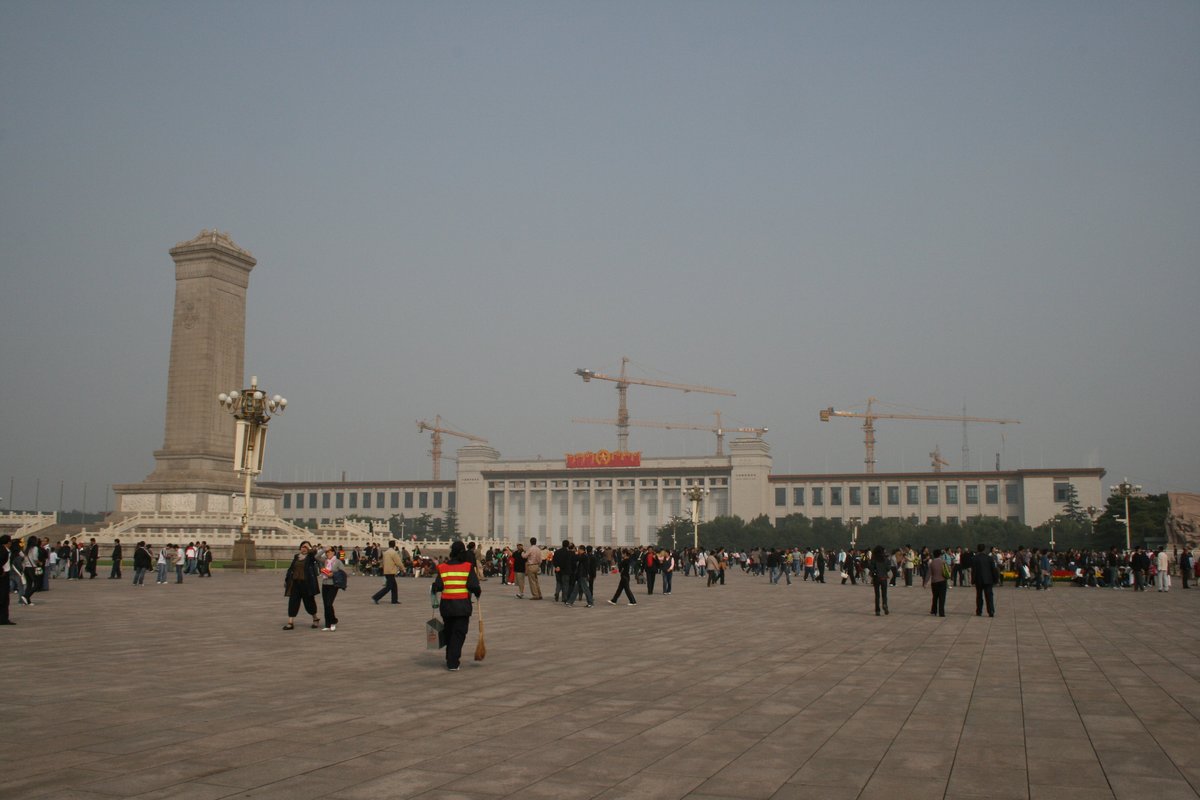
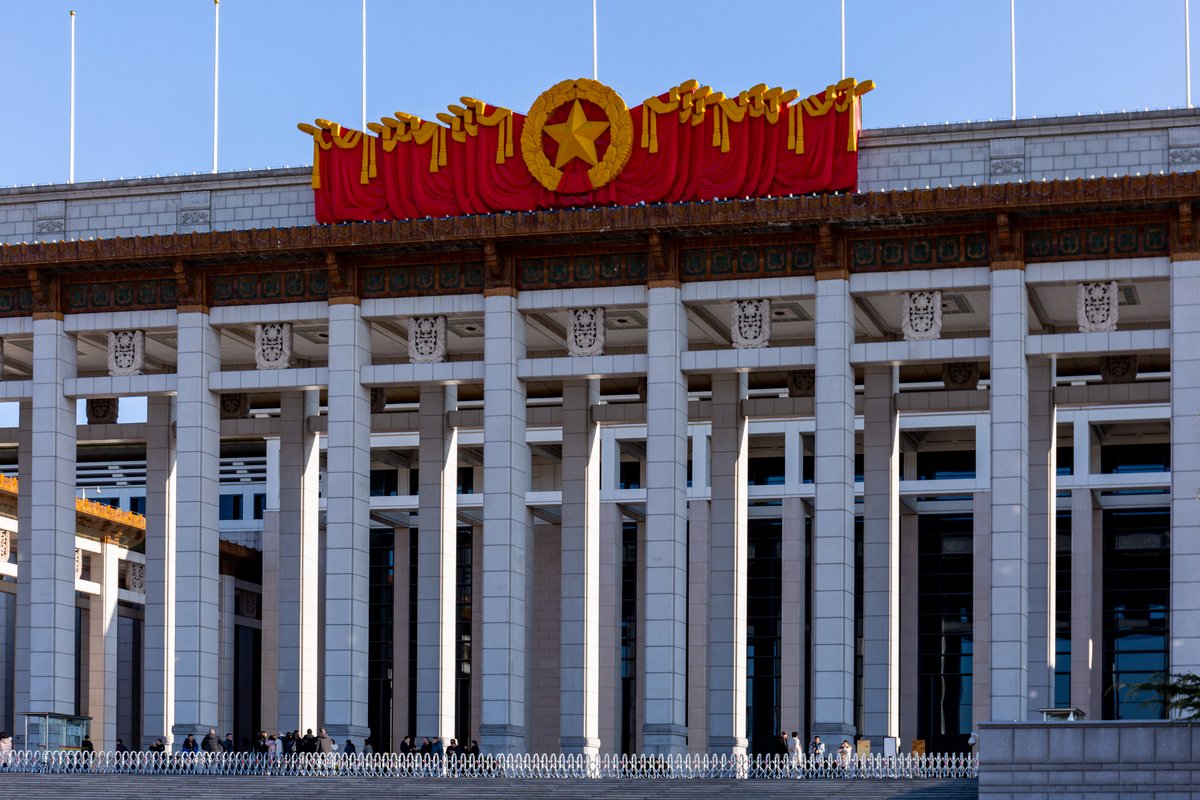
The Forbidden City is close to Tiananmen Square, Jingshan Park, which offers panoramic views, and the National Museum of China. Cafes and shops are located nearby.
Frequently asked questions
Beijing Anzhen Hospital
What are the visiting hours at Beijing Anzhen Hospital?
Generally 9:00 AM–5:00 PM, Monday to Saturday. Check the hospital’s website for current details.
Is a ticket required to visit?
No ticket is needed for public areas. Access to certain facilities may require prior permission.
How do I get there by public transport?
Multiple bus lines and subway stations in Chaoyang District serve the hospital.
Are there guided tours?
Tours are available mainly for medical professionals and students by prior arrangement.
What historical sites are nearby?
The 798 Art District, Olympic Park and other cultural sites are within easy reach.
The Forbidden City
Can I buy tickets at the entrance?
No. Tickets must be purchased online in advance.
Is the Forbidden City suitable for children?
Yes, but supervision is recommended.
Are guided tours included in the ticket price?
No. They are available for an additional fee.
Are there food facilities inside?
Limited snacks are available. Plan to eat before or after your visit.