Plan and listen to Bayi Building with Audiala.
Audio guide in your pocket, itinerary in your browser. Built for the way you actually visit.
Introduction
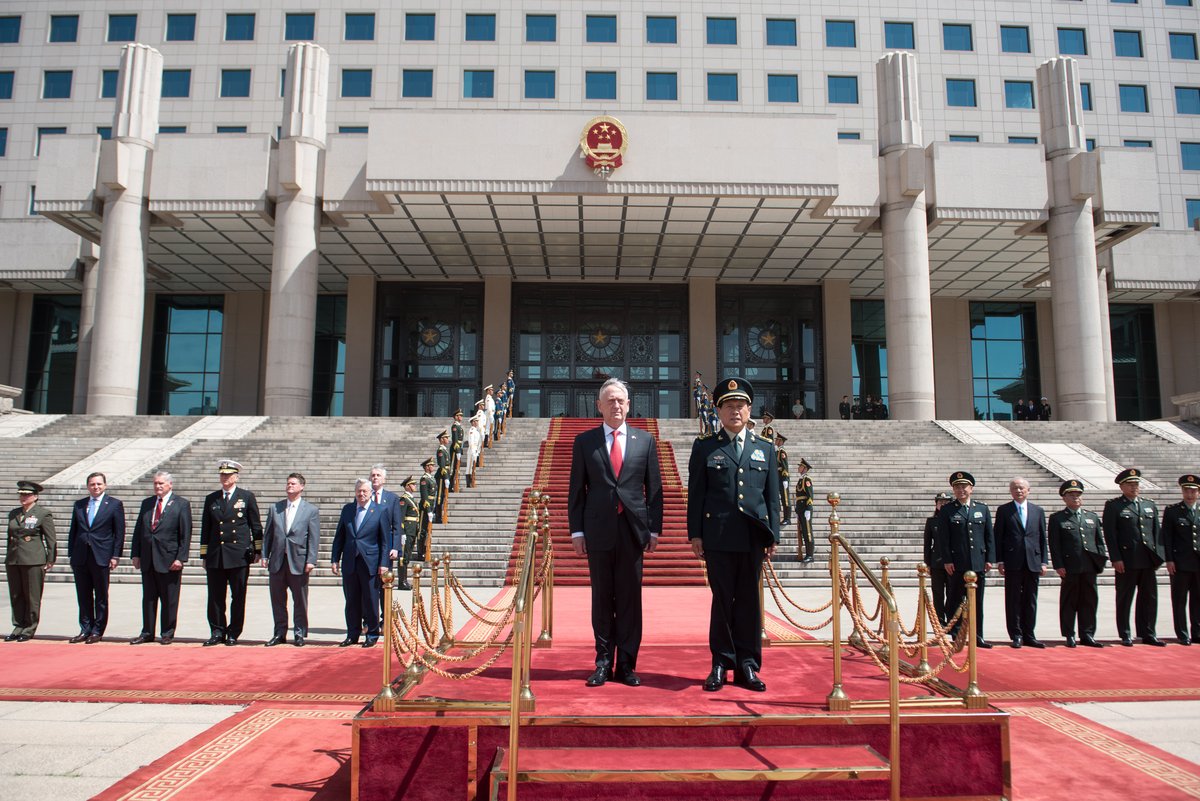
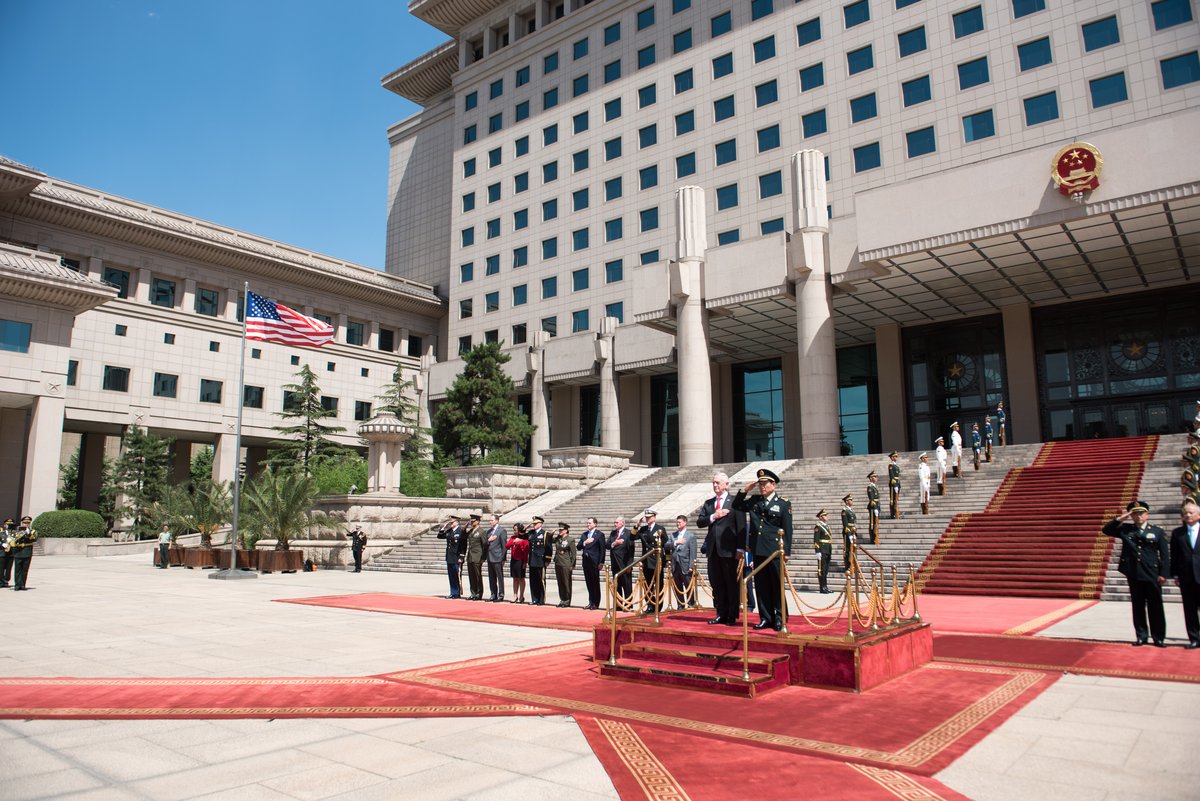
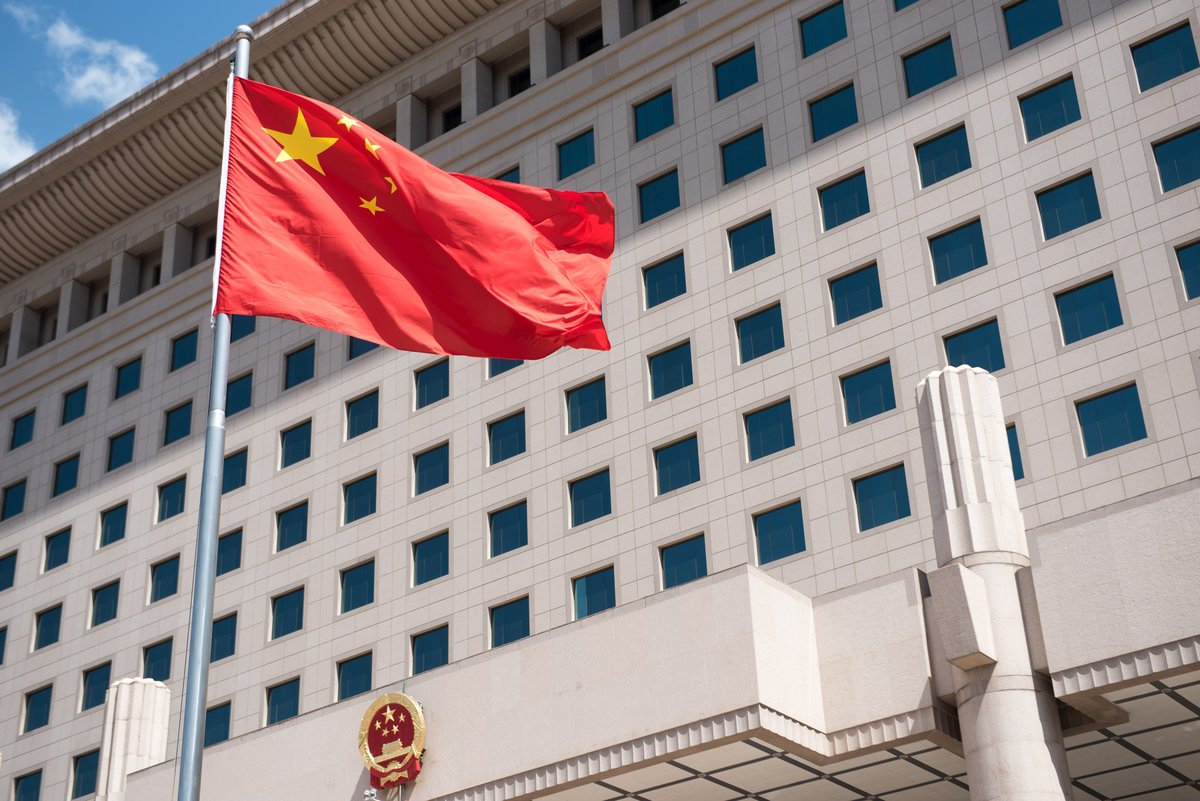
The Bayi Building (八一大楼), located in Beijing’s Haidian and Xicheng Districts, stands as a monumental testament to China’s military heritage and political evolution. Named after August 1st—the founding date of the People’s Liberation Army (PLA) in 1927—this imposing structure serves as the operational headquarters of the Central Military Commission and the Ministry of National Defense. While the building itself is not accessible to the general public, its architectural grandeur and the significance of its location make it a key point of interest for visitors seeking to understand Beijing's military and political landscape. This guide offers a detailed overview of the Bayi Building's history, architecture, visitor information, and nearby attractions, ensuring you make the most out of your visit to this important area.






Historical Context and Significance
Origins and Construction
The Bayi Building was conceptualized during a period of national consolidation and military modernization in the late 1950s and early 1960s. Its name, "Bayi," refers to August 1st, the anniversary of the PLA’s founding in 1927, and underscores its role in commemorating China's military legacy. Built as the primary headquarters for the Central Military Commission and the Ministry of National Defense, the Bayi Building became a symbol of the newly established People’s Republic of China’s strength and unity (Mapcarta, ArchDaily, Ruqin China Travel).
Architectural Features
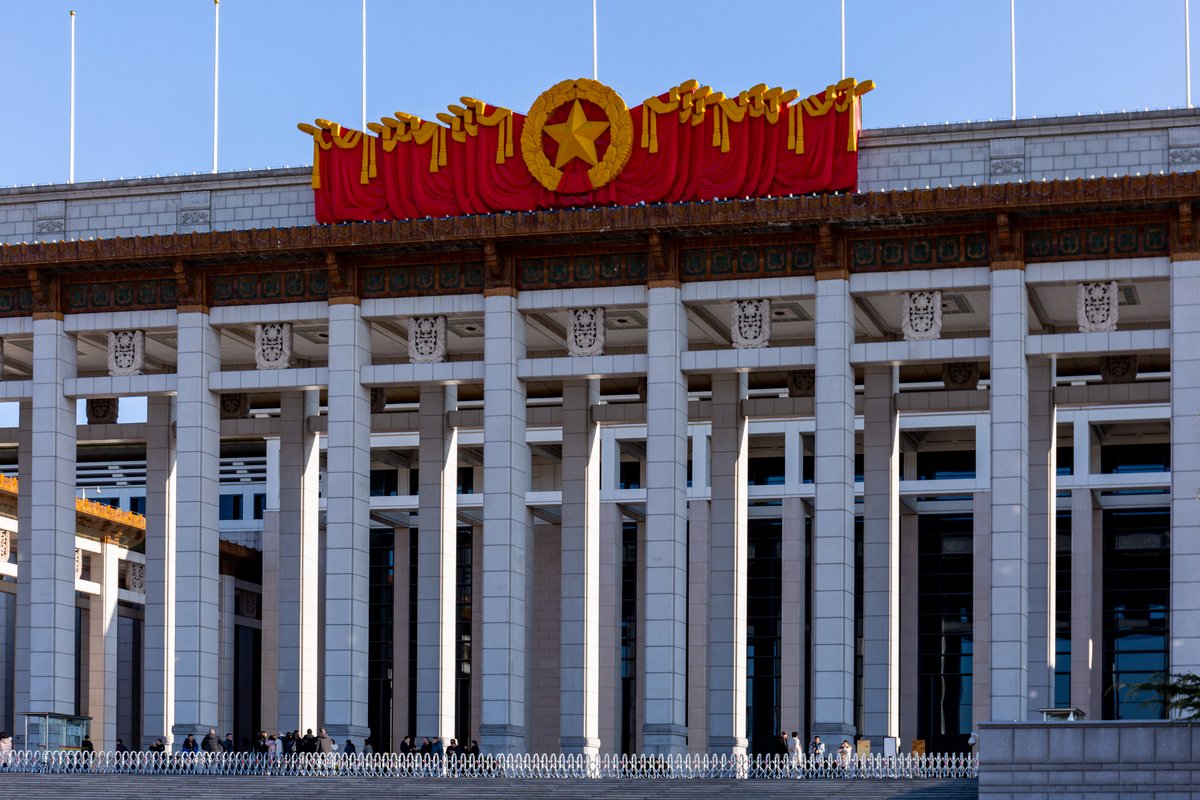
The Bayi Building reflects a blend of Soviet monumentalism and traditional Chinese motifs, evident in its grand symmetrical façade, colonnaded portico, and decorative reliefs. Constructed with reinforced concrete and steel frameworks, the structure is designed to convey authority, permanence, and resilience. The central tower and imposing entrance further symbolize its importance as a seat of military command. Bas-relief carvings, such as the PLA emblem and August 1st motifs, reinforce its commemorative purpose (ArchDaily).
Political and Cultural Importance
Symbol of National Power
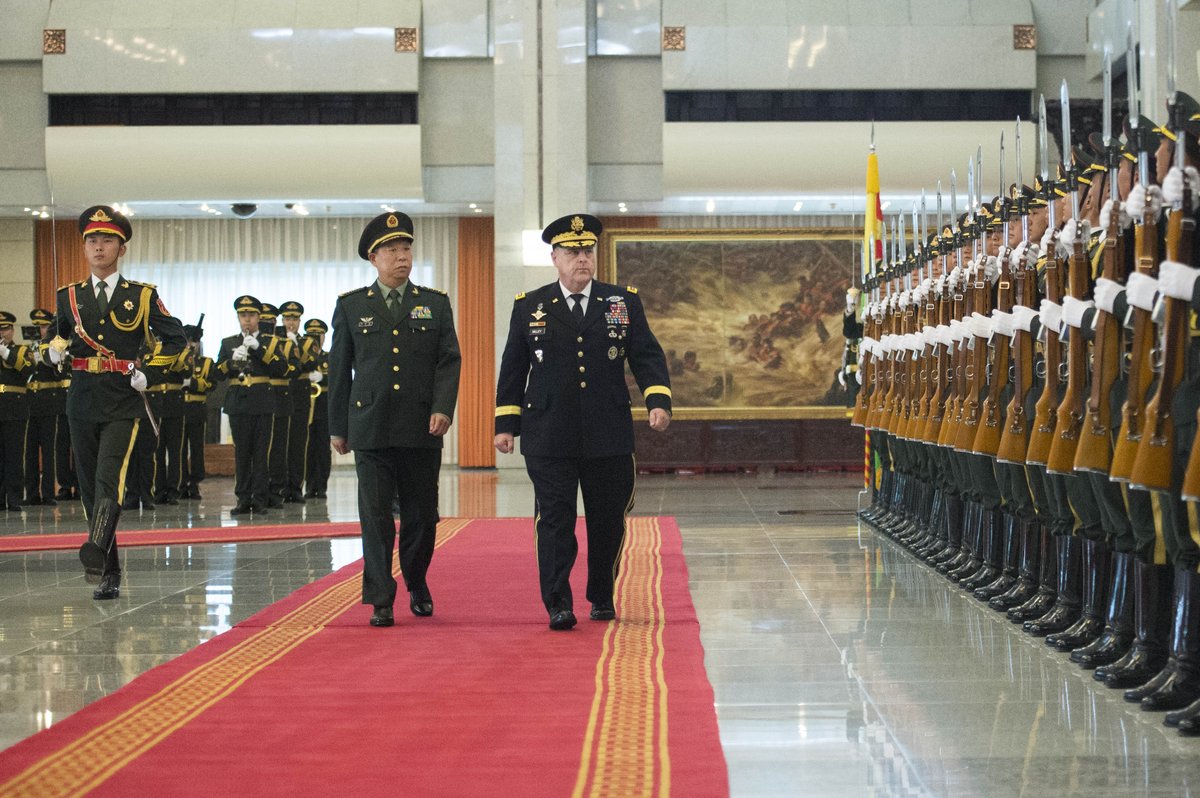
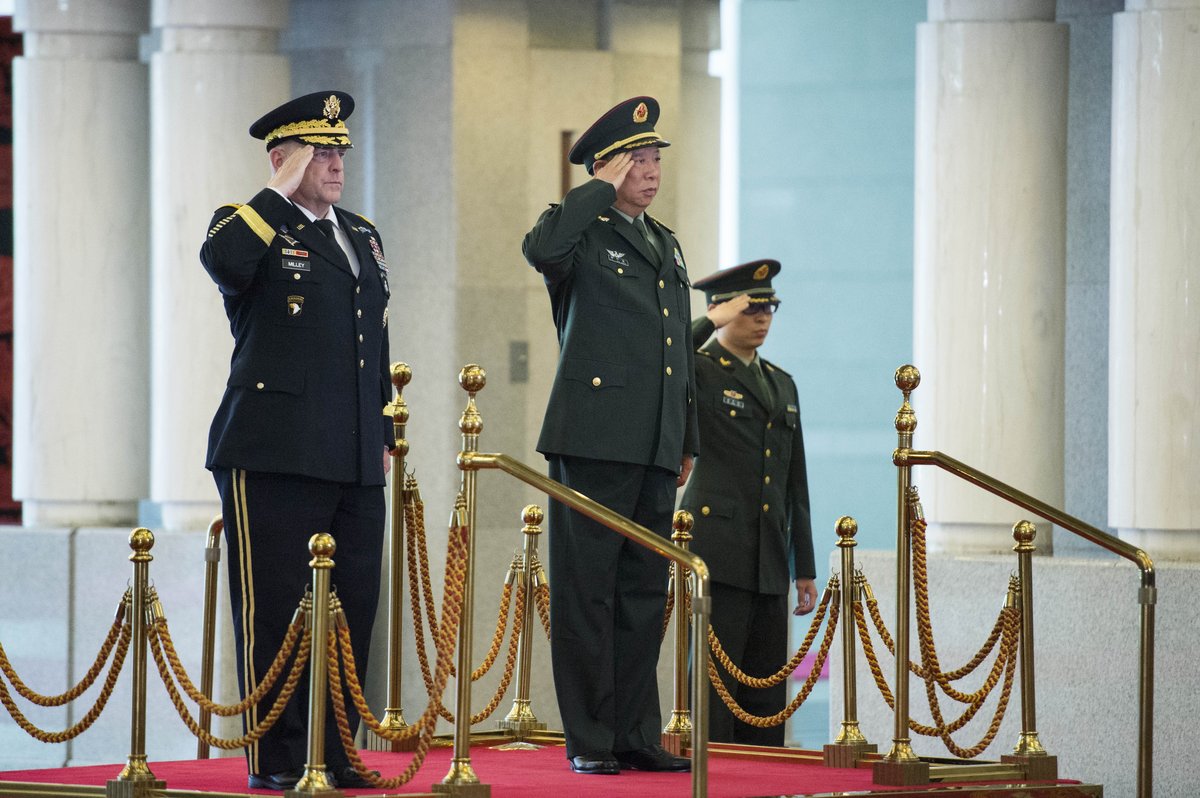
Serving as the operational headquarters for the Central Military Commission, the Bayi Building is the nerve center of China’s military policy and defense strategy (Wikipedia). It has hosted numerous high-level meetings, military parades, and diplomatic engagements, reflecting the centralization of military authority and the integration of military and civilian leadership in China (article.pk).
Cultural Resonance
Beyond its political role, the Bayi Building is woven into China’s national identity. It is featured in civic education, literature, film, and national ceremonies, especially during PLA Day and other major events. Its design, blending modernist and traditional elements, connects China’s historical legacy to its present-day governance (bytesim.com).
Visitor Information
Access and Security
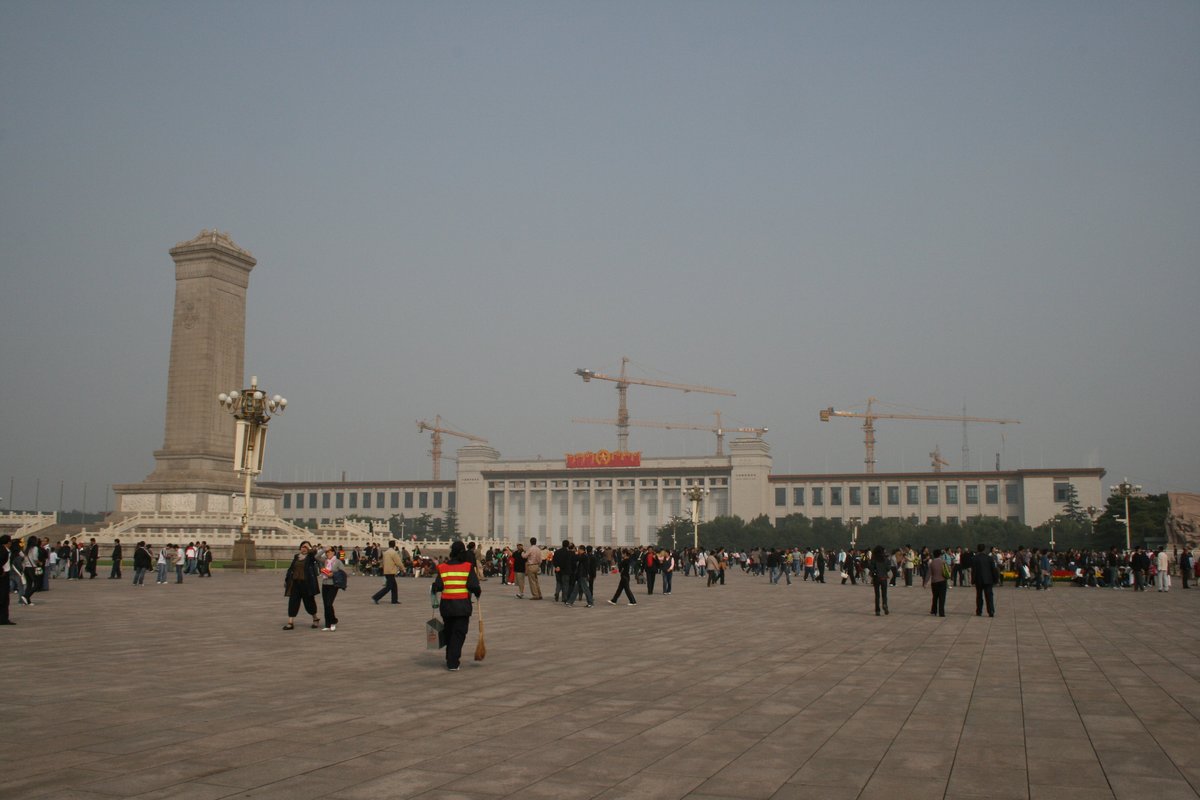
The Bayi Building remains a restricted military facility and is not open to the public. There are no official visiting hours or ticket sales. Visitors may view and photograph its exterior from designated public spaces along Fuxing Road or from the plaza in front of the Military Museum. Strict security is enforced; photography is discouraged near the immediate vicinity and is prohibited in restricted zones. Always adhere to posted signage and instructions from security personnel (China Discovery).
Viewing Points and Nearby Attractions
While you cannot enter the Bayi Building, the surrounding area is rich in cultural and historical sites:
- Military Museum of the Chinese People’s Revolution: Adjacent to the Bayi Building, this museum is open from 9:00 to 17:00 daily and offers free admission with valid ID. It houses extensive exhibits on China’s military history, including historical weapons, tanks, and aircraft (GoShopBeijing).
- Yuyuantan Park: A scenic park nearby, perfect for relaxation and seasonal cherry blossoms.
- China Millennium Monument: This cultural landmark offers panoramic views and rotating exhibitions.
- Capital Museum: Open 9:00–17:00 (closed Mondays), showcasing Beijing’s urban history and cultural artifacts (China Highlights).
- Central Axis of Beijing: A 7.8 km historic corridor of Beijing’s key landmarks, best explored on foot or by bike during daylight hours.
Transportation and Accessibility
- Subway: Take Line 1 to Military Museum Station or Line 10 to Suzhoujie Station, then walk or take a short taxi ride.
- Bus: Multiple bus routes serve Fuxing Road and the Military Museum area.
- Accessibility: Public spaces around the Bayi Building and nearby attractions are generally wheelchair accessible. Interior access is not possible.
- Language: Signage is mostly bilingual, but English may be limited among security and staff.
Practical Tips for Visitors
- Respect Security: Do not attempt to enter the Bayi Building or take photographs in restricted areas.
- Best Time to Visit: Early mornings or late afternoons for optimal lighting and cooler temperatures, especially in June when temperatures average 25–30°C (China Highlights).
- Combine Visits: Plan to visit the Military Museum, Yuyuantan Park, and Capital Museum on the same day for a comprehensive experience.
- Transportation: Use Beijing’s subway system for easy access; Military Museum Station is the closest stop.
- Dining: Local eateries and international chains are available nearby. For a vibrant dining scene, visit Wangfujing or Xidan districts.
Suggested Itinerary
- Morning: Start at the Military Museum plaza for views of the Bayi Building and a museum visit (2–3 hours).
- Midday: Stroll through Yuyuantan Park, then enjoy lunch at a local restaurant.
- Afternoon: Explore the China Millennium Monument or Capital Museum.
- Evening: Dine and shop at Wangfujing or Xidan; walk along Beijing’s Central Axis for nighttime city views.
Frequently Asked Questions (FAQ)
Q: Can I visit inside the Bayi Building?
A: No, interior access is strictly prohibited as it is an active military headquarters.
Q: Are there any tickets or official visiting hours?
A: No, there are no public tours, tickets, or official visiting hours.
Q: What nearby attractions are recommended?
A: The Military Museum, Yuyuantan Park, China Millennium Monument, and Capital Museum are excellent alternatives.
Q: Is photography allowed?
A: Photography is discouraged close to the building due to security; follow all posted guidelines.
Q: How do I get there using public transport?
A: Use Beijing Subway Line 1 or 10 to reach Military Museum Station or Suzhoujie Station, then continue on foot or by taxi.
Discover More
Although the Bayi Building itself is not open to the public, its imposing architecture and symbolic presence make it an essential part of Beijing’s historical landscape. Enhance your visit by exploring the surrounding military, cultural, and historical sites. For curated travel guides, real-time updates, and exclusive content, download the Audiala app and follow us on social media.
Download Audiala App | Follow us on Instagram | Like us on Facebook
Summary and Visitor Tips
The Bayi Building stands as a pivotal landmark reflecting China’s military evolution and political consolidation. While interior visits are not permitted, the building’s impressive exterior and strategic location provide a meaningful context for exploring Beijing’s broader narrative. Respect security protocols, plan your visit to include nearby attractions, and leverage resources like the Audiala app for a richer experience.
Listen to the full story in the app
The whole Bayi Building,
told well.
Listen to sourced travel stories with local history and practical context — ready offline.
Verified, and shown.
Researched and written by the Audiala editorial team from historical records, architectural archives, and local expertise.
Built from cited sources · see the method · How we make our guides →