Plan and listen to Baoguo Temple, Beijing with Audiala.
Audio guide in your pocket, itinerary in your browser. Built for the way you actually visit.
Introduction
Baoguo Temple, a name attributed to two significant sites in China, offers visitors a deep dive into the nation’s religious, cultural, and historical heritage. This guide focuses primarily on Baoguo Temple in Beijing’s Xicheng District, renowned for its imperial legacy and vibrant cultural market, while also introducing the famed Baoguo Temple at Mount Emei, a spiritual centerpiece and starting point for Buddhist pilgrimages. Whether your interests lie in history, spirituality, or the cultural marketplace, this guide delivers comprehensive information on visiting hours, tickets, accessibility, and travel tips for both locations (chinadragontours.com; youngchinatravel.com; Wikipedia; WestChinaGo).
Origins and Development
Baoguo Temple in Beijing’s Xicheng District traces its origins to the Liao Dynasty (907–1125 CE), initially named Xiaobaoguo Temple. Its modest beginnings evolved through major reconstructions, notably in 1466 under Ming Dynasty patronage, when imperial connections led to its renaming as Ciren Temple, though it remained popularly known as Baoguo Temple (chinadragontours.com).
Imperial Patronage and Reconstruction
Imperial support has been pivotal to Baoguo Temple’s prominence. The 1466 monument commemorates its Ming Dynasty reconstruction, while the Qing Dynasty’s Qianlong Emperor oversaw its rebuilding in 1754 after earthquake damage, bestowing the grand title “Great Patriotic Ciren Temple.” Historical steles and poetry inscriptions from these eras survive within the temple grounds (youngchinatravel.com).
Architectural Highlights
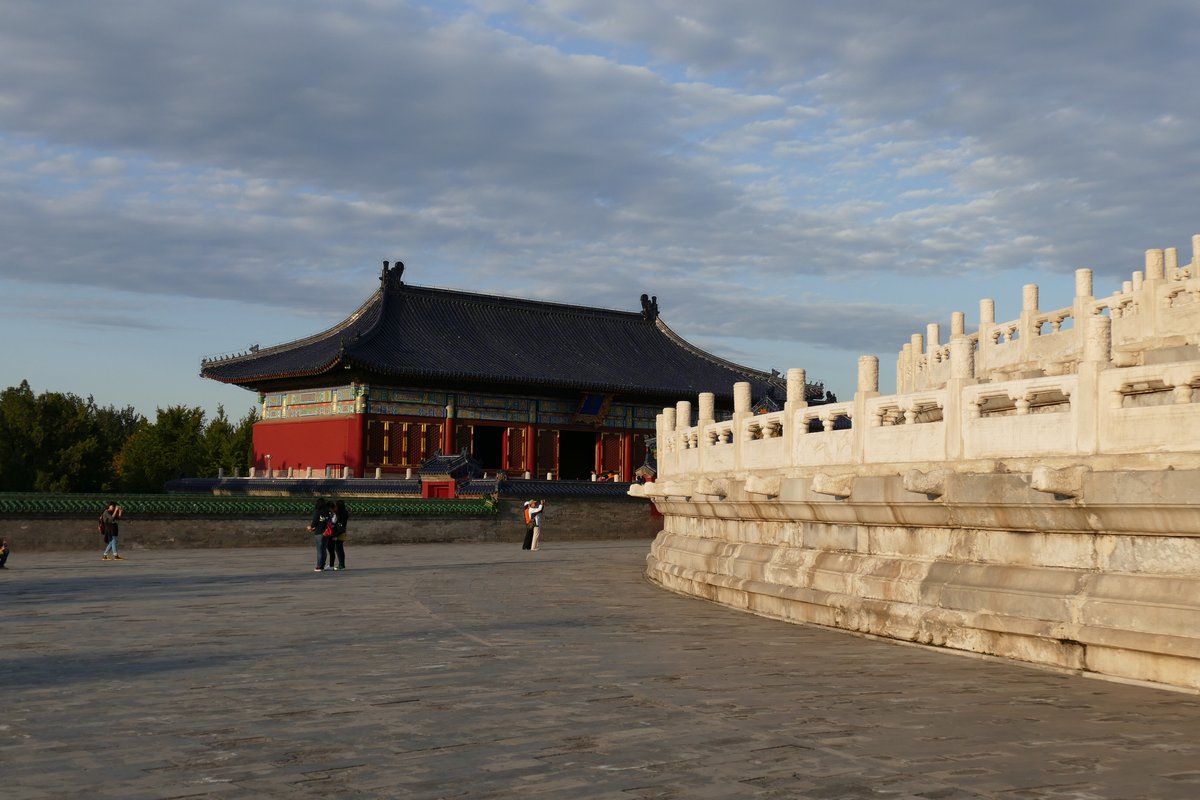
Baoguo Temple features a traditional north-south axis layout, with Ming Dynasty stone lions at its entrance, the Hall of Heavenly Kings, ancient steles, and a roof adorned with grey and green glazed tiles. The original 36-tier Vairochana Pavilion, once housing a porcelain Guanyin Buddha statue, was counted among Beijing’s renowned “Eight Treasures” (chinadragontours.com).
Cultural Significance and Market Tradition
During the late Ming and early Qing periods, Baoguo Temple became Beijing’s foremost book market, preceding the famed Liulichang Book Market. Today, the revived Beijing Ancient Culture Market on temple grounds specializes in antiques, rare books, coins, and curios, maintaining the site’s legacy as a hub for collectors and scholars (chinadaily.com.cn).
Notable Figures and Memorials
The temple served as the residence of scholar Gu Yanwu (1613–1682); his former dwelling is now a memorial temple, honoring intellectual traditions rooted in the site (youngchinatravel.com).
Preservation and Modern Role
As a nationally protected heritage site, Baoguo Temple has undergone significant restoration, preserving its architecture and artifacts. It functions today as both a place of worship and a lively cultural center, hosting regular markets and special exhibitions (chinadragontours.com).
Visitor Information: Baoguo Temple, Beijing
Visiting Hours and Tickets
- Opening Hours: Daily, 8:30 AM – 5:00 PM.
- Tickets: Standard admission is approximately 20 RMB for adults; discounts available for students and seniors. Tickets can be purchased onsite or, for some events, online.
Accessibility
Baoguo Temple’s main paths are accessible, but some areas involve steps or uneven surfaces. Ramps and assistance are available upon request. Contact ahead for specific accessibility needs.
Guided Tours and Travel Tips
Guided tours and audio guides are occasionally available, offering deeper historical and cultural context. For a quieter experience and better access to vendors, visit early on weekdays.
Nearby Attractions
Combine your visit with nearby sites such as Xiushui Street Antique Market, Beijing Zoo, or the Temple of Heaven for a comprehensive cultural itinerary.
Baoguo Temple Cultural Market: Practical Guide
Getting There and Location
Located in central Xicheng District, Baoguo Temple is accessible via Bus No. 617 or by taxi/ride-hailing apps like Didi. The temple is not directly served by the subway; plan for a short bus or taxi ride if traveling by subway (Discover China Tours). Carry the temple’s name in Chinese (报国寺) for easy communication.
Market Layout and Facilities
The market consists of open-air stalls and simple pavilions within the temple grounds, creating an authentic shopping atmosphere for antiques and collectibles (China Advent). Facilities are basic; bring your own water and snacks.
What to Buy and Bargaining Tips
Expect to find antique ceramics, jade, calligraphy, furniture, periodicals, and more. Vendors are often passionate collectors—engage in conversations and enjoy the stories behind each item. Bargaining is standard practice; start at 60–70% of the asking price and negotiate politely.
Special Events and Exhibitions
Permanent exhibitions include the World Coin and Stamp Museum, Chinese Stamp Museum, and more. The monthly ‘Micro Auction’ is a highlight, often requiring advance registration (China Advent).
Etiquette and Safety
Show respect for the vendors and the temple environment. Greet stall owners, ask before photographing, and avoid aggressive bargaining. The market is generally safe, but remain alert for pickpockets during busy periods (Hey Roseanne).
Accessibility and Family Considerations
Paths may be uneven and crowded, making access challenging for those with mobility needs. Supervise children closely due to fragile merchandise.
Seasonal Tips
The market operates year-round. Dress appropriately for the season—spring and autumn are especially pleasant for visiting (Hey Roseanne).
Payment Methods
Cash (Chinese yuan) is preferred; some vendors accept mobile payments, but international credit cards are seldom used. Carry small bills for convenience.
Visitor Information: Baoguo Temple, Mount Emei
Syncretic Spiritual Heritage
Baoguo Temple at Mount Emei is a unique convergence of Buddhism, Taoism, and Confucianism, with its layout and iconography reflecting the “Three Teachings Harmonious as One.” The temple is the headquarters of the Mount Emei Buddhist Association and serves as a starting point for pilgrims ascending the sacred mountain (Wikipedia; Chinatripedia).
Pilgrimage and Practice
Baoguo Temple is the traditional gateway for Buddhist pilgrimage up Mount Emei, offering rituals, meditation, and opportunities to interact with resident monks. The spiritual atmosphere is enhanced by the temple’s natural setting and daily religious activities (WestChinaGo).
Architectural Symbolism
Key buildings include the Shanmen (main gate), Hall of Mi Le (Maitreya), Mahavira Hall, and Seven Buddha Hall. Imperial inscriptions and poetic couplets emphasize enlightenment and harmony, while the arrangement of Buddhist, Taoist, and Confucian figures embodies spiritual inclusivity (Wikipedia; Chinatripedia).
Visiting Hours and Tickets
- Opening Hours: Typically 7:00 AM – 6:00 PM; hours may adjust for festivals or maintenance.
- Tickets: Admission is usually included in the Mount Emei Scenic Area ticket (160–185 RMB, seasonal variation). Some special exhibits may require separate tickets. Check official sources for updates.
Travel Tips and Attractions
Baoguo Temple is located at the base of Mount Emei, accessible by bus or taxi from nearby cities like Leshan. After your visit, explore the Golden Summit, Qingyin Pavilion, and UNESCO-listed natural surroundings. Spring and autumn are optimal for both weather and scenery.
Frequently Asked Questions (FAQ)
Baoguo Temple, Beijing
Q: What are the visiting hours?
A: Daily, 8:30 AM – 5:00 PM.
Q: What is the entry fee?
A: About 20 RMB for adults; special events may have additional fees.
Q: Is the temple accessible for people with disabilities?
A: Some areas are accessible, but steps and uneven surfaces may be present.
Q: Are guided tours offered?
A: Occasionally; inquire onsite or with local tour providers.
Baoguo Temple, Mount Emei
Q: What are the visiting hours?
A: Generally 7:00 AM – 6:00 PM, but subject to change.
Q: Are tickets required?
A: Included with Mount Emei Scenic Area pass (160–185 RMB, depending on season).
Q: How accessible is the temple?
A: Main paths are accessible, though stairs and uneven terrain exist.
Q: Can visitors participate in rituals?
A: Many daily rituals are open to the public, including chanting and incense offerings.
Listen to the full story in the app
The whole Baoguo Temple, Beijing,
told well.
Listen to sourced travel stories with local history and practical context — ready offline.

Verified, and shown.
Researched and written by the Audiala editorial team from historical records, architectural archives, and local expertise.
Built from cited sources · see the method · How we make our guides →