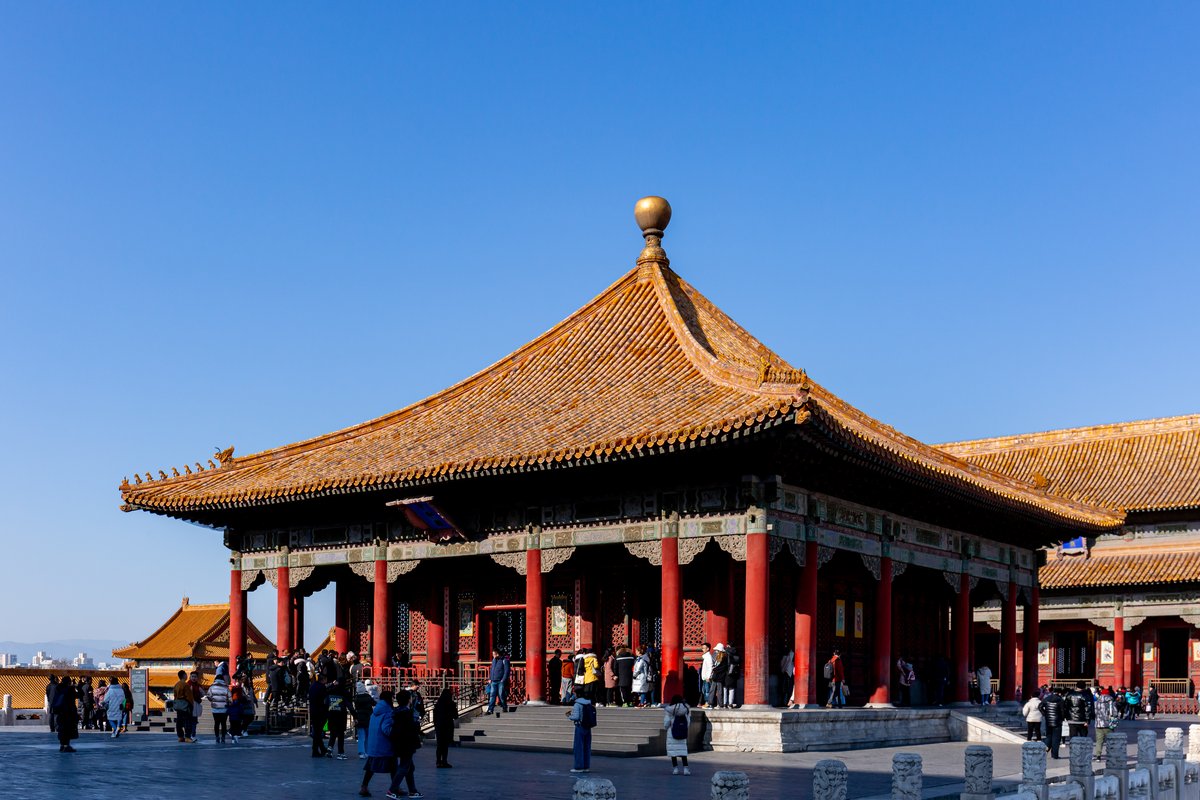
Historical Background
Origins and Early History
Constructed in 1419 during the Ming dynasty, Andingmen served as a principal northern gate of Beijing’s Inner City wall. It was strategically located on the city’s central axis and played a crucial role in defense, commerce, and imperial ceremonies. The name "Andingmen" expresses the traditional aspiration for peace and stability, while the gate's proximity to the Temple of Earth further emphasized its ceremonial importance (Visit Beijing).
Architectural Significance
The original Andingmen complex consisted of a grand gatehouse, a fortified barbican, watchtower, and unique Zhenwu Temples (unlike other gates, which typically featured Guandi Temples). The structure reflected Ming principles of both majesty and military utility, with elaborate upturned eaves and intricate motifs symbolizing imperial power (China Tripedia).
Role in City Life and Defenses
As a key entry point, Andingmen regulated military movements—soldiers exited here for campaigns and returned via neighboring gates. The area bustled with trade, particularly for agricultural goods, and was also a route for imperial processions during major religious festivals. Its surrounding neighborhoods housed vibrant markets, siheyuan courtyards, and the daily rhythms of Beijing’s urban life (China Fact Tours).
Transformation and Modernization
During the Qing dynasty and Republican era, Andingmen remained a lively urban hub. However, Beijing’s modernization in the early to mid-20th century led to the demolition of the barbican (1915) and the main gate structures (1969) to expand transport routes. Today, Andingmen Bridge and the Second Ring Road mark the site, linking Inner and Outer Andingmen Streets (Wikipedia; Visit Beijing).
Andingmen and the Central Axis
Andingmen was a focal point of Beijing’s renowned Central Axis (中轴线), a 7.8-kilometer line organizing the ancient city from south to north. This axis, now a UNESCO World Heritage Site, connects many of Beijing’s most significant landmarks—including the Bell and Drum Towers just north of Andingmen. The axis symbolized cosmic and political order, and walking tours along this route offer deep insight into Beijing’s urban evolution (The Beijinger).
Visiting Andingmen: Practical Information
Visiting Hours
- Andingmen Area The neighborhood is open to visitors around the clock, year-round.
- Nearby Attractions
- Bell and Drum Towers Usually open from 9:00 AM to 5:00 PM (last entry at 4:30 PM).
- Temple of Earth Generally open 6:00 AM–8:00 PM.
- Lama Temple (Yonghegong), Confucius Temple 9:00 AM–5:00 PM.
Hours may vary seasonally; check official sources before visiting.
Tickets and Guided Tours
- Andingmen Neighborhood Free to explore.
- Bell and Drum Towers Ticket required (approx. 20–25 RMB).
- Temple of Earth, Lama Temple, Confucius Temple Tickets range 25–50 RMB.
- Guided Tours Walking, cycling, and hutong tours (100–300 RMB) can be booked through agencies or online. Many include multiple sites and cultural experiences (China Highlights).
Accessibility
- Subway Andingmen Station (Line 2) provides direct access.
- Buses and Taxis Widely available; ride-hailing apps like Didi are user-friendly.
- Mobility The area is generally accessible, but many hutongs have uneven surfaces and narrow paths. Most major attractions offer wheelchair access, but some traditional alleys may be challenging (Ruqin Travel).
Getting There
- Subway Andingmen Station (Line 2) is the most convenient.
- Cycling Bike rentals and cycling tours are popular for navigating hutongs and the Central Axis (The Beijinger).
Attractions and Experiences
Hutong Exploration
Wander through historic hutongs like Wudaoying, Nanluoguxiang, Beiluoguxiang, and Baochao. These alleys reveal a blend of ancient architecture, local markets, art galleries, and modern cafes. Guided walking or cycling tours offer deeper insight into the area’s history and daily life (China Highlights).
Food and Drink
The Andingmen area is a culinary destination:
- Traditional Snacks Jianbing (savory crepes), zhajiangmian (noodles with soybean paste), baozi (steamed buns), tanghulu (candied fruit).
- Hutong Cafes Wudaoying Hutong and Beiluoguxiang are lined with teahouses, bakeries, and contemporary restaurants.
- Dining Tips Many venues offer English menus; food tours are available for a curated experience (China Highlights).
Nightlife and Events
The area transforms after dark, with lively bars, teahouses, and performance spaces. Seasonal festivals, temple fairs, and local events provide opportunities to experience Beijing’s living traditions (Ruqin Travel).
Nearby Attractions
- Bell and Drum Towers Iconic timekeeping structures with panoramic city views.
- Temple of Earth Venue for traditional rituals and serene park strolls.
- Lama Temple (Yonghegong) Major Tibetan Buddhist site.
- Confucius Temple Center for Confucian culture and ancient scholarship.
- Ming Dynasty Wall Relics Park Preserved city wall segment and educational exhibits (Tour Beijing).
All are within walking or short cycling distance from Andingmen.
Visitor Tips
Best Times to Visit
- Spring (April–June) and Autumn (September–October) Pleasant weather for walking and outdoor activities.
- Early mornings and late afternoons Ideal for hutong exploration and photography, avoiding crowds and midday heat (China Highlights).
Safety, Health & Etiquette
- Safety Beijing is generally safe; remain vigilant in crowded areas.
- Health Air quality can fluctuate; check AQI apps and consider masks if sensitive.
- Etiquette Dress modestly, be respectful in temples, and avoid loud noise in residential hutongs.
- Hydration & Footwear Carry water and wear comfortable shoes for cobblestone streets.
Accommodation
Options range from boutique courtyard hotels (e.g., The Orchid) to modern hostels and guesthouses, offering immersive local stays.
Language and Communication
- Language Mandarin is prevalent; English is common at hotels and major attractions.
- Communication Translation apps and basic Mandarin phrases are helpful. Subway and most signage feature English (ruqintravel.com).
Sustainable Tourism
- Support local businesses Shop at independent stores and dine at family-run restaurants.
- Respect privacy Avoid entering private courtyards and dispose of trash responsibly.
FAQs
Q: Is there an entrance fee to visit Andingmen?
A: No, the neighborhood is free to explore. Tickets are required for some nearby attractions.
Q: What are the main visiting hours?
A: Key sites like the Bell and Drum Towers are generally open from 9:00 AM to 5:00 PM.
Q: Are guided tours available?
A: Yes, walking and cycling tours are widely offered and can be booked in advance.
Q: Is Andingmen accessible for people with disabilities?
A: Major sites are accessible, but some hutongs have uneven surfaces and narrow lanes.
Q: What’s the best way to get there?
A: The Beijing Subway Line 2 (Andingmen Station) is the most convenient.
Visual Highlights
-
 Alt: Historic Andingmen Gate Tower, Beijing's iconic city gate
 -
 Alt: Andingmen Bridge on Beijing's 2nd Ring Road, modern site replacing the old gate