
History
Origins and Early Development
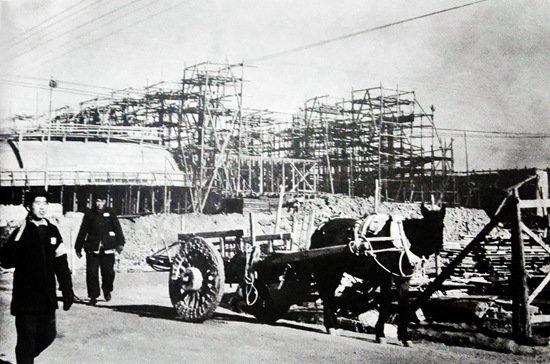
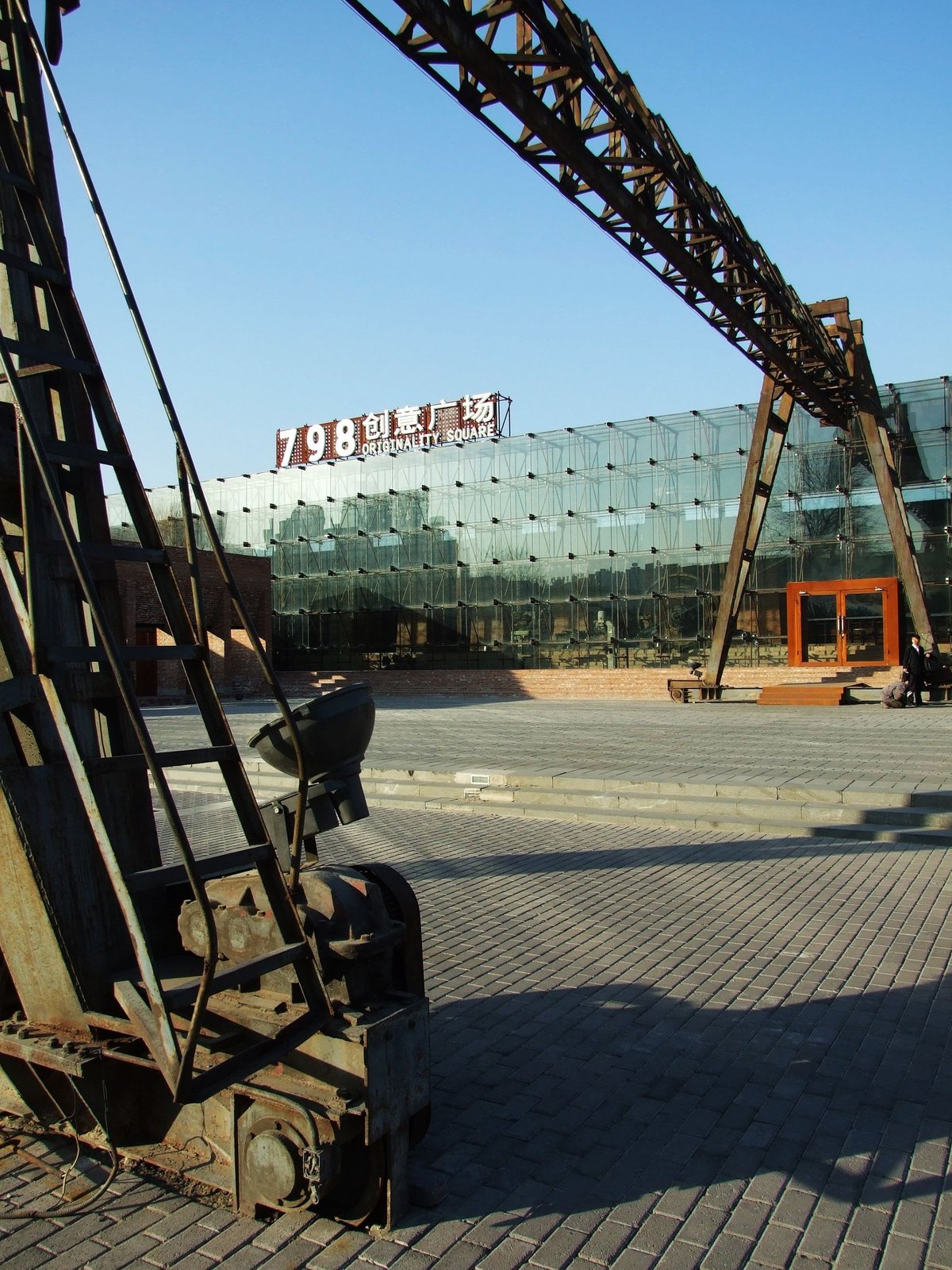
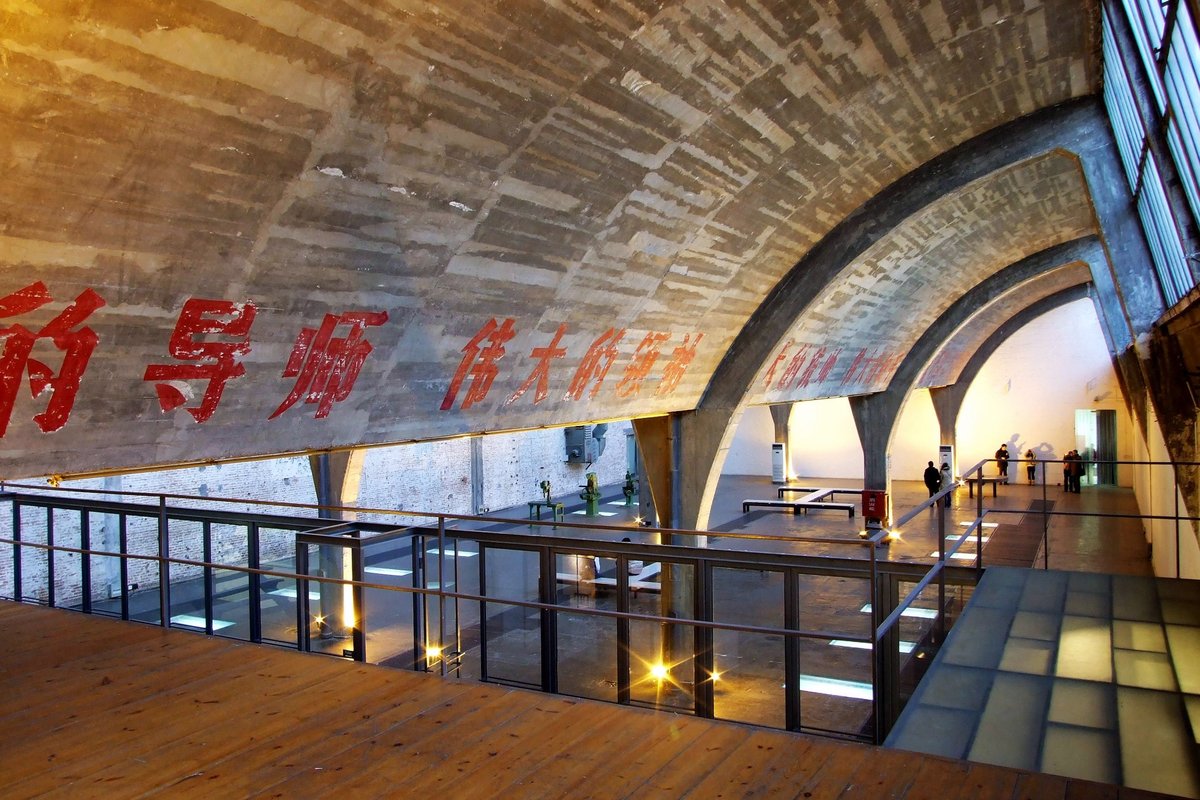
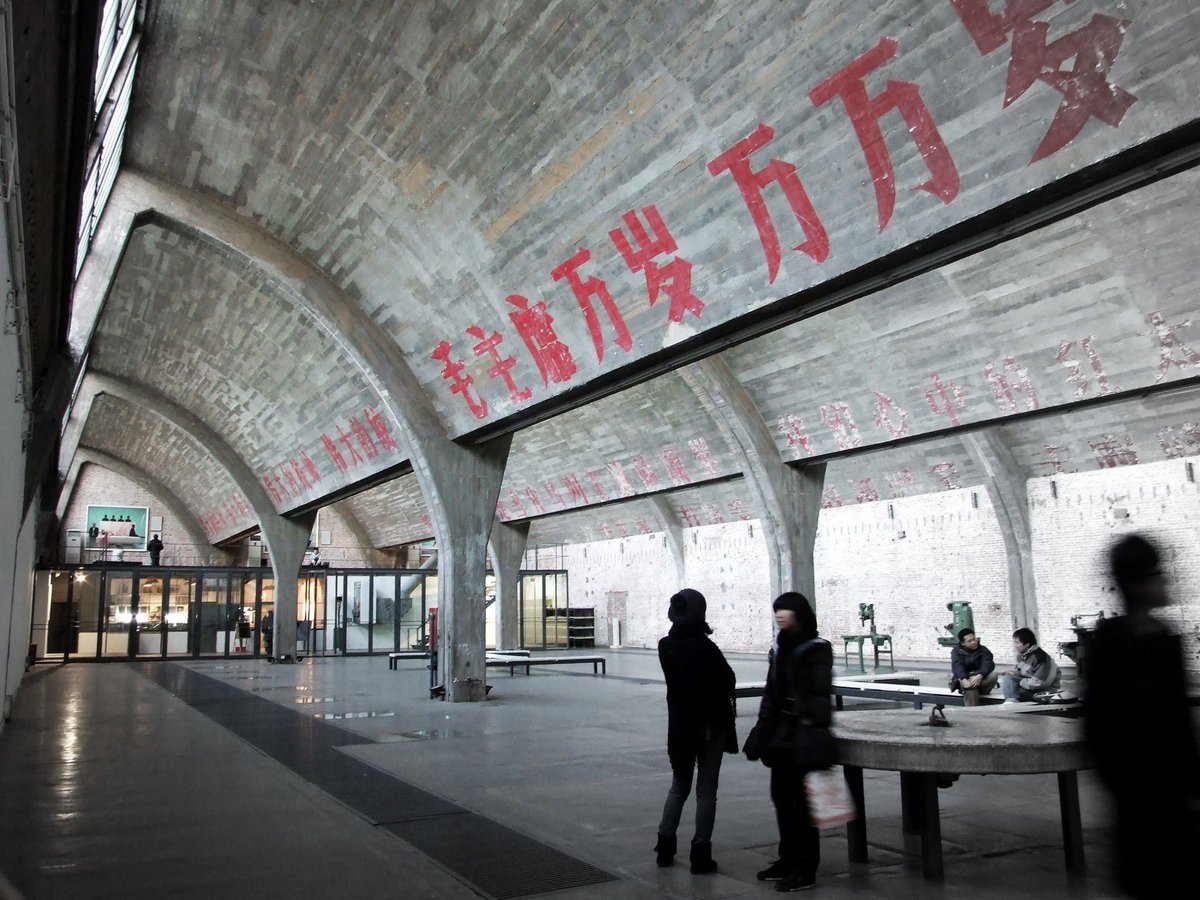
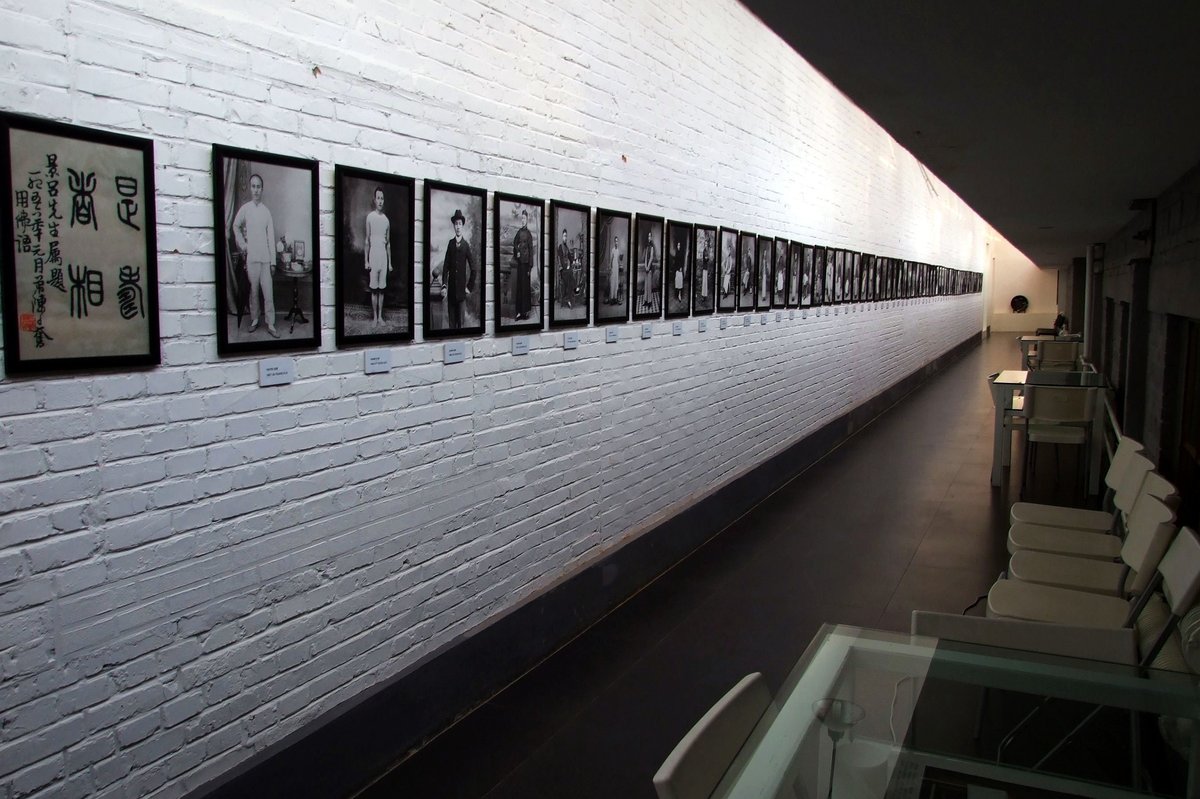
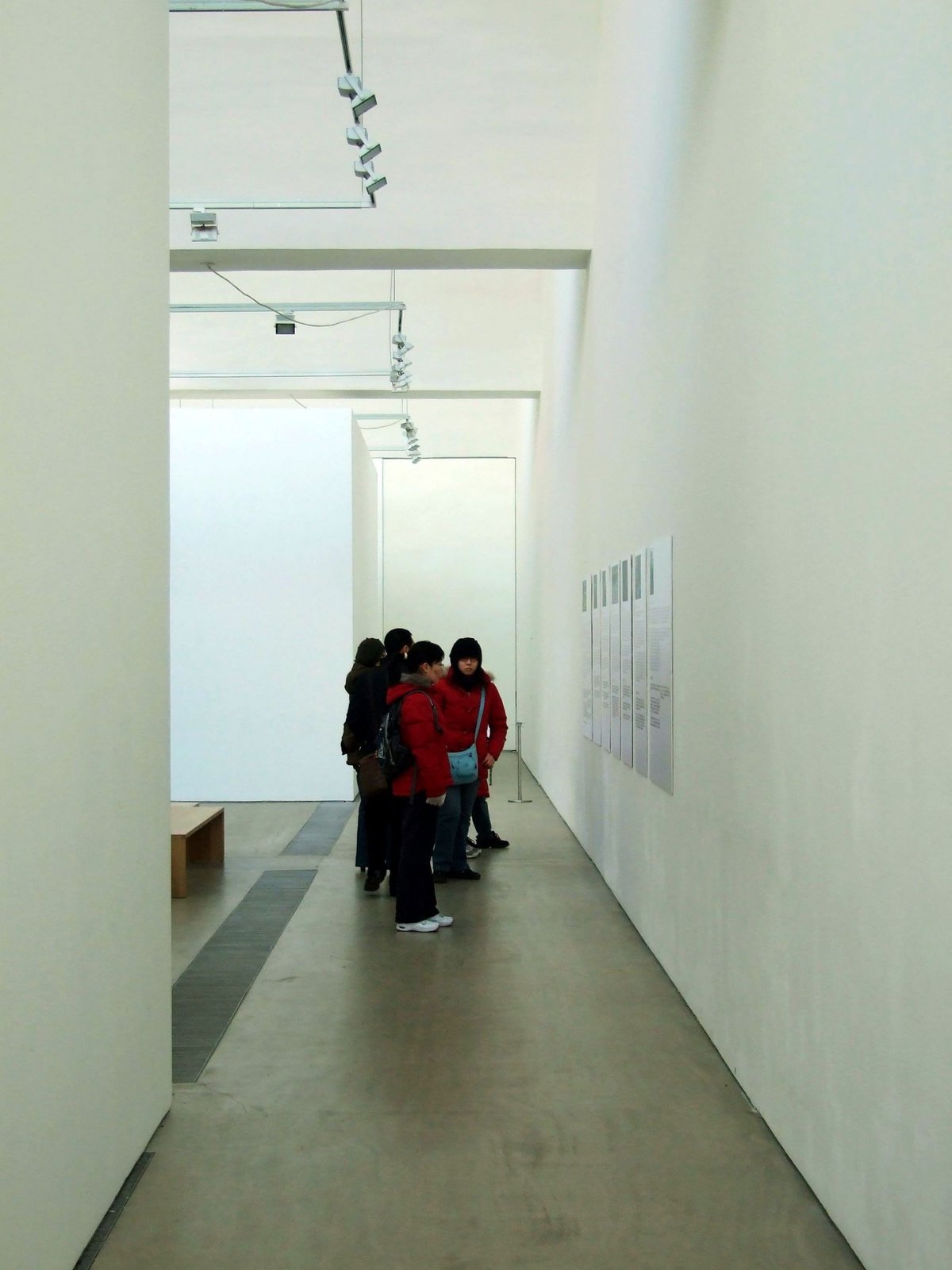
The 798 Art District is located in the Chaoyang District of Beijing. The area originally housed the 798 Factory, a state-owned industrial complex built in the 1950s with the assistance of East Germany. The factory was part of a larger project known as the 718 Joint Factory, which aimed to produce electronics for the Chinese military. The architectural design of the factory was influenced by the Bauhaus style, characterized by its functional and minimalist approach. The factory complex covered an area of 640,000 square meters and included several buildings with high ceilings and large windows, which later proved to be ideal for art studios and galleries.
Transition to an Art Hub
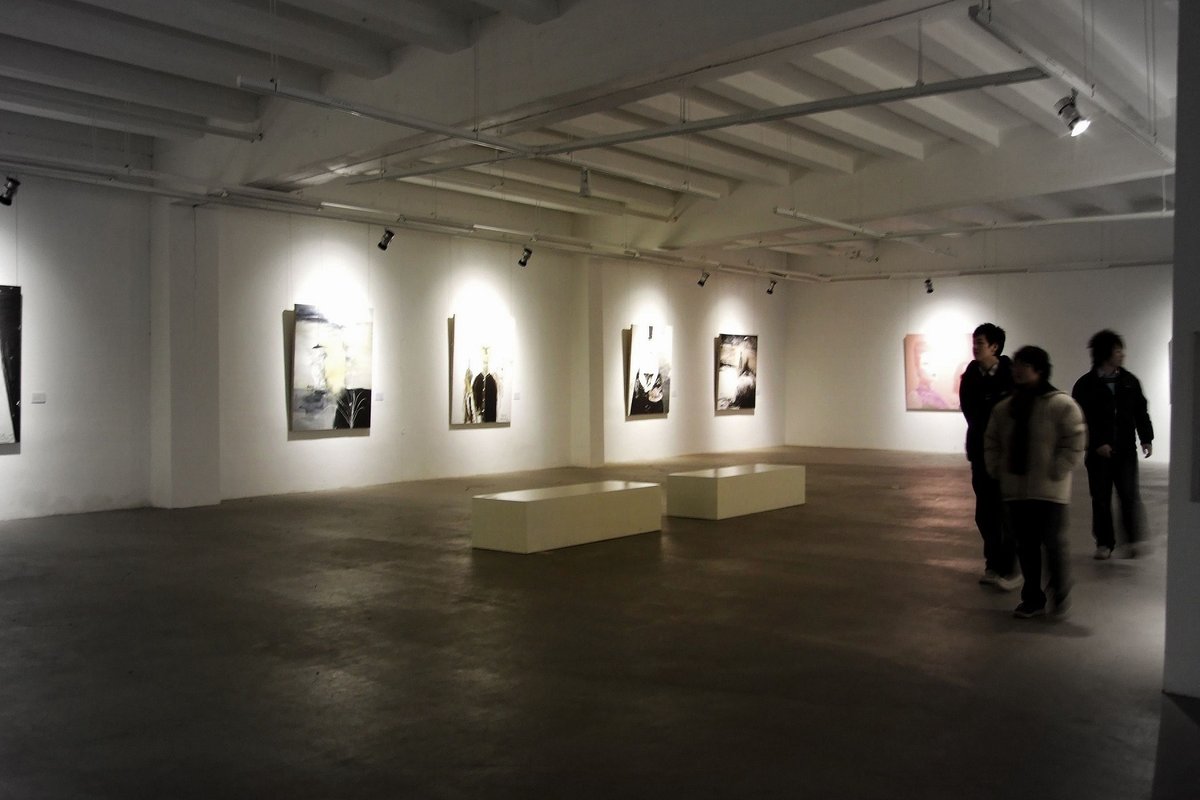
By the late 1980s and early 1990s, the factory's production began to decline due to economic reforms and the shift towards a market economy. Many of the factory buildings were abandoned or underutilized. In the late 1990s, artists and cultural organizations began to move into the vacant spaces, attracted by the low rent and the unique architectural features. The first artists to settle in the area were members of the avant-garde art community, who were looking for large, affordable spaces to create and exhibit their work.
Official Recognition and Growth
The transformation of the 798 Factory into an art district gained momentum in the early 2000s. In 2002, the Central Academy of Fine Arts (CAFA) held its first exhibition in the area, which drew significant attention from the art community and the public. The success of this exhibition led to an influx of artists, galleries, and cultural institutions. By 2003, the area was officially recognized as the 798 Art District, and it quickly became a focal point for contemporary art in China.
Cultural and Political Significance
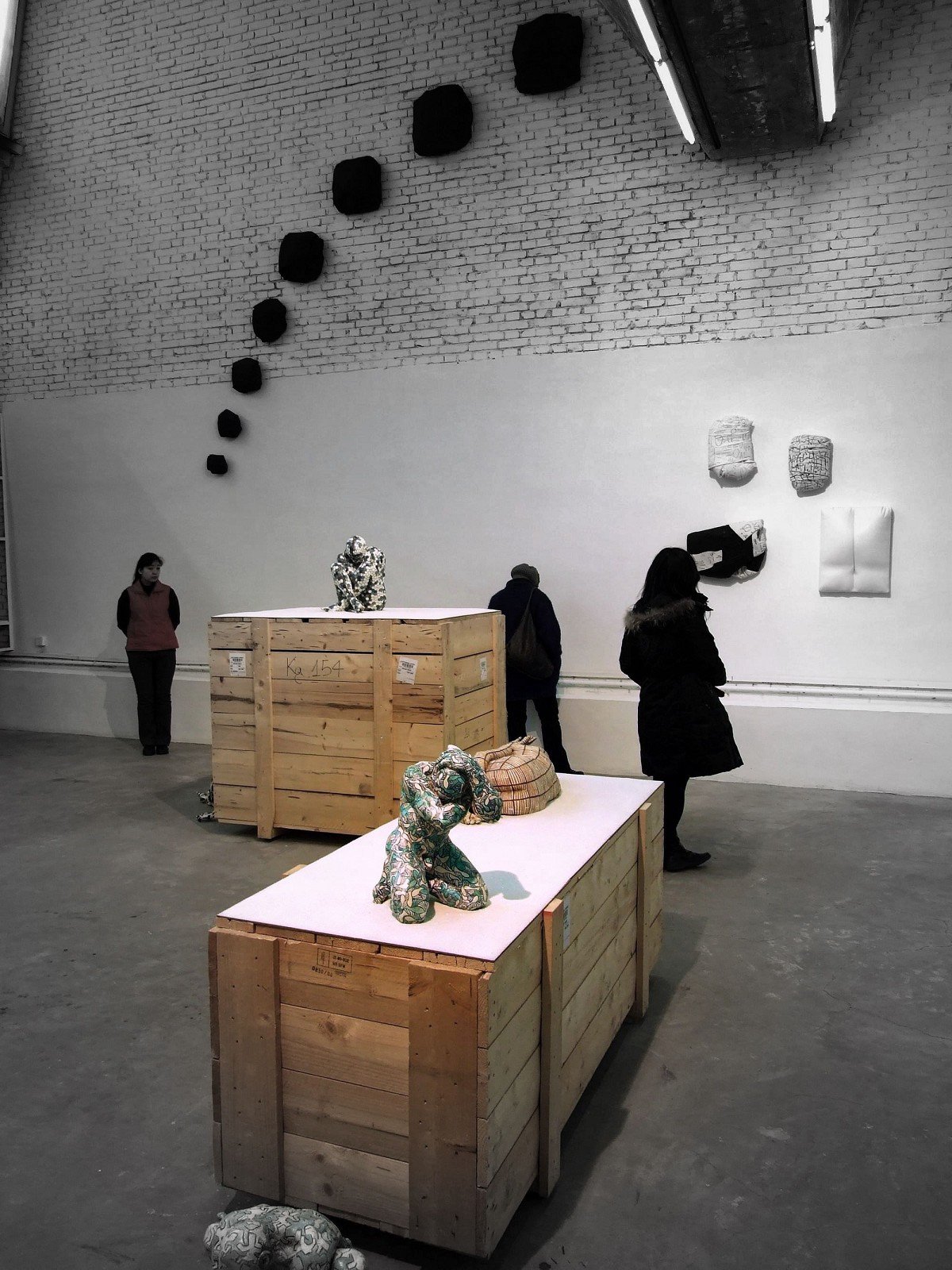
The 798 Art District has played a crucial role in the development of contemporary Chinese art. It has provided a platform for artists to experiment with new forms and ideas, free from the constraints of traditional art institutions. The district has also been a site of political and social commentary, with many artists using their work to address issues such as censorship, human rights, and environmental concerns. The district's significance extends beyond the art world; it has become a symbol of Beijing's cultural renaissance and its emergence as a global city.
Major Events and Milestones
Several key events have marked the history of the 798 Art District. In 2004, the district hosted the first Beijing Biennale, an international art exhibition that attracted artists and visitors from around the world. This event helped to establish the district's reputation as a major center for contemporary art. In 2006, the district faced a threat of demolition due to urban redevelopment plans. However, a campaign led by artists, cultural organizations, and the public successfully preserved the area, highlighting its cultural and historical importance.
In 2008, the district played a prominent role in the cultural program of the Beijing Olympics, hosting numerous exhibitions and events that showcased Chinese contemporary art to an international audience. The district has continued to grow and evolve, with new galleries, studios, and cultural spaces opening regularly. Today, it is home to over 200 galleries, as well as cafes, bookstores, and design shops, making it a vibrant and dynamic cultural hub.
Visitor Information - Tickets and Opening Hours
The 798 Art District is open to the public every day from 10:00 AM to 6:00 PM. Entrance to the district is free, but some galleries and exhibitions may charge a small fee. It's advisable to check the specific gallery websites for detailed ticket information.
Travel Tips and Nearby Attractions
- How to Get There The district is easily accessible by public transportation. You can take the subway to Wangjing South Station (Line 14) and then walk or take a short taxi ride to the district.
- Nearby Attractions While in the area, consider visiting attractions such as the China Railway Museum and the Beijing National Stadium (Bird's Nest).
- Best Times to Visit Weekdays are less crowded, offering a more relaxed experience. Spring and autumn provide the most pleasant weather for walking around.
Special Events and Tours
The 798 Art District regularly hosts special events including art festivals, performances, and guided tours. The Beijing Biennale is a notable event that attracts international artists and visitors. Check the district's official website for an updated calendar of events.
Photographic Spots in 798 Art District
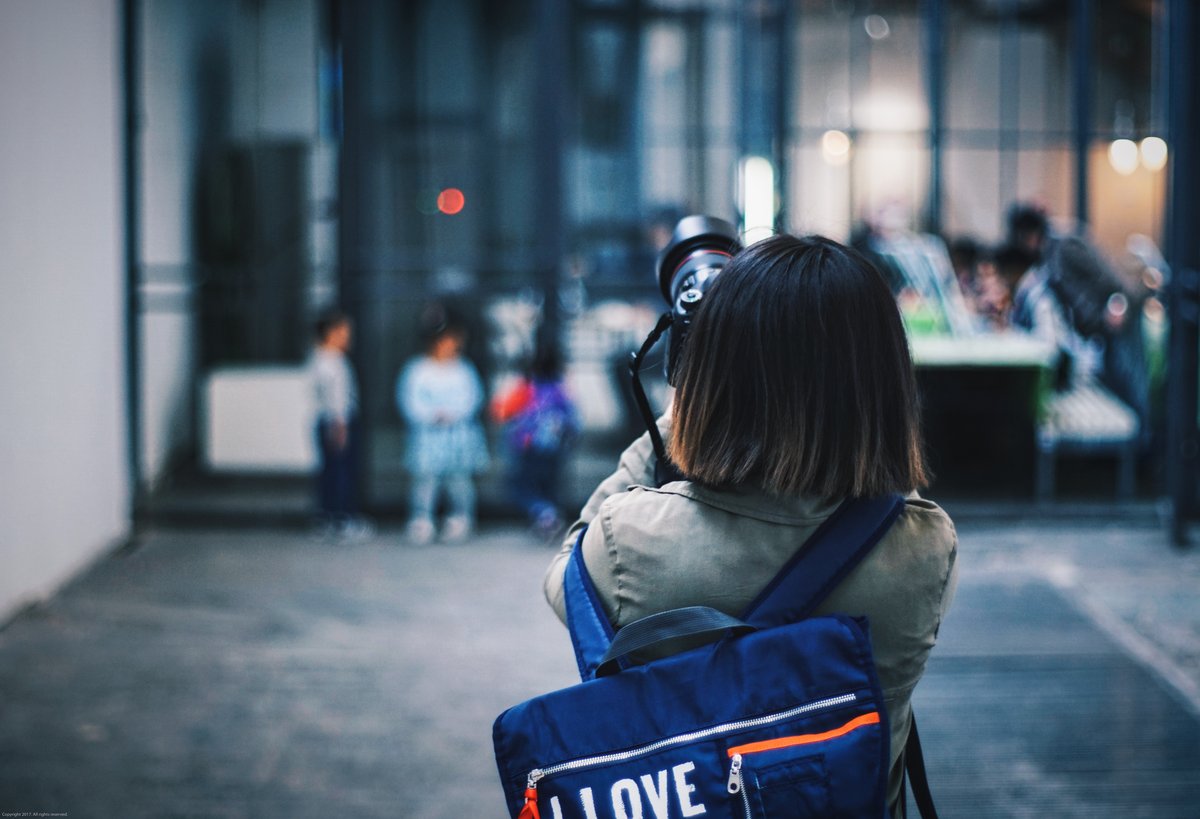
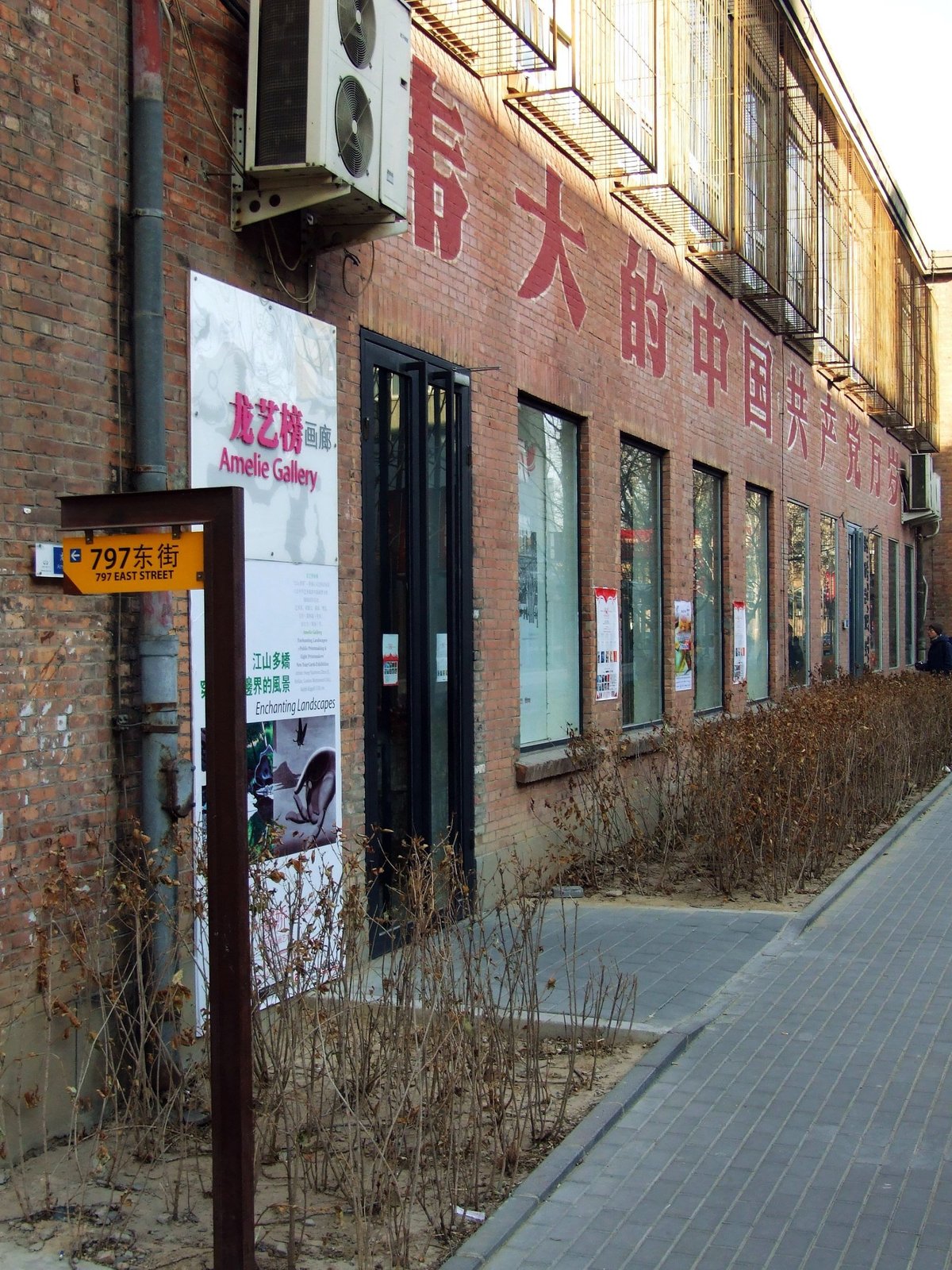
The unique architecture and vibrant street art make the 798 Art District a photographer's paradise. Notable spots include the iconic 798 Space gallery and the UCCA Center for Contemporary Art. Be sure to capture the industrial aesthetic and colorful murals that define the district's character.
FAQ
What are the opening hours of the 798 Art District?
The 798 Art District is open daily from 10:00 AM to 6:00 PM.
How much do tickets to the 798 Art District cost?
Entrance to the district is free, but some galleries and exhibitions may charge a small fee.
What are the best times to visit the 798 Art District?
Weekdays are less crowded, and spring and autumn offer the most pleasant weather for visiting.