Beijing.

39° N · 116° E China

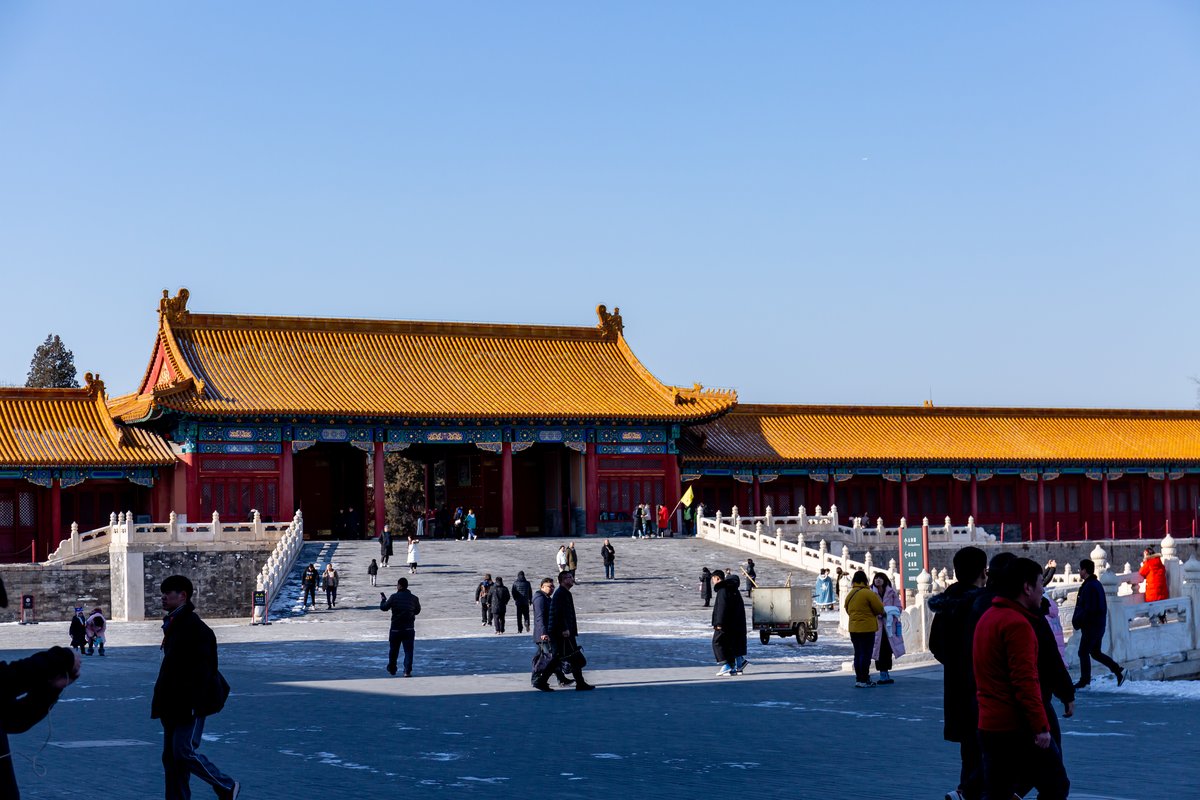
The first time you stand in the Forbidden City's vast courtyard at dawn, the silence hits harder than the cold. 980 buildings. 10,000 rooms. All built to remind anyone who entered exactly where they stood in the universe. Beijing doesn't whisper its power. It arranges the sky itself into perfect north-south lines and dares you to look away.

Listen to the guide — 47 min Open the map
Beijing, China
Beijing · China
12
attractions
4-5 days
days suggested
Spring (April–May) or Autumn (September–October)
best season
EN · EN
narration

03 Top tickets in Beijing.

Book ahead

Curated from places in this city. Same price as official sites.

All-Inclusive Tour: Tiananmen Square, Forbidden City, Great Wall
Tiananmen Square
All-Inclusive Tour: Tiananmen Square, Forbidden City, Great Wall
5.0 from €84.61
4-Hour Small Group Tour to Forbidden City with Entry Tickets
Forbidden City
4-Hour Small Group Tour to Forbidden City with Entry Tickets
4.9 from €26.33
Beijing Full Day Tours: Tiananmen Sq, Forbidden City, Great Wall
Tiananmen Square
Beijing Full Day Tours: Tiananmen Sq, Forbidden City, Great Wall
4.9 from €85.48
Beijing Forbidden City Ticket Booking (Optional: guide service)
Forbidden City
Beijing Forbidden City Ticket Booking (Optional: guide service)
4.8 from €8.62
Forbidden City&T-Square Small GroupTours w/ ticket(Eng/Esp Guide)
Forbidden City
Forbidden City&T-Square Small GroupTours w/ ticket(Eng/Esp Guide)
4.9 from €13.81
Mini Group Discovery Forbidden City Tour with Hotel Pickup option
Meridian Gate
Mini Group Discovery Forbidden City Tour with Hotel Pickup option
4.9 from €31.08

Prices shown are indicative — final pricing and availability are confirmed at checkout. Audiala may receive a commission from bookings made via these links.

01 An introduction

synthesized from 240+ sources ·

BThe first time you stand in the Forbidden City's vast courtyard at dawn, the silence hits harder than the cold. 980 buildings. 10,000 rooms. All built to remind anyone who entered exactly where they stood in the universe. Beijing doesn't whisper its power. It arranges the sky itself into perfect north-south lines and dares you to look away.

The city remains defined by that same imperial axis five centuries later. Confucian symmetry still dictates how light falls across slate roofs in the hutongs at dusk. Yet walk ten minutes from the Temple of Heaven and you'll find Rem Koolhaas's CCTV Headquarters, those cantilevered legs in black glass that locals immediately nicknamed "Big Pants." The contrast isn't accidental. Beijing collects its eras without apology.

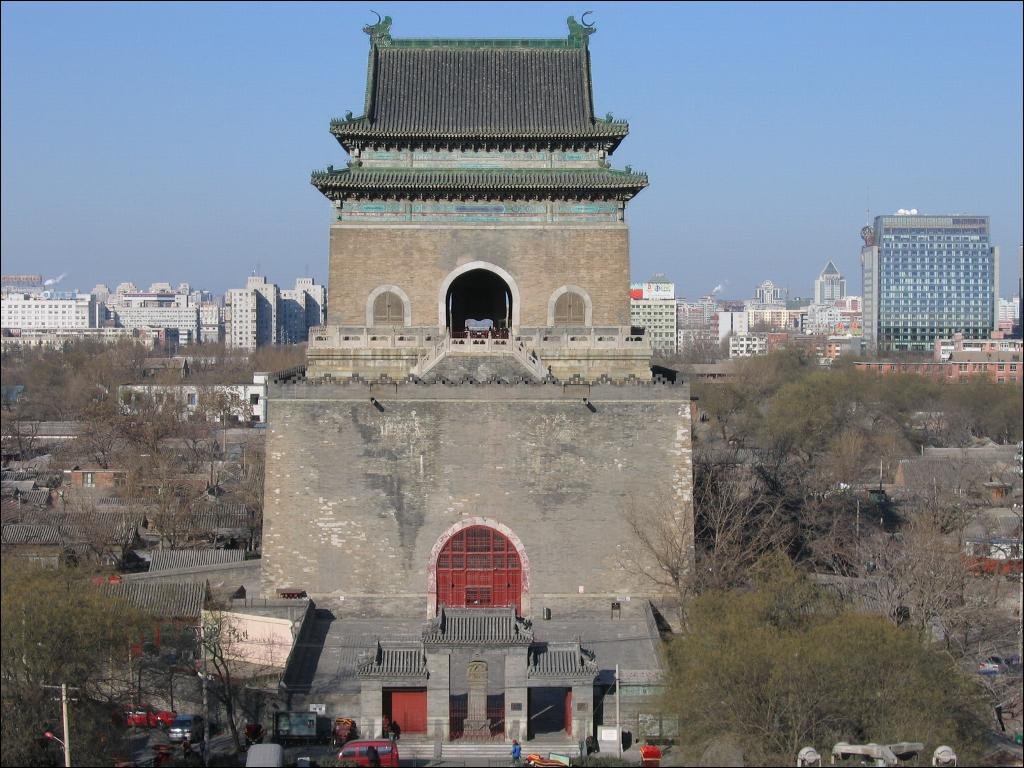
Hutong life persists in the narrow alleys around the Drum Tower where old men play chess under paulownia trees while twenty-somethings hunt for pour-over coffee. The smell of charcoal copper pots and fermented mung bean milk drifts from doorways that have seen both Qing dynasty processions and last night's Great Leap Brewing crowd. This tension between what was ordered from above and what simply happens on the ground is where the city reveals itself.

Photography Hotspot Budget Friendly

02 Why Beijing.

What makes this place worth slowing down for.

The Forbidden City

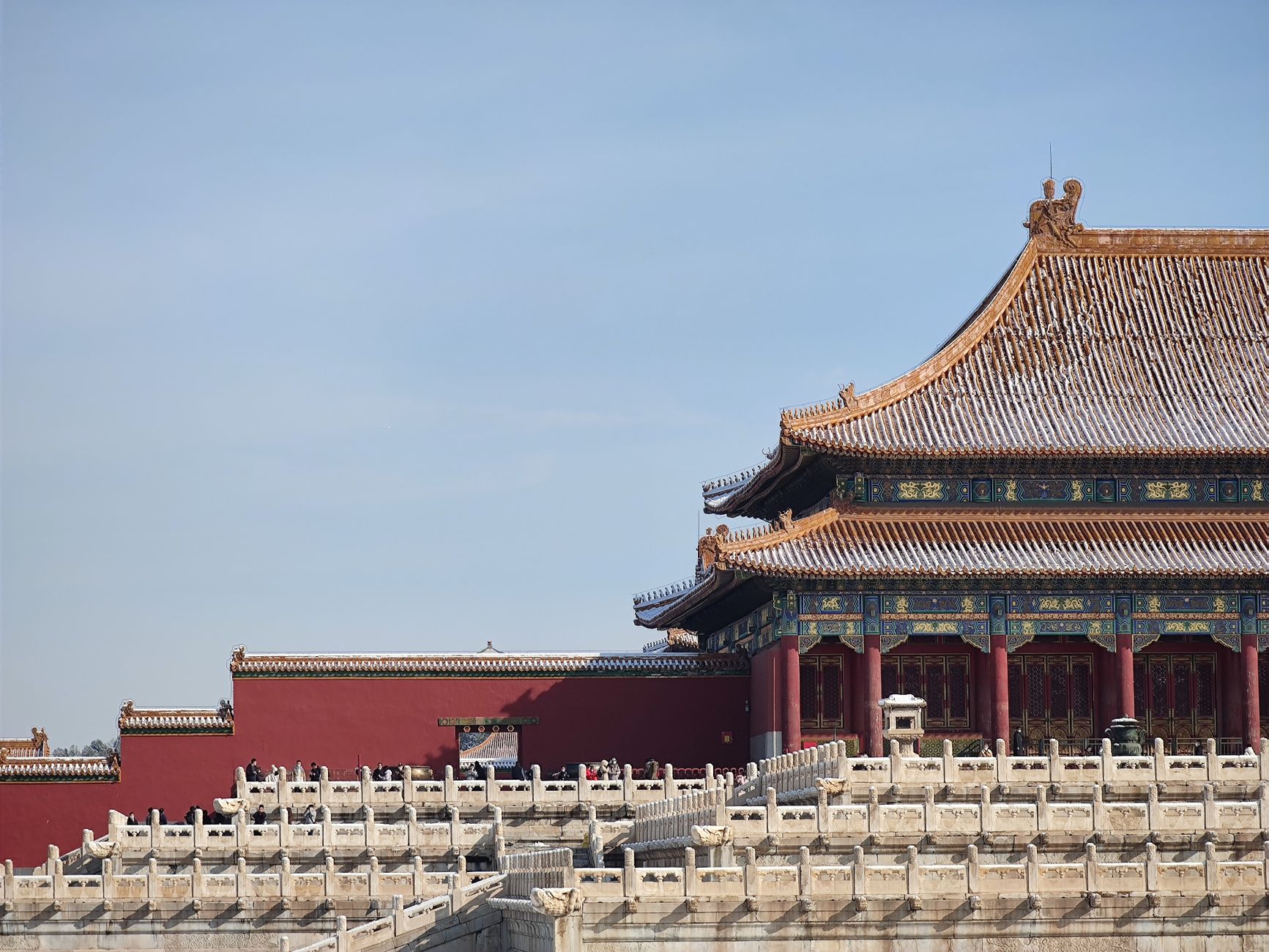
Walk through the Gate of Heavenly Purity at dawn and the 10,000 rooms feel like they still belong to someone. The scale is brutal. Yet the light filtering through lattice windows onto 500-year-old floor tiles changes how you see power.

Axial Obsession

Beijing’s central axis runs 7.8 km from the Bell Tower to the Temple of Heaven’s outer gate. Built to Confucian principles of symmetry, it still dictates traffic flow in 2026. Stand at the midpoint on a clear autumn morning and the city feels engineered by geometry itself.

798 Art Zone

Former electronics factories now echo with footsteps on concrete floors poured in the 1950s. The contrast between Mao-era brutalism and the art inside is sharper than any guidebook admits. Come after 4 pm when the tour groups leave.

The Wild Wall

Skip Badaling. Take the bus to Jiankou where the Ming wall snakes over knife-edge ridges untouched since 1574. The smell of pine and cold stone up there rearranges your understanding of what a border actually meant.


03 Places to Visit.

Not every monument, just the ones we'd walk you past ourselves.
Tiananmen Square
Editor's pick
01 · Place

Tiananmen Square

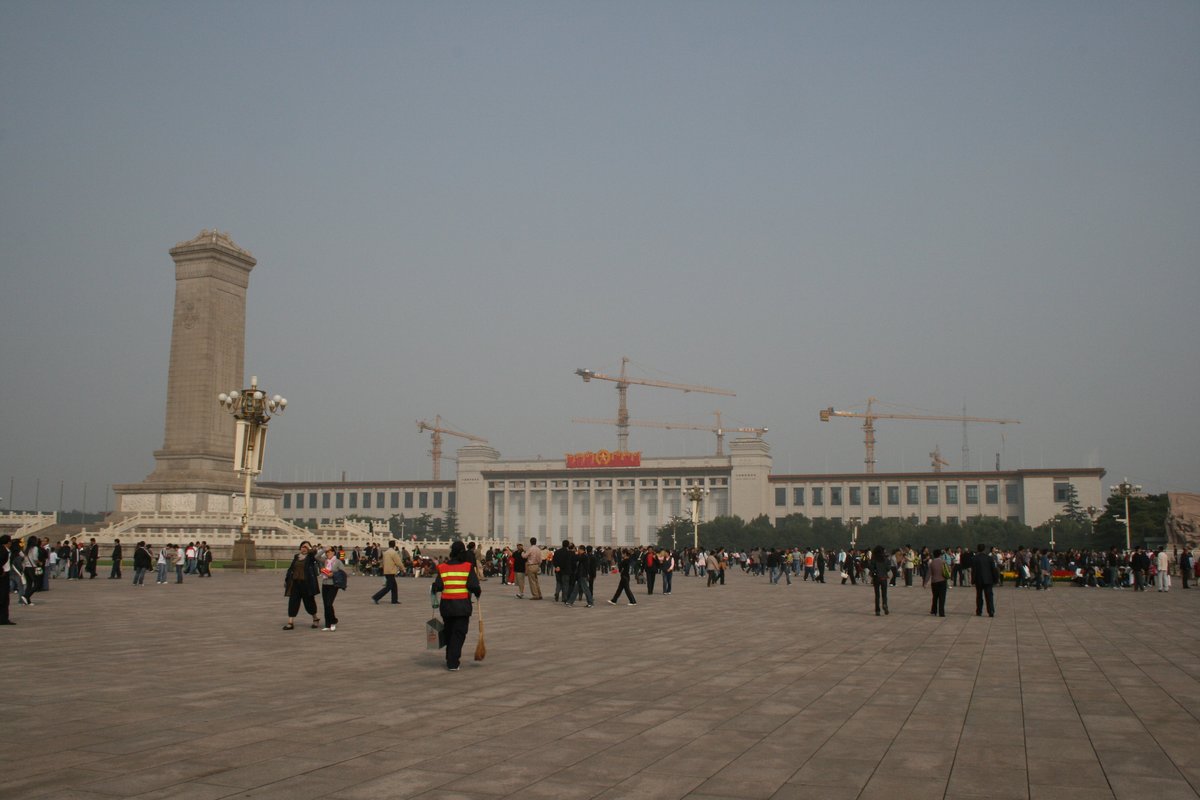
Tiananmen Square, the emblematic heart of Beijing, China, stands as one of the world's most significant historical and cultural sites.

National Museum of China
02 Place

National Museum of China

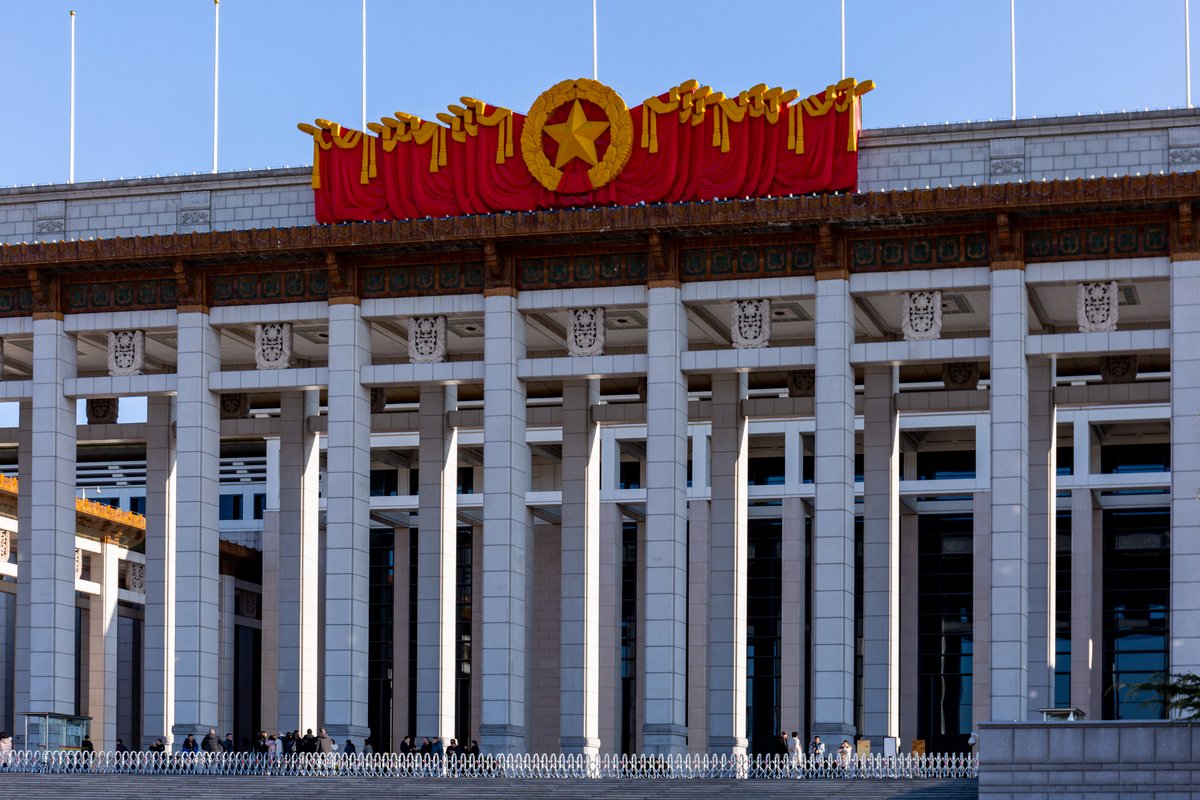
Situated prominently on the eastern flank of Tian’anmen Square in Beijing, the National Museum of China (NMC) stands as a monumental beacon of Chinese…

Marco Polo Bridge Incident
03 Place

Marco Polo Bridge Incident

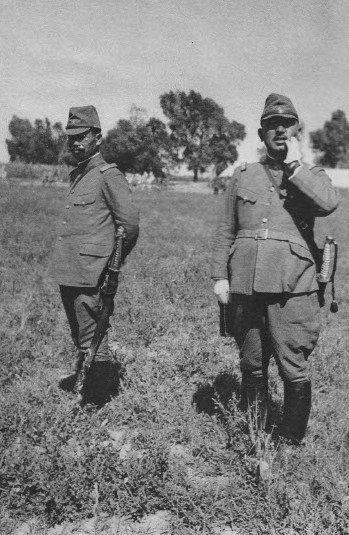
Wanping Fortress, also known as 宛平城城墙 (Wanping Cheng Chengqiang), is a spectacular historical site located in the Fengtai District of Beijing.

Temple of Heaven
04 Place

Temple of Heaven

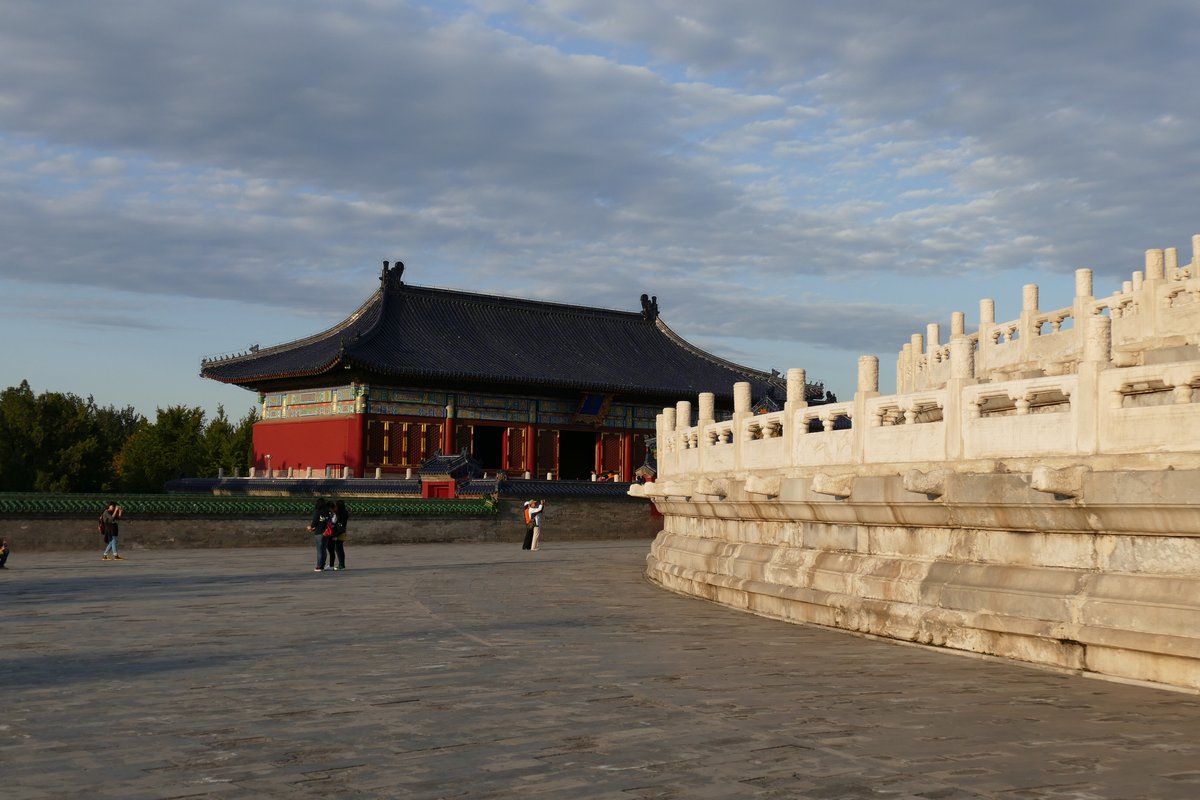
The Hall of Prayer for Good Harvests (祈年殿), located within the Temple of Heaven complex in Beijing, is a profound symbol of ancient Chinese culture and…

05 Place

Summer Palace

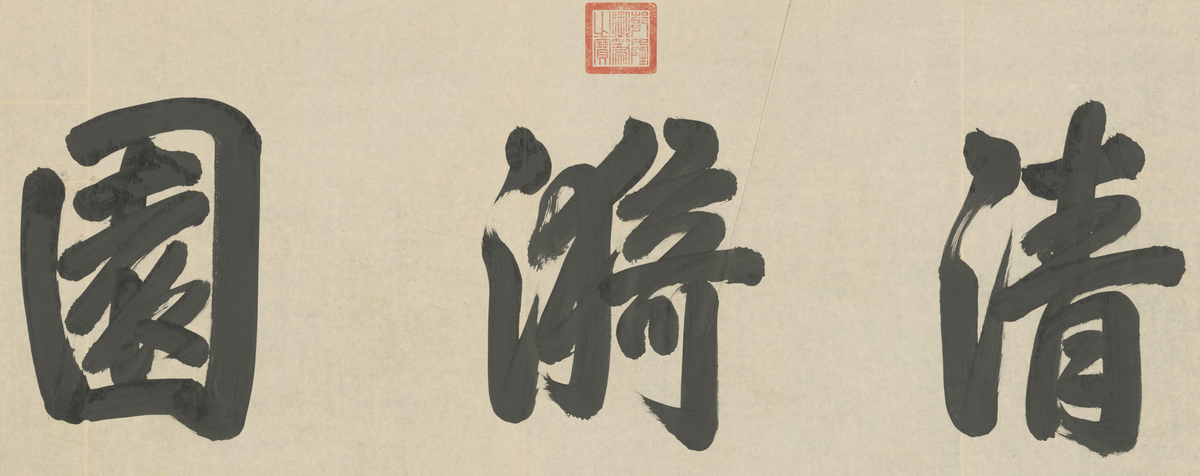
Nestled within the sprawling grounds of the Summer Palace in Beijing, the Harmonious Interest Garden (谐趣园) and Xiequ Garden stand as enduring symbols of…

Beijing National Stadium
06 Place

Beijing National Stadium

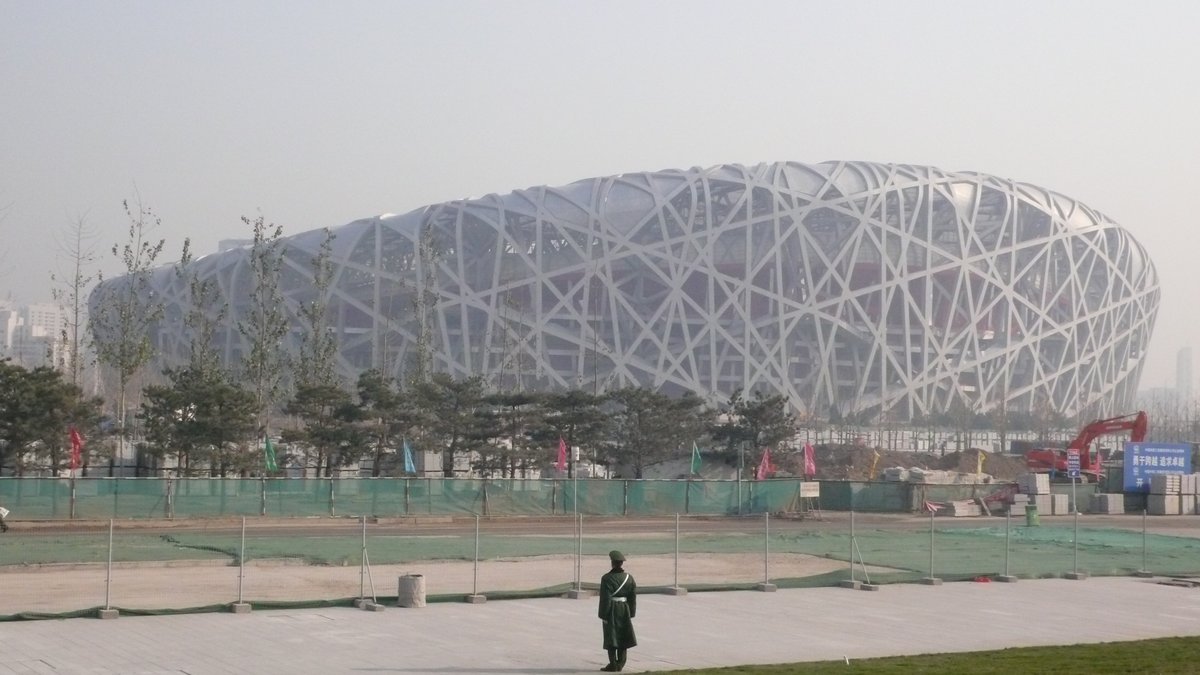
The Beijing National Stadium, commonly known as the 'Bird's Nest,' is one of the most iconic architectural marvels in modern China.

Yonghe Temple
07 Place

Yonghe Temple

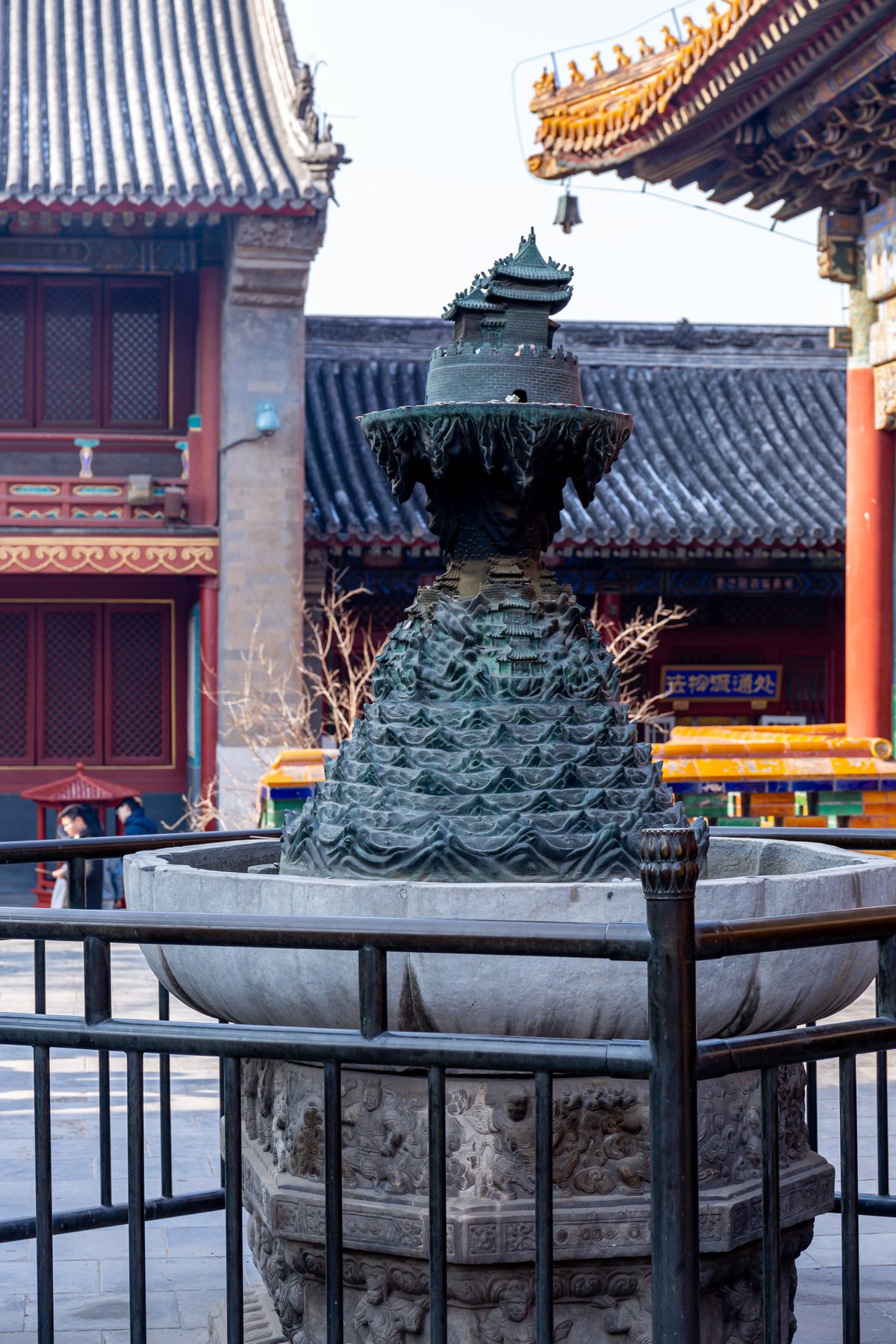
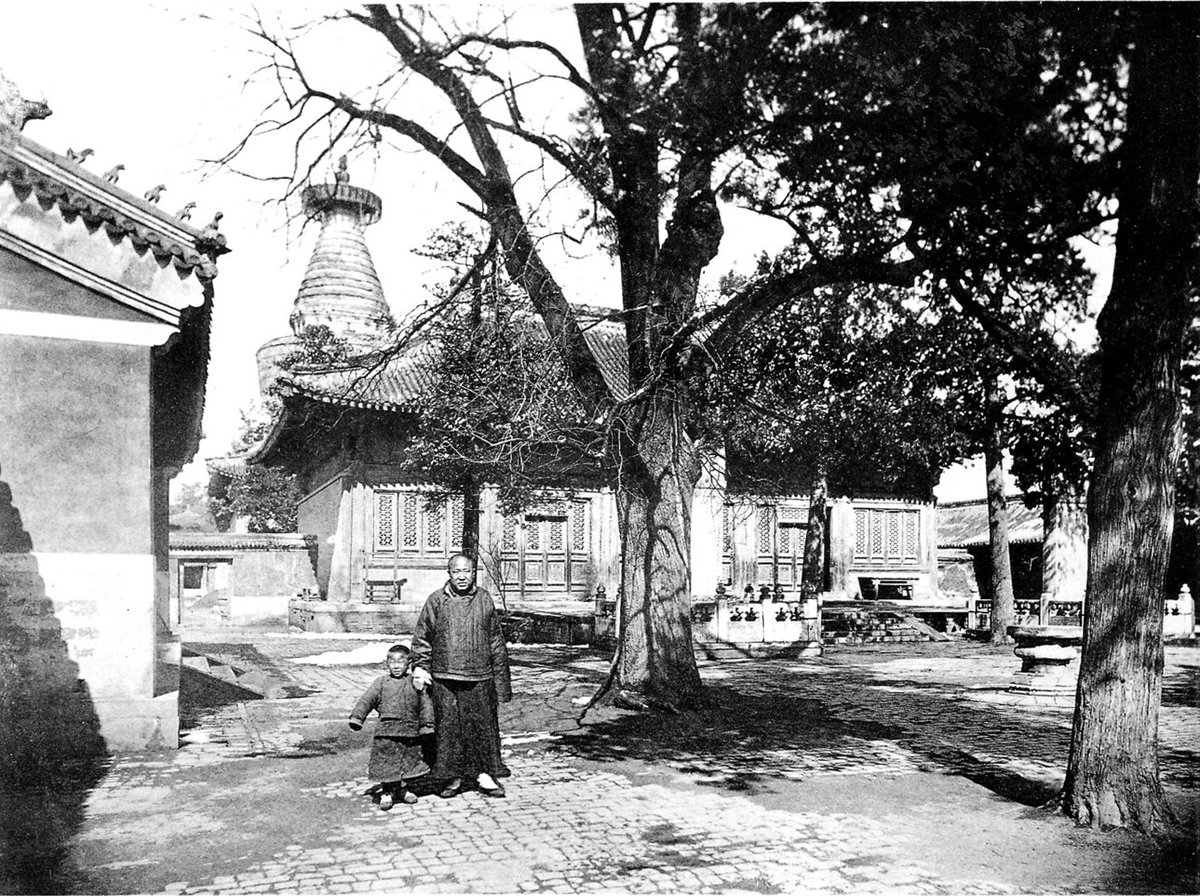
Nestled in the heart of Beijing, Yonghe Temple—commonly known as the Lama Temple or Yonghe Gong (雍和宫)—stands as an extraordinary monument that intertwines…

All 159 places in Beijing

04 Neighborhoods.

Where to wander, by quarter — each with its own rhythm.

01

Dongcheng

The historic heart where the Forbidden City and its surrounding moat still set the rhythm of daily life. Narrow hutongs branch off wider avenues like capillaries. Morning brings the sound of retired residents practicing tai chi in Beihai Park while the afternoon light cuts sharp angles across the curved roofs of the Shijia Hutong Museum. This is where first-timers should stay. Everything classical lies within walking distance, yet quiet courtyard restaurants serve some of the best zha jiang mian without the tourist markup.

02

Gulou

The Drum and Bell Towers mark the northern end of the Central Axis and the start of Beijing's most alive nighttime neighborhood. Narrow lanes around Mao'er Hutong hide bars in converted courtyard houses where Great Leap Brewing pours its first batch of the evening. The echo of the drums at sunset still carries the same weight it did in the Yuan dynasty. Come for the youth and street food, stay for the 2 a.m. conversations that somehow always circle back to dynastic history.

03

Sanlitun

Beijing's cosmopolitan quarter feels like it was airlifted from another city entirely. Glass towers and international restaurants line streets where diplomats and tech workers chase the latest Japanese whisky bar. The contrast with imperial Beijing is total. Yet the neighborhood's real secret lies in its back alleys where small Korean and Sichuan restaurants serve until 4 a.m. without any of the pretension of the main strip.

04

798 Art Zone

A former electronics factory complex in the northeast where Bauhaus-style workshops from the 1950s now house contemporary galleries. The UCCA Center and Red Brick Art Museum sit among graffiti-covered smokestacks and industrial pipes that have been left exactly as they were. The light through the sawtooth factory roofs changes every hour. Come on a weekday morning when the crowds haven't arrived and the only sound is your footsteps on concrete floors that once vibrated with machinery.

05

Qianmen

The historic commercial street south of Tiananmen Square has been restored with mixed success. Behind the pedestrianized main drag of reconstructed Qing facades lie surviving hutongs that escaped both demolition and over-tourism. The contrast between the polished tourist section and the lived-in alleys two streets over tells you everything about how Beijing negotiates its past. Look for the small teahouses that have operated in the same location since the 1800s.

06

Shichahai

Three connected lakes north of Beihai Park where willow trees still dip into water that reflects both ancient drum towers and modern bar neon. Locals cycle the perimeter at golden hour while vendors sell lotus seed pods from wooden boats. The area bridges imperial leisure grounds with today's hutong bar scene. Winter brings frozen lakes and skaters. Summer nights fill with the clink of beer bottles from courtyard tables that spill out onto the lanes.

Historical Timeline

A City Shaped by Empire and Revolution

From prehistoric caves to the seat of modern China

Prehistoric Era
700,000 BCE

Peking Man Makes Fire

Deep in the limestone caves of Zhoukoudian, 42 kilometres southwest of today's centre, Homo erectus pekinensis learned to control fire. Charred bones and ash layers speak of meals shared across half a million years. The discovery would later force us to redraw the entire map of human awakening.

Ancient Kingdoms
c. 800 BCE

Ji Emerges as Yan Capital

The walled settlement of Ji rose on the northern Chinese plain. Its rulers governed the state of Yan during the chaotic Warring States period. The city's north-south axis, still visible today, was already being etched into the earth.

Yuan Dynasty
1271

Kublai Khan Builds Dadu

The Mongol emperor declared his new capital Dadu on the ruins of earlier cities. Tens of thousands of labourers raised palaces and granaries along a strict grid. The smell of fresh timber and steppe horses filled the air as Beijing first became the true centre of a vast empire.

Ming Dynasty
1406

Forbidden City Construction Begins

The Yongle Emperor ordered one million workers to build his vast purple-walled palace. Whole forests from southern China floated down rivers for its columns. When completed fourteen years later the complex contained 9,999 rooms and announced that heaven now favoured the Ming.

1420

Temple of Heaven Founded

Ming builders completed the first circular altar where emperors would pray for good harvests. The wooden pillars still carry the echo of those solemn chants. Every measurement reflected cosmic order. Beijing's skyline gained its most perfect expression of heaven meeting earth.

Qing Dynasty
1724

Ji Xiaolan Arrives in Beijing

The scholar who would edit the Siku Quanshu moved into a modest house on Zhushikou West Street. For the next 62 years his brush recorded ghosts, gossip and imperial secrets. His courtyard still stands, its quiet rooms heavy with the scent of old paper and candle smoke.

1750

Summer Palace Takes Shape

Qianlong transformed marshy land west of the city into an imperial pleasure ground. Artists and engineers created lakes, hills and pavilions that mimicked paradise. The result was so beautiful that Anglo-French troops felt compelled to burn it to the ground 110 years later.

1860

Anglo-French Forces Burn the Summer Palace

British and French troops looted and torched Qianlong's dream during the Second Opium War. Smoke rose for days. The destruction marked the moment Beijing could no longer pretend it stood at the centre of the world.

Late Qing / Republican Era
1892

Yuen Ren Chao Born

The future linguist and composer entered the world in Tianjin but found his intellectual home at Tsinghua University in Beijing. Between lectures he translated Bertrand Russell and began documenting China's dying dialects. The city gave him both the ancient voices and the modern platform he needed.

1899

Lao She Born in Beijing

Shu Qingchun came crying into a poor Manchu family in the western city. The lanes and courtyard life he absorbed as a child would later fill every page of Teahouse and Rickshaw Boy. No other writer captured the exact flavour of Beijing speech and its disappearing world.

1900

Boxer Rebellion Siege

The Gansu Army and Boxer fighters laid siege to the foreign legations for 55 days. Gunfire cracked across what is now Wangfujing. When the Eight-Nation Alliance broke through, Beijing suffered foreign occupation and another round of humiliating treaties.

1912

Qing Dynasty Falls

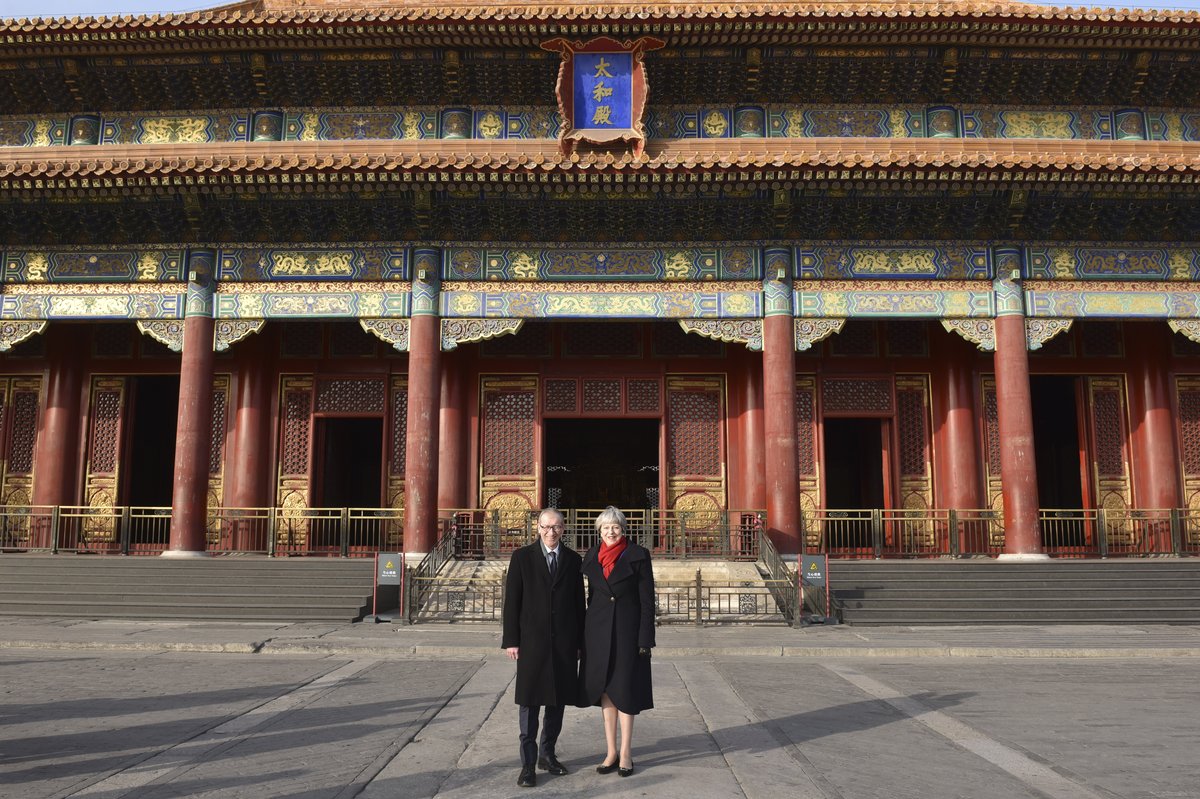
The last emperor Puyi abdicated in the Hall of Supreme Harmony. A boy of six walked out of the Forbidden City into a republic. The 500-year imperial system that had defined Beijing simply ended between one dawn and the next.

Republican Era
1927

Li Dazhao Executed

The co-founder of the Chinese Communist Party was hanged in a Beijing prison at thirty-eight. His writings from a small house near Peking University had already planted seeds that would eventually remake the city and the nation.

1937

Japanese Occupation Begins

After the Marco Polo Bridge incident, Japanese forces seized Beijing. For eight years the city lived under foreign military rule. Temples became barracks, and the sound of marching boots replaced the chatter of hutong life.

People's Republic Era
1949

Mao Proclaims People's Republic

On October 1, Mao Zedong stood on the Gate of Heavenly Peace and declared a new China. Half a million voices answered him in Tiananmen Square. Beijing reclaimed its role as capital after twenty-one years as Beiping.

1966

Lao She Dies

Persecuted during the early Cultural Revolution, the seventy-six-year-old writer drowned himself in a lake west of the city. The author who had immortalised old Beijing could not survive its destruction. His small courtyard on Fengfu Hutong remains a quiet memorial.

1976

Tangshan Earthquake Strikes

On July 28 the earth shook violently. Buildings across Beijing cracked and thousands slept in makeshift tents in the parks. The disaster accelerated the end of the Cultural Revolution and the beginning of a different China.

1978

Guo Moruo Passes Away

The writer, historian and archaeologist died in his residence beside Qianhai Lake. Once stables for Prince Gong's mansion, the house had witnessed decades of intellectual and political storms. His departure closed one of the last direct links to pre-revolutionary Beijing culture.

2008

Beijing Hosts Summer Olympics

The Bird's Nest and Water Cube transformed the northern skyline. Fireworks lit the sky on August 8 as the world arrived. For the first time since 1421, Beijing stood at the undisputed centre of global attention.

2022

Winter Olympics Return

Beijing became the first city to host both summer and winter Games. New venues rose in the mountains north of the old centre. The contrast between ancient axis and futuristic snow stadiums felt like the perfect summary of everything this city has been.

2024

Central Axis Gains UNESCO Status

The 7.8-kilometre line from the Bell Tower to the Temple of Heaven was inscribed as a World Heritage site. After six centuries it finally received international recognition for the Confucian order it still quietly imposes on every Beijing street.

Present Day

06 Who lived here.

The people who shaped the city — and were shaped by it.

Novelist and dramatist 1899–1966

Lao She

Born and lived most of his life in Beijing

Lao She grew up in the narrow hutongs near the Bell Tower and spent his final years writing at 19 Fengfu Hutong. His play Teahouse captures three generations of Beijing life inside one room. Walk those same alleys at dusk and you half expect one of his characters to invite you in for tea. The city he loved eventually broke him, yet his voice still sounds more honest than any official history.

Scholar and writer 1724–1805

Ji Xiaolan

Lived 62 years in Beijing

For six decades Ji Xiaolan returned each evening to his courtyard on Zhushikou West Street after editing the emperor’s massive imperial library. At night he wrote ghost stories that still make Beijingers smile. His old home survives as a small museum where the creak of Qing dynasty floorboards under your shoes feels exactly right.

Writer, poet and historian 1892–1978

Guo Moruo

Lived near Qianhai from 1963 until his death

Guo Moruo moved into the former stables of Prince Gong’s mansion in 1963 and stayed until the end of his life. From those quiet rooms he tried to rewrite China’s entire past to fit the present. Locals still debate whether the poet or the politician won. The quiet courtyard today gives no easy answers.

08 Where to Eat.

Where locals actually book dinner — not the tourist menus.

Li Qun Roast Duck Restaurant Li Qun Roast Duck Restaurant
Local favorite €€

Li Qun Roast Duck Restaurant

4.1 View
Quanjude Hepingmen Branch Quanjude Hepingmen Branch
Local favorite €€€

Quanjude Hepingmen Branch

4.2 View
Muslim Restaurant Muslim Restaurant
Local favorite €€

Muslim Restaurant

4.3 View
Daoxiangcun Cake Daoxiangcun Cake
Quick bite €€

Daoxiangcun Cake

4.7 View
Heping Wine House Heping Wine House
Local favorite €€

Heping Wine House

4.5 View
Long Table Long Table
Quick bite €€

Long Table

4.7 View

09 Insider tips.

Small things that change how the city treats you.

Visit in September

September brings 15–22°C days with clear skies and far fewer crowds than October's Golden Week. Book your Great Wall hike for a weekday then—the difference in elbow room is striking.

Master the Metro

Link foreign Visa cards directly at any station for tap-and-go. Download Gaode Maps beforehand; Google Maps barely functions here and will leave you lost.

Set Up Alipay

Link your card to Alipay or WeChat Pay before landing. Cash is almost useless—street vendors, buses, and even temple ticket machines expect QR codes.

Queue Like a Local

At Huguosi Street breakfast spots, a line of Beijingers at 7am signals the real deal. Join it for the best jiaoquan and douzhi; the wait is rarely longer than ten minutes.

Choose Wild Wall

Skip the souvenir stalls at Badaling. Take the bus to Jinshanling instead—its unrestored sections let you walk for kilometres hearing only wind and your own footsteps.

Security is Normal

Bag x-rays and metal detectors greet you at every subway station and major site. Keep liquids under 100ml and patience high. It moves faster than it looks.

12 Frequently asked

Is Beijing worth visiting?

Yes, if you like contrasts. One morning you can stand inside a 600-year-old courtyard where emperors once lived, the next watch a 21st-century artist weld scrap metal in a former electronics factory. The city still runs on a strict north-south axis first laid out under the Mongols. That tension between old order and new chaos is the real reason to come.

How many days do I need in Beijing?

Four full days lets you see the imperial core without rushing. Five is better if you want a full day on the Wall and an afternoon wandering hutongs where locals still live. Three days feels like you are only ticking boxes.

How do I get from Beijing airport to the city centre?

From PEK Terminal 3, take the Airport Express train to Dongzhimen for ¥25 and 25 minutes, then transfer to the metro. From Daxing, the new Airport Express reaches Caoqiao in about 40 minutes for ¥10–50. Both lines now accept foreign cards.

Is Beijing safe for tourists?

Violent crime is almost nonexistent. The main annoyances are overcharging at tourist restaurants near Qianmen and occasional scams involving fake tea ceremonies. Standard big-city awareness is enough.

When is the best time to visit Beijing?

Late April to early May or all of September. Both periods avoid the worst heat, cold, and pollution spikes. September edges it for clearer skies over the Forbidden City rooftops.

How expensive is Beijing for visitors?

Metro rides cost ¥3–6. A solid Peking duck dinner at Siji Minfu runs about ¥250 per person. Budget travellers can eat well for under ¥80 a day using street stalls and hutong eateries.

Ready to book?

03 Top tickets in Beijing.

Book ahead

Curated from places in this city. Same price as official sites.

All-Inclusive Tour: Tiananmen Square, Forbidden City, Great Wall
Tiananmen Square
All-Inclusive Tour: Tiananmen Square, Forbidden City, Great Wall
5.0 from €84.61
4-Hour Small Group Tour to Forbidden City with Entry Tickets
Forbidden City
4-Hour Small Group Tour to Forbidden City with Entry Tickets
4.9 from €26.33
Beijing Full Day Tours: Tiananmen Sq, Forbidden City, Great Wall
Tiananmen Square
Beijing Full Day Tours: Tiananmen Sq, Forbidden City, Great Wall
4.9 from €85.48
Beijing Forbidden City Ticket Booking (Optional: guide service)
Forbidden City
Beijing Forbidden City Ticket Booking (Optional: guide service)
4.8 from €8.62
Forbidden City&T-Square Small GroupTours w/ ticket(Eng/Esp Guide)
Forbidden City
Forbidden City&T-Square Small GroupTours w/ ticket(Eng/Esp Guide)
4.9 from €13.81
Mini Group Discovery Forbidden City Tour with Hotel Pickup option
Meridian Gate
Mini Group Discovery Forbidden City Tour with Hotel Pickup option
4.9 from €31.08

Prices shown are indicative — final pricing and availability are confirmed at checkout. Audiala may receive a commission from bookings made via these links.

13Before you go

Practical Information

Flight

Getting There

Fly into Beijing Capital International Airport (PEK) or the newer Beijing Daxing International Airport (PKX). Both connect directly to the city via Airport Express trains. High-speed rail from Shanghai arrives at Beijing South station in under five hours.

Directions transit

Getting Around

The Beijing Subway runs 27 lines in 2026 and costs ¥3–¥10 depending on distance. Foreign bank cards now tap directly at gates. Download Gaode Maps before you land. Shared bikes via Alipay or WeChat are everywhere if you park them in the painted rectangles.

Thermostat

Climate & Best Time

Spring (March–May) brings 9–22°C days and almond blossom. Autumn (September–October) delivers crisp 6–22°C weather and the best light on hutong roofs. Summers hit 28°C with July downpours. Avoid the first week of October when the entire country travels.

Translate

Language & Currency

Cash is almost extinct in 2026. Link your foreign card to Alipay or WeChat Pay before arrival or you will struggle. Keep a card with your hotel name written in Chinese characters. Google Maps doesn’t work here. Use Gaode or Apple Maps instead.

Take Beijing with you

47 minutes of Beijing,
downloaded once.

159 places, one continuous walking route. Free with your first city.

Get this guide on the app Open in browser

All Places to Visit.

159 places to discover

Tiananmen Square
Place

Tiananmen Square

National Museum of China
Place

National Museum of China

Marco Polo Bridge Incident
Place

Marco Polo Bridge Incident

Temple of Heaven
Place

Temple of Heaven

Place

Summer Palace

Beijing National Stadium
Place

Beijing National Stadium

Yonghe Temple
Place

Yonghe Temple

The Palace Museum
Place

The Palace Museum

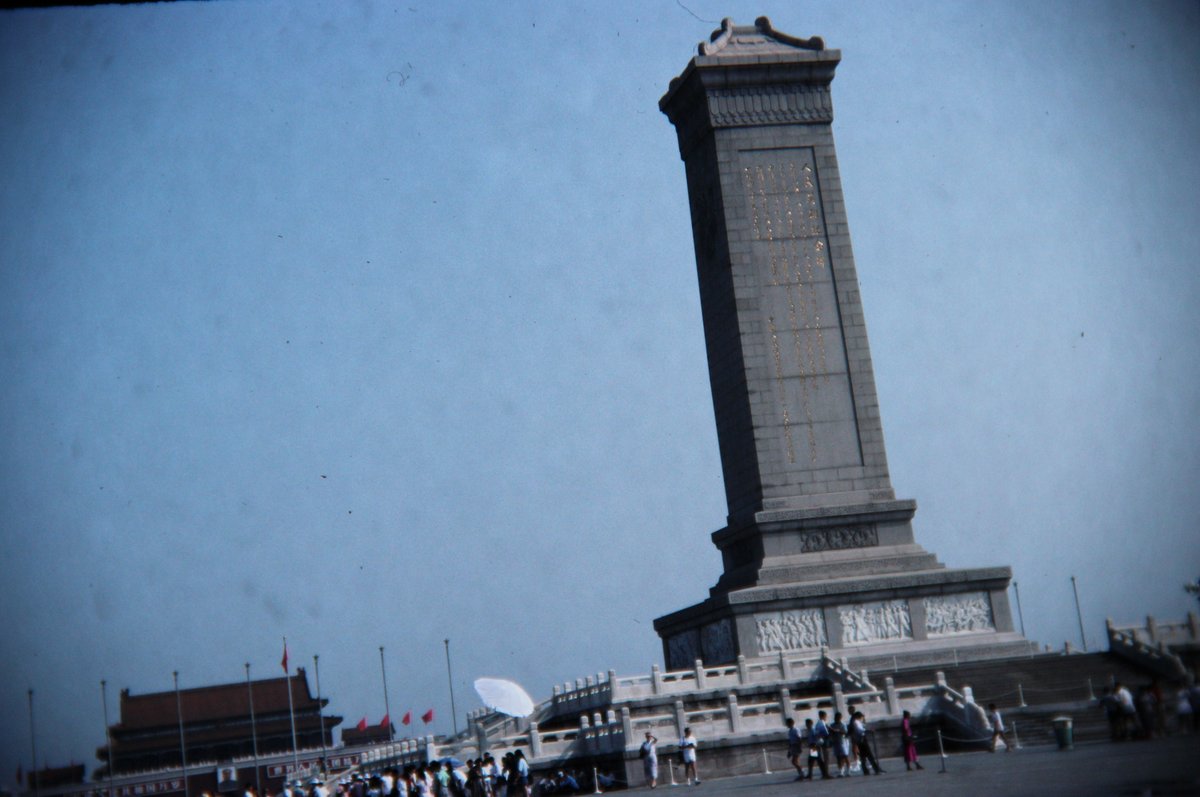
Monument to the People'S Heroes
Place

Monument to the People'S Heroes

China World Trade Center Tower Iii
Place

China World Trade Center Tower Iii

Place

Fayuan Temple

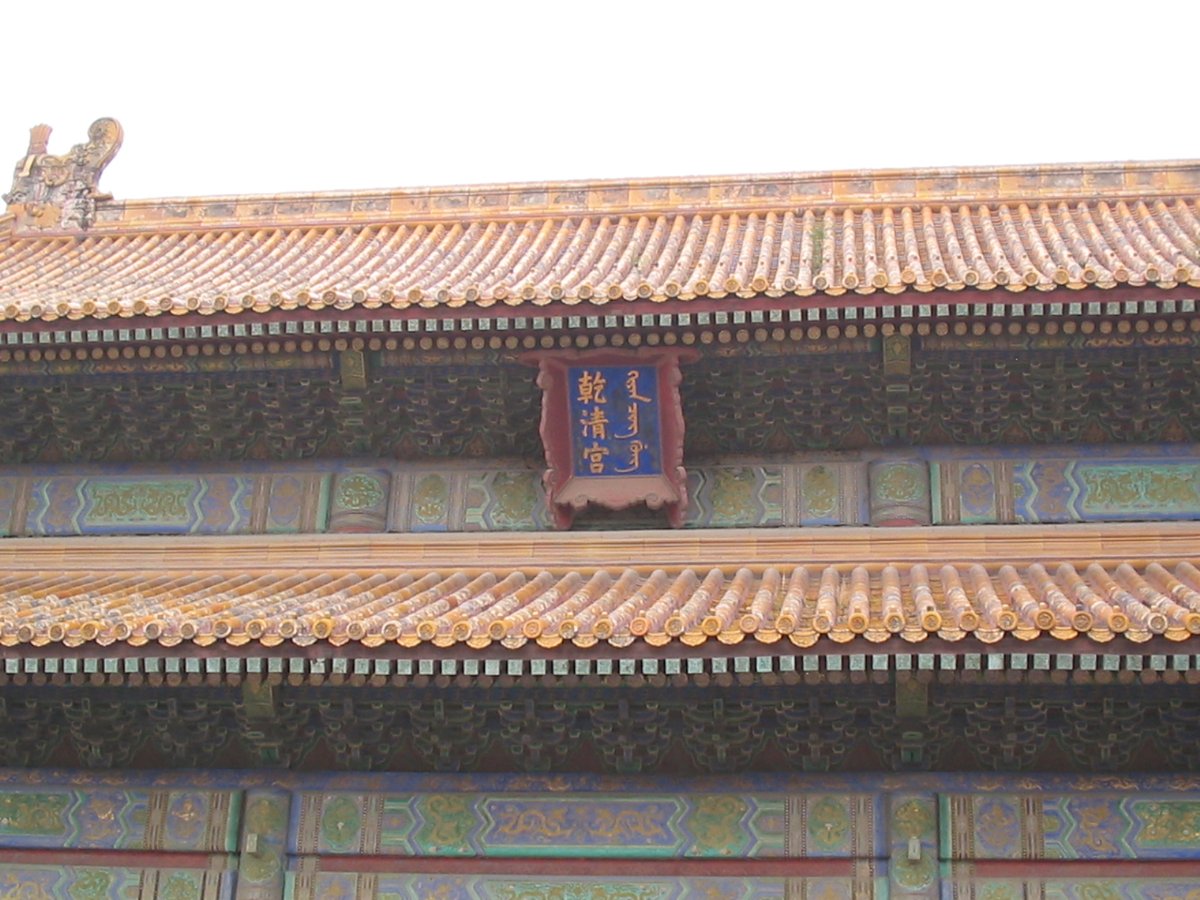
Palace of Heavenly Purity
Place

Palace of Heavenly Purity

Cathedral of the Immaculate Conception
Place

Cathedral of the Immaculate Conception

Great Wall of China
Place

Great Wall of China

Temple of Agriculture
Place

Temple of Agriculture

Guanghua Temple
Place

Guanghua Temple

Miaoying Temple
Place

Miaoying Temple

Beijing Dongyue Temple
Place

Beijing Dongyue Temple

St. Joseph'S Church, Beijing
Place

St. Joseph'S Church, Beijing

China Science and Technology Museum
Place

China Science and Technology Museum

Forbidden City
Place

Forbidden City

Gulou and Zhonglou
Place

Gulou and Zhonglou

Place

Changchun Temple

St. Michael'S Church, Beijing
Place

St. Michael'S Church, Beijing

Western Zhou Yan State Capital Museum
Place

Western Zhou Yan State Capital Museum

Place

China National Botanical Garden

Place

Yuan Dadu City Wall Ruins Park

Place

Beijing Temple of Confucius

Wofo Temple
Place

Wofo Temple

Palace of Earthly Tranquility
Place

Palace of Earthly Tranquility

Dajue Temple
Place

Dajue Temple

Cheng'En Temple
Place

Cheng'En Temple

Place

Zhalan Cemetery

Peking University
Place

Peking University

Tsinghua University
Place

Tsinghua University

Dahui Temple
Place

Dahui Temple

Place

Baoguo Temple, Beijing

Place

Dongsi Mosque

Place

Tongjiao Temple

798 Art Zone
Place

798 Art Zone

Place

Holy Saviour'S Cathedral

Place

Pudu Temple

Pagoda of Tianning Temple
Place

Pagoda of Tianning Temple

Beijing Capital International Airport
Place

Beijing Capital International Airport

Place

Guanfu Museum

Place

China Agricultural Museum

Xinhai Luanzhou Uprising Memorial Park
Place

Xinhai Luanzhou Uprising Memorial Park

Beijing Police Museum
Place

Beijing Police Museum

Showing 48 of 159 — search any place to jump straight there.