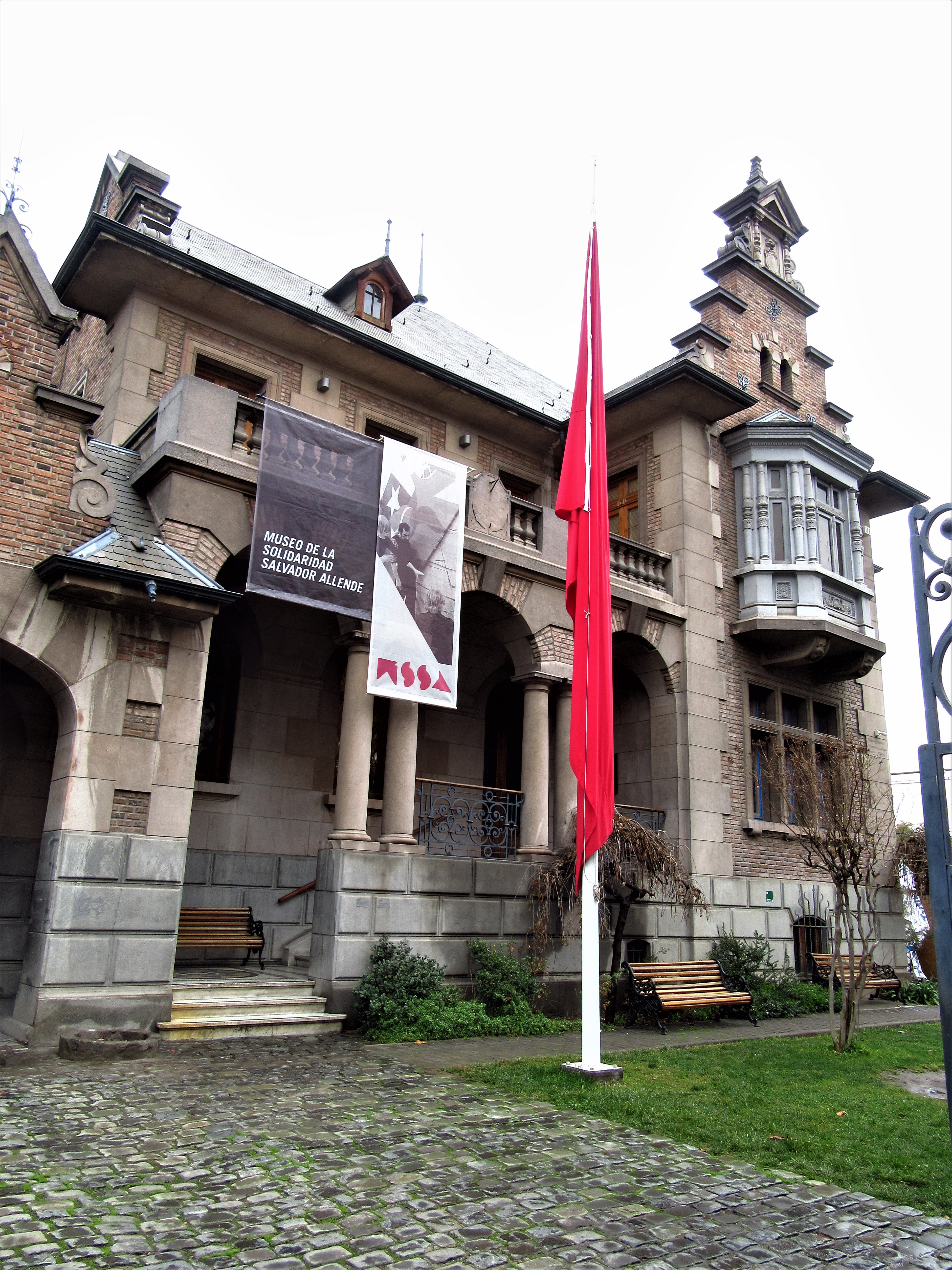
Introduction
Plaza Mulato Gil de Castro, nestled in the Lastarria neighborhood of Santiago, Chile, is a captivating destination for anyone interested in the city's rich historical and cultural tapestry. Named after the celebrated Afro-Peruvian painter José Gil de Castro, the plaza has evolved from a colonial-era residential area into a vibrant cultural hub. This transformation mirrors Santiago's broader historical and social developments, making the plaza a microcosm of the city's growth. (Museo de Artes Visuales, Barrio Lastarria)
The plaza's significance is multifaceted, encompassing historical, architectural, social, and economic dimensions. Visitors can explore a blend of colonial, neoclassical, and modern architectural styles, alongside cultural institutions like the Museo de Artes Visuales (MAVI) and the Galería de Arte Contemporáneo. The area is also a hotspot for events, art installations, and performances, making it a dynamic space that draws both locals and tourists. (Santiago Tourist, Museo Arqueológico de Santiago)
This comprehensive guide aims to provide all the essential information for visiting Plaza Mulato Gil de Castro, including its historical background, cultural significance, visitor tips, and practical details such as opening hours and ticket prices. Whether you're a history enthusiast, an art lover, or a casual traveler, this guide will help you make the most of your visit.
History of Plaza Mulato Gil de Castro
Origins and Early Development
Plaza Mulato Gil de Castro, named after José Gil de Castro, a prominent Afro-Peruvian painter and soldier, is part of Santiago's colonial grid laid out by Pedro de Valdivia in 1541. This grid system was typical of Spanish colonial urban planning, designed to facilitate administrative control and social organization.
Colonial Era
During the colonial period, the area surrounding what is now Plaza Mulato Gil de Castro was primarily residential. The plaza itself was part of a network of open spaces used for various public and private activities. The influence of Spanish architecture is still evident in the older buildings around the plaza.
19th Century Transformations
Following Chile's independence from Spain in 1818, Santiago underwent modernization and expansion. The plaza began to take shape as a more defined public space during this time, becoming a focal point for social and cultural activities.
20th Century - A Cultural Hub
The 20th century marked a period of transformation for Plaza Mulato Gil de Castro as it evolved into a cultural and artistic hub. The 1970s saw the establishment of several cultural institutions, including the Museo de Artes Visuales (MAVI) and the Galería de Arte Contemporáneo.
Recent Developments
In recent years, Plaza Mulato Gil de Castro has continued to evolve, balancing its rich historical legacy with contemporary cultural and social dynamics. It has hosted numerous public art installations, performances, and cultural festivals.
Architectural Significance
The architectural landscape of Plaza Mulato Gil de Castro showcases a mix of colonial, neoclassical, and modern styles. Notable structures include the Casa Colorada and the Iglesia de San Francisco.
Historical Figures and Events
José Gil de Castro, after whom the plaza is named, was a key figure in the independence movements of Chile, Peru, and Argentina. The plaza has also been a site of political and social gatherings.
Preservation and Heritage
The preservation of Plaza Mulato Gil de Castro and its surrounding area has been a priority. The plaza is part of the Barrio Lastarria, a neighborhood recognized for its historical and cultural significance. Efforts have focused on maintaining the architectural integrity while promoting cultural activities.
Cultural Impact
The plaza hosts a variety of cultural events, including art exhibitions, music performances, and literary festivals. Its role as a cultural hub is enhanced by its proximity to other cultural institutions, such as the Centro Cultural Gabriela Mistral (GAM).
Visitor Information
Visiting Hours and Tickets
- Visiting Hours: Plaza Mulato Gil de Castro is open daily from 9:00 AM to 7:00 PM. Note that individual institutions within the plaza may have different operating hours.
- Tickets: Entry to the plaza is free. However, some attractions like the Museo de Artes Visuales and the Galería de Arte Contemporáneo may charge an entrance fee.
Travel Tips
- Accessibility: The plaza is wheelchair accessible, and most cultural institutions offer facilities for visitors with disabilities.
- Guided Tours: Consider joining a guided tour to gain deeper insights into the history and cultural significance of the plaza.
- Photographic Spots: The plaza offers numerous spots for photography, especially around its historical buildings and cultural installations.
FAQ
- What are the visiting hours for Plaza Mulato Gil de Castro?
- The plaza is open daily from 9:00 AM to 7:00 PM.
- How much do tickets for Plaza Mulato Gil de Castro cost?
- Entry to the plaza is free, but some attractions may charge an entrance fee.
Listen to the full story in the app
Your Personal Curator, in Your Pocket.
Audio guides for 1,100+ cities across 96 countries. History, stories, and local insight — offline ready.
Audiala App
Available on iOS & Android
Join 50k+ Curators
Sources
- verified
- verified
- verified
- verified
- verified
- verified
Last reviewed: