An Architectural Beacon
The Grande Mosquée is the city's silent, sand-colored heart. Non-Muslims can't enter, but the surrounding square offers a moment of calm, a chance to watch the city's rhythms unfold against its towering walls.
The first thing you notice about N'Djamena is the dust. A fine, ochre silt from the Chari River hangs in the air, softening the harsh Saharan light and coating everything from the minarets of the Grand Mosque to the colonial facades along Avenue Charles de Gaulle. This is Chad's capital, a city where over a million people from 200 different ethnic groups have converged, creating a place that feels less like a planned metropolis and more like a sprawling, sun-baked conversation.
 N'Djamena · Chad
Researched from Wikidata, Wikipedia & official sources · fact-checked · How we make our guides →
NThe first thing you notice about N'Djamena is the dust. A fine, ochre silt from the Chari River hangs in the air, softening the harsh Saharan light and coating everything from the minarets of the Grand Mosque to the colonial facades along Avenue Charles de Gaulle. This is Chad's capital, a city where over a million people from 200 different ethnic groups have converged, creating a place that feels less like a planned metropolis and more like a sprawling, sun-baked conversation.
Islamic devotion shapes the city's daily rhythm. The call to prayer echoes five times a day from the Grande Mosquée, a landmark of white and green whose interior remains off-limits to non-Muslims. Around it, life moves with a quiet intensity. Dress modestly here. The warmth of the people is genuine, but so is the expectation of respect for tradition.
French is the official language, a colonial holdover you'll hear in government offices and see on street signs. But the real culture lives in the Grand Marché, a labyrinth of stalls selling everything from spices to silver, and along the riverbanks at sunset where families gather. The National Museum holds the archaeological keys to this past, though its collection has been hidden behind restoration scaffolding since at least 2017.
What makes this place worth slowing down for.
The Grande Mosquée is the city's silent, sand-colored heart. Non-Muslims can't enter, but the surrounding square offers a moment of calm, a chance to watch the city's rhythms unfold against its towering walls.
The National Museum holds Chad's story across 200 ethnic groups, from ancient Sao artifacts to contemporary traditions. Its restoration has been ongoing since 2017; its reopening in 2026 feels like a promise to the city's future.
The Chari River is a natural border and a social stage. A sunset stroll along its banks lets you feel the city's pulse slow, the heat dissipate, and the silhouette of Cameroon rise across the water.
Where to wander, by quarter — each with its own rhythm.
This is the administrative heart, built for grand statements. The stark white facade of the Presidential Palace dominates the view, though you can't get any closer than the street. The Grande Mosquée anchors the district spiritually. Walk the length of Avenue Charles de Gaulle to understand the city's scale, but the real life happens in the side streets and the sprawling Grand Marché a few blocks away.
Where locals actually book dinner — not the tourist menus.
This central market is where the city eats. It's not a single restaurant but a sprawling source for everything: fresh produce, spices, and street food stalls offering the daily essentials. Go to see, to smell, and to taste the ingredients of local life.
Small things that change how the city treats you.
Do not photograph government buildings or military installations. A reviewer on Tripadvisor was explicitly warned about this. Keep your camera pointed at markets, mosques, and river scenes instead.
Multiple travelers note that travel in N'Djamena is "not secure for various reasons." Before booking, check your government's travel advisory and arrange local transport through a reputable hotel or guide.
The National Museum of Chad was under restoration as of 2017. Its status in 2026 is unclear. Ask your hotel to call ahead before making a trip, to avoid a wasted journey.
Non-Muslims can admire the Grande Mosquée from the outside, but interior access varies. Dress modestly when visiting its grounds. The serene surroundings are worth a moment of quiet sitting.
For day trips to places like Gaoui Village, a local guide is recommended. Be prepared to negotiate their fee directly. A tour to the Elephant Rock costs around $171 per adult.
The banks of the Chari River offer the city's most reliable scenic stroll. Go at sunset. The river forms the border with Cameroon, and the light on the water is the city's best free show.
The city, as it actually looks.

A vibrant crowd gathers near a striking, traditional architectural gateway in the heart of N'Djamena, Chad.
YUSUF MUHAMMAD SURAJ on Pexels
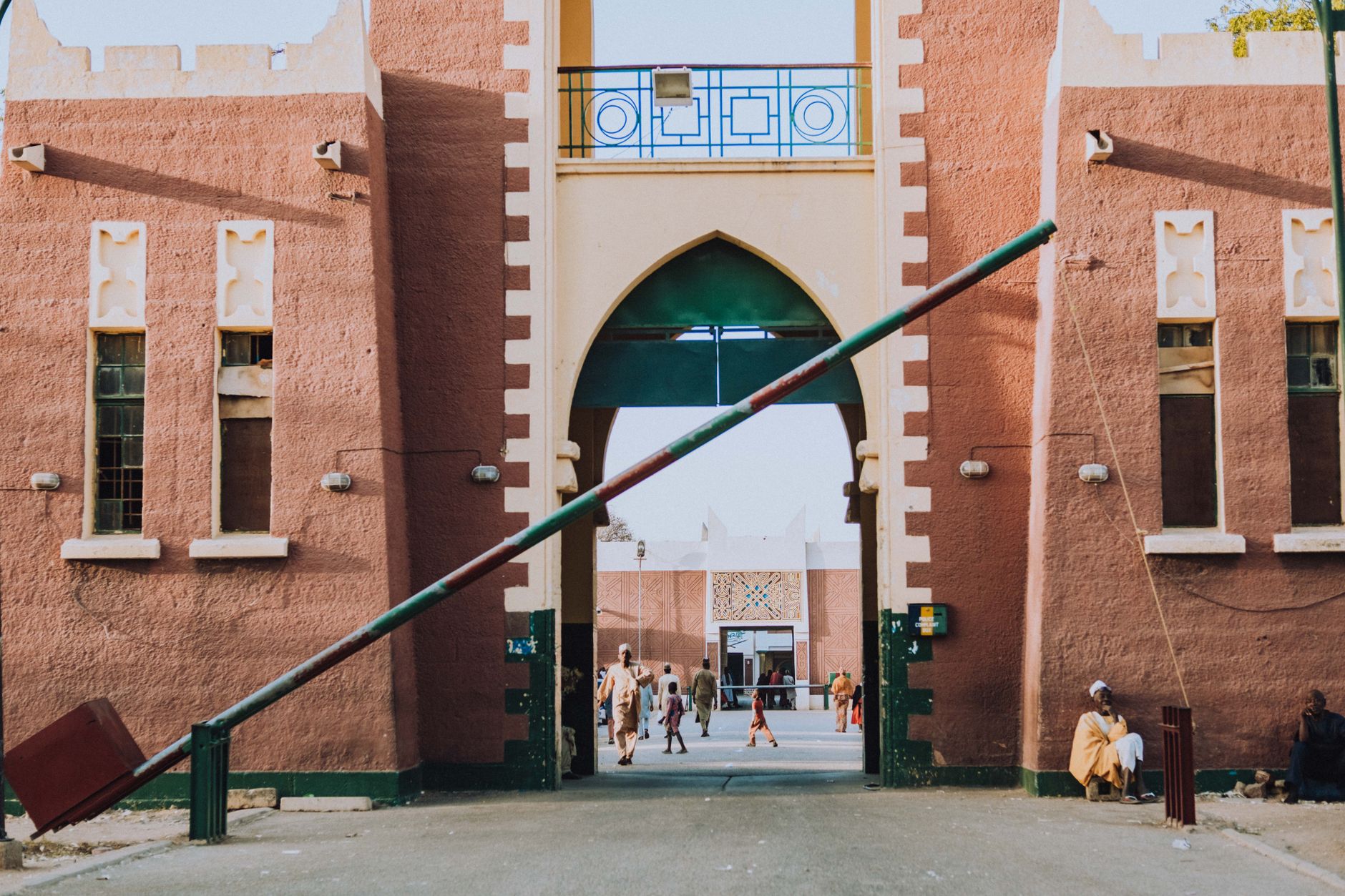
A view of a traditional gatehouse in N'Djamena, Chad, where locals walk through the arched entrance under soft, natural lighting.
Iklima Babangida on Pexels
For most tourists, no—it's a challenging capital with significant security concerns. It's worth visiting only if Chad is your destination for a specific reason, like an expedition to Zakouma National Park, and you need a staging point. The city offers glimpses of Sahelian life and a few cultural sites, but it's not a leisure destination.
Two to three days maximum. This gives you time to see the Grand Mosque, stroll the Chari River, visit the Grand Marché, and check if the National Museum is open. Most of Chad's major attractions, like Zakouma or the Ennedi Massif, require multi-day trips launched from here.
Focus on a few key sights: view the Grand Mosque and Presidential Palace exteriors, wander the central market, and walk along the Chari River at dusk. Consider a half-day trip to the ancient Sao site at Gaoui Village, 20 km away. Beyond that, the city is a base for far more dramatic excursions into the desert or savanna.
Travel advisories consistently warn against non-essential travel due to crime, terrorism, and civil unrest. Multiple traveler reviews cite security concerns. If you go, use registered taxis, avoid night travel, and do not photograph sensitive sites like government buildings. Hire a local guide through your hotel.
Gaoui Village is the most accessible. It's an ancient Sao civilization site just 20 km northeast. You'll need a guide, which you can arrange locally. For a more ambitious full-day trip, some tours go to the Elephant Rock (Doughia), but the 3.5-hour drive each way requires a 4WD.
It can be surprisingly costly. Organized day tours start around $120-$170 per person. A multi-day safari to Zakouma National Park runs close to $3,000. Accommodation and safe transport for foreigners also carry a premium due to the limited tourism infrastructure and security requirements.
Ready to book?
You arrive through N'Djamena International Airport (NDJ). It's the country's main gateway. There are no major passenger rail lines into the city; road connections from Cameroon and other regions are via the N1 and other national highways.
There's no metro or tram system. You'll rely on taxis, private drivers, and a limited bus network. For excursions like Gaoui Village or Elephant Rock, you'll need a 4WD vehicle and a negotiated guide—the tours listed in 2026 start at around $120.
The heat is relentless. Summer temperatures regularly exceed 40°C (104°F). The short rainy season from June to September offers some relief, but travel can be complicated. The dry, cooler months from November to February are the most tolerable window for a visit.
French is the official language, Arabic is widely spoken, and you'll hear a mosaic of local languages like Sara. The currency is the Central African CFA franc (XAF). Cash dominates; credit cards are rarely accepted outside major hotels.
Security concerns are noted by travelers. Avoid photographing government or military buildings. Dress modestly near religious sites. For current conditions in 2026, consult your government's travel advisories before planning.