Introduction: The Heart of Toronto’s Academic Heritage
University College, centrally located on the University of Toronto’s historic St. George campus, is a foundational institution in Canadian education and a celebrated architectural landmark. Established in 1853 as the first non-denominational college after the university’s secularization, it became a model for inclusive, public higher learning in Canada (Wikipedia). Its creation marked Canada’s transition from religious to secular higher education, embedding values of openness, academic rigor, and cultural inclusivity into its mission (UWO Visual Arts).
Constructed between 1856 and 1859, University College’s main building exemplifies Romanesque Revival architecture, with robust masonry, rounded arches, and a signature central tower (Boundless U of T). Today, the college stands as a National Historic Site, seamlessly integrating Victorian-era design with modern accessibility and sustainability through recent revitalization projects (Kohn Shnier Architects, ERA Architects).
As a vibrant academic and cultural hub, University College reflects both the legacy and forward-thinking spirit of the University of Toronto and remains a must-visit destination for those interested in Canadian history, architecture, and education (Toronto.ca). Visitors benefit from free access, guided and self-guided tours, and a prime location near Toronto’s major cultural sites, making it an essential stop in the city (University of Toronto Visitor Centre).
Photo Gallery
Explore University College in Pictures
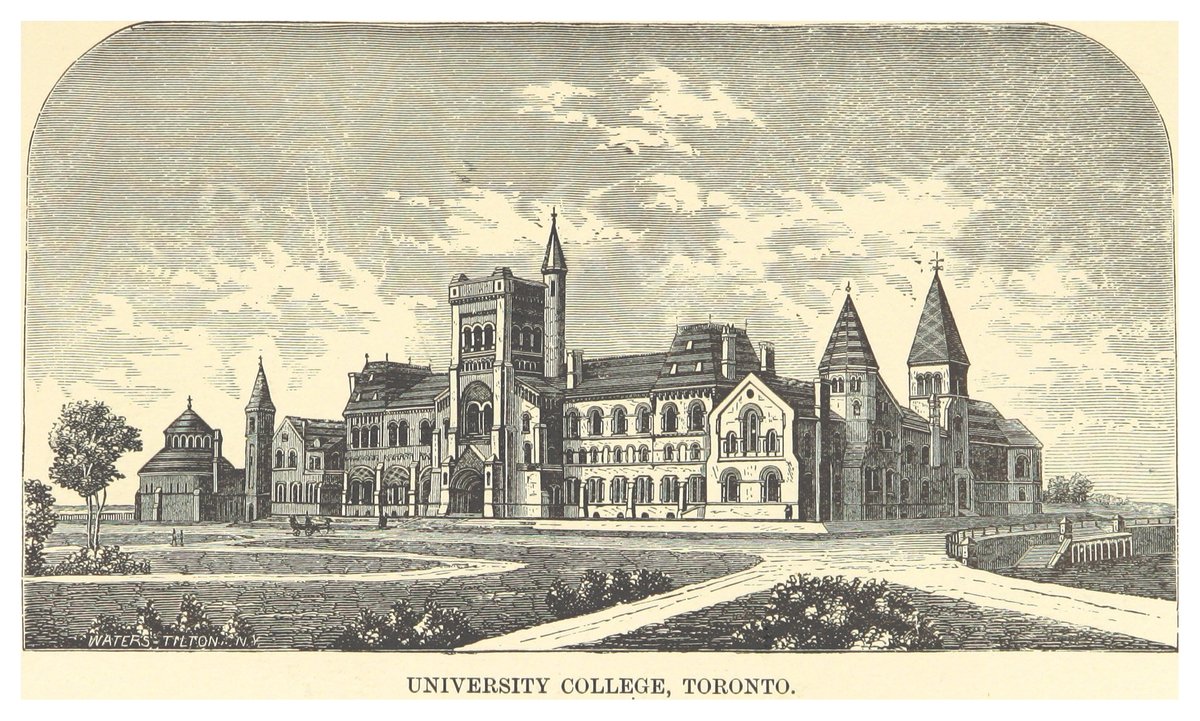
Detailed historic illustration of University College building in Toronto from the year 1881, showcasing architectural design and surrounding landscape.
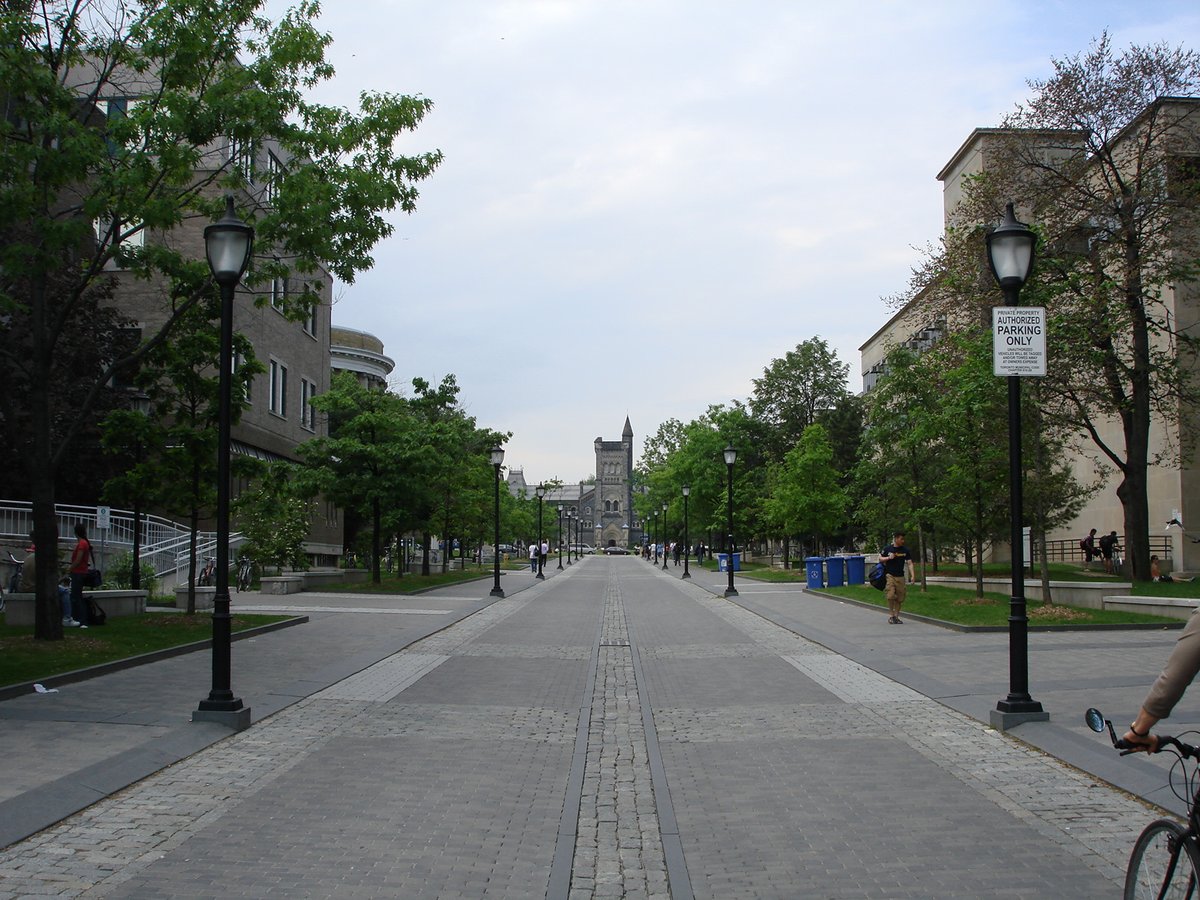
Photo showcasing a peaceful residential area featuring traditional houses and cars parked on both sides of Kings College Road under mature green trees
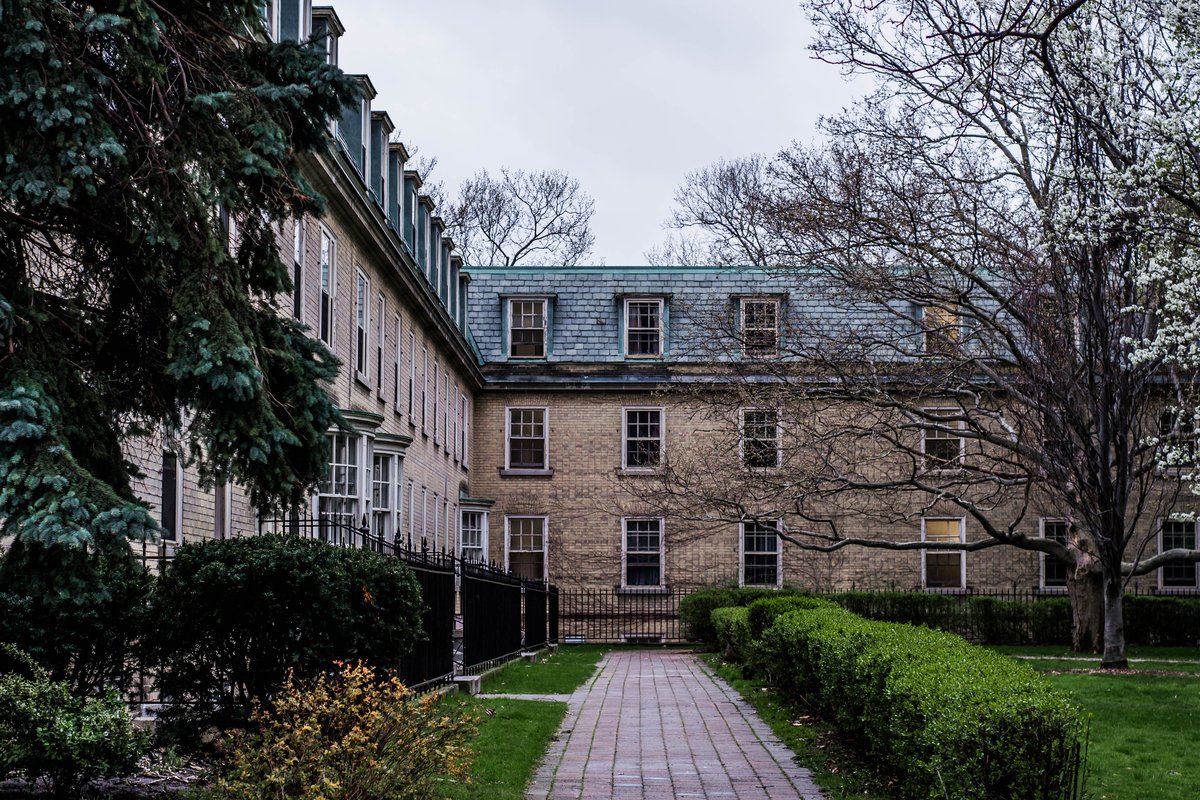
The outer quadrangle of University College located within the St. George Campus in downtown Toronto, Canada
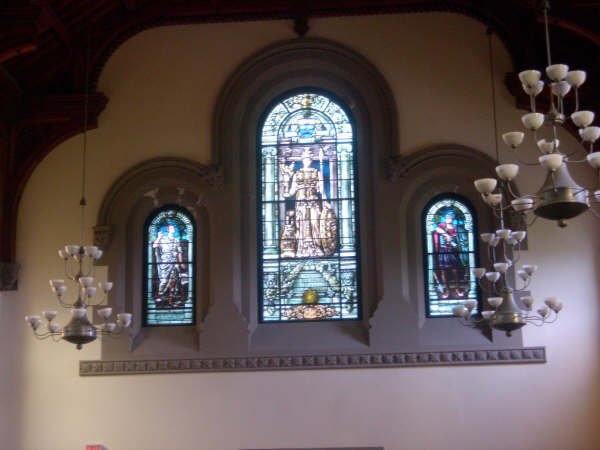
A beautiful stained glass painting with a gothic atmosphere located inside the eastern wing of University College, artist unknown.
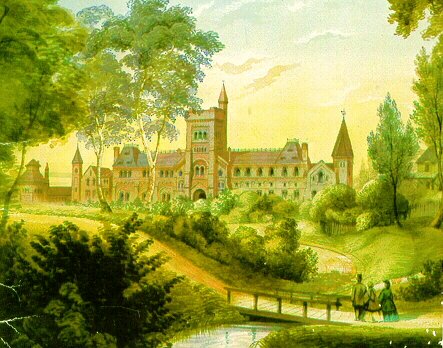
Watercolour painting depicting University College at the University of Toronto with Taddle Creek running through the foreground, created in 1861.
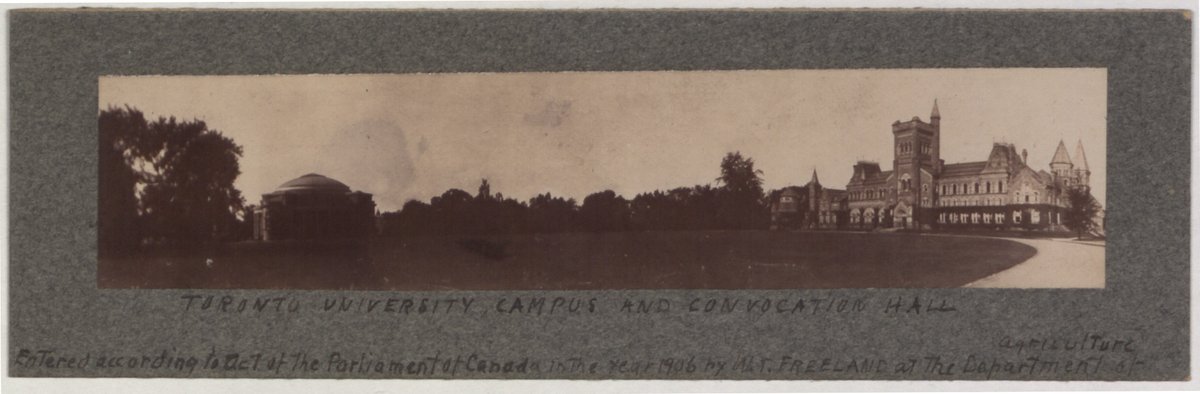
Scenic view of Toronto University Campus featuring the iconic Convocation Hall building under clear daylight
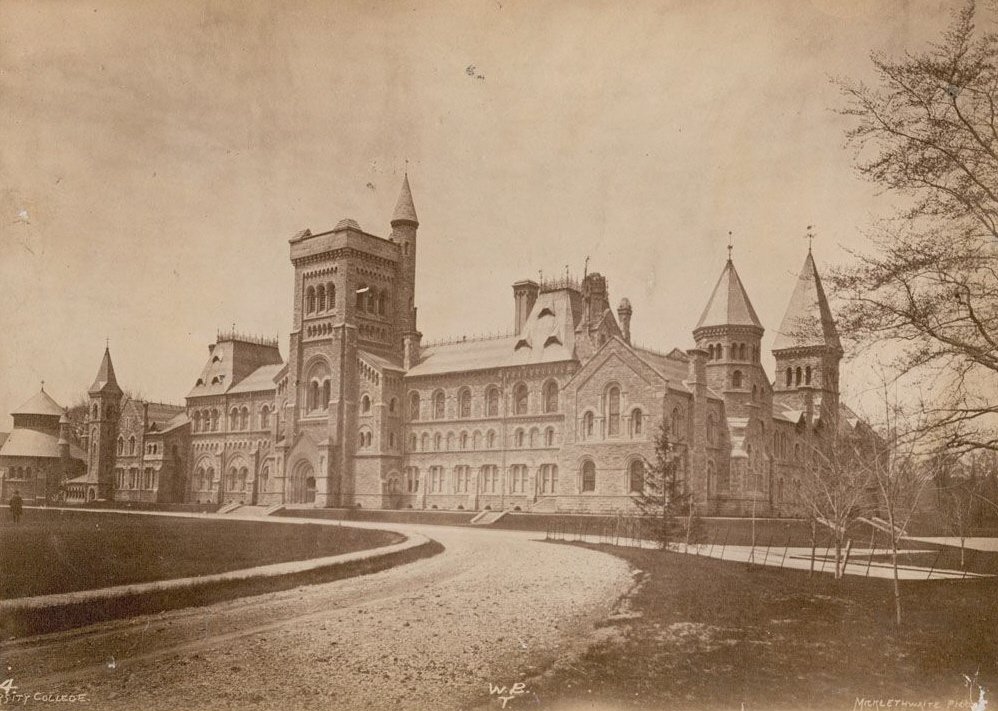
University College is a historic and iconic building located at the University of Toronto in Toronto, Canada, known for its distinctive architectural style.
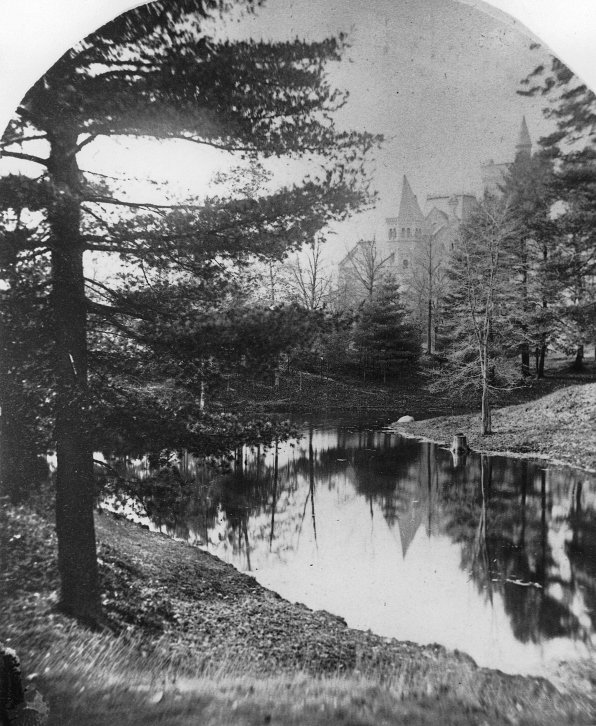
Photograph showing the historical grounds of University College, part of the University of Toronto, captured circa 1870. The image depicts early architecture and landscaping of the college campus in Canada.
At a Glance: What’s Inside This Guide
- History and Founding
- Architectural Significance
- Restoration and Revitalization
- Role in Canadian Education
- Visitor Information: Hours, Tickets & Tours
- Campus Setting and Atmosphere
- Architectural Highlights and Points of Interest
- Visitor Tips and Accessibility
- Nearby Attractions
- Frequently Asked Questions (FAQ)
- Summary and Further Resources
The Founding and Early Development
University College was founded in 1853, just three years after the University of Toronto formally severed ties with the Church of England and became a secular institution (Wikipedia). Its conception reflected the growing demand for an inclusive, non-denominational education system as Upper Canada’s population diversified (UWO Visual Arts). Initially operating from temporary locations, University College quickly became central to the emerging collegiate system, paving the way for other denominational and non-denominational colleges (Boundless U of T).
Architectural Significance
The University College building, completed in 1859, is a masterpiece of Romanesque Revival architecture and Victorian eclecticism. Designed by Frederick William Cumberland and William George Storm, its style combines elements from Spanish, French, and German Romanesque, featuring thick stone walls, rounded arches, and an imposing central tower (UWO Visual Arts). The building’s innovative design influenced future academic and civic architecture throughout Ontario (Boundless U of T).
Recent restoration and revitalization projects have balanced preservation with modern needs, improving accessibility and sustainability while celebrating the original design (Kohn Shnier Architects, ERA Architects).

Notable Events: The 1890 Fire and Restoration
A pivotal chapter in University College’s history came in 1890, when a fire devastated the building’s interior and destroyed much of its library (Wikipedia). Thanks to swift restoration efforts, the original character of the building was faithfully preserved, and the college reopened within two years (UWO Visual Arts). This resilience cemented University College’s status as the symbolic heart of the university.
University College’s Role at the University of Toronto
As the first non-denominational constituent college, University College established a federative model inspired by Oxford and Cambridge. Today, it remains at the core of the University of Toronto’s collegiate system, fostering a tight-knit academic community within a leading research university (Wikipedia, U of T Academics). Students benefit from academic support, residence options, and a dynamic cultural life.
Visiting University College: Hours, Tickets, and Tours
Hours:
University College is generally open to visitors Monday to Friday, 9:00 AM–5:00 PM during the academic year. Hours may vary for holidays and special events—always check the College website for current information.
Tickets and Admission:
Admission is free. Some special exhibitions or tours may require advance booking or a nominal fee (University of Toronto Visitor Centre).
Guided and Self-Guided Tours:
- Guided Tours: Available year-round through the University of Toronto’s campus tours program (U of T Campus Tours). These tours offer deep insights into the building’s history, architecture, and recent revitalization.
- Self-Guided Tours: Maps and suggested routes for self-guided walks are available online (U of T Walk Map), including popular routes from Alexandra Gates through Philosopher’s Walk to King’s College Circle.
Accessibility:
Recent upgrades have made University College fully wheelchair accessible, with ramps, elevators, and barrier-free routes throughout the building (ERA Architects).
Photography:
Photography for personal use is welcome in most public areas. The building’s iconic architecture and lush setting provide excellent photo opportunities.

Campus Setting and Atmosphere
Located at 15 King’s College Circle, University College is the visual and cultural centerpiece of the St. George campus. The surrounding green spaces, mature trees, and quadrangle offer a tranquil retreat amidst downtown Toronto (Parks Canada). The campus is easily reached via nearby subway stations, including St. George and Queen’s Park (Tdot Shots).
Architectural Highlights and Points of Interest
- King’s College Circle: Panoramic views and a popular gathering spot (Tdot Shots).
- Croft Chapter House: Unique round room, renowned for its acoustics and historic charm.
- Cloister Wing: Arcaded walkway, evoking traditional academic ambiance.
- Convocation Hall: Adjacent domed auditorium for major events.
- Soldiers’ Tower: Memorial tower commemorating university members lost in the World Wars.

Visitor Tips and Accessibility
- Seasonal Appeal: Spring and autumn offer striking campus scenery; summer is lively with events, while winter is peaceful and picturesque (Ontario Away).
- Weekday vs. Weekend: Weekdays are busier; weekends offer a quieter experience.
- Amenities: Restrooms and cafés are available in adjacent campus buildings.
- Events: Look for public lectures, exhibitions, and festivals such as Doors Open Toronto (U of T Discover).
- Accessibility: Ramps and elevators ensure mobility access; some historic interiors may have limited access due to preservation constraints.
Nearby Attractions
- Royal Ontario Museum (ROM): World-class collections of art, culture, and natural history (Outside Suburbia).
- Queen’s Park: Adjacent park and home to Ontario’s legislature.
- Kensington Market and Queen Street West: Trendy neighborhoods with dining, shopping, and vibrant street life (The Belle Voyage).
- Thomas Fisher Rare Book Library: Steps away, with unique literary treasures.
Frequently Asked Questions (FAQ)
Q: What are the visiting hours?
A: Monday–Friday, 9:00 AM–5:00 PM during the academic year. Check the website for updates.
Q: Is admission free?
A: Yes, there is no fee for general visits. Some tours or exhibitions may require booking.
Q: Are guided tours available?
A: Yes, year-round via the University of Toronto campus tours program (U of T Campus Tours).
Q: Is the building wheelchair accessible?
A: Yes, following recent revitalization projects.
Q: Can I take photos?
A: Photography is encouraged in public areas; please be respectful during events.
Q: What else can I see nearby?
A: The ROM, Queen’s Park, and vibrant local neighborhoods are all within walking distance.
Summary: Why Visit University College Toronto?
University College is more than a stunning historic building—it’s a living symbol of Canada’s educational evolution. As a pioneer of secular, inclusive higher education, it continues to foster a dynamic academic and cultural community (Wikipedia, Boundless U of T). Its Romanesque Revival architecture, storied past, and recent revitalization projects make it a rewarding destination for visitors.
Situated in the heart of Toronto’s cultural core, University College is a gateway to exploring the city’s architectural and academic heritage. Check current hours and tour information before your visit, and consider using interactive tools like the Audiala app for audio tours and event updates.
Listen to the full story in the app
Your Personal Curator, in Your Pocket.
Audio guides for 1,100+ cities across 96 countries. History, stories, and local insight — offline ready.
Audiala App
Available on iOS & Android
Join 50k+ Curators
Sources
- verified
- verified
- verified
- verified
- verified
- verified
- verified
- verified
- verified
Last reviewed: