Introduction
Toronto is a city celebrated for its dynamic blend of history, innovation, and culture. From its storied libraries to its iconic skyline, Toronto offers an array of experiences for visitors eager to explore both its heritage and modern vibrancy. This guide provides detailed information on three of the city’s most significant landmarks: the Toronto Public Library (TPL), the CN Tower, and Toronto Old City Hall. Whether you're a history enthusiast, an architecture admirer, or a curious traveler, these destinations showcase the narrative of Toronto’s growth and identity.
Photo Gallery
Explore Toronto Public Library in Pictures
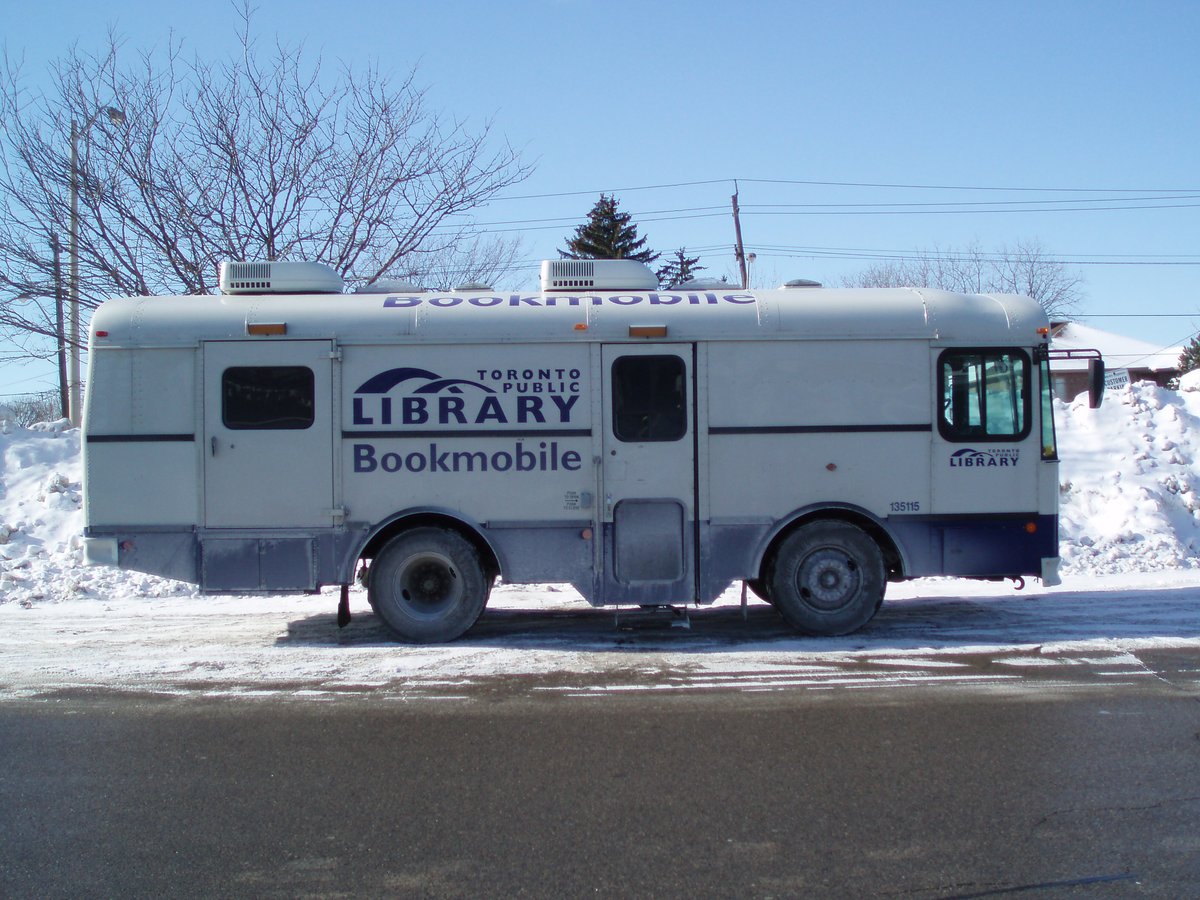
Toronto Public Library's Bookmobile Two, a mobile library vehicle, parked on a city street providing library services
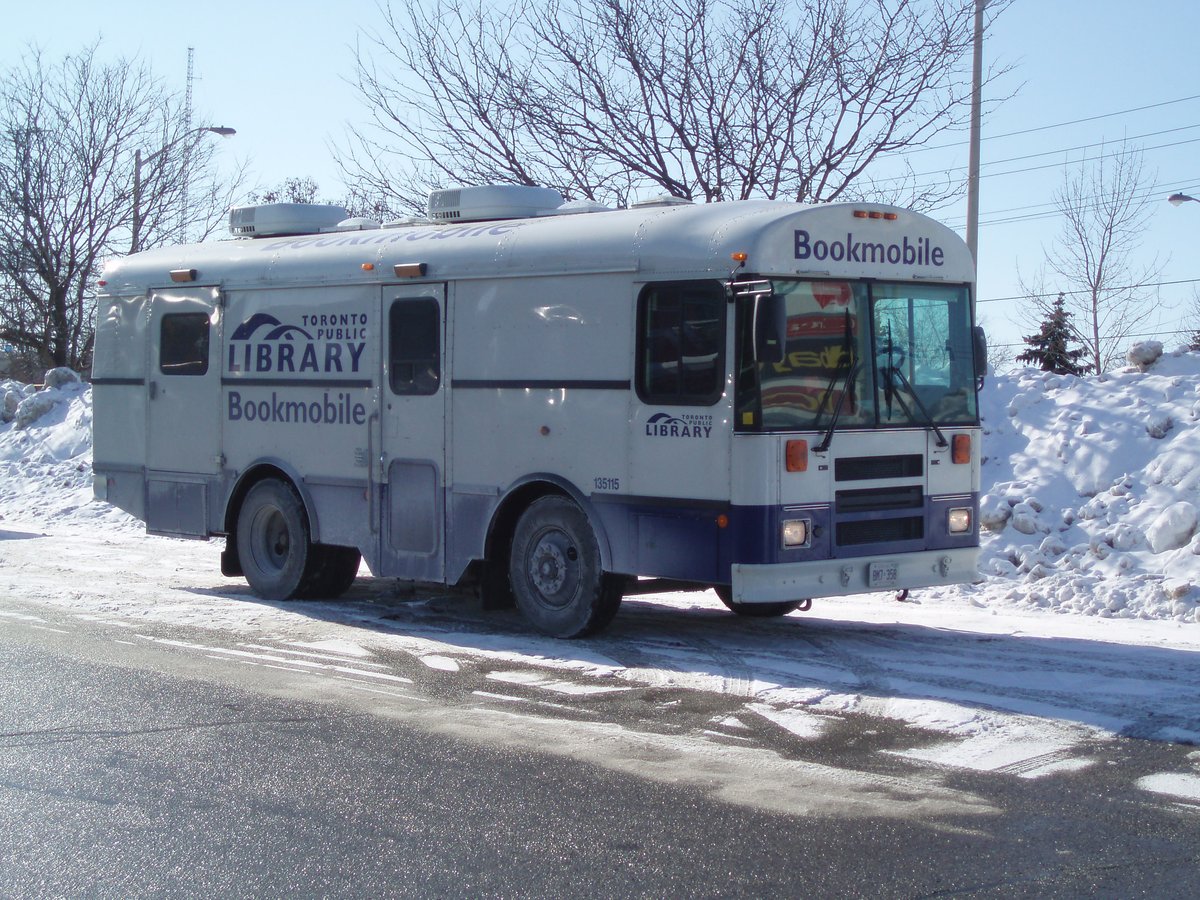
Image of Toronto Public Library's Bookmobile Two, a mobile library vehicle, parked on a sunny day.
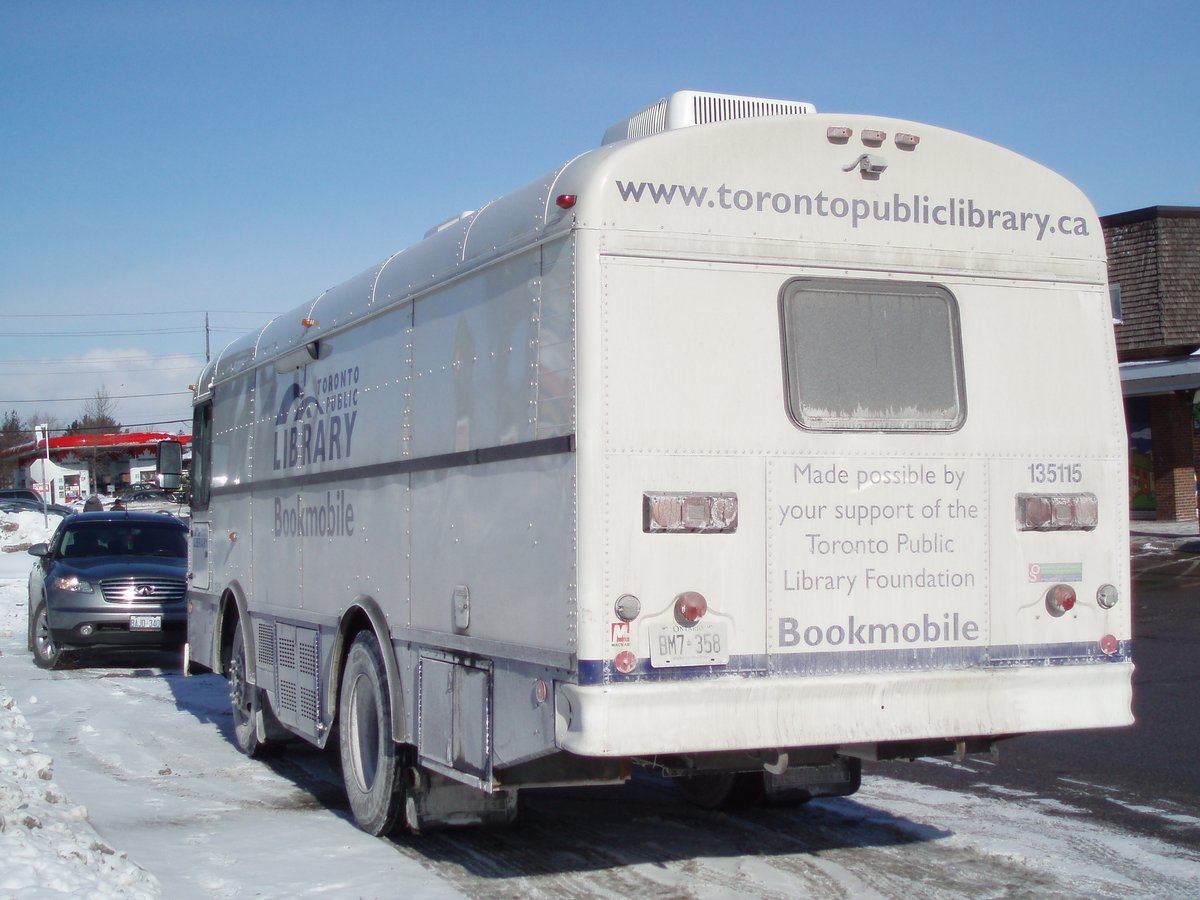
Image of Toronto Public Library's Bookmobile Two, a mobile library vehicle designed to provide library services on wheels.
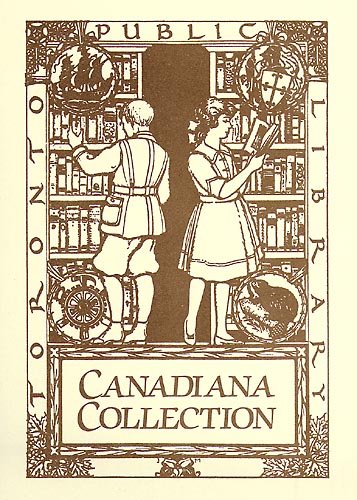
An image of a vintage bookplate from the Canadiana collection at the Toronto Public Library, dated 1914, featuring ornate illustrations and text.
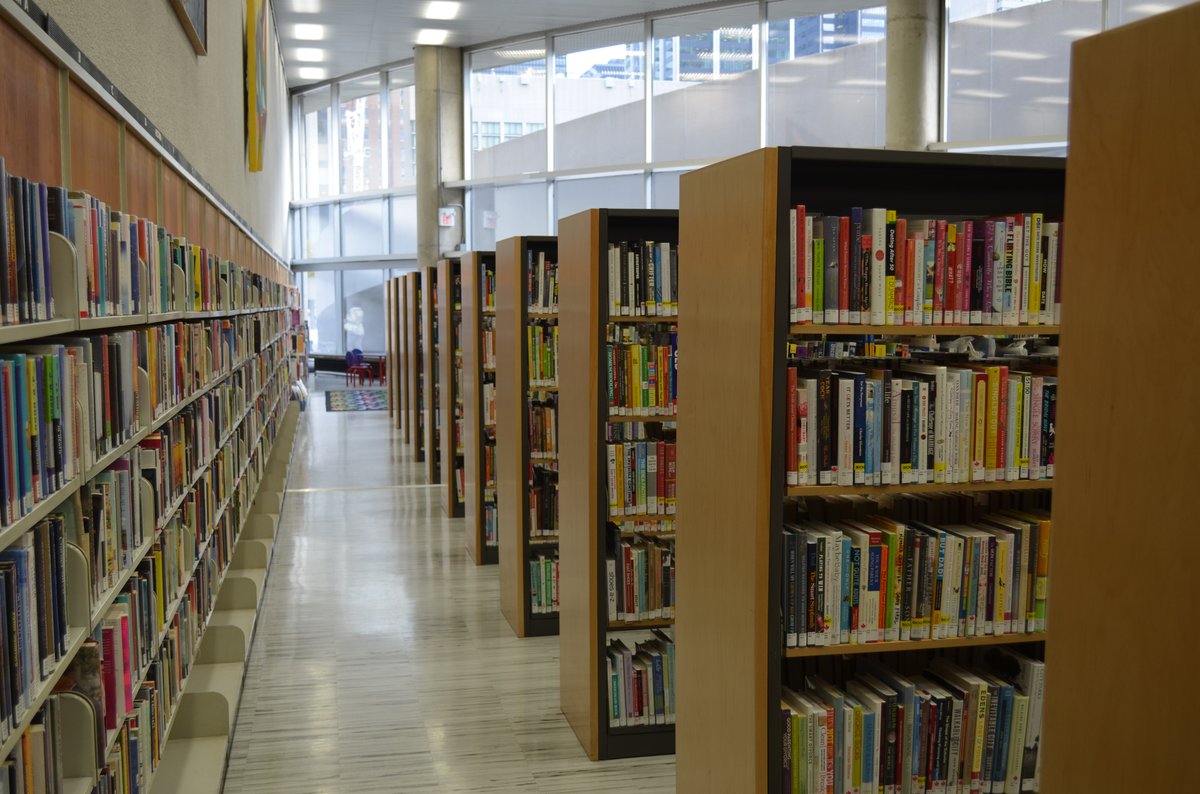
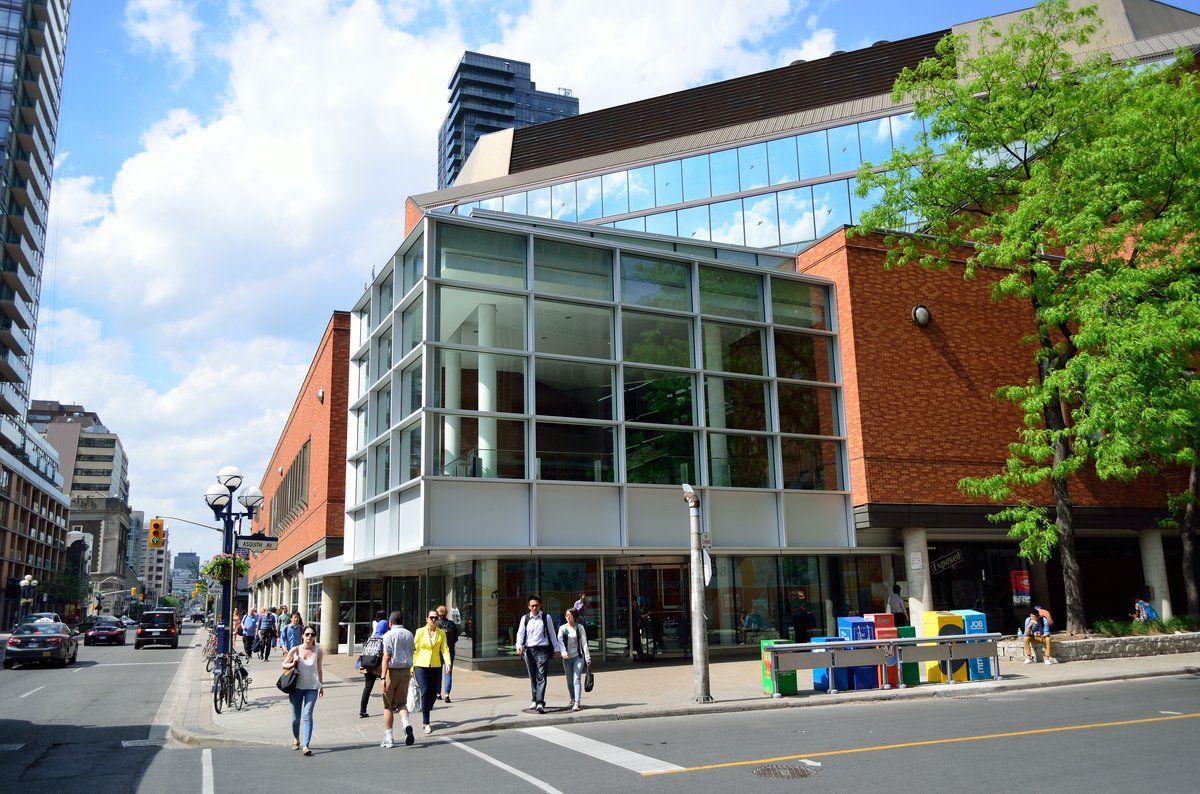
View of Toronto City Hall alongside the Toronto Public Library building, showcasing modern architectural design in downtown Toronto
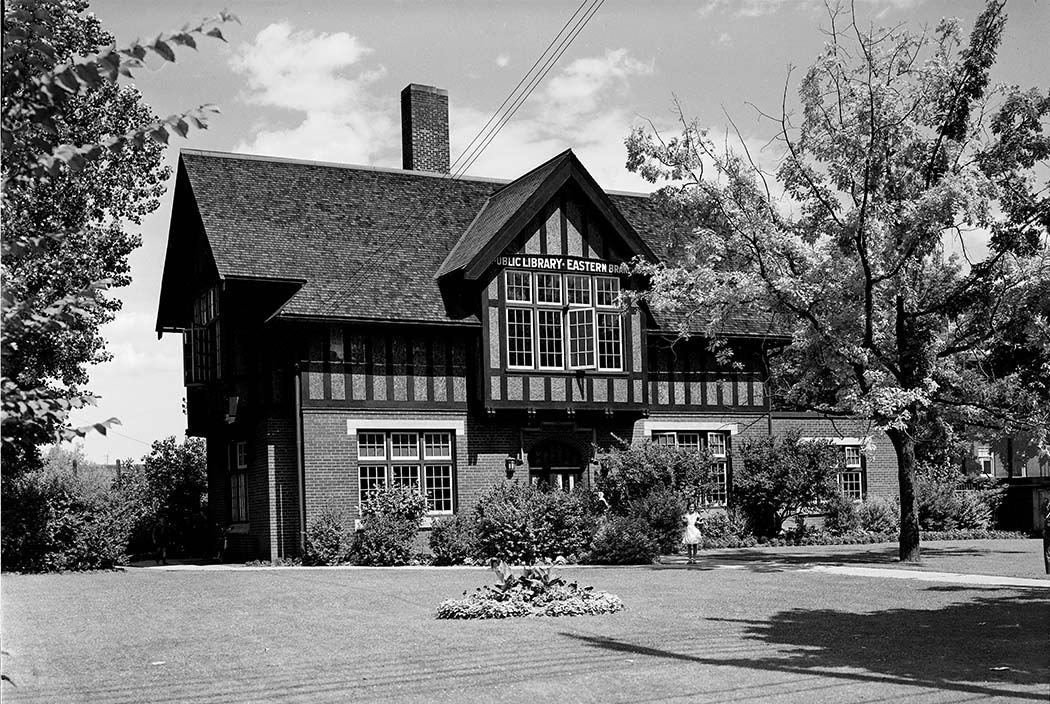
Exterior view of the Eastern Branch Public Library located on Main Street in Toronto, Canada, showcasing its classic architectural design.
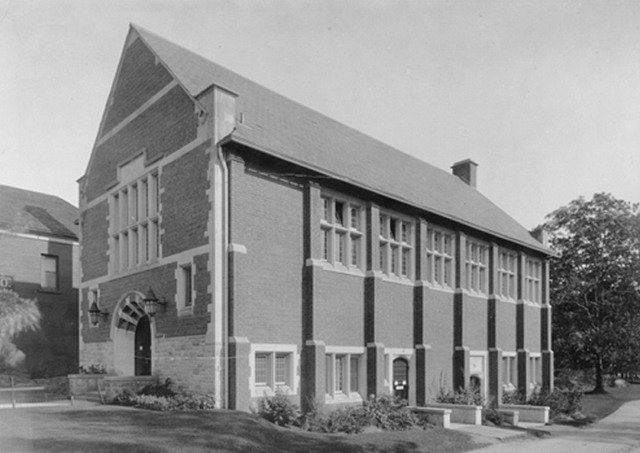
Vintage photograph of the High Park Branch Library in Toronto, Ontario, Canada, around the year 1916 showcasing early 20th century architecture.
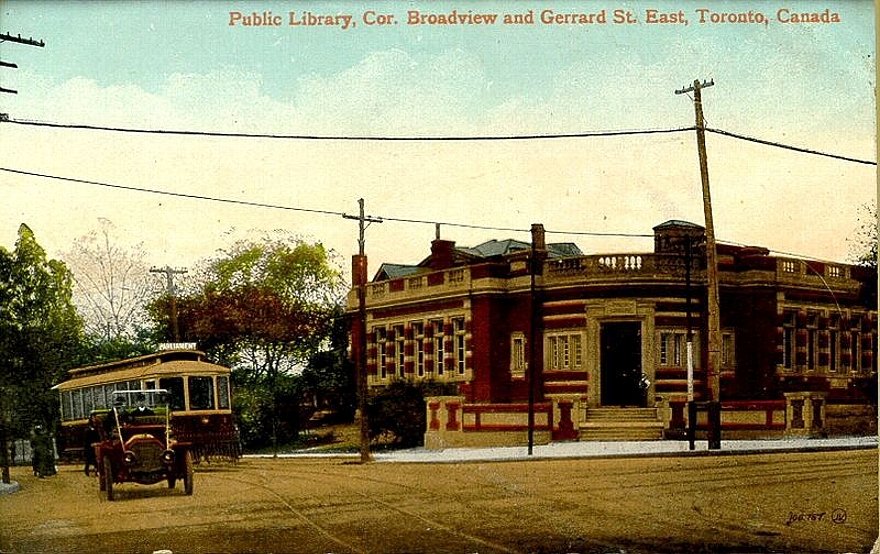
Image of Toronto Public Library located at northwest corner of Broadview Avenue and Gerrard Street East in Toronto, Canada, featuring a streetcar traveling west on Gerrard Street towards Parliament Street.
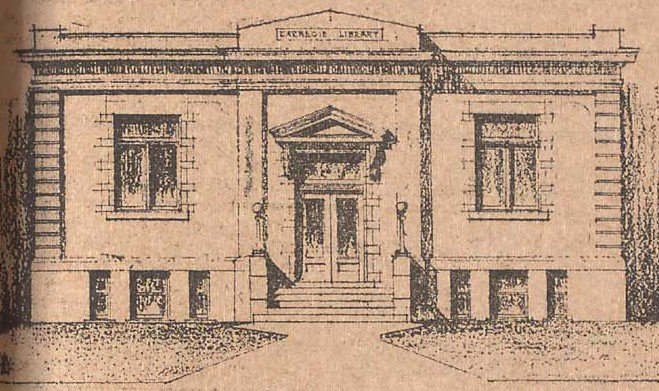
Detailed sketch of the historic Carnegie Library constructed in Mimico, situated at the intersection of Station Road and Stanley Avenue.
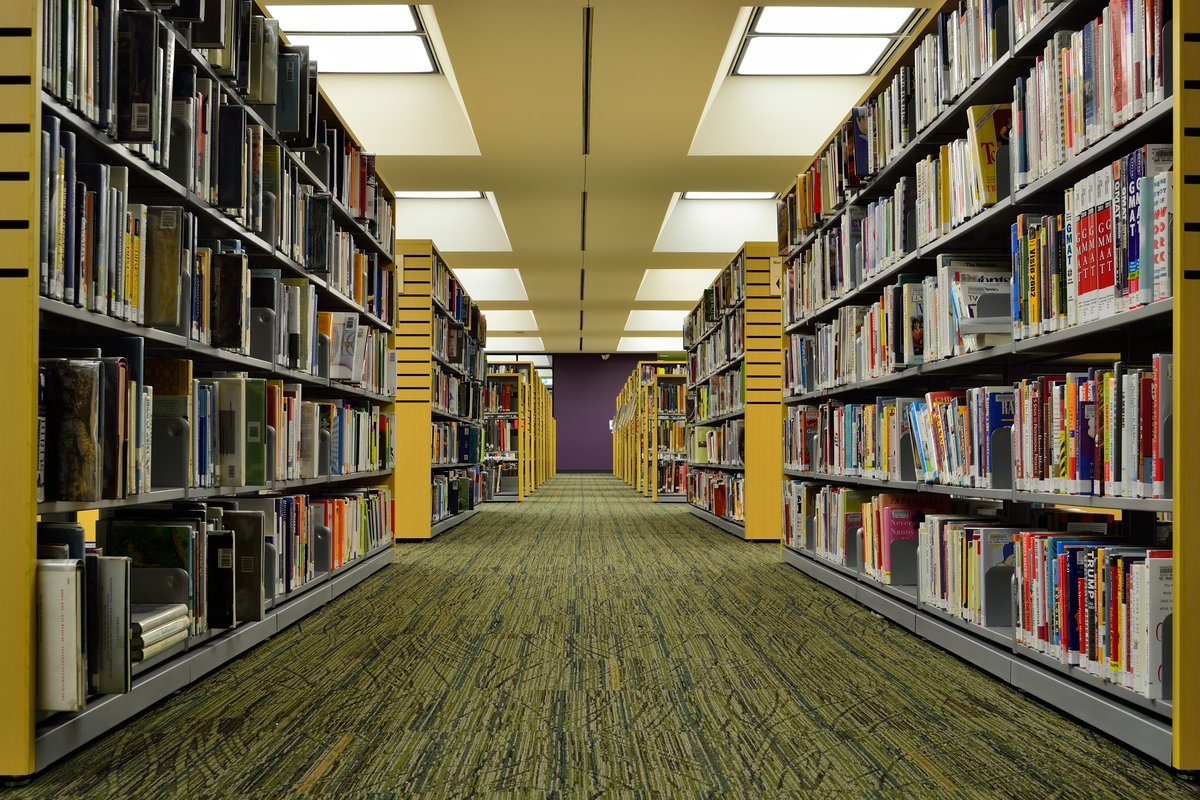
Image of the Northern District Library located in Toronto, showcasing its architecture and the surrounding trees and landscape.

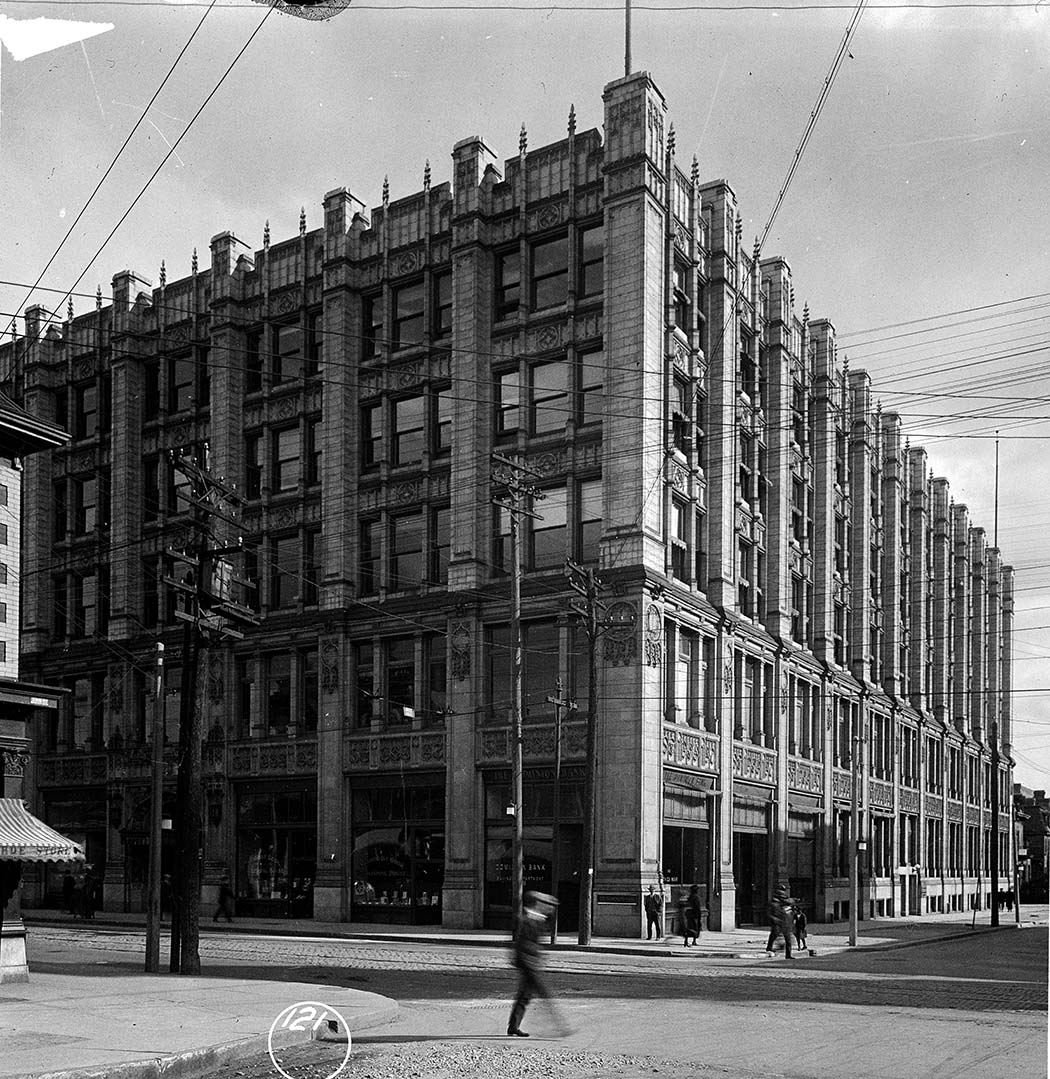
Historic image of a public library originally built for Township of York, located at Yonge Street and Montgomery Avenue in Toronto, later becoming North Toronto town hall in 1891 before annexation by City of Toronto in 1912, demolished in 1931.
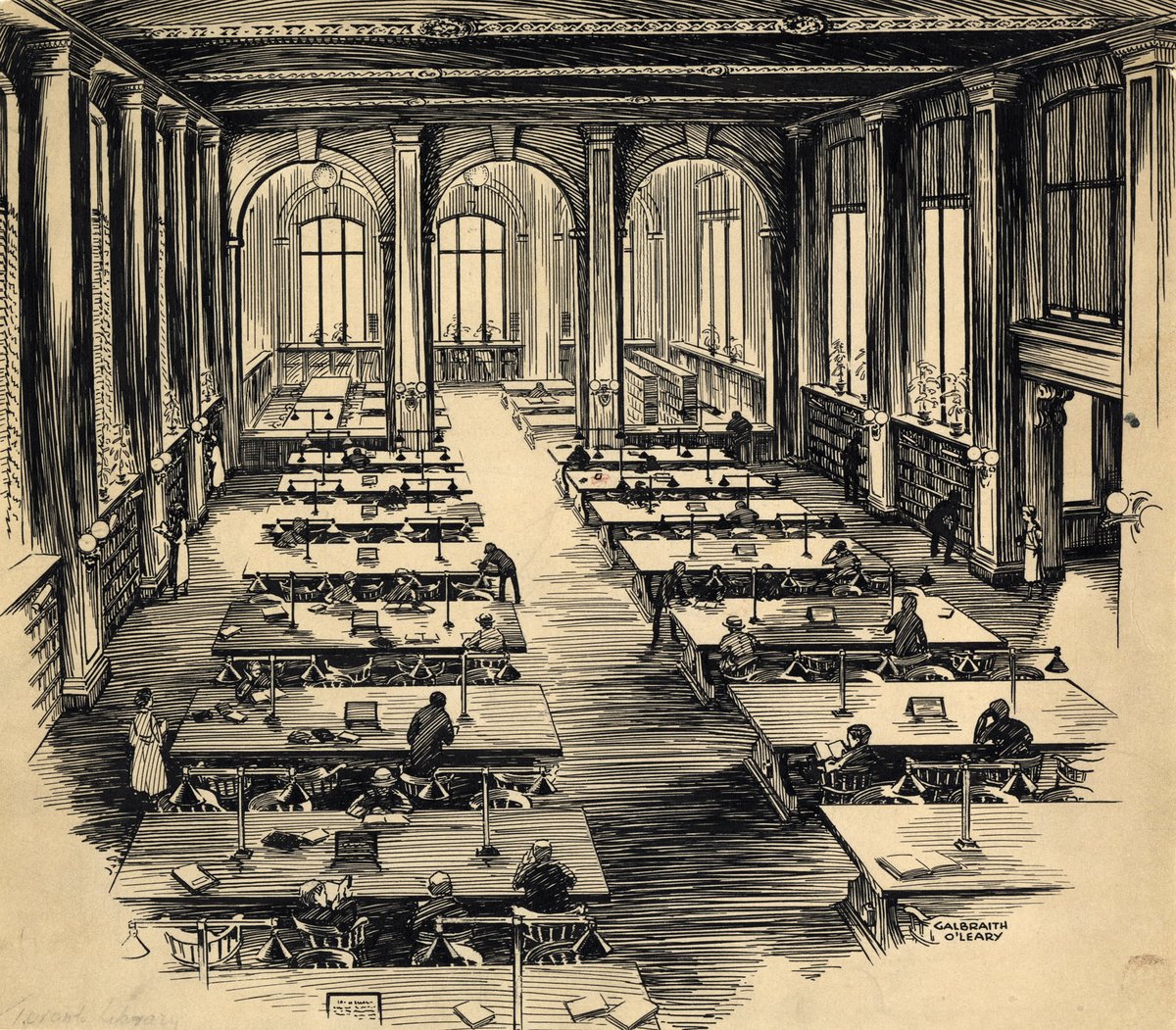
Pen and ink drawing of the reference reading room at Central Library in Toronto, published in 1922 by Galbraith O'Leary in the Toronto Daily Star.
Toronto Public Library: Gateway to Knowledge and Culture
History and Evolution
The Toronto Public Library, established in 1884, is Canada’s busiest urban library system and a cornerstone of Toronto’s public life. Its inception followed the 1882 Ontario provincial legislation that empowered municipalities to create and fund free public libraries (Active History). TPL’s early years were marked by growth and adaptation, including operating from rented spaces and later benefiting from the philanthropy of Andrew Carnegie, who funded the construction of ten branches starting in 1903 (Publishing State). These Carnegie libraries, such as the Yorkville Public Library (opened 1907), reflected neoclassical architectural trends and evolving library practices, including the shift to open stacks in the 1930s.
During the post-Carnegie era, TPL expanded into Toronto’s burgeoning suburbs. By the mid-20th century, libraries adopted modernist and Brutalist architectural styles, transforming branches into community hubs designed for inclusivity and engagement.
Toronto Reference Library: Flagship Branch
At the heart of the TPL system is the Toronto Reference Library (TRL), located at 789 Yonge Street. Opened in 1977 and designed by Raymond Moriyama, the TRL is a striking five-storey structure inspired by the Hanging Gardens of Babylon, featuring a central atrium, curving balconies, and ample natural light (Moriyama & Teshima Architects; Toronto Guardian). The library underwent a significant renovation in 2012, which modernized its facilities and introduced new amenities such as the Balzar Café, study pods, and advanced learning labs (Moriyama & Teshima Architects).
Collections and Special Features
The TRL houses approximately two million books, periodicals, and multimedia resources, along with internationally significant special collections, including:
- The Arthur Conan Doyle Collection
- The Baldwin Collection of Canadiana
- Rare maps, pictures, and performing arts materials
The Marilyn & Charles Baillie Special Collections Centre provides public access to these treasures, distinguishing the TRL among major research libraries (History of Toronto).
In addition to its extensive physical holdings, the library offers a wealth of digital resources, online databases, and technology workshops to support research and digital literacy.
Community Engagement
The TRL hosts a variety of events, including author talks, book clubs, workshops, exhibitions, and concerts, making it a vibrant cultural destination for visitors of all ages.
Visiting Info: Hours, Tickets, Accessibility, and Amenities
- Hours: Most TPL branches, including the TRL, are open Monday–Saturday (typically 9 AM–9 PM) and Sunday (12 PM–5 PM). Hours may vary by location and on holidays; check the official website for current details.
- Tickets/Admission: Entry is free; no tickets are required.
- Accessibility: All branches are wheelchair accessible, with barrier-free entrances, elevators, accessible washrooms, and assistive technologies (Toronto Guardian).
- Amenities: Facilities include the Balzar Café, study pods, meeting rooms, free Wi-Fi, computer access, and the Toronto Star Newspaper Room.
Getting There: The TRL is located in Yorkville, just north of Bloor Street and steps from the Bloor-Yonge subway station (Toronto2Anywhere). Bicycle racks and nearby paid parking are available.
Nearby Attractions: Situated in the heart of Yorkville, the TRL is close to the Royal Ontario Museum, Bata Shoe Museum, Queen’s Park, and Yonge-Dundas Square. Cardholders can also access free passes to select Toronto attractions through the tpl:map program (Curiocity).
Community Programs and Digital Innovation
TPL serves nearly one million cardholders across more than 100 branches, offering programs that support digital literacy, newcomer integration, Indigenous languages, and lifelong learning (Publishing State). The library’s embrace of digital innovation, including virtual programming and online collections, has helped bridge the digital divide and ensure access to information for all.
FAQs: Toronto Public Library
- What are the hours? Most branches: Mon–Sat 9 AM–9 PM, Sun 12 PM–5 PM, but check the official website for up-to-date hours.
- Is there an entry fee? No, entry is free.
- Is the library accessible? Yes, all branches are fully accessible.
- Are guided tours available? Some branches offer tours and events; see the events calendar on the TPL website.
- Can I take photos? Non-flash photography is allowed in public areas; restrictions may apply in special collections or during events.
CN Tower: Icon of Toronto’s Skyline
History and Cultural Significance
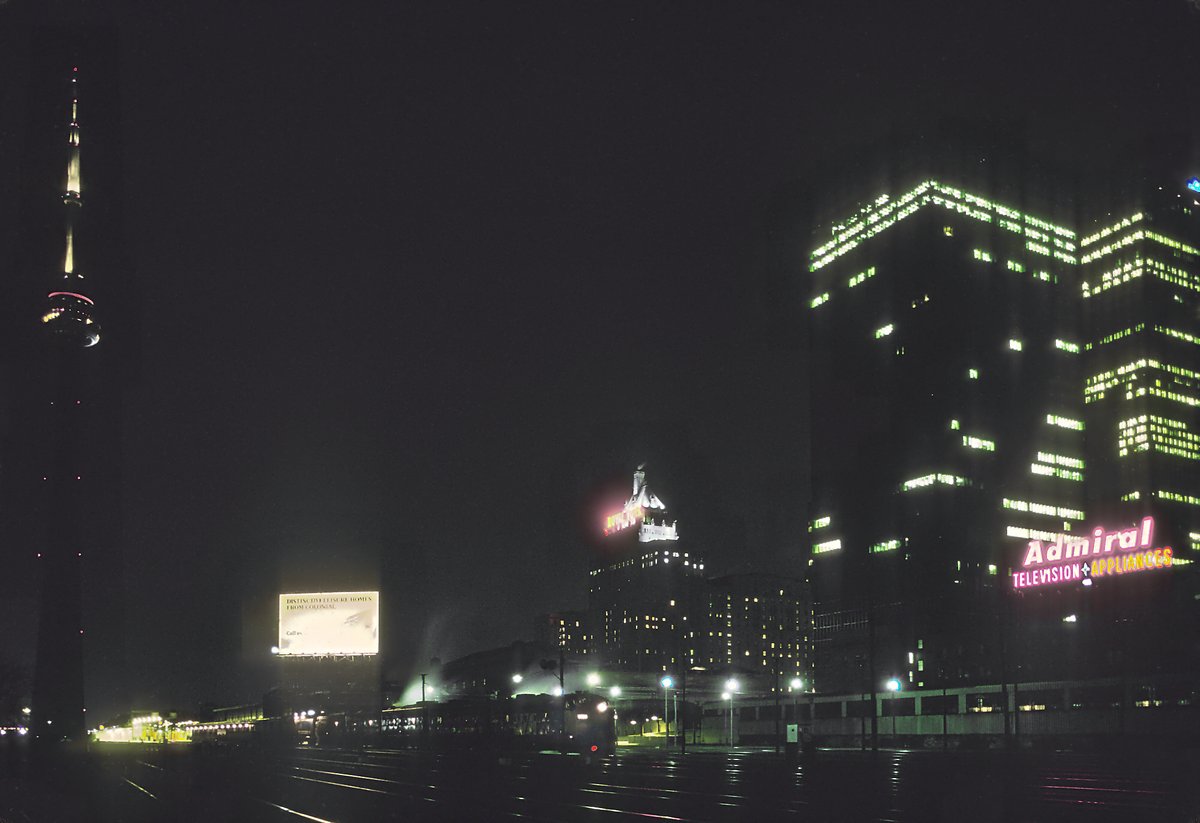
The CN Tower, completed in 1976 by Canadian National Railway, was originally constructed to improve telecommunications. Now an enduring symbol of Toronto, it remains one of the tallest free-standing structures in the world and a celebrated feat of Canadian engineering (CN Tower Official). The tower is illuminated nightly and frequently hosts citywide celebrations and special events.
Visitor Information
- Visiting Hours: Daily, 9:00 AM–10:30 PM (last admission 9:30 PM); hours may vary on holidays and for special events—check the official website.
- Tickets: Purchase online or on-site. Options include:
- General Admission (LookOut Level and Glass Floor)
- SkyPod (higher observation deck)
- EdgeWalk (outdoor hands-free walk for ages 13+; advance booking recommended)
- Accessibility: The tower is fully accessible with elevators, wheelchair-friendly paths, accessible washrooms, and guest services for visitors with disabilities.
Travel Tips and Recommendations
- Best Time to Visit: Late afternoon for sunset views; evenings for the illuminated skyline.
- Photographic Spots: The Glass Floor and outdoor SkyTerrace are popular for photos.
- Dining: The 360 Restaurant offers a unique revolving dining experience.
- Weather: Dress appropriately for outdoor observation areas, which can be windy.
Events and Guided Tours
The CN Tower regularly hosts seasonal events, including light shows and guided tours with historical insights. Refer to the CN Tower website for event listings and tour bookings.
Nearby Attractions
The CN Tower is centrally located near Ripley’s Aquarium of Canada, Rogers Centre, and the Harbourfront Centre, making it easy to combine visits to multiple attractions in one trip.
FAQs: CN Tower
- Can I buy tickets on-site? Yes, but online booking is recommended.
- Is it suitable for children? Yes; the Glass Floor is especially popular with kids.
- Are pets allowed? Only service animals.
- What are the EdgeWalk safety measures? Participants wear harnesses and are supervised by trained staff.
- Is parking available? Several paid lots nearby.
Getting There: The CN Tower is accessible via Union Station (subway, train), streetcar, bus, and bicycle.
Toronto Old City Hall: A Civic Landmark
Toronto Old City Hall, located at 60 Queen Street West, is a Romanesque Revival masterpiece designed by E.J. Lennox and completed in 1899 (City of Toronto Heritage). Its grand clock tower, intricate stonework, and civic significance make it a lasting symbol of Toronto’s municipal heritage. The building served as city hall until 1966 and now functions as a courthouse.
Visiting Hours, Admission, and Tours
- Visiting Hours: Generally open Monday–Friday, 8:30 AM–5:00 PM, aligning with court operations.
- Admission: Free to the public for exterior and some interior public areas; guided tours are occasionally available through local heritage organizations.
- Tickets: No general admission ticket required. Special events/tours may require tickets.
Accessibility and Getting There
- Accessibility: The grounds and exterior are wheelchair accessible; some interior areas have limited accessibility due to courthouse functions.
- Getting There: Located downtown, Old City Hall is easily reached by public transit—Queen Station (subway) and multiple streetcar lines are nearby. Paid parking is available in nearby garages.
Nearby Landmarks
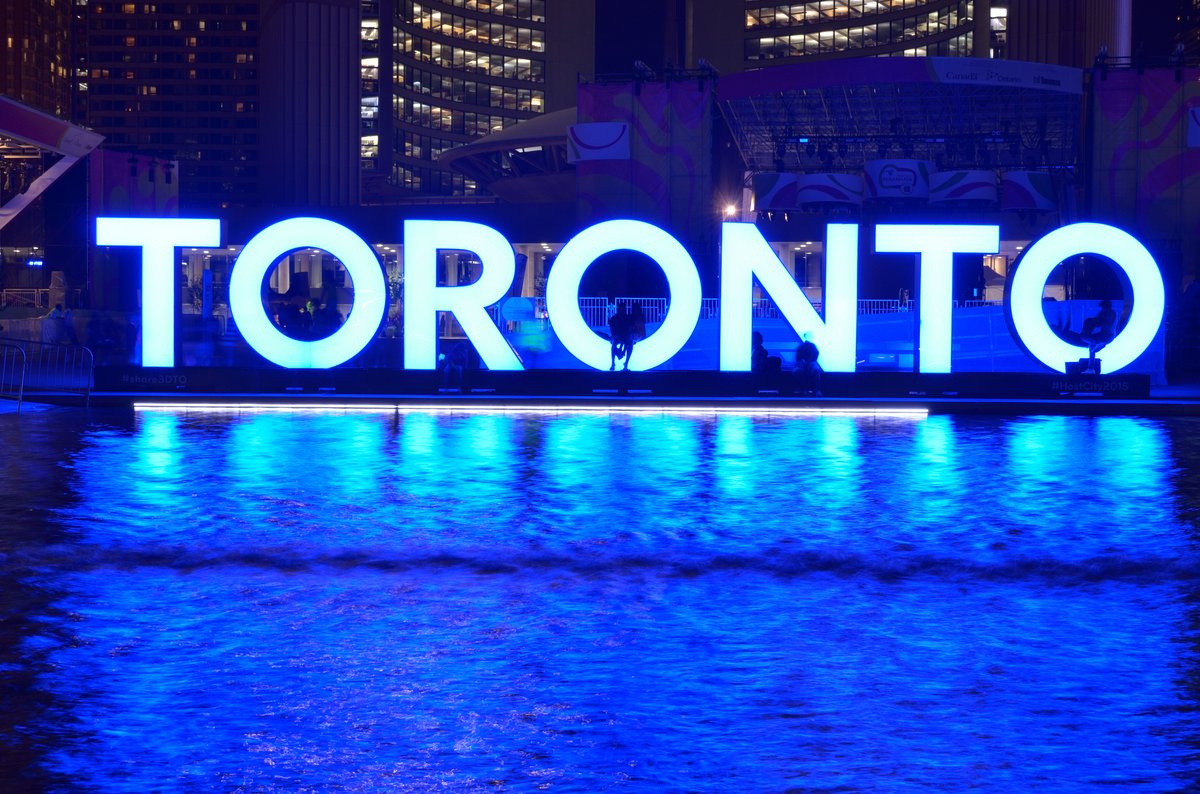
Old City Hall is adjacent to Nathan Phillips Square (site of the Toronto sign), New City Hall, the Toronto Eaton Centre, and the Theatre District, making it a central point for exploring downtown Toronto.
FAQs: Toronto Old City Hall
- Can I tour the interior? Interior access is limited, but special tours are occasionally offered.
- Is there parking nearby? Yes, paid garages are available; street parking is limited.
- Are there events at Old City Hall? Primarily court-related; public events are held in Nathan Phillips Square.
- Is it wheelchair accessible? The exterior and plaza are accessible; interior accessibility is limited.
Summary and Practical Visitor Tips
Toronto’s key landmarks—the Toronto Public Library, CN Tower, and Old City Hall—offer a comprehensive journey through the city’s history, architectural diversity, and cultural life. The TPL exemplifies Toronto’s dedication to knowledge and community, providing free access to extensive collections and innovative programs (Toronto Public Library). The CN Tower delivers breathtaking views and thrilling experiences in the heart of downtown (CN Tower Official). Old City Hall anchors the city’s civic past with its architectural splendor and proximity to urban attractions (City of Toronto Heritage).
Visitor Tips:
- Plan ahead by checking official websites for current hours and event schedules.
- Use public transit for convenience, especially in busy downtown areas.
- Take advantage of free access at libraries and public spaces.
- Consider guided tours for deeper historical insights.
- Explore nearby attractions to maximize your visit.
Stay up to date by downloading the Audiala app for digital collections and audio tours, and connect with these sites on social media for the latest news and events.
Listen to the full story in the app
Your Personal Curator, in Your Pocket.
Audio guides for 1,100+ cities across 96 countries. History, stories, and local insight — offline ready.
Audiala App
Available on iOS & Android
Join 50k+ Curators
Sources
- verified
- verified
- verified
- verified
- verified
- verified
- verified
- verified
- verified
- verified
- verified
Last reviewed: