Introduction
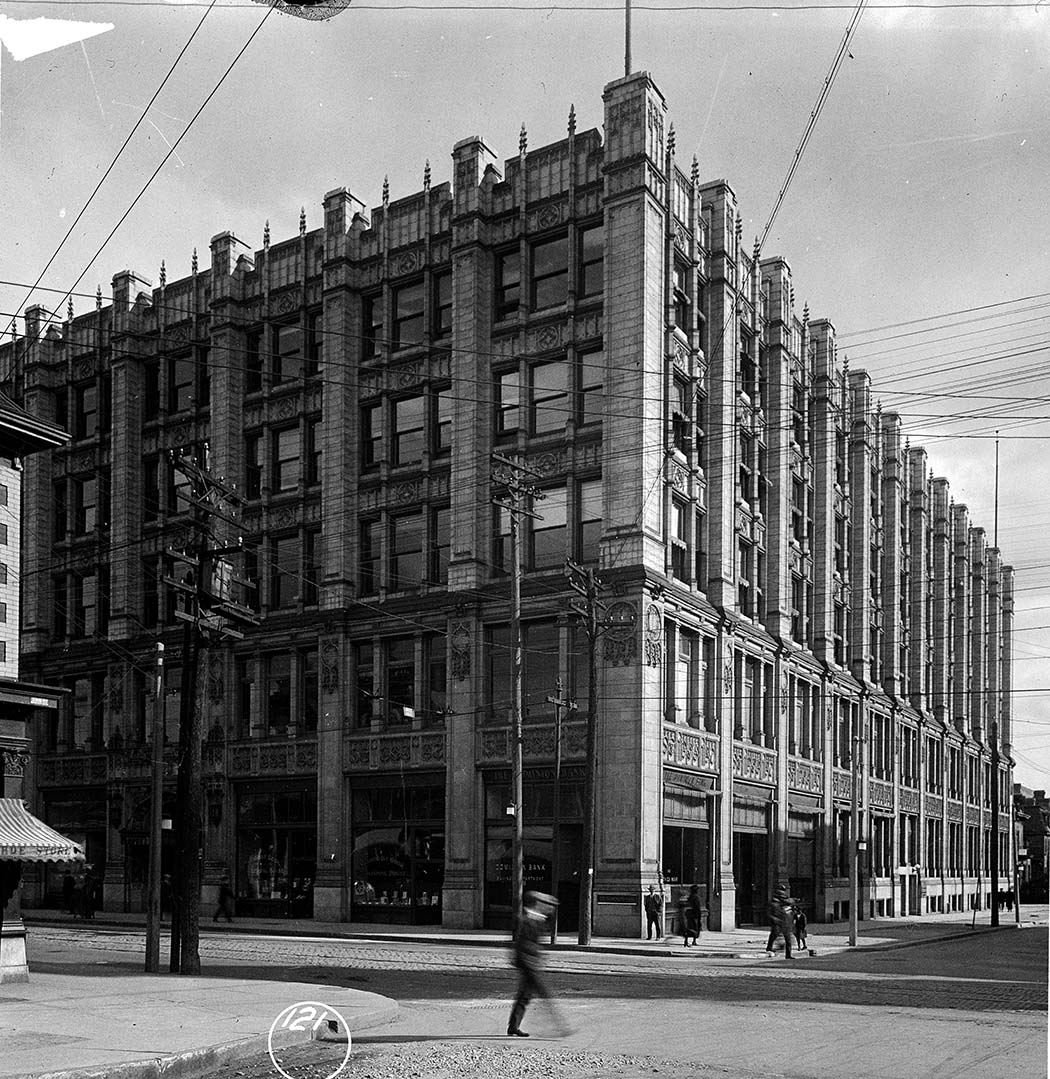
Located in the heart of Toronto’s Financial District, the Lumsden Building stands as a pivotal example of early 20th-century architectural innovation and urban development. Commissioned by the Lumsden family—well-known figures in insurance and finance—the building was conceived to meet the city’s growing demand for modern office space during a period of rapid economic expansion. Its pioneering use of concrete for the facade, advanced electrical systems (notably the “Galvaduct” armored conduit), and steel-frame construction set the Lumsden Building apart as a forward-thinking project of its era (The World of Gord; Electrical News, 1912).
The building is a testament to Toronto’s transformation from a Victorian cityscape to a modern metropolis, reflecting a nuanced blend of modernist, Chicago School, and Beaux-Arts influences. Today, the Lumsden Building continues to serve as an office space and is recognized as a heritage landmark, offering visitors a glimpse into the city’s architectural and commercial evolution. This guide explores its history, architectural features, visitor information, nearby attractions, and practical tips for making the most of your visit.
- Early 20th-Century Toronto: Urban Growth and Modernization
- The Lumsden Family and the Building’s Namesake
- Architectural Innovation and Design
- Architectural Style and Reception
- The Lumsden Building in Toronto’s Architectural Evolution
- Visitor Information: Hours, Tickets, and Accessibility
- Exploring Nearby Historical and Cultural Attractions
- Frequently Asked Questions (FAQ)
- Heritage Status and Preservation
- Notable Facts and Figures
- Legacy and Continuing Significance
- Plan Your Visit: Travel Tips and Resources
- References
Photo Gallery
Explore Lumsden Building in Pictures
1. Early 20th-Century Toronto: Urban Growth and Modernization
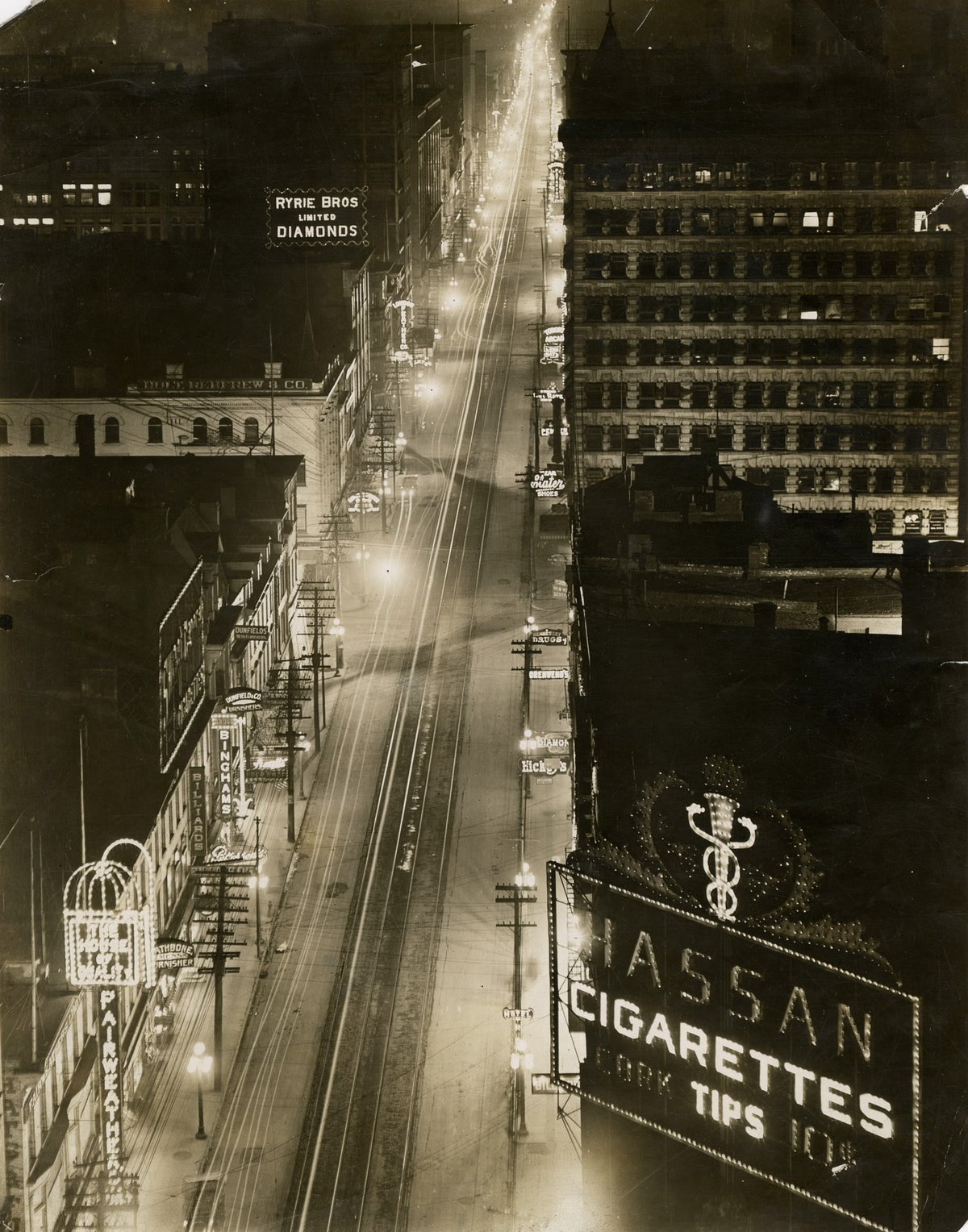
By the early 1900s, Toronto was rapidly evolving into a burgeoning commercial hub. The city’s economic boom increased demand for advanced office space in the downtown core. The Lumsden Building, completed in 1912, emerged as a direct response to these pressures, reflecting both the ambitions of its time and the technological advancements shaping urban architecture (The World of Gord).
2. The Lumsden Family and the Building’s Namesake
Commissioned by the Lumsden family, prominent entrepreneurs in Toronto’s financial sector, the building was strategically located in the city’s financial district. Their vision was to create a modern office building that would stand out for its technological and architectural innovation, ensuring a lasting role in Toronto’s commercial landscape.
3. Architectural Innovation and Design
Concrete Facade and Construction
One of the Lumsden Building’s most distinctive features is its concrete facade—a rare and bold choice for the era. While steel-frame construction was becoming widespread, most buildings still used brick or stone. The Lumsden’s early adoption of concrete, executed by H.N. Dancy and Son, allowed for a geometric, streamlined appearance that contrasted sharply with the ornate styles of its neighbors. This innovation not only aligned with emerging architectural trends but also set a precedent in Toronto (The World of Gord).
Electrical Advancements: “Galvaduct” System
The building was also a showcase for cutting-edge electrical engineering. The “Galvaduct” armored conduit system, featured in a 1912 issue of Electrical News, provided superior protection for wiring, addressing fire safety and durability concerns—key priorities of the day (Electrical News, 1912).
4. Architectural Style and Reception
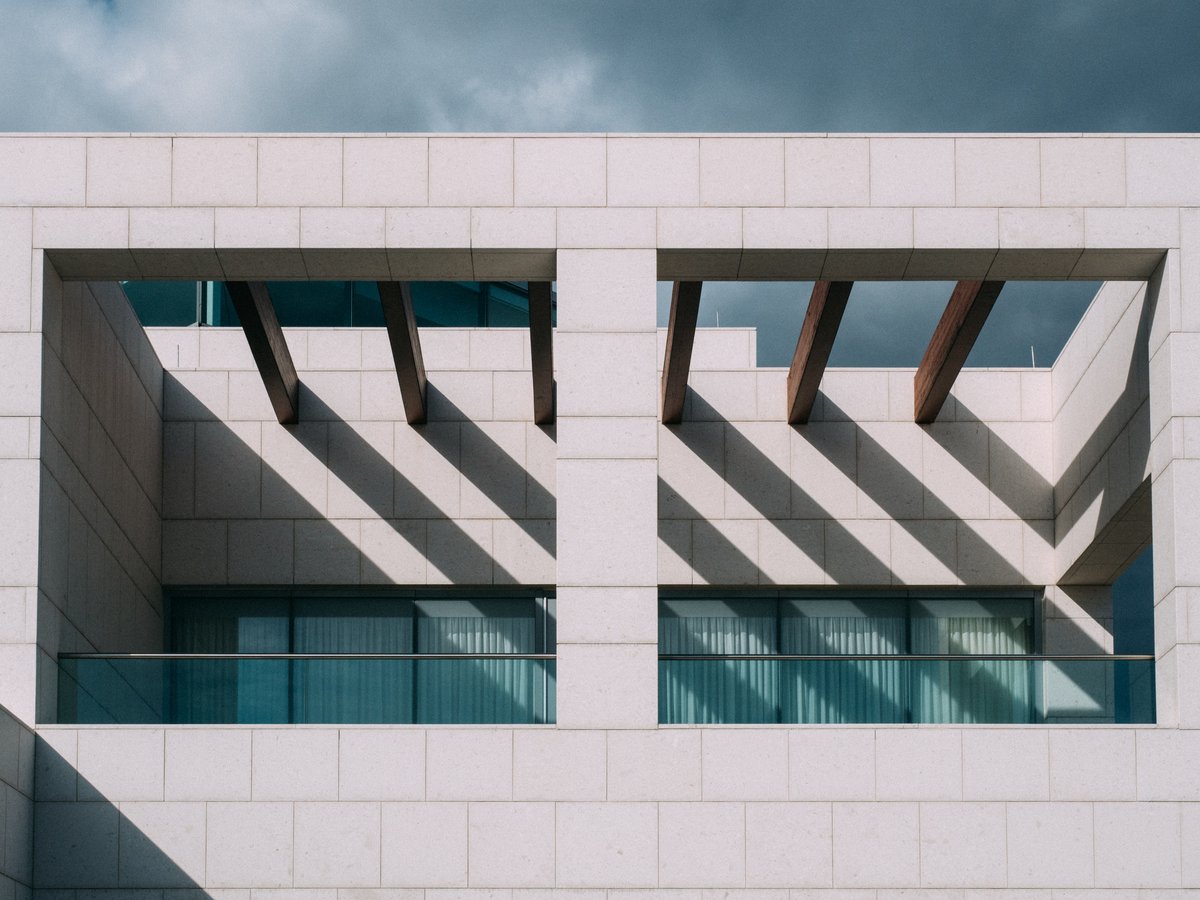
The Lumsden Building is noted for its minimalist concrete facade, punctuated by regularly spaced window bays. This utilitarian, almost industrial look was a marked departure from the elaborate Edwardian and Beaux-Arts styles that dominated Toronto at the time. While some critics initially labeled it unattractive, others appreciated its unique character and early embrace of modernist principles (The World of Gord).
5. The Lumsden Building in Toronto’s Architectural Evolution
When compared to contemporaries like the King Edward Hotel or Canadian Pacific Building, the Lumsden’s lack of ornamentation and experimental material choices set it apart. Though it did not immediately spark a wave of concrete construction, it prefigured the rise of modernist and Brutalist architectural movements in the decades to follow.
6. Visitor Information: Hours, Tickets, and Accessibility
Location and Access
- Address: 6 Adelaide Street East, Toronto, ON, M5C 1H6
- Transit: Easily accessible via King and Queen subway stations (Line 1), with Union Station a 10-minute walk away. The PATH underground network connects the building to shops, dining, and transit (Dream Leasing).
Visiting Hours
- Business Hours: Monday to Friday, 9:00 AM to 5:00 PM.
- Lobby Access: Open to the public during these hours; upper floors restricted to tenants.
Ticket Information
- Admission: No tickets required for lobby or exterior viewing.
- Tours: The building does not offer regular public tours, but is featured in city heritage walks and events like Doors Open Toronto (Heritage Toronto Tours; Doors Open Toronto).
Accessibility
- Wheelchair Access: Barrier-free entry and elevators; PATH network and surrounding streets are also accessible (Toronto Accessibility Design Guidelines).
- Facilities: Universal washrooms, high-contrast Braille signage, accessible service counters.
7. Exploring Nearby Historical and Cultural Attractions
The Lumsden Building sits at the center of a rich heritage landscape. Notable sites within walking distance include:
- Gooderham (Flatiron) Building: A landmark of Toronto’s historic architecture (PlanetWare).
- St. Lawrence Market: A foodie haven with local and artisanal fare (PlanetWare).
- Distillery District: Victorian-era industrial buildings, galleries, boutiques, and eateries (Toronto Info Center).
- CN Tower: Iconic city skyline feature, observation decks, and restaurants (Canadian Train Vacations).
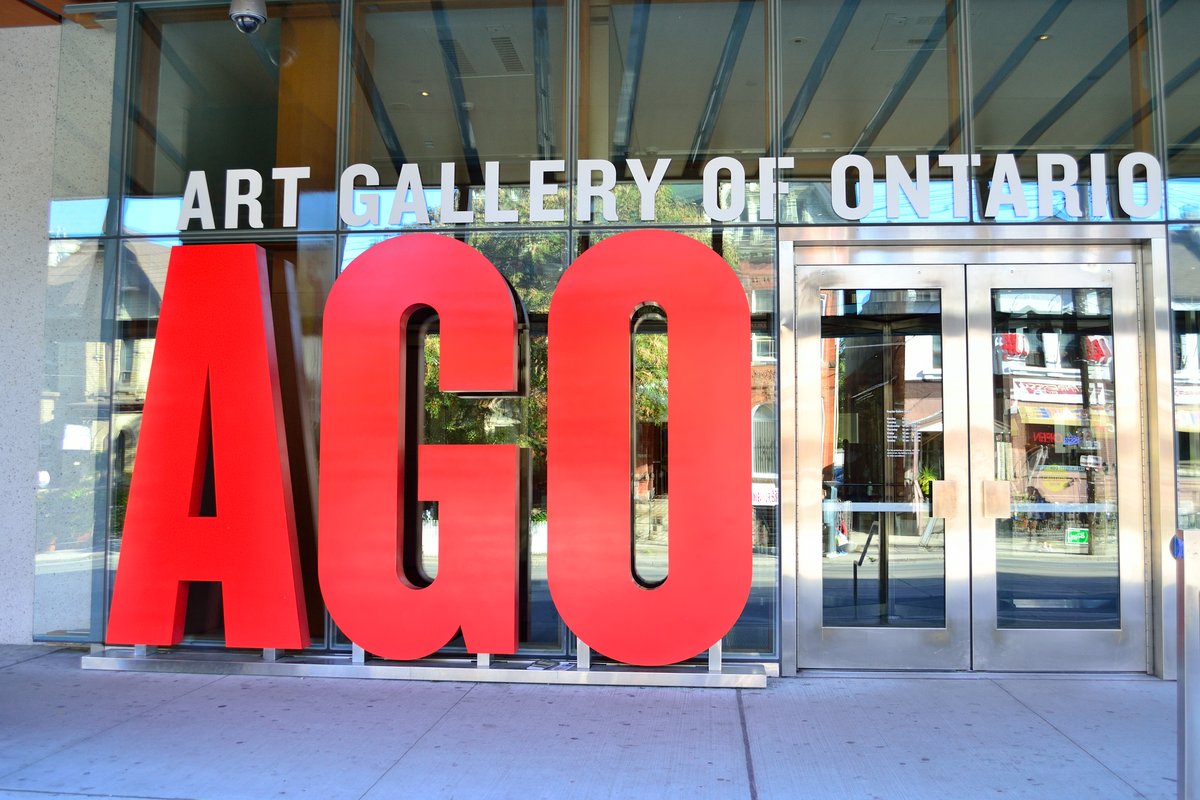
- Art Gallery of Ontario (AGO): Major art museum (ArchDaily).
- Eaton Centre: Downtown shopping destination (Toronto Info Center).
- Nearby Parks: Berczy Park and St. James Park offer urban green space and public art.
8. Frequently Asked Questions (FAQ)
Q: What are the Lumsden Building’s visiting hours?
A: Monday to Friday, 9:00 AM to 5:00 PM.
Q: Is there an admission fee?
A: No, admission is free for the lobby and exterior; upper floors are restricted.
Q: Are guided tours available?
A: The building itself doesn’t offer tours, but is included in various city heritage walks and special events (Heritage Toronto Tours).
Q: Is the building wheelchair accessible?
A: Yes, with accessible entries, elevators, and facilities.
Q: What are some nearby attractions?
A: St. Lawrence Market, Gooderham Building, Distillery District, CN Tower, Eaton Centre.
9. Heritage Status and Preservation
The Lumsden Building is listed on the Toronto Historic Register, ensuring its preservation as part of the city’s architectural heritage (Toronto Historic Registry). This designation safeguards its unique character for future generations.
10. Notable Facts and Figures
- Year of completion: 1912
- Architectural style: Early modernist, utilitarian with concrete facade
- Construction: H.N. Dancy and Son
- Electrical innovation: First in Canada to use “Galvaduct” armored conduit (Electrical News, 1912)
- Heritage status: Registered heritage property
- Location: 6 Adelaide Street East, Toronto
11. Legacy and Continuing Significance
As one of Toronto’s early high-rise commercial buildings, the Lumsden Building symbolizes the city’s modernization and willingness to embrace architectural innovation. Its preservation and continued use reflect Toronto’s commitment to celebrating and maintaining its architectural legacy (Toronto Historic Registry).
Listen to the full story in the app
Your Personal Curator, in Your Pocket.
Audio guides for 1,100+ cities across 96 countries. History, stories, and local insight — offline ready.
Audiala App
Available on iOS & Android
Join 50k+ Curators
Sources
- verified
- verified
- verified
- verified
- verified
- verified
- verified
- verified
- verified
Last reviewed: