Introduction
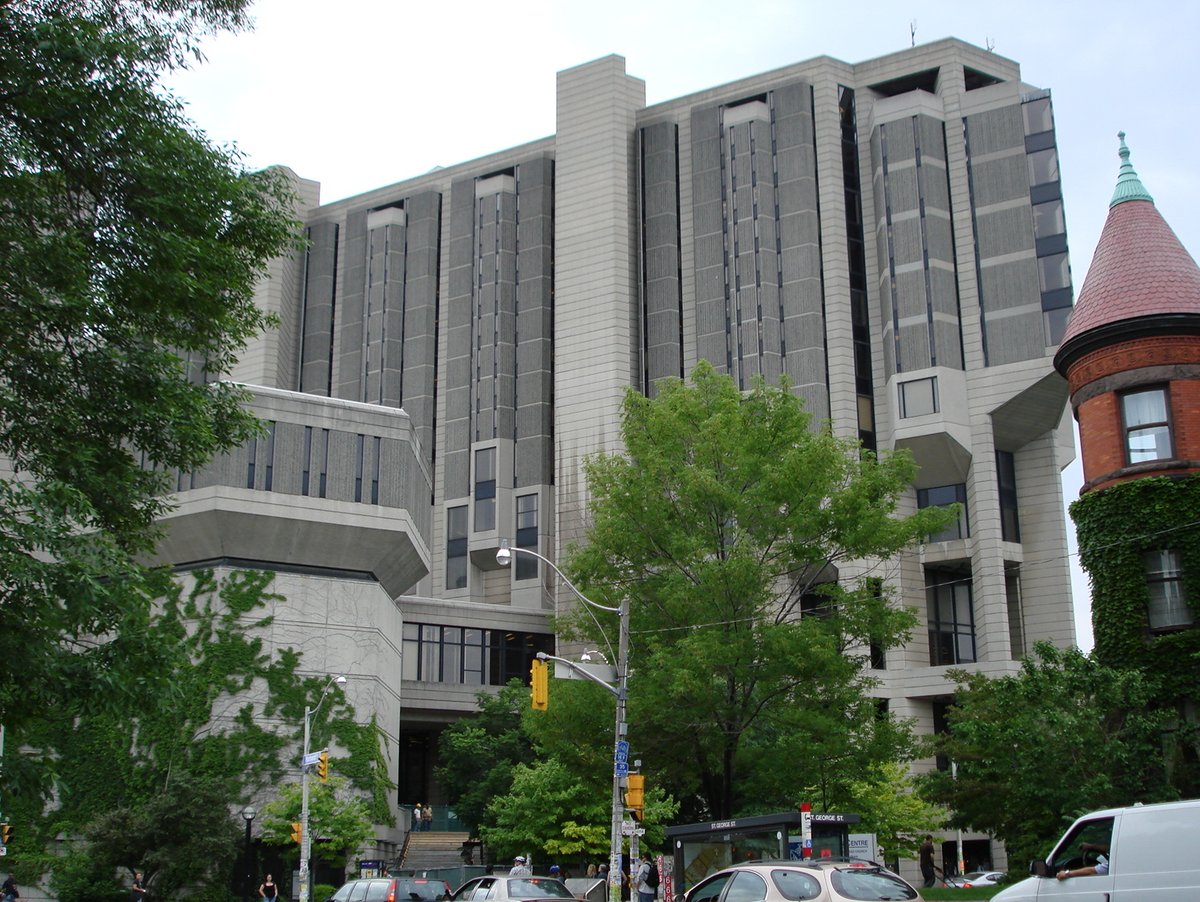
Nestled at the heart of the University of Toronto’s St. George campus, the John P. Robarts Library is one of the city’s most significant academic and architectural landmarks. Often nicknamed “Fort Book” for its imposing design, Robarts Library stands as a testament to Toronto’s academic heritage, Brutalist architectural innovation, and commitment to accessible, inclusive learning environments. This guide offers a comprehensive overview for visitors, covering the library’s history, architectural significance, visiting hours, ticketing, accessibility, travel tips, and more—ensuring you experience the best of this Toronto icon (Wikipedia, ArchDaily).
Photo Gallery
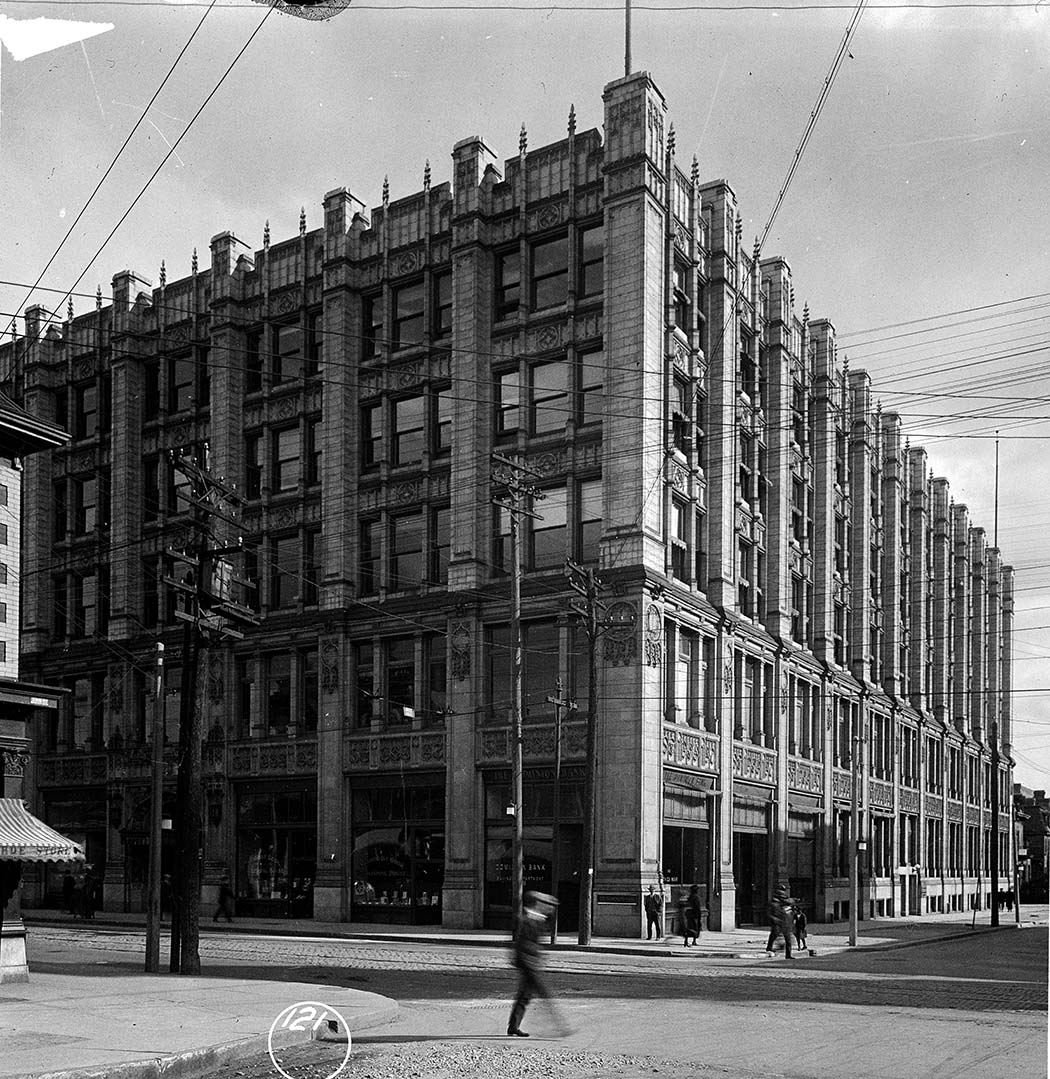
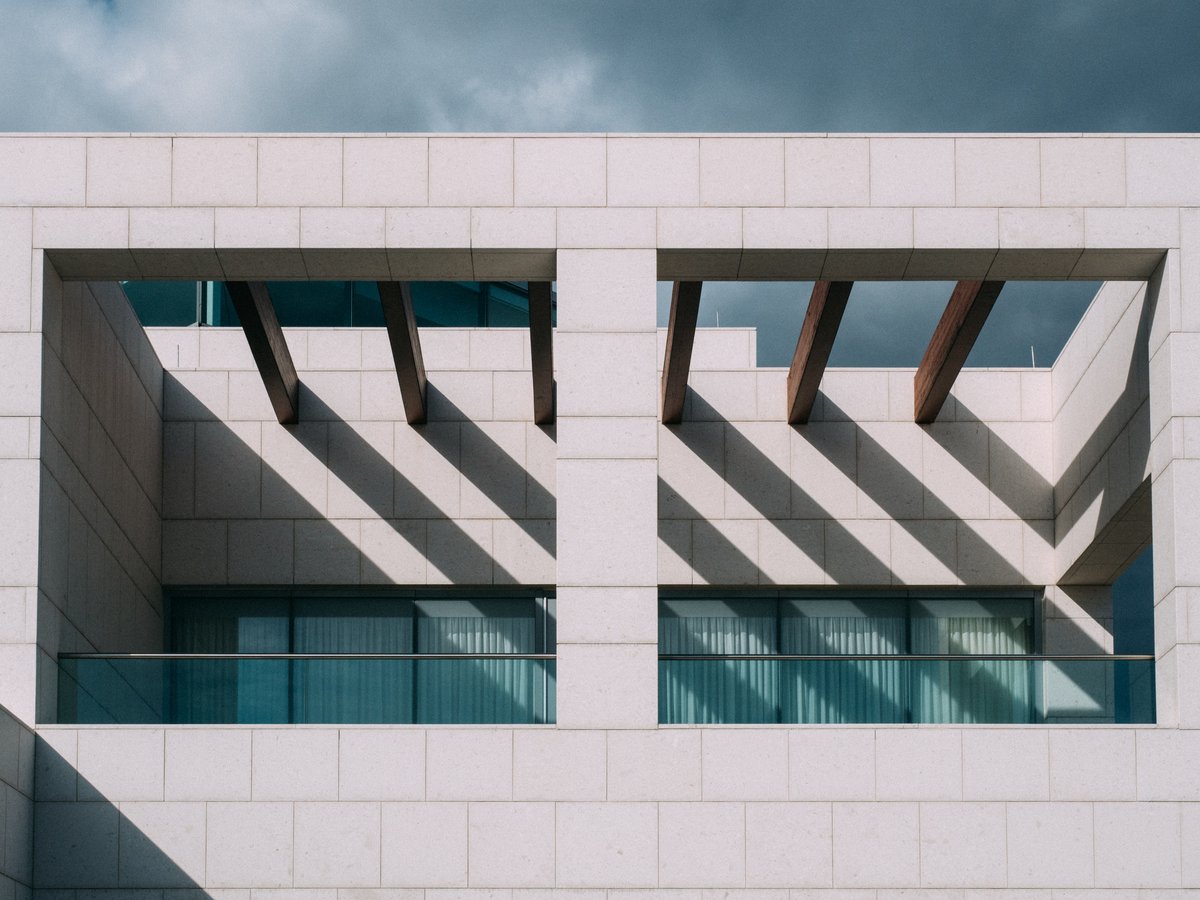
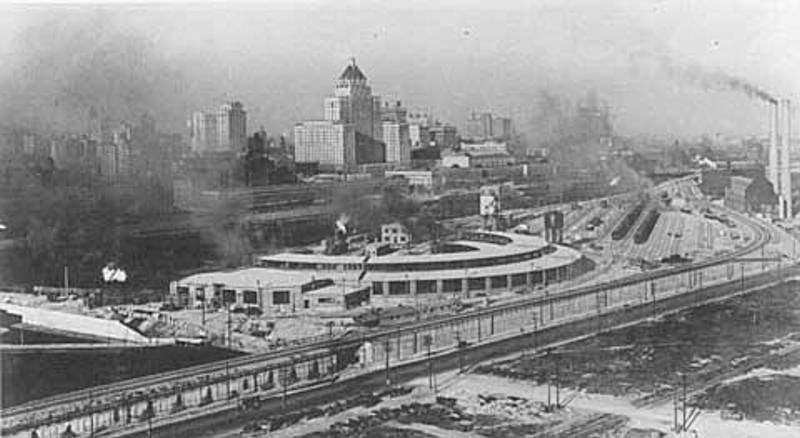
Explore John P. Robarts Library in Pictures
Origins and Historical Context
The conception of Robarts Library began in the 1960s, an era of rapid university expansion and ambitious public infrastructure projects tied to the Canadian Centennial. The University of Toronto sought a centralized library to support its burgeoning humanities and social sciences research. With the support of Ontario’s then-premier John P. Robarts, construction started in 1968, and the library officially opened in 1973. At its completion, Robarts was the largest individual academic library building globally, boasting over 1 million square feet and seating for more than 4,000 users (Wikipedia, Robarts Library 50 Exhibit).
Architectural Significance
Robarts Library epitomizes Brutalist architecture, a style characterized by bold geometric forms, raw concrete (béton brut) surfaces, and a focus on function over ornamentation. Designed by Mathers & Haldenby (Toronto) in association with Warner, Burns, Toan & Lunde (New York), the building features a distinctive triangular footprint, repeated throughout its three projecting towers and interior spaces. Its fortress-like appearance, complete with windowless lower floors and pronounced vertical towers, earned it the monikers “Fort Book” and “The Peacock” (ArchDaily, Spacing).
Robarts’ design serves both aesthetic and practical purposes: thick concrete walls and minimal fenestration ensure climate control and durability, essential for preservation of its vast collections. The building’s monumental presence has secured its place on the Architectural Conservancy of Ontario’s Heritage Register and established it as a beloved, if sometimes debated, Toronto landmark (Ontario Architecture).
Visiting Robarts Library
Hours and Admission
-
General Hours:
- Monday–Friday: 8:30 a.m. – 11:00 p.m.
- Saturday: 10:00 a.m. – 6:00 p.m.
- Sunday: 12:00 p.m. – 6:00 p.m.
Note: Hours may vary during holidays, exam periods, or special events. Always check the official website before your visit.
-
Admission:
- Free for all visitors.
- University of Toronto students, faculty, and staff have full access with a valid TCard.
- Public visitors are welcome in designated areas; access to certain collections may require advance appointments or special arrangements.
-
Guided Tours:
- Public and group tours are offered periodically. Book in advance via the official site or inquire at the front desk.
Accessibility and Visitor Services
Robarts Library is committed to accessibility and inclusivity:
- Wheelchair Access: Barrier-free entrance at 130 St. George St.; elevators and accessible washrooms throughout.
- Assistive Technologies: Height-adjustable workstations, portable desk risers, adjustable lighting, and light therapy lamps.
- Service Animals: Welcome in all areas.
- Accessible Study Spaces: Quiet zones, group rooms, and individual carrels designed for a range of needs.
- Accessible Tours: Guided tours with accessibility accommodations (e.g., sign language interpreters, alternate formats) can be arranged with advance notice (University of Toronto Libraries Accessibility Office).
- Wheelchair Loans: Available at the Loan Services Desk (waiver required).
Travel Tips and Nearby Attractions
- Location: 130 St. George Street, Toronto, ON, M5S 1A5.
- Public Transit: Steps from St. George subway station; several streetcar and bus routes nearby.
- Parking: Limited street parking; underground garages available across the street.
- Best Times to Visit: Mid-mornings and early afternoons on weekdays are typically quieter.
- Nearby Attractions:
- Royal Ontario Museum
- Queen’s Park
- Thomas Fisher Rare Book Library
- Claude T. Bissell Building
- Yorkville and Kensington Market neighborhoods
For detailed directions and maps, consult the University of Toronto campus map.
Collections, Facilities, and Study Spaces
Core Collections
- Over 4.5 million bookform items (humanities, social sciences, government documents)
- Extensive microform, maps, and archival materials
- Specialized collections include the University of Toronto Archives, Media Commons Archives, and the Thomas Fisher Rare Book Library (Campus Guides)
Study and Research Spaces
- More than 1,000 private study carrels, each with a window view
- Group study rooms (bookable for U of T affiliates; drop-in when available)
- Open reading rooms, silent and social zones, and reflection rooms for meditation or prayer
- Eating areas designated to maintain cleanliness and comfort
Technology & Research Support
- Digital resources: e-books, journals, databases, digitized archives
- Computer workstations (including height-adjustable desks)
- Wi-Fi throughout for those with university credentials
- Research help via Ask Chat Service, email, or in-person appointments
- Scanning and reproduction services (bring a USB drive)
Technological Innovation and Community Role
Robarts Library has been at the forefront of library technology, from pioneering computer-output microfilm catalogues in the 1970s to launching the online catalogue "Felix" in 1987. Continuous renovations since 2008 have modernized spaces, introduced the Robarts Common for collaborative learning, and added specialized amenities such as family study rooms and meditation spaces (U of T News).
Cultural Impact and Recognition
Robarts Library is celebrated for its architectural boldness and cultural influence. It has inspired architects, appeared in films (e.g., "Resident Evil: Afterlife"), and is cited as an inspiration for literary settings, such as the labyrinthine library in Umberto Eco’s "The Name of the Rose." In 2016, Monocle listed Robarts as a must-see in Toronto design, and its 50th anniversary was marked by major exhibitions and oral histories (Spacing, Heritage Toronto).
Special Events, Tours, and Photographic Spots
- Guided Tours: Periodically available; check Robarts Library events for schedules.
- Photography: The library’s exterior and cherry blossoms (especially in April–May near Huron and Harbord Streets) are popular photo spots.
- Events: Lectures, exhibitions, and academic workshops are frequently hosted; details on the official events page.
- Virtual Tours: Explore Robarts’ unique spaces online through the library’s website.
Frequently Asked Questions (FAQ)
Q: Do I need a ticket to enter Robarts Library?
A: No ticket is required; entry is free. U of T students, staff, and faculty use their TCard; public visitors may access designated areas.
Q: Can the public use group study rooms?
A: University affiliates can book online; visitors may use available rooms on a first-come, first-served basis.
Q: Are guided tours available?
A: Yes, tours are offered periodically. Check the website for current schedules.
Q: Is Robarts Library wheelchair accessible?
A: Yes, with barrier-free entrances, elevators, and accessible washrooms.
Q: When are cherry blossoms in bloom near Robarts?
A: Typically in April and May along Huron and Harbord Streets.
Q: Can I bring children?
A: Yes, but children must be supervised.
Q: Is photography allowed?
A: Generally yes, for personal use; ask staff about restrictions in special collections.
Practical Tips for Visitors
- Plan ahead: Confirm hours and guest access policies before your visit.
- Bring ID: A TCard or guest access is needed for entry beyond public areas.
- Accessibility: Contact the Accessibility Office for specific needs or to arrange services.
- Transportation: Use public transit; parking is very limited.
- Explore: Take advantage of tours, events, and unique study spaces.
- Stay updated: Follow Robarts Library on social media and check the official website for the latest information.
Listen to the full story in the app
Your Personal Curator, in Your Pocket.
Audio guides for 1,100+ cities across 96 countries. History, stories, and local insight — offline ready.
Audiala App
Available on iOS & Android
Join 50k+ Curators
Sources
- verified
- verified
- verified
- verified
- verified
- verified
- verified
- verified
- verified
Last reviewed: