Introduction
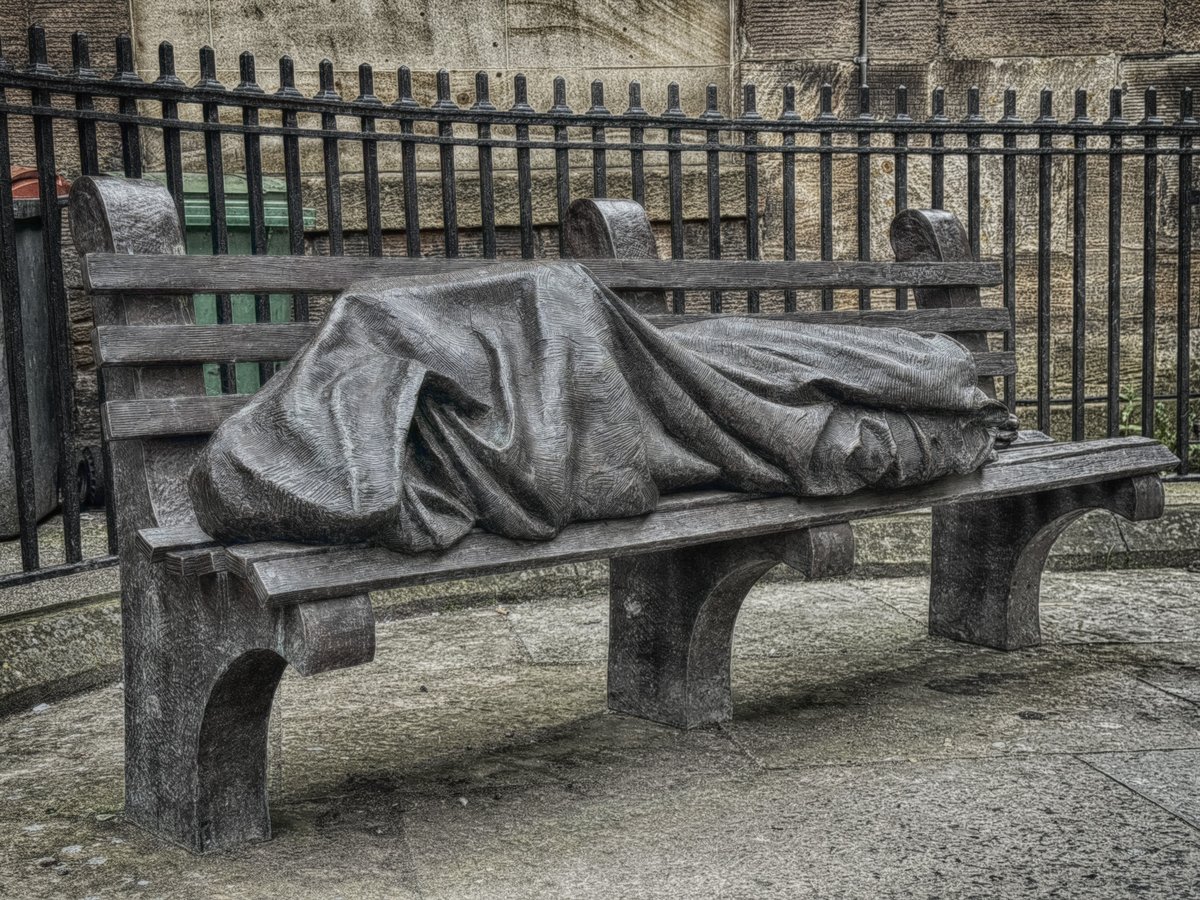
"Jesus The Homeless" in Toronto is a powerful and provocative piece of public art that bridges faith, social justice, and community awareness. Created by Canadian sculptor Timothy Schmalz, this life-sized bronze statue depicts Jesus as a homeless figure lying on a bench, his identity revealed only by the stigmata on his feet. The sculpture, inspired by the Gospel message of compassion for the marginalized—especially Matthew 25:40—invites visitors to reconsider their perceptions of poverty and recognize the inherent dignity in every person (NCR Online; Aleteia).
This guide covers the origins and vision behind "Jesus The Homeless," detailed visitor information (including hours, admission, and accessibility), the sculpture's historical and theological context, its role in Toronto’s ongoing conversation about homelessness, and practical tips for making the most of your visit. Whether you are a local resident, a tourist, or an art enthusiast, you’ll gain a deeper understanding of this moving landmark and its impact on Toronto and beyond.
Photo Gallery
Explore Jesus the Homeless in Pictures
Origins and Artistic Vision
Timothy Schmalz, a Canadian artist known for his religiously themed public sculptures, conceived "Jesus The Homeless" in 2013 after a personal encounter with a homeless person on a Toronto bench. Drawing inspiration from Matthew 25:40—“as you did to the least of my brothers, you did to me”—Schmalz sought to make visible the often-invisible suffering of the homeless (NCR Online). The sculpture’s lifelike figure is bundled in a blanket, face and hands hidden, with only the pierced feet exposed, revealing his identity as Christ (Aleteia; Esquire).
Schmalz describes the work as a “visual translation” of the Gospel, challenging viewers to recognize holiness in society’s most vulnerable and to reflect on their own attitudes toward poverty and exclusion (Christian Post).
Installation and Locations in Toronto
The original "Homeless Jesus" was first installed outside Regis College at the University of Toronto, 100 Wellesley Street West, in 2013. Regis College, known for its commitment to social justice, became the first permanent home for the sculpture after it was declined by other prominent churches due to concerns about its challenging imagery (HuffPost; The Star).
A second notable installation exists at St. Stephen-in-the-Fields Anglican Church at 103 Bellevue Avenue. This version began as a fibreglass cast and, after community fundraising, was replaced with a permanent bronze sculpture (Saint Stephen’s).
Visiting Hours, Tickets, and Accessibility
Regis College Location (100 Wellesley St. West)
- Hours: Open 24/7 (outdoor installation)
- Admission: Free; no tickets or reservations required
- Accessibility: Wheelchair accessible via sidewalks; Wellesley subway station (Line 1) is the nearest transit stop
St. Stephen-in-the-Fields (103 Bellevue Ave)
- Hours: Open 24/7 (outdoor installation)
- Admission: Free and open to the public at all times
- Accessibility: Wheelchair accessible; Ossington subway station (Line 2) and streetcar lines nearby
Practical Tips
- Best Time to Visit: Daylight hours are recommended for safety and optimal viewing, though the sculpture is accessible at any time
- Photography: Permitted; the bench invites visitors to sit beside the figure for contemplative photos
- Etiquette: Approach with respect; the site is often used for quiet reflection or prayer
Nearby Historical Sites and Suggested Itineraries
Both Regis College and St. Stephen-in-the-Fields are centrally located, making them ideal stops along a cultural or historical tour of Toronto. Consider pairing your visit with:
- St. Michael’s Cathedral Basilica: A short walk from Regis College, renowned for its architecture
- Queen’s Park: Historic park and seat of Ontario’s Legislative Assembly
- Royal Ontario Museum (ROM): Major museum of world culture and natural history (PlanetWare)
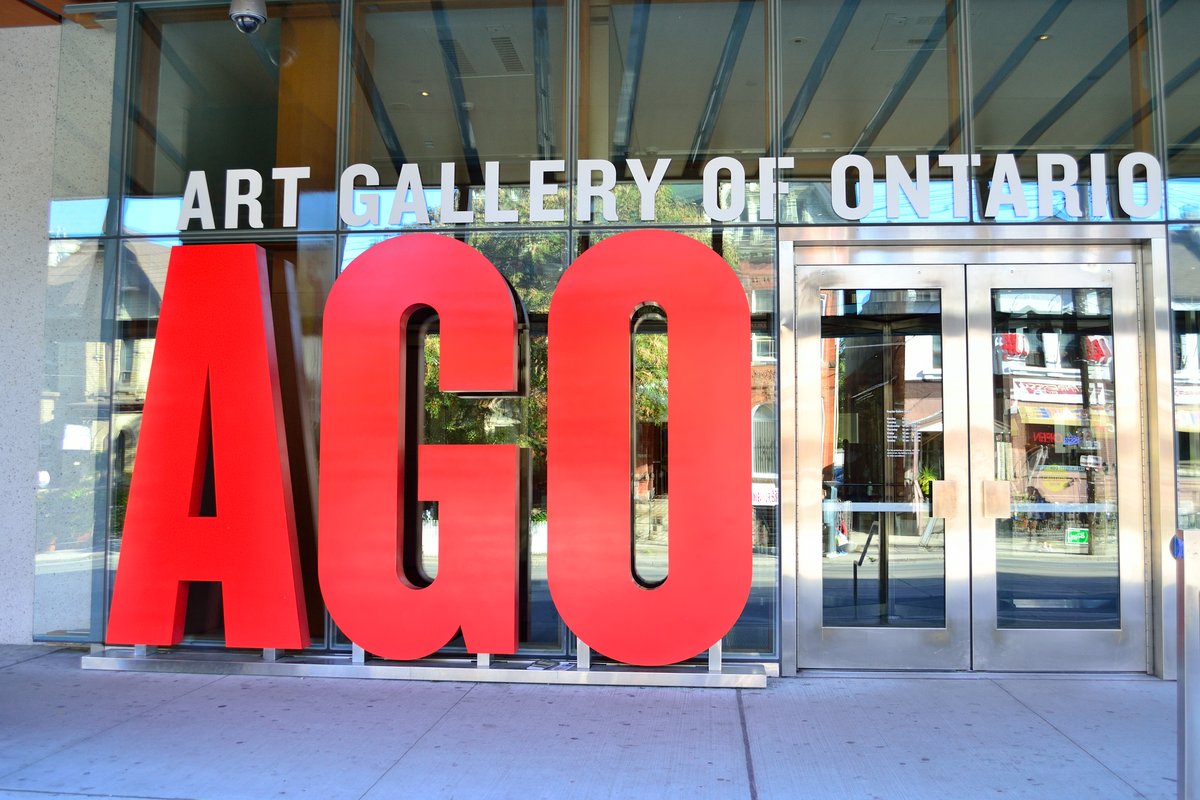
- Art Gallery of Ontario (AGO): One of North America’s leading art galleries (Canadian Train Vacations)
- Kensington Market and Church-Wellesley Village: Diverse neighborhoods with vibrant cultural scenes
Sample Morning Itinerary:
- Visit "Jesus The Homeless" at Regis College
- Walk to Queen’s Park or St. Michael’s Cathedral
- Enjoy lunch in Baldwin Village or College Street
- Continue to AGO or Kensington Market in the afternoon
Symbolism and Theological Significance
The sculpture’s anonymity—its face covered, only the stigmata visible—invites viewers to see Christ in every person, especially the marginalized. This echoes key biblical passages and aligns with longstanding Christian teachings on the dignity of the poor (Melbourne Catholic). Its placement outside religious and academic institutions bridges faith with public life, making a bold statement about the responsibilities of society and individuals alike.
Controversy and Public Impact
"Jesus The Homeless" has generated intense debate since its unveiling. Some church leaders initially rejected it, concerned about its challenging depiction of Christ. In Toronto, the sculpture’s realism led even to emergency calls from passersby mistaking it for a real person in distress (CBC). Despite controversy, the work has been praised for its honesty and ability to provoke meaningful reflection and conversation (Christian Post; CBC).
Broader Context: Homelessness in Toronto
Toronto, Canada’s largest city, faces persistent challenges regarding homelessness. Recent estimates indicate that over 5,000 people are homeless in the city, including a growing number of seniors. Many rely on shelters, while others sleep outdoors or in public spaces (Saint Stephen’s; HuffPost). The daily visibility of the sculpture serves as a stark reminder of these realities and a call to compassion and action.
Global Reach and Legacy
Since its debut in Toronto, "Jesus The Homeless" has been installed in more than 100 cities around the world, including the Vatican, New York, Dublin, Madrid, and Singapore (Catholic Weekly; Wikipedia). Pope Francis personally blessed the Vatican version, highlighting the work’s universal resonance.
Schmalz continues to create art focused on social issues and religious themes, extending the legacy of "Jesus The Homeless" as a catalyst for dialogue and empathy (Melbourne Catholic).
Visitor Experience and Practical Tips
- Getting There: Both installations are easily reached via Toronto’s public transit. Wellesley (Line 1) and Ossington (Line 2) are the nearest subway stations.
- Duration: Allow 10–20 minutes for contemplation and photography, or longer if attending a related event.
- Best Seasons: Spring through fall offer comfortable weather; winter visits can be poignant but require warm clothing.
- Nearby Amenities: Numerous cafés and restaurants are within walking distance of both sites.
Frequently Asked Questions (FAQ)
Q: Is there an admission fee or ticket required to visit "Jesus The Homeless"?
A: No, both installations are outdoors and free to visit at any time.
Q: What are the visiting hours?
A: The sculptures are accessible 24/7; daylight hours are safest and best for viewing.
Q: Is the site wheelchair accessible?
A: Yes, both sites offer paved walkways and accessible approaches.
Q: Is photography allowed?
A: Yes, photography is encouraged. The bench design invites visitors to sit beside the sculpture for reflective photos.
Q: Are guided tours available?
A: While there are no regular tours for the statue, local art walks and university tours may include it; check with Regis College or local tour operators.
Q: What is the nearest public transit stop?
A: Wellesley subway station (Line 1) for Regis College; Ossington (Line 2) for St. Stephen-in-the-Fields.
Listen to the full story in the app
Your Personal Curator, in Your Pocket.
Audio guides for 1,100+ cities across 96 countries. History, stories, and local insight — offline ready.
Audiala App
Available on iOS & Android
Join 50k+ Curators
Sources
- verified
- verified
- verified
- verified
- verified
-
verified
Jesus the Beggar, St
Stephen’s Anglican Church
- verified
- verified
- verified
- verified
- verified
- verified
- verified
- verified
- verified
Last reviewed: