Introduction: Ireland Park’s Historical Significance
Ireland Park, located along Toronto’s waterfront, stands as a moving memorial to the more than 38,000 Irish famine migrants who arrived in the city during the Great Famine (1845–1852). In 1847 alone, these new arrivals nearly doubled Toronto’s population, transforming the city’s social fabric and leaving an enduring legacy of compassion and resilience. Today, Ireland Park’s evocative sculptures, memorial wall, and tranquil landscape invite visitors to reflect on the hardships, hopes, and community spirit that shaped both Toronto and the Irish-Canadian connection.
This guide provides comprehensive information on Ireland Park’s visiting hours, accessibility, historical and artistic features, travel tips, and nearby attractions—offering everything you need for a meaningful visit to this unique historical site. For further details and updates, consult the Ireland Park Foundation and the Canada Ireland Foundation.
Historical Background and Creation
Ireland Park was conceived as a tribute to the Irish migrants who fled famine and hardship, arriving in Toronto during the summer of 1847. The vision for the park was sparked by Robert G. Kearns, founder of the Ireland Park Foundation, after he encountered Rowan Gillespie’s “Departure” famine sculptures in Dublin (Canada Ireland Foundation). Inspired to create a transatlantic dialogue, Kearns led the effort to establish an artistic and historical counterpart on Toronto’s waterfront.
The site at 5 Eireann Quay, adjacent to the historic Rees’s Wharf—where many famine migrants first set foot in Canada—was chosen for its historical resonance (Wikipedia). The park’s development was a collaborative effort involving the Canadian and Irish governments, private donors, and a team of architects, engineers, and landscape designers, officially opening in June 2007 (Kearns Mancini Architects).
Architectural and Artistic Features
Site and Landscape
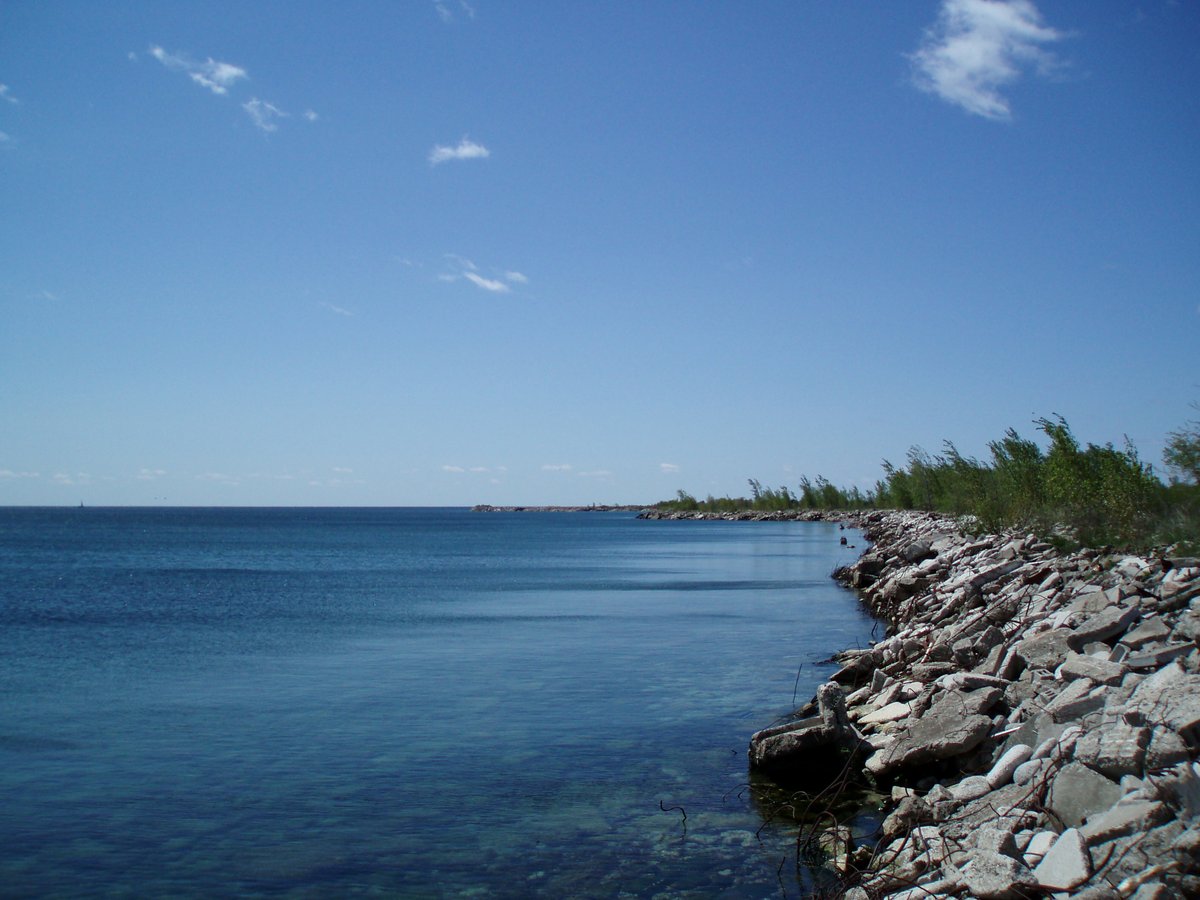
Ireland Park is set behind the Canada Malting Company silos, at the foot of Bathurst Street. The park occupies a contemplative space on the edge of Lake Ontario, offering views of both the city’s skyline and the open water. The surrounding silos—once symbols of abundance—stand as stark reminders of the famine’s deprivation (Kearns Mancini Architects). The park’s secluded entrance and minimalist signage reinforce its atmosphere of reflection and discovery.
“Arrival” by Rowan Gillespie
The heart of Ireland Park is the “Arrival” installation: five life-sized bronze sculptures by Rowan Gillespie. These figures, with gaunt faces and expressive postures, represent Irish famine survivors as they disembark—capturing exhaustion, uncertainty, hope, and renewal. Unlike the seven figures of Dublin’s “Departure,” the reduction to five in Toronto symbolizes the tragic losses during the transatlantic passage (Canada Ireland Foundation). The sculptures’ orientation toward the water evokes the moment of arrival and the daunting journey ahead.
Kilkenny Limestone Memorial Wall
Behind the sculptures stands a dramatic wall of black Kilkenny limestone, quarried in Ireland. This wall is inscribed with the names of 675 Irish migrants who died in Toronto in 1847, as well as the names of local clergy, officials, and caregivers who perished while offering aid (TO Cityscapes). Its rough surface and fossil-like engravings evoke the harshness of the famine and the enduring memory of those lost. Subtle lighting after dusk reveals the wall’s inscriptions and casts dramatic shadows of the sculptures onto the silos (Kearns Mancini Architects).
Symbolism and Interpretation
Ireland Park’s design is layered with meaning. The juxtaposition of famine-era figures, Irish limestone, and industrial silos connects themes of hunger and hope, suffering and abundance, exile and welcome. The site’s location on the water’s edge mirrors the migrants’ journey, while the skyline in the background highlights Toronto’s transformation since their arrival.
Interpretive signage throughout the park provides context, and the site serves as a venue for commemorative ceremonies and educational programming (Canada Ireland Foundation). The park’s universal themes of loss, resilience, and compassion resonate with all newcomers to Toronto.
Visiting Information: Hours, Admission, and Accessibility
Visiting Hours and Admission
- Open year-round from dawn until dusk.
- Admission is free; no tickets are required.
Location and Directions
- Address: 5 Eireann Quay, Toronto, ON, near the Canada Malting Silos and Billy Bishop Toronto City Airport.
- Public Transit: Take the 509 Harbourfront or 511 Bathurst streetcar to Bathurst Street and Queens Quay, then walk south along Eireann Quay.
- Parking: Limited street and paid parking are available nearby; accessible spaces are also close to the park.
- Cycling/Walking: The Martin Goodman Trail connects the park to Toronto’s waterfront trail system.
Accessibility
- Wheelchair accessible paved paths throughout the park.
- Seating is provided via benches and stone walls.
- Some natural stone surfaces may be uneven; plan accordingly for mobility needs.
Facilities
- Restrooms: Not available within the park; nearest public washrooms are at Billy Bishop Airport and nearby waterfront parks.
Guided Tours and Special Events
- Guided tours are occasionally available through the Ireland Park Foundation and local heritage organizations. Check the Ireland Park Foundation website for current schedules.
- Annual events: Famine Memorial Day and other cultural commemorations are held at the park (Ireland Park Foundation Events).
What to See and Do
Photographic Highlights
- Sculptures: The “Arrival” group against the lake or city skyline, especially at sunrise or sunset, offers compelling photographic opportunities.
- Kilkenny Limestone Wall: Best viewed in soft evening lighting, with inscriptions and textures revealed.
- Canada Malting Silos: Provide an industrial backdrop and visual contrast.
Reflection and Visitor Etiquette
- Quiet contemplation: Ireland Park is a memorial; visitors are encouraged to reflect and maintain a respectful demeanor.
- Photography: Permitted and encouraged, but avoid touching or climbing on sculptures and memorial stones.
Nearby Attractions
Ireland Park’s central waterfront location makes it a perfect starting point for exploring other Toronto highlights:
- Toronto Islands: Ferry access nearby for parks, beaches, and skyline views (Canadian Train Vacations).
- Harbourfront Centre: Arts, festivals, and waterfront patios within a short walk (Secret Toronto).
- The Bentway: Innovative public space with art, food, and community events.
- Trillium Park and Ontario Place: West along the waterfront for trails, gardens, and outdoor performances.
- Distillery District: Victorian-era architecture, galleries, shops, and summer markets (Time Out Toronto).
- Royal Ontario Museum (ROM): Extensive collections accessible by transit.
- High Park: Expansive green space with gardens and trails (Canadian Train Vacations).
July and summer months feature vibrant events, including the Toronto Festival of Beer, OssFest, and daily Toronto Harbour cruises (Secret Toronto; All Events in Toronto).
Tips for a Memorable Visit
- Visit early morning or late afternoon for tranquility and ideal lighting.
- Bring water and sun protection; amenities are limited.
- Combine your visit with a walk or bike ride along the waterfront trail.
- Allow time for quiet reflection and reading interpretive panels.
- Check local event listings for special programs or festivals during your visit.
Frequently Asked Questions (FAQ)
Q: What are Ireland Park’s visiting hours?
A: Open year-round, from dawn to dusk.
Q: Is there an admission fee?
A: No, it is free to visit.
Q: Is the park wheelchair accessible?
A: Yes, paved paths and accessible seating are provided.
Q: Are guided tours available?
A: Occasionally, through the Ireland Park Foundation or local tour groups—check schedules online.
Q: Where is Ireland Park located?
A: 5 Eireann Quay, Toronto, near the Canada Malting Silos and Billy Bishop Airport.
Q: Are restrooms available?
A: No, but facilities are nearby at Billy Bishop Airport and waterfront parks.
Q: Can I take photographs?
A: Yes, photography is welcome—especially of the sculptures and skyline.
Listen to the full story in the app
Your Personal Curator, in Your Pocket.
Audio guides for 1,100+ cities across 96 countries. History, stories, and local insight — offline ready.
Audiala App
Available on iOS & Android
Join 50k+ Curators
Sources
- verified
- verified
- verified
- verified
- verified
Last reviewed: