Introduction
The Imperial Oil Building—now Imperial Plaza—stands as a prominent mid-century modernist landmark in Toronto’s midtown. Located at 111 St. Clair Avenue West, this structure is celebrated for its architectural innovation, cultural significance, and pioneering adaptive reuse. Originally commissioned in 1957 as the headquarters for Imperial Oil Limited, the building’s blend of structural ingenuity, artistic merit, and urban prominence makes it a compelling destination for anyone interested in Toronto’s architectural and industrial heritage. This guide offers a comprehensive overview of the building’s history, architectural features, visitor access, and nearby attractions, providing all you need to plan your visit.
(Imperial Oil history, Heritage Toronto, BlogTO, Toronto Society of Architects)
Photo Gallery
Explore Imperial Oil Building in Pictures
Origins and Architectural Vision
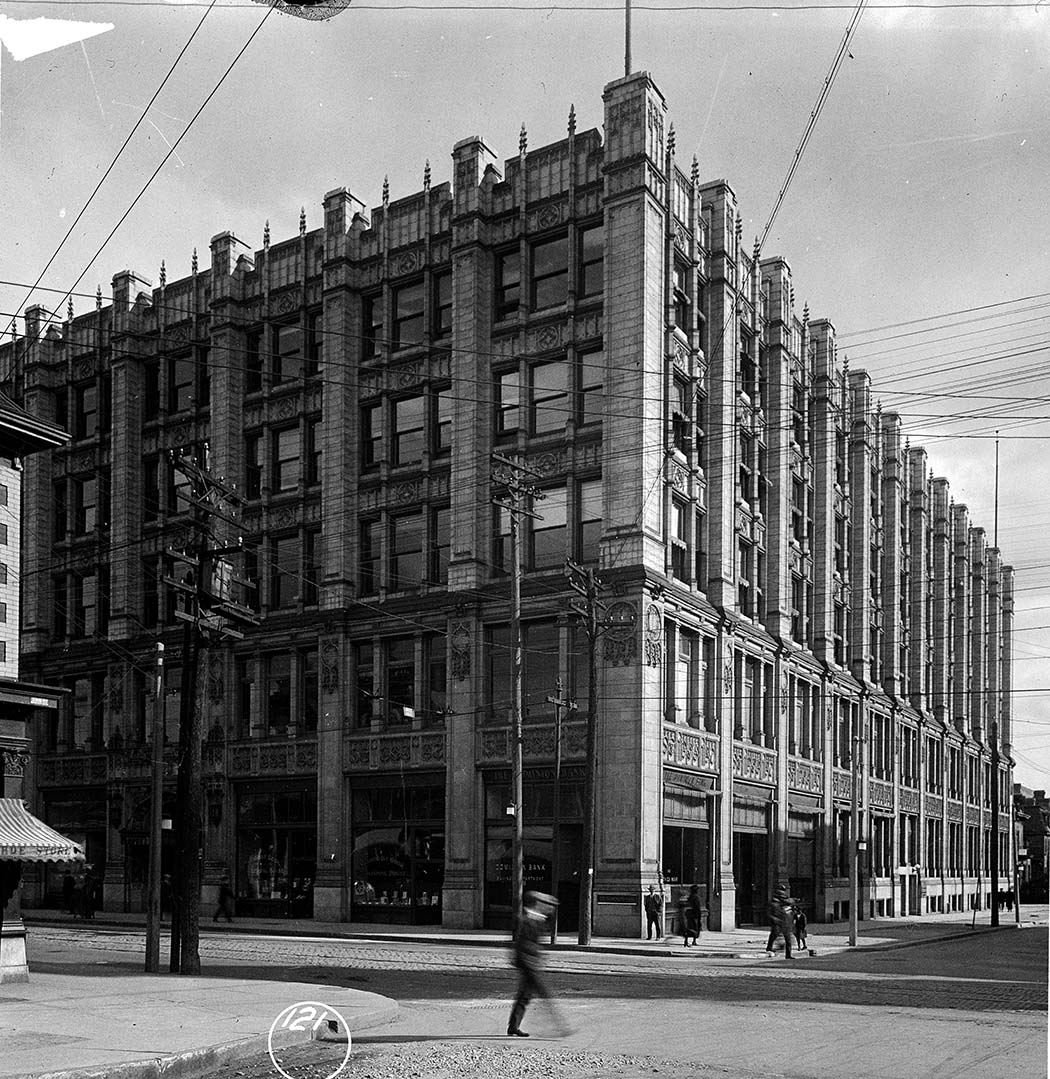
The Imperial Oil Building emerged in the 1950s, reflecting the optimism and industrial expansion of postwar Toronto. Designed by Mathers and Haldenby, the building was originally intended as an entry in the City Hall design competition before Imperial Oil repurposed the plans for its own headquarters. Completed in 1957, it became a symbol of corporate modernity and a catalyst for the business district's northward growth. Its distinctive pink granite and Indiana limestone façade, along with its sleek, modernist lines, set a new standard for commercial architecture in Canada. (Heritage Toronto, BlogTO)
Construction and Technological Innovations
At 21 storeys, the Imperial Oil Building featured the world’s largest welded steel frame at the time, enabling a column-free interior and exceptional structural resilience. This innovation facilitated advanced heating and cooling systems and was designed to serve as an alternative hospital and bomb shelter during the Cold War era, underscoring its status as one of North America’s most modern office buildings in the 1950s. (Toronto Society of Architects)
Artistic and Cultural Significance
A highlight of the building is the monumental “The Story of Oil” murals by Canadian artist R. York Wilson. These two-panel works, each 25 by 32 feet, were commissioned to celebrate the industrial and societal impact of oil and remain one of the most significant works of public art in a Toronto office building. The murals are preserved in the building’s grand lobby, blending art and corporate identity, and are accessible to the public during select events and business hours. (Heritage Toronto)
Landmark Status and Observation Deck
Commanding a dramatic location atop an escarpment, the Imperial Oil Building's observation deck, once the highest vantage point in Toronto, offered panoramic views across the city and, on clear days, as far as Niagara Falls. While the deck is no longer open to the public, the building's elevated site continues to provide impressive vistas from the surrounding area. (BlogTO)
Corporate Evolution and Relocation
Imperial Oil Limited played a central role in Canada’s economic development. In 2004, the company relocated its headquarters to Calgary, following broader shifts in the nation's energy sector. This move paved the way for the building’s adaptive reuse and preservation within Toronto’s urban landscape. (Imperial Oil history)
Heritage Designation and Adaptive Reuse
Facing the threat of demolition, the building was granted heritage designation in 2005, safeguarding its architectural and artistic features. Developer Camrost-Felcorp led the transformation of the former headquarters into Imperial Plaza condominiums, preserving key elements such as the grand lobby and murals. The adaptive reuse project, completed in 2015, has been recognized as a model of sensitive heritage conservation and modern urban living. (Toronto Society of Architects, UrbanToronto)
Visiting the Imperial Oil Building (Imperial Plaza)
Visiting Hours and Ticket Information
- Lobby and Public Spaces: Open Monday to Friday, 9:00 AM–5:00 PM. Public access may be limited to the lobby and retail spaces by building security or during special events.
- Retail Tenants: Hours vary by retailer (e.g., Longo’s Urban Market and LCBO typically operate from early morning to late evening).
- Special Events: Doors Open Toronto and heritage open houses occasionally allow expanded public access and guided tours. Check official event listings for dates.
No admission ticket or fee is required to access the lobby or retail spaces. Access to residential amenities and upper floors is restricted to residents and authorized guests.
Accessibility and Travel Tips
- Location: 111 St. Clair Avenue West, Toronto.
- Public Transit: Served by TTC streetcars (512 St. Clair) and close to St. Clair subway station.
- Parking: Limited on-site and street parking; several paid lots nearby.
- Accessibility: Lobby, ground floor, and retail spaces are wheelchair accessible, with elevators and ramps. For special accessibility needs, contact management or event organizers in advance.
Guided Tours and Photography
- Guided Tours: Offered during Doors Open Toronto and other heritage events; check Heritage Toronto and UrbanToronto for schedules.
- Photography: Permitted in public areas; flash photography of the mural is discouraged to protect the artwork.
Nearby Attractions
- Casa Loma: A renowned Gothic Revival mansion and museum north of Imperial Plaza. (Canadian Train Vacations)
- David A. Balfour Park: A nearby urban park ideal for strolling.
- The Annex and Forest Hill: Vibrant neighborhoods featuring historic homes, shops, and diverse dining options.
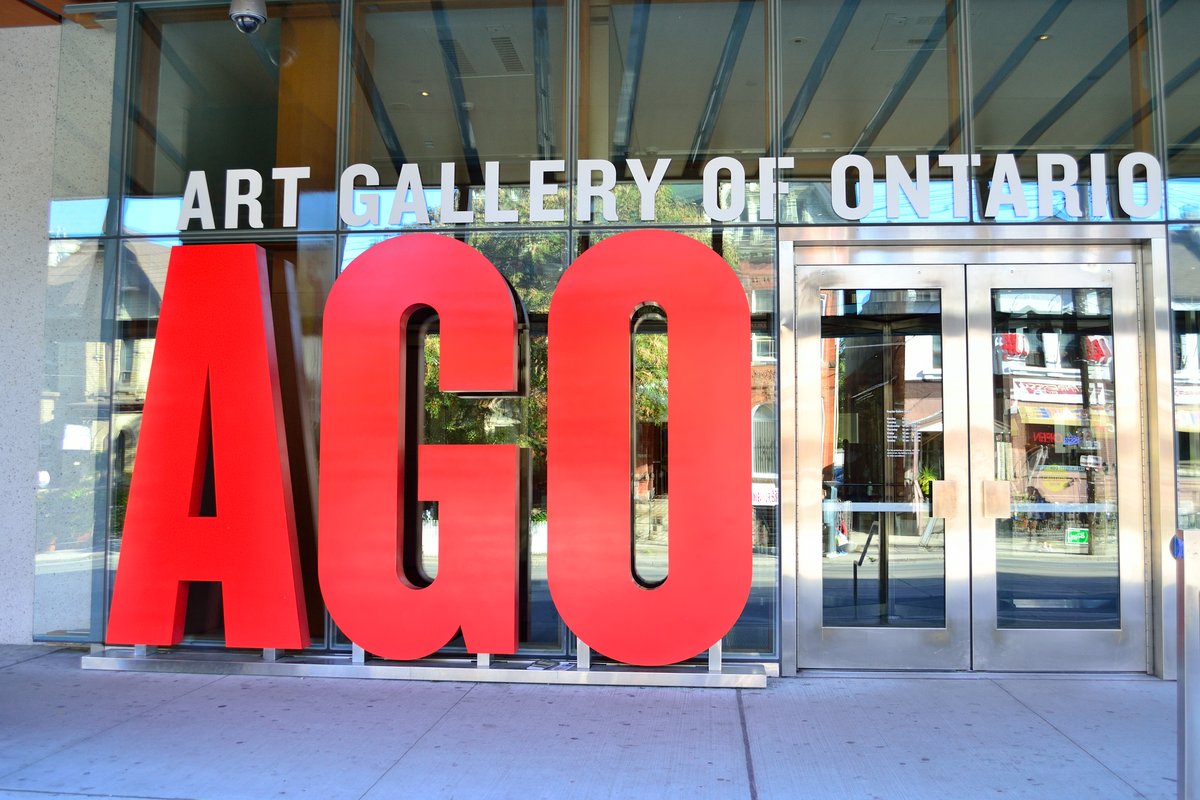
- Art Gallery of Ontario (AGO): Home to extensive art collections and innovative architecture.
(Nomadic Matt’s Toronto Guide)
Visitor Experience: What to Expect
- Lobby and Art: The two-storey grand lobby, finished in marble, bronze, and terrazzo, showcases R. York Wilson’s monumental murals. Interpretive signage offers historical context.
- Retail: Cafés, markets, and shops serve both residents and visitors on the ground floor.
- Observation Deck: No longer open to the public, but historical significance remains.
- Events: Special events provide rare opportunities for expanded access and expert-led tours.
Safety and Practical Tips
- Toronto is widely regarded as a safe city. Standard urban precautions apply.
- Respect the privacy of residents and avoid restricted areas.
- Photography is welcome in public spaces, but always observe signage and staff instructions.
Frequently Asked Questions (FAQ)
Q: What are the Imperial Oil Building visiting hours?
A: The lobby and public spaces are open Monday to Friday, 9:00 AM–5:00 PM. Retail hours may differ.
Q: Are tickets required for entry?
A: No tickets or admission fees are required for public spaces.
Q: Are guided tours available?
A: Not regularly, but available during special events like Doors Open Toronto.
Q: Is the observation deck open?
A: No, the original deck is closed to the public.
Q: Is the building accessible for people with disabilities?
A: Yes, the lobby and retail spaces are wheelchair accessible.
Q: Can I photograph the murals?
A: Photography is allowed in public areas; avoid using flash on the murals.
Visuals and Media
Recommended images:
- Exterior view with limestone and granite façade (alt: "Imperial Oil Building Toronto limestone façade").
- Grand lobby showing York Wilson murals (alt: "Imperial Oil Building York Wilson mural lobby interior").
- Map of 111 St. Clair Avenue West and surrounding attractions.
For virtual tours and additional photographs, see the ERA Architects project page.
Listen to the full story in the app
Your Personal Curator, in Your Pocket.
Audio guides for 1,100+ cities across 96 countries. History, stories, and local insight — offline ready.
Audiala App
Available on iOS & Android
Join 50k+ Curators
Sources
- verified
- verified
- verified
- verified
- verified
- verified
Last reviewed: