Introduction
Standing at the intersection of Wellington Street East, Front Street East, and Church Street, the Gooderham Building—widely known as Toronto’s “Flatiron Building”—is a quintessential symbol of the city’s architectural and economic heritage. Completed in 1892, this unique wedge-shaped structure not only predates New York’s Flatiron Building but also showcases a masterful blend of Romanesque Revival, Gothic Revival, and Queen Anne styles. Designed by architect David Roberts Jr. and commissioned by George Gooderham, the building played a central role in Toronto’s late 19th-century urban and commercial expansion (Toronto Heritage; Toronto Journey 416).
This guide provides everything you need to know for a memorable visit, including historical context, architectural features, practical visitor information, accessibility, and nearby attractions.
Photo Gallery
Explore Gooderham Building in Pictures
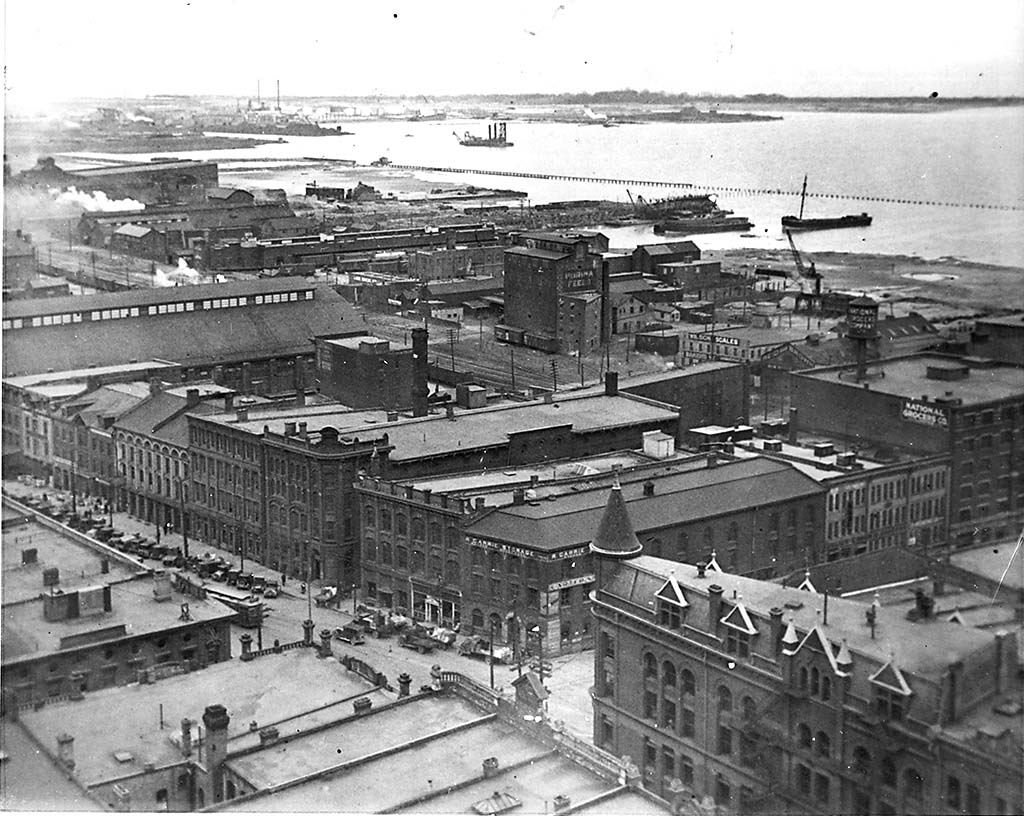
Southeast aerial photograph of Front and Church Streets in Toronto featuring the historic Gooderham Building to the right and St. Lawrence Market to the left.
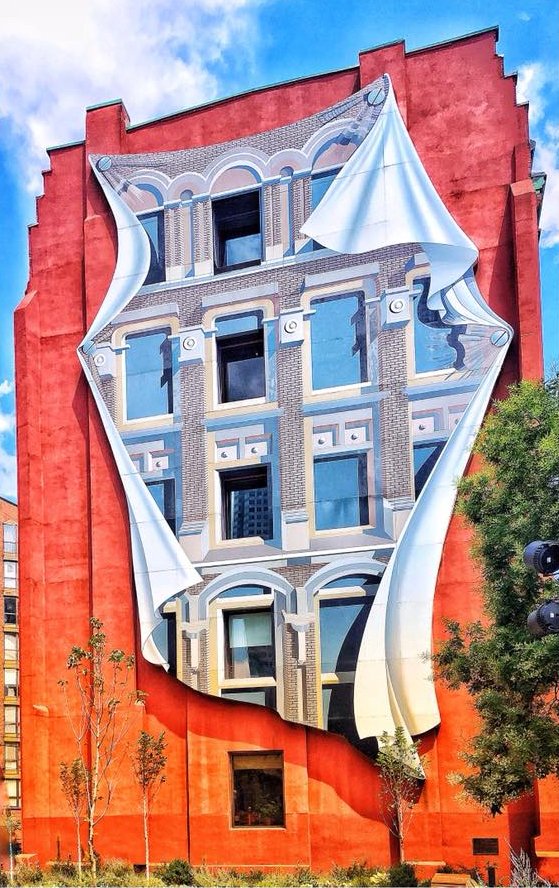
Historic Gooderham Building in Toronto Ontario known for its distinctive flatiron architecture
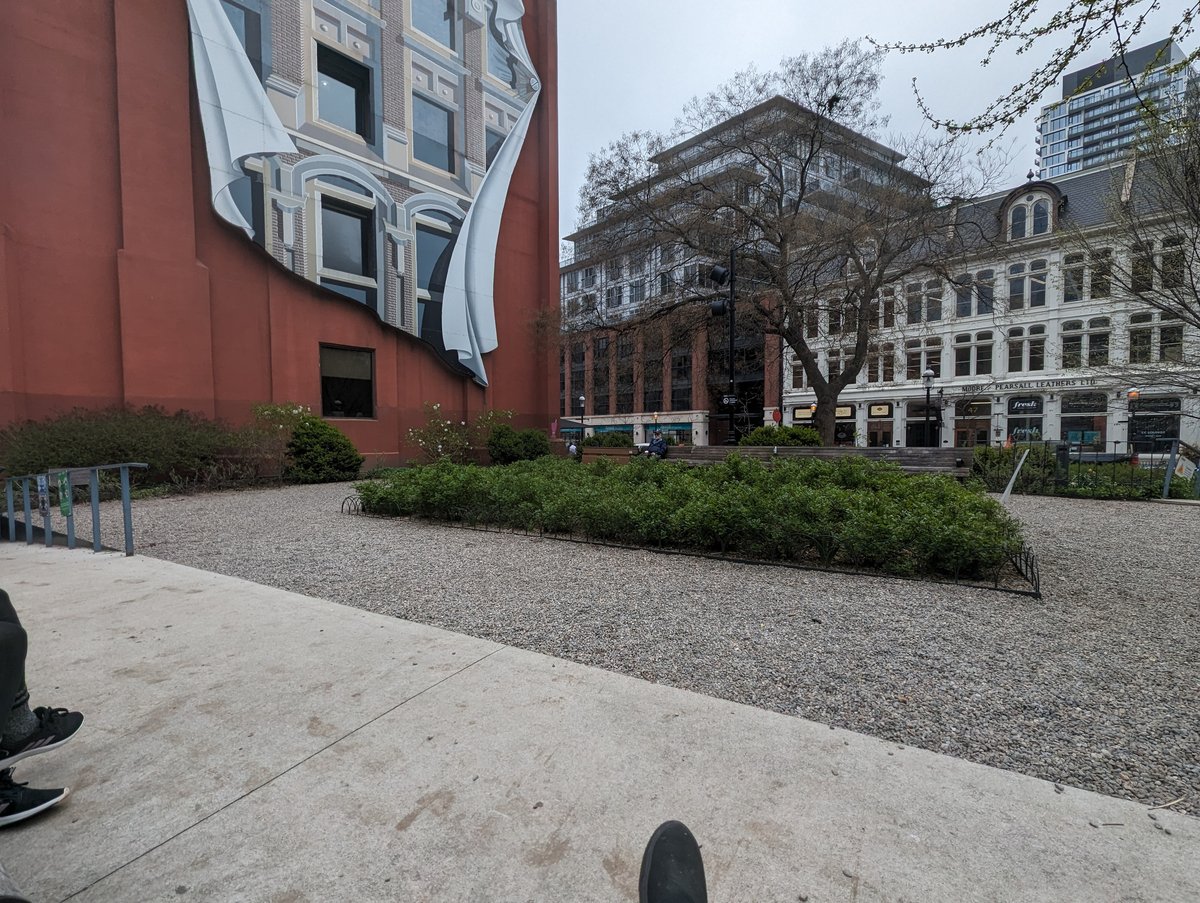
Historic Gooderham Building, a distinctive red brick structure with green copper roof, located in Berczy Park, Toronto, Canada
Origins and Construction
The Gooderham Building was constructed in 1891–1892 at a cost of approximately $18,000 CAD. George Gooderham, president of the Gooderham & Worts distillery empire, envisioned a headquarters that would reflect both his business’s success and the city’s growing ambitions (Toronto Heritage). Architect David Roberts Jr. designed the five-story, red-brick landmark to fit the acute triangular lot—making it one of Toronto’s most innovative urban buildings of its time.
Architectural Features and Innovations
Design Influences
The building exemplifies late 19th-century urban architecture, blending Romanesque Revival (arched windows, decorative brickwork), Gothic Revival (steep copper-clad roof, turret), and Queen Anne (detailed ornamentation) elements (Toronto Journey 416; Wikipedia). Its sharp “flatiron” footprint maximizes the use of the triangular lot and serves as a dramatic visual anchor for the neighborhood.
Structural Advancements
The Gooderham Building is one of North America’s earliest examples of metal-framed construction, allowing for more windows and a slender form unachievable with traditional masonry. It also featured Toronto’s first manually operated electric elevator and ten secure vaults, reflecting Gooderham & Worts’ need for innovation and security (Toronto Future; Toronto Journey 416).
Iconic Features
- Copper-Clad Turret: The eastern tip is crowned by a conical copper roof and turret, originally housing George Gooderham’s office.
- Trompe-l’oeil Mural: The rear (west) façade features a mural by Derek Michael Besant, painted in 1980 to create the illusion of a curtain revealing the building’s “interior” (Toronto Murals).
- Cast-Iron Spiral Staircase: At the rear, an elegantly designed fire escape system is both functional and historic.
- Clock Tower: Installed in 1892, the clock remains a city landmark (Ugly and Traveling).
Historical Significance and Economic Impact
At the time of its construction, the Gooderham Building was at the heart of Toronto’s commercial district. As headquarters for the Gooderham & Worts distillery—then the largest in the British Empire—it became a symbol of industrial might and innovation. The building’s address attracted high-profile tenants and set a standard for urban development in the city (Distillery Historic District; The Canadian Encyclopedia).
Surviving the Great Toronto Fire of 1904 and later urban renewal pressures, the Gooderham Building stands today as a testament to the city’s resilience and commitment to heritage preservation (Toronto Public Library).
Preservation and Heritage Status
Designated under the Ontario Heritage Act in 1975, the Gooderham Building has benefited from several restoration campaigns. A major restoration in 1977, led by William Greer, and subsequent renovations in 1998 and 2011 preserved its brickwork, copper roof, and distinctive mural (Canadian Architect; City of Toronto Heritage Register). The building’s conservation set a precedent for heritage preservation and adaptive reuse in Toronto (Panot Capital).
Cultural and Urban Legacy
The Gooderham Building has become a Toronto icon, featured in films, postcards, and countless photographs. Its image is synonymous with the city’s blend of historical charm and modern dynamism. The building’s preservation and adaptive reuse have inspired similar projects across the city, such as the revitalization of the Distillery District.
Surrounded by Berczy Park and the St. Lawrence Market, it anchors a vibrant urban neighborhood and serves as a focal point for community events and city tours (Curiocity). Its mural and proximity to the whimsical dog fountain in Berczy Park add to its cultural appeal (CityDays).
Visiting Information: Hours, Tickets, and Accessibility
Location
- Address: 49 Wellington Street East, Toronto, ON M5E 1C9, Canada
Hours
- Exterior Viewing: Accessible any time, year-round.
- Interior: The building houses private offices; interior access is generally not available to the public.
- Basement Pub (The Flatiron): Open daily from 11:00 AM to 11:00 PM.
Tickets
- Admission: No tickets or fees are required to view or photograph the building’s exterior.
Accessibility
- The surrounding area is wheelchair-accessible, with curb cuts and pedestrian-friendly pathways.
- Public transit (TTC subway and streetcars) is available nearby; limited street parking and public lots are within walking distance.
Guided Tours and Photography Tips
- Guided Tours: Several walking tours of the St. Lawrence neighborhood include the Gooderham Building. These tours offer historical and architectural insights; check local tour providers for schedules.
- Self-Guided Tours: Maps are available online and at Toronto visitor centers.
- Photography: Best light occurs in early morning or late afternoon. Iconic shots can be captured from the intersection of Front and Wellington Streets. Don’t miss the mural on the west wall or nighttime illumination for dramatic images.
Nearby Attractions and Urban Connectivity
- St. Lawrence Market: Historic food and craft market (St. Lawrence Market info).
- Distillery District: Pedestrian-only area with Victorian industrial architecture, shops, and eateries (Distillery District guide).
- Berczy Park: Green space with a whimsical dog fountain, perfect for relaxation or photos.
- Cathedral Church of St. James: A Gothic Revival landmark nearby.
The area is easily walkable, bikeable, and well-served by public transit (Curiocity).
Frequently Asked Questions (FAQ)
Q: What are the Gooderham Building’s visiting hours?
A: The exterior is accessible at any time. The Flatiron pub in the basement is open daily from 11:00 AM to 11:00 PM.
Q: Is there a fee or ticket required to visit?
A: No, visiting and photographing the building’s exterior is free.
Q: Can I tour the inside of the Gooderham Building?
A: The interior is private and not open to the public, except for the basement pub.
Q: Is the area wheelchair accessible?
A: Yes, the surrounding sidewalks and public spaces are accessible.
Q: Are guided tours available?
A: Yes, several historical walking tours include the building as a highlight.
Visuals and Media
- Optimized images with alt text such as "Gooderham Building Toronto flatiron architecture" and "Trompe-l’oeil mural on Gooderham Building" enhance accessibility.
- Interactive maps showing the building’s location and nearby attractions are available on many tourism sites.
- Virtual tours and high-resolution photo galleries can be found on official heritage and tourism websites.
Summary and Visitor Tips
The Gooderham Building is a cherished emblem of Toronto’s architectural and commercial legacy. Its pioneering flatiron design and blend of Romanesque and Gothic Revival styles reflect the city’s Victorian-era innovation. Thoughtful preservation and adaptive reuse have ensured its status as a living landmark, supporting the local economy and enriching Toronto’s identity (The Canadian Encyclopedia; Toronto Heritage).
For the best experience:
- Visit in the morning or late afternoon for photography.
- Explore nearby attractions like St. Lawrence Market, the Distillery District, and Berczy Park.
- Consider joining a guided walking tour for deeper historical context.
- Download the Audiala app for curated tours, maps, and updates about Toronto’s heritage sites.
Listen to the full story in the app
Your Personal Curator, in Your Pocket.
Audio guides for 1,100+ cities across 96 countries. History, stories, and local insight — offline ready.
Audiala App
Available on iOS & Android
Join 50k+ Curators
Sources
- verified
- verified
- verified
- verified
- verified
- verified
- verified
- verified
- verified
Last reviewed: