Introduction
Nestled in the cultural heart of downtown Toronto, the Gardiner Museum is Canada’s only institution devoted solely to the art and history of ceramics. Since its founding in 1984 by George R. and Helen E. Gardiner, it has developed a world-class collection spanning from ancient pre-Columbian pottery to contemporary Canadian ceramics. Visitors are treated to a blend of rich history, dynamic exhibitions, hands-on experiences, and a striking architectural setting (Gardiner Museum official site). This guide provides comprehensive information on visiting hours, tickets, accessibility, amenities, and tips for exploring one of Toronto’s premier historical and cultural attractions.
Photo Gallery
Explore Gardiner Museum in Pictures
History and Architectural Significance
Founding and Early Development
The Gardiner Museum was established in 1984 as a dedicated space to appreciate, study, and celebrate ceramics from across the globe (Gardiner Museum official site; Toronto Attractions Council). The original building, designed by Keith Wagland, reflected neoclassical modernism, setting the tone for the museum’s identity (The Canadian Encyclopedia). The founding collection featured pre-Columbian earthenware, Italian Maiolica, and Asian porcelain, later expanding to include significant European and Canadian works.
Expansion and Transformation
In the early 2000s, a major expansion led by KPMB Architects and Bruce Kuwabara added space for new galleries, educational programs, a retail shop, and a café (Gardiner Museum History; ArchDaily). The 2006 reopening was met with acclaim, earning architectural awards for its sensitive blend of tradition and modernity (Architectural Record).
Design Features
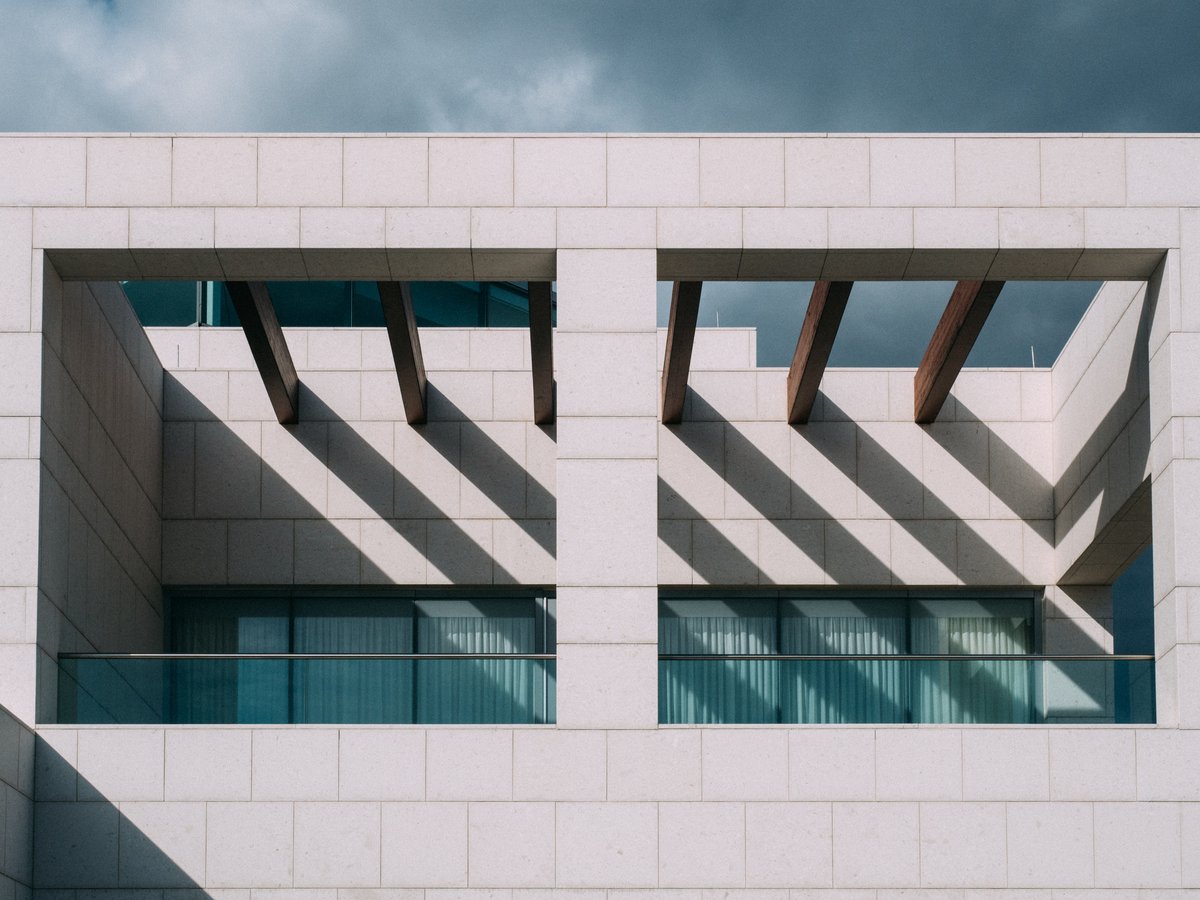
The museum’s limestone façade and floor-to-ceiling windows connect the interior to the city’s cultural landscape. Terraced landscaping and the third-floor terrace offer panoramic views of Queen’s Park and downtown Toronto. Inside, a curated journey leads visitors through themed galleries, special exhibitions, and bright, accessible public spaces (ArchDaily).
Visitor Information
Visiting Hours and Admission
- Hours: Tuesday–Sunday, 10:00 AM–5:00 PM. Closed Mondays and statutory holidays (We Love Toronto).
- Admission: Pay-what-you-can during renovations (June 2024–October 2025), with regular rates resuming after (Gardiner Museum Plan Your Visit; BlogTO).
- Tickets: Purchase online via the official site or at the door. Discounts for seniors, students, and children; children under 12 may be free (check policies).
Directions and Accessibility
- Location: 111 Queen’s Park, Toronto, ON M5S 2C7.
- Transit: Steps from Museum subway station, with streetcar and bus routes nearby (WhichMuseum Visitor Info).
- Parking: Limited street and public lot parking; public transit recommended.
- Accessibility: Fully wheelchair-accessible with barrier-free entrances, elevators, accessible washrooms, service animal welcome, and support persons admitted free (Gardiner Museum Accessibility Policy).
Travel Tips and Nearby Attractions
- Combine your visit with the Royal Ontario Museum and Queen’s Park, both within walking distance.
- The third-floor terrace offers excellent views and photo opportunities.
- Check the museum website for special exhibitions, workshops, and events.
Permanent and Special Exhibitions
Collection Highlights
The Gardiner’s permanent collection features over 5,000 ceramic objects from ancient to contemporary times:
- Ancient Americas: Pre-Columbian pottery and figurines.
- European Ceramics: Italian Maiolica, French and German porcelain, English pottery.
- Asian Ceramics: Chinese porcelain, Japanese and Korean ceramics.
- Canadian and International Contemporary Ceramics: Modern sculptures, installations, and experimental works.
Current and Upcoming Exhibitions
- Collecting Memories: 40 Years of Ceramics and Community (Oct 9, 2024–Jun 22, 2025)
- Test Kitchen: A Museum Project (Oct 18, 2024–Aug 15, 2025)
- Linda Sormin: Uncertain Ground (Nov 6, 2025–Apr 12, 2026) (Gardiner Museum)
The Curatorial Residency Program
This annual program supports emerging curators in developing exhibitions that address contemporary issues, resulting in innovative displays in the museum’s lobby and galleries.
Visitor Experience
Gallery Layout
The museum’s layout is intuitive, encouraging a logical flow from the ground floor (shops and amenities) to upper galleries (permanent collection and exhibitions). Clear signage and staff assistance make navigation easy, and renovations will further enhance accessibility and visitor flow (Wikipedia Gardiner Museum).
Engagement Activities
- Clay Studio Workshops: Hands-on clay classes for all ages, led by experienced instructors (Gardiner Museum Clay Classes).
- Test Kitchen: Interactive exhibit blending art appreciation and tactile learning (Gardiner Museum Test Kitchen).
- Teen and Family Programs: Including summer camps and inclusive workshops (The 519).
- Guided Tours: Bookable in advance for individuals and groups.
Dining and Amenities
- Clay Restaurant: Seasonal menus in a light-filled space, fully accessible (Gardiner Museum Clay Restaurant).
- Gardiner Shop: Unique ceramics and artisan goods, available onsite and online.
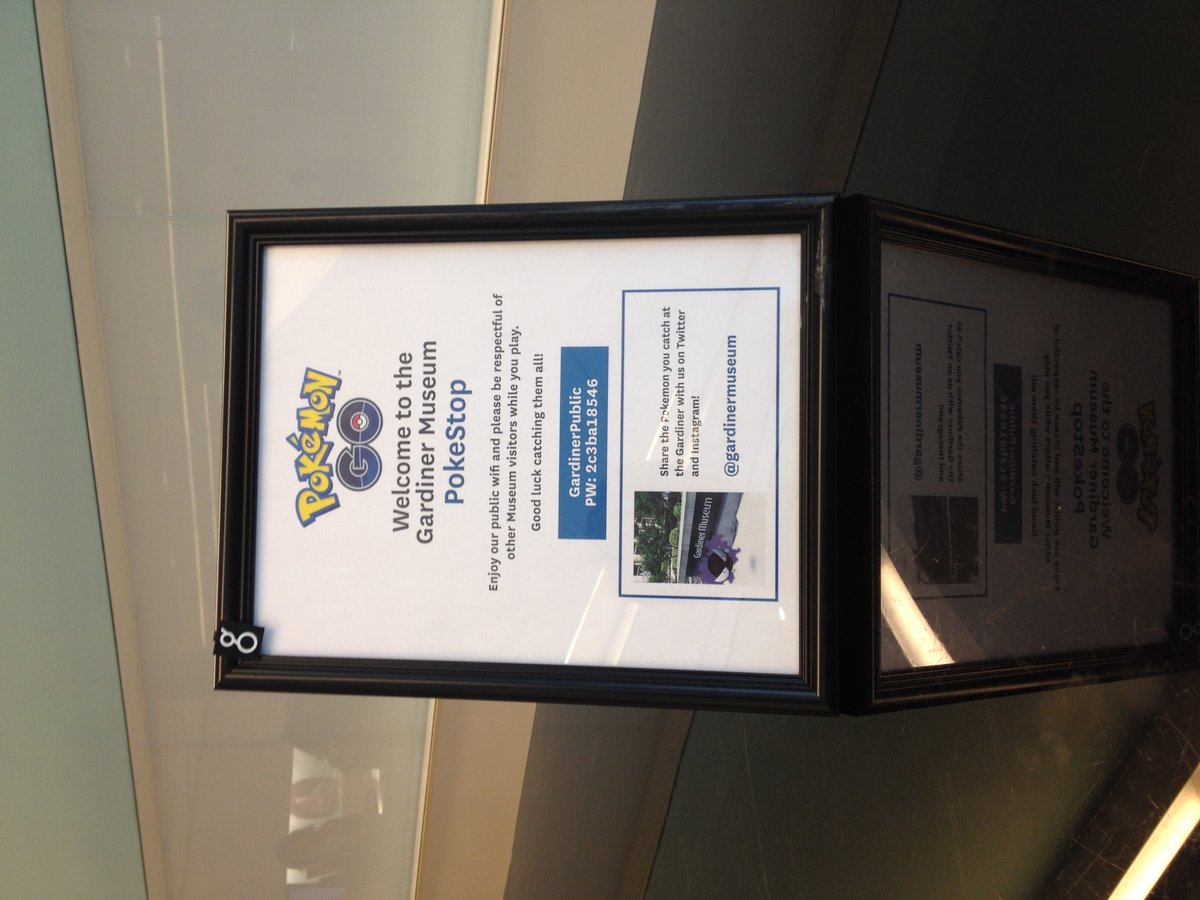
- Amenities: Free Wi-Fi, coat check, ample seating, and accessible restrooms.
Community and Inclusivity
Indigenous Engagement
A new Indigenous Ceramics Gallery, developed in partnership with an Indigenous Advisory Group, highlights works from the Woodland and Great Lakes regions and ensures Indigenous voices are central to the museum’s narrative (Gardiner Museum Curator Job Posting).
Community Partnerships
Collaborations with organizations such as The 519 and the University of Toronto foster inclusive programming, outreach, and joint events (Toronto City Council Background File).
Events and Programs
Signature Events
- Special Exhibitions and Thematic Events: Featuring international artists and historic collections.
- Community Days and Free Admission: Periodic free access to foster inclusivity (BlogTO).
Workshops and Educational Programs
- Clay Workshops: For children, adults, and seniors, covering hand-building, wheel-throwing, and glazing.
- Teen Clay (2SLGBTQ+ BIPOC): Weekly creative workshops in partnership with The 519 (The 519).
- School and Group Programs: Curriculum-linked tours and workshops, both onsite and virtual.
Lectures and Public Forums
- Goldring Family Lecture Hall: Hosts lectures, artist talks, and panels on ceramics and culture (Gardiner Museum).
Volunteer and Membership
- Volunteer Opportunities: Support visitor services, education, and events.
- Membership: Includes unlimited admission, discounts, and exclusive events.
Frequently Asked Questions (FAQ)
Q: What are the Gardiner Museum visiting hours?
A: Tuesday–Sunday, 10:00 AM–5:00 PM; closed Mondays.
Q: How do I purchase Gardiner Museum tickets?
A: Online via the official website or at the museum. Admission is pay-what-you-can during renovations.
Q: Is the museum accessible?
A: Yes, with barrier-free entrances, elevators, accessible washrooms, and resources for visitors with disabilities.
Q: Are there guided tours and workshops?
A: Yes, available for individuals and groups; check the website for scheduling and booking.
Q: Can I take photos inside?
A: Non-flash photography is permitted in permanent galleries; restrictions may apply in special exhibitions.
Practical Tips
- Visit on weekday mornings for a quieter experience.
- Wednesday evenings often feature free admission; expect larger crowds.
- Combine your visit with the Royal Ontario Museum or Queen’s Park for a full day of culture.
- Allow 1.5–3 hours to explore, depending on your interests and participation in activities.
- Check for accessibility features and plan ahead if you have specific needs (Gardiner Museum Accessibility).
Listen to the full story in the app
Your Personal Curator, in Your Pocket.
Audio guides for 1,100+ cities across 96 countries. History, stories, and local insight — offline ready.
Audiala App
Available on iOS & Android
Join 50k+ Curators
Sources
-
verified
Gardiner Museum official site, 2025, The George R
Gardiner Museum of Ceramic Art
- verified
- verified
- verified
- verified
- verified
- verified
- verified
- verified
- verified
- verified
Last reviewed: