Plan and listen to Art Gallery Of Ontario with Audiala.
Audio guide in your pocket, itinerary in your browser. Built for the way you actually visit.
Introduction
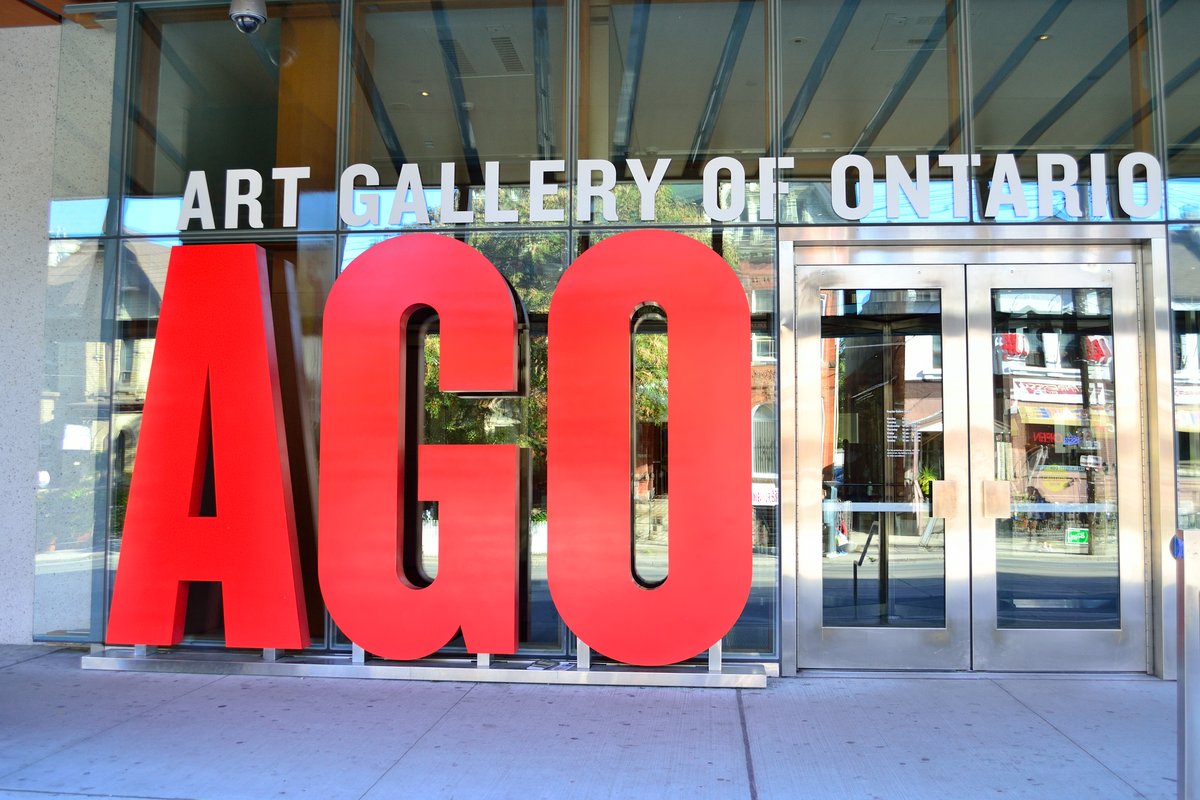
The Art Gallery of Ontario (AGO) is a cornerstone of Toronto's cultural landscape, offering visitors an extraordinary journey through Canadian, Indigenous, European, and contemporary art. Established in 1900 as the Art Museum of Toronto, the AGO has grown into one of North America’s largest art museums, with a collection surpassing 120,000 works. Its architectural evolution, particularly the transformative redesign by Frank Gehry, has made the gallery an architectural landmark and a beacon for innovation and inclusivity (Archello; CyrusCrafts; ERA Architects).
Serving as both a repository of artistic heritage and a vibrant hub for community engagement, the AGO reflects Toronto’s multicultural identity. Its collections highlight Canadian icons like the Group of Seven and Emily Carr, masterpieces by European masters, and cutting-edge contemporary installations. With diverse public programs, the AGO fosters dialogue on identity, reconciliation, and social justice, affirming its role as a leading cultural institution (AGO Official Website; BlogTO; Canadian Encyclopedia).
This guide offers comprehensive information for planning your visit, including practical details on hours, tickets, accessibility, travel tips, and highlights of the AGO’s remarkable architecture and collections. Whether you are a first-time visitor or a returning enthusiast, use this resource to enrich your experience at one of Toronto’s most treasured landmarks (AGO Visit Information; TourbyTransit).

Early Development and The Grange
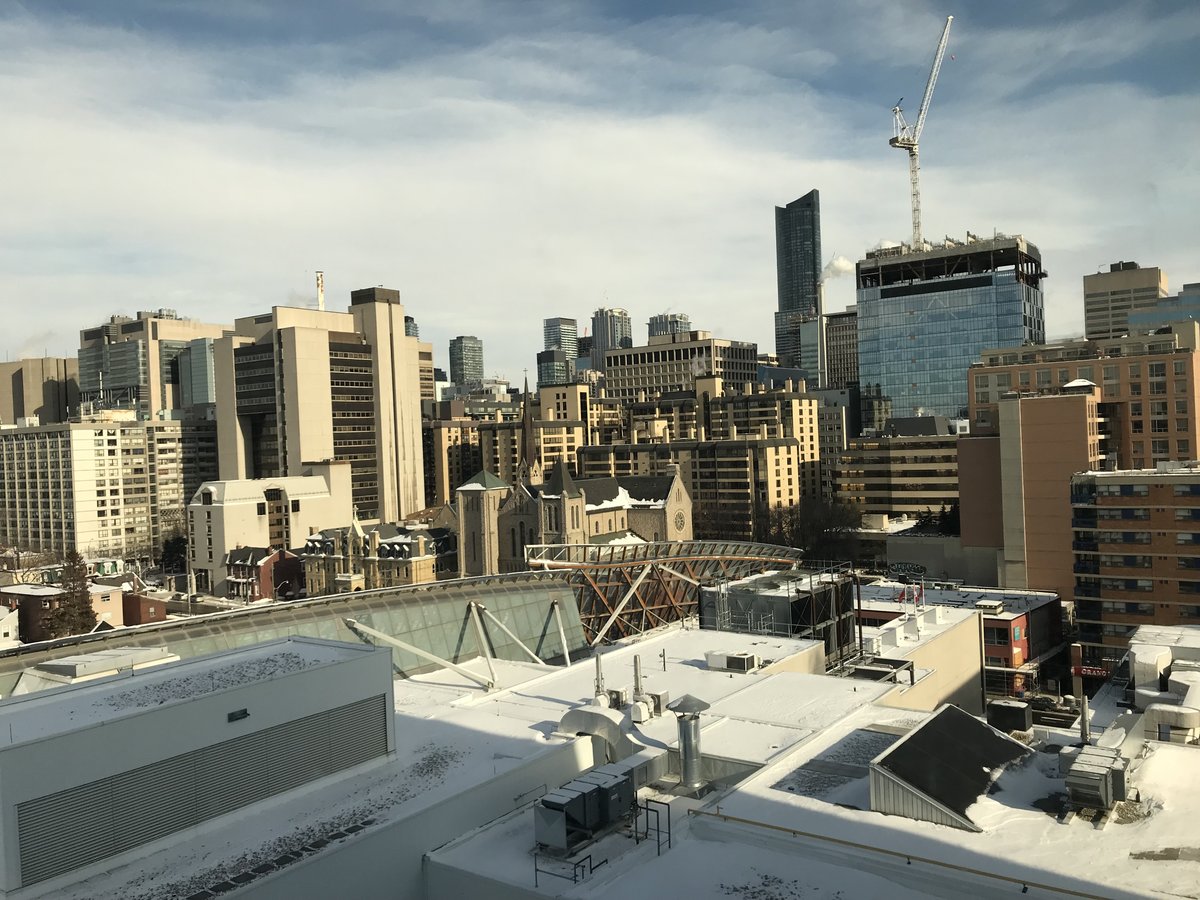
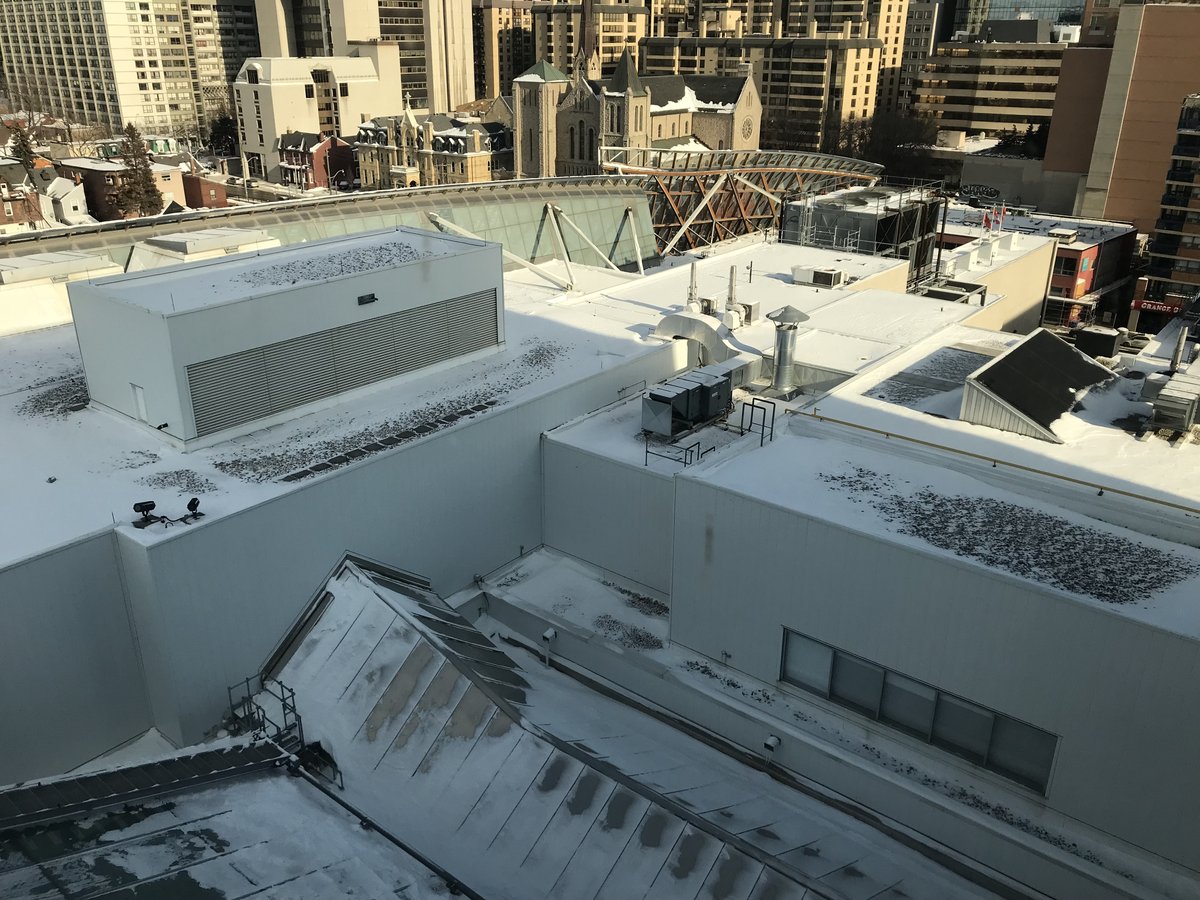
Founded in 1900 by a group of private citizens as the Art Museum of Toronto, the institution reflected the city’s ambitions for cultural growth (Archello; CyrusCrafts). In 1919, it became the Art Gallery of Ontario, marking its provincial significance. A pivotal milestone was the acquisition of The Grange, a Georgian manor built in 1817, which became the gallery’s first permanent home and remains integrated with the gallery complex (ERA Architects).
Architectural Evolution and Gehry Transformation
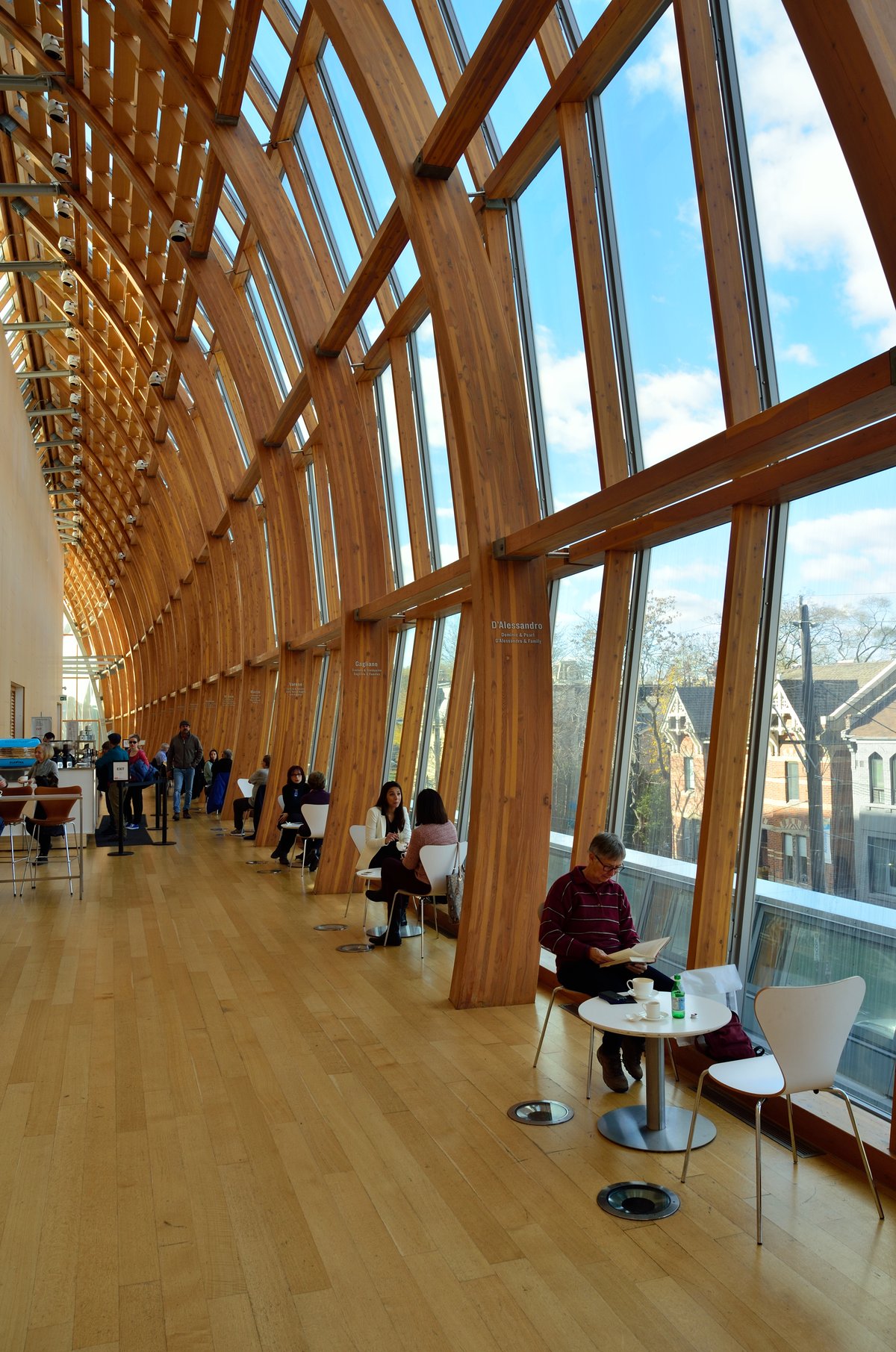
Over the decades, the AGO has undergone several major expansions. Notable architectural contributions include the early Darling & Pearson galleries, John C. Parkin’s modernist additions in the 1970s, and Barton Myers’s improvements in the 1990s (ERA Architects). The most significant transformation came with Frank Gehry’s redesign (2002–2008), which expanded exhibition space by nearly 50% and introduced the iconic Galleria Italia—a stunning glass and wood atrium—and a sculptural wooden staircase, imbuing the gallery with natural light and dynamic flow (Archello).
Future Expansion: Dani Reiss Modern and Contemporary Gallery
In 2022, the AGO announced a major new expansion: the Dani Reiss Modern and Contemporary Gallery. Designed collaboratively by Diamond Schmitt, Selldorf Architects, and Two Row Architect, this project will add 40,000 square feet of flexible exhibition space across five floors, emphasizing accessibility and consultation with Indigenous communities (ArchDaily).
Collection Highlights
Canadian and Indigenous Art
Central to the AGO’s identity is its collection of Canadian and Indigenous art, featuring the Group of Seven, Emily Carr, Tom Thomson, and celebrated Indigenous artists such as Norval Morrisseau and Kent Monkman. These works trace the evolution of Canadian artistic expression and foreground Indigenous perspectives (TripHobo; destinationtoronto.com).
European Masterpieces
The European galleries display works from the Renaissance through the 20th century, including masterpieces by Rubens, Rembrandt, Monet, van Gogh, and sculptures by Rodin and Matisse. The Thomson Collection, particularly Rubens’ The Massacre of the Innocents, is a highlight (Canadian Encyclopedia; thecanadianencyclopedia.ca).
Modern and Contemporary Art
AGO’s modern and contemporary collections are dynamic, featuring major Canadian and international artists like Andy Warhol, Barbara Kruger, Yayoi Kusama, Emily Carr, and Jean-Paul Riopelle. Temporary exhibitions address current themes from digital art to social justice (Destination Ontario; torontoforyou.com).
Photography and Decorative Arts
The AGO is home to one of Canada’s leading photography collections, showcasing works by Yousuf Karsh, Edward Burtynsky, and Diane Arbus. The Thomson Collection also features decorative arts, ship models, rare ivories, and miniature carvings (TourbyTransit; WhichMuseum).
Planning Your Visit
Visiting Hours and Ticket Information
- Hours: Tuesday to Sunday, 10:30 AM – 5:00 PM; Thursdays until 9:00 PM; closed Mondays. Check AGO’s website for holiday variations.
- Tickets:
- Adults: $25
- Seniors (65+), Students (with ID): $20
- Youth 25 and under: Free
- Children 14 and under: Free
- Annual Pass (unlimited visits): $40
- Members: Free
- Free admission is also available Wednesday evenings, 6:00–9:00 PM (AGO Visit; torontoforyou.com).
Advance booking online is recommended, especially for special exhibitions.
Location and Accessibility
- Address: 317 Dundas Street West, Toronto, ON
- Transit: Accessible via TTC (St. Patrick subway station and multiple streetcar lines); bike racks and paid parking available (cntraveler.com).
- Accessibility: Fully accessible facility with barrier-free entrances, elevators, wheelchairs, assistive listening devices, and sensory-friendly resources. Service animals are welcome (AGO accessibility).
Guided Tours and Special Events
The AGO offers daily guided tours, workshops, artist talks, and family-friendly activities. Pop-up “On the Dot” talks, highlight tours, and themed programs enrich the visitor experience (cntraveler.com). Check the AGO events calendar for current details.
Visitor Amenities
- Dining: Café and restaurant on-site, with the Galleria Italia providing a scenic spot for coffee and snacks (explore.com).
- Gift Shop: A curated selection of art books, prints, and souvenirs is available, accessible without a ticket (cntraveler.com).
- Rest Areas: Ample seating is provided throughout the galleries for comfort and reflection.
Tips for a Memorable Visit
- Check the official website for the latest exhibition schedules and ticketing options.
- Arrive early to avoid crowds, particularly during weekends or major exhibitions.
- Photography (without flash) is permitted in most galleries; restrictions apply in special exhibitions.
- Children and families can enjoy dedicated spaces and programs (destinationtoronto.com).
- Plan to spend 2–3 hours to fully explore the highlights.
Nearby Attractions
The AGO’s central location makes it easy to combine your visit with other Toronto cultural sites and neighborhoods:
- Grange Park: Adjacent to the gallery, ideal for a leisurely stroll.
- Kensington Market: Vibrant multicultural district.
- Chinatown: Bustling shops and restaurants.
- OCAD University: Known for its iconic “tabletop” building.
- Royal Ontario Museum and Toronto Eaton Centre: Both within a short walk (explore.com).
Community Engagement and Future Developments
The AGO is committed to inclusion, reconciliation, and community connection. Its programming foregrounds Indigenous and marginalized voices, supports emerging artists, and responds to Toronto’s diverse population. The upcoming Dani Reiss Modern and Contemporary Gallery expansion will enhance this commitment, creating space for new artistic dialogues and broader accessibility (ArchDaily; torontoondemand.ca).
Frequently Asked Questions (FAQs)
Q: What are the AGO’s visiting hours?
A: Tuesday to Sunday, 10:30 AM to 5:00 PM, with extended hours on Thursday until 9:00 PM; closed Mondays.
Q: How do I buy AGO tickets?
A: Tickets can be purchased online on the AGO website or at the entrance. Advance booking is recommended.
Q: Is the AGO accessible?
A: Yes, the gallery is fully accessible, including wheelchair access, assistive devices, and sensory-friendly resources.
Q: Are guided tours available?
A: Yes, daily guided tours and pop-up talks are offered. Check the events calendar for schedules.
Q: Can I take photographs inside the AGO?
A: Non-flash photography is permitted in most galleries; restrictions apply in some special exhibitions.
Q: Are there dining and shopping options on-site?
A: Yes, the café/restaurant and gift shop are open to visitors.
Discover More
The Art Gallery of Ontario stands as a vibrant and inclusive institution, blending Toronto’s rich history with architectural innovation and an expansive, world-class art collection. With thoughtfully curated exhibitions, accessible facilities, and dynamic public programming, the AGO is a must-see destination for locals and visitors alike. Stay updated on exhibitions, events, and visitor information by visiting the AGO official website, downloading the Audiala app for curated audio tours, and following the AGO on social media.
Tickets & tours.
These are guided options from our partners — same price as booking direct.
Prices are indicative — final pricing and availability are confirmed at checkout. Audiala may earn a commission from bookings made through these links.
Listen to the full story in the app
The whole Art Gallery Of Ontario,
told well.
Audio guides for 1,100+ cities across 96 countries. History, stories, and local insight — offline ready.
Verified, and shown.
Researched and written by the Audiala editorial team from historical records, architectural archives, and local expertise.
Researched from Wikidata, Wikipedia & official sources · fact-checked · How we make our guides →