Indigenous Era
public
c. 12000 BCE
First Footprints on the Land
Indigenous peoples begin shaping the landscape around the shores of Lake Ontario. For twelve millennia they hunt, fish, and trade along the Humber and Don rivers. Their trails and stories still echo beneath the concrete grid we walk today.
castle
1450
Wyandot Village Rises
Several hundred Wyandot people build a fortified settlement near present-day Castlefield Avenue. The air carries woodsmoke and the scent of drying fish. This community marks one of the last major villages before European arrival changed everything.
Colonial Contact
public
1615
Brûlé Reaches the Humber
Étienne Brûlé becomes the first European to stand at the mouth of the Humber River. The meeting marks the beginning of a long, uneasy relationship between newcomers and those who had lived here for centuries. Nothing would remain quite the same.
gavel
1787
The Toronto Purchase
British officials acquire the land from the Mississaugas in a deal still disputed today. The agreement opens the door for settlement. Within six years the British would plant a garrison town they called York.
British Colony
castle
1793
Fort York Is Built
Lieutenant Governor John Graves Simcoe orders a wooden fort constructed on the lakeshore. The smell of fresh-cut pine fills the air as soldiers hammer together the first permanent British foothold. Simcoe also names the surrounding townships Etobicoke and Scarborough after places dear to his wife Elizabeth.
swords
1813
Americans Burn York
During the War of 1812, U.S. troops land, capture the town, and set fire to the Parliament buildings. Black smoke rolls across the frozen harbor. The British retaliate later by burning Washington. The cycle of frontier violence continues.
gavel
1834
York Becomes Toronto
The muddy colonial town of York officially incorporates as the City of Toronto. Its population barely reaches nine thousand souls. Locals still argue whether the new name should be pronounced with a silent second T.
swords
1837
Rebellion at Montgomery's Tavern
Reformers clash with government forces north of the city in an ill-fated uprising. Muskets crack in the winter air. Though quickly crushed, the rebellion forces Britain to grant responsible government. Toronto's political character is forged in that cold December.
Victorian Growth
local_fire_department
1849
The Great Fire Devours Downtown
Flames race through wooden buildings, destroying much of the commercial core in a single night. Citizens stand in the streets watching their city burn. The disaster forces Toronto to rebuild in brick and stone, leaving a more permanent skyline.
factory
1854
First Train Departs Union Station
The Ontario, Simcoe and Huron Railway pulls out of the brand-new station. Iron wheels screech against tracks that will eventually stretch across the continent. Toronto begins its transformation from lakeside outpost to railway hub.
science
1891
Frederick Banting Is Born
In a modest house on Alliston Road, a boy arrives who will later change medicine forever. Banting grows up to co-discover insulin at the University of Toronto. The city still quietly claims him as one of its own.
castle
1899
Old City Hall Opens Its Doors
Architect E.J. Lennox completes his Romanesque masterpiece on Queen Street. Gargoyles glare down at passersby. The building's elaborate details reflect a young city eager to prove it has arrived.
Industrial City
local_fire_department
1904
Second Great Fire Sweeps the Core
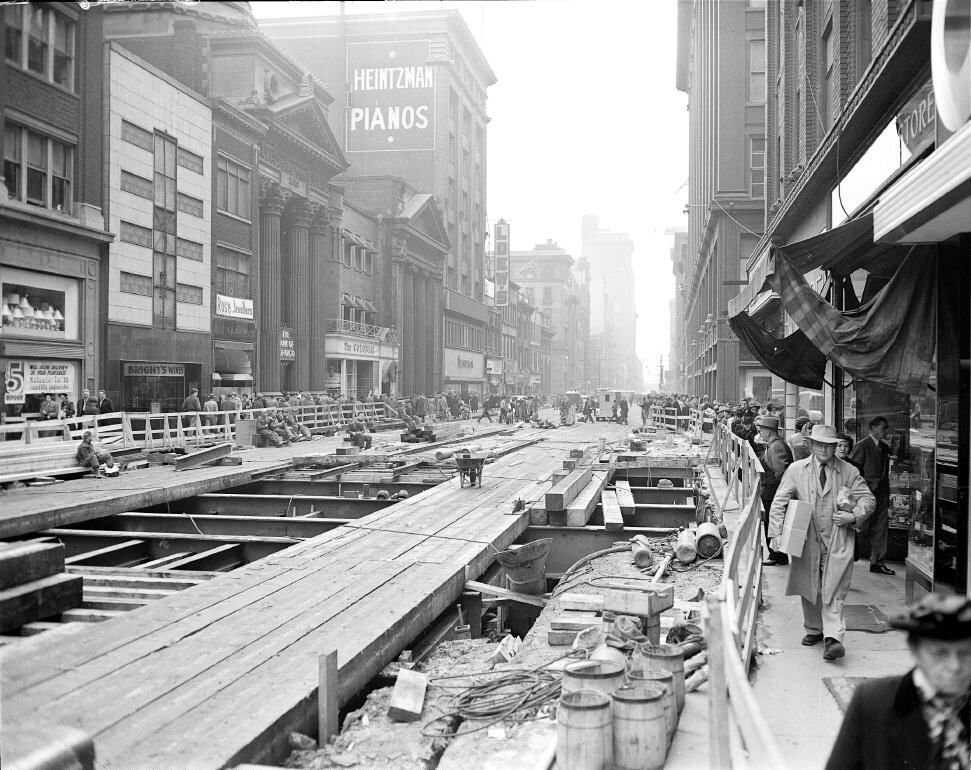
Flames consume over a hundred buildings in the wholesale district. The damage stretches from Bay Street to Yonge. Insurance payouts and new building codes transform the downtown into a modern financial district of brick and steel.
castle
1911
Pellatt Begins Casa Loma
Sir Henry Pellatt starts construction on his 98-room Edwardian castle on the Davenport escarpment. Three years and three million dollars later it stands complete. The extravagance still raises eyebrows more than a century on.
palette
1924
Harold Town Enters the World
The future painter and co-founder of Painters Eleven is born in Toronto. Town's restless energy and bold abstractions help drag Canadian art into the modern age. The city shaped him and he, in turn, helped reshape its cultural self-image.
Modern Metropolis
school
1954
Canada's First Subway Opens
The Yonge line begins service beneath the city. Torontonians crowd the platforms, stunned by the clean, bright stations. The subway marks Toronto's decisive shift from streetcar town to modern metropolis.
person
1970
Will Arnett Comes into Being
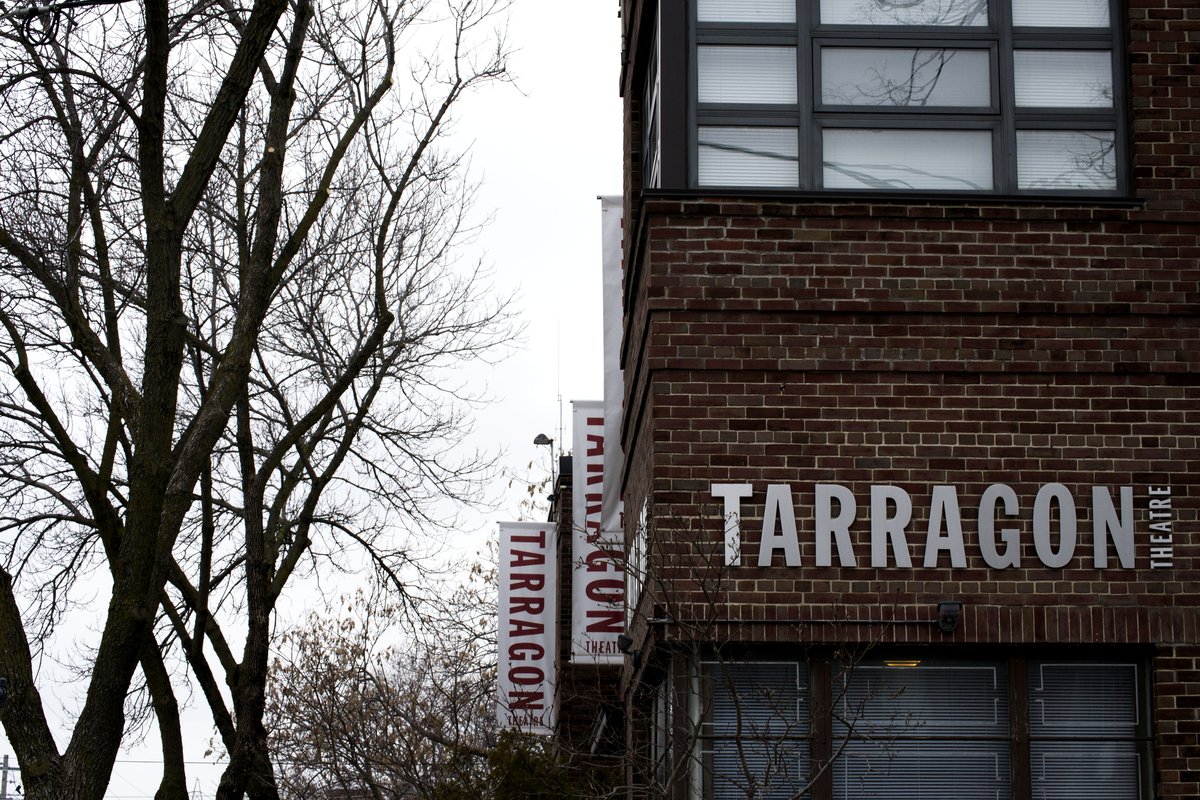
A future actor and comedian is born in the city. Arnett attends Leaside High School and studies at the Tarragon Theatre before finding fame elsewhere. Toronto still claims him when he returns for film shoots.
flight
1976
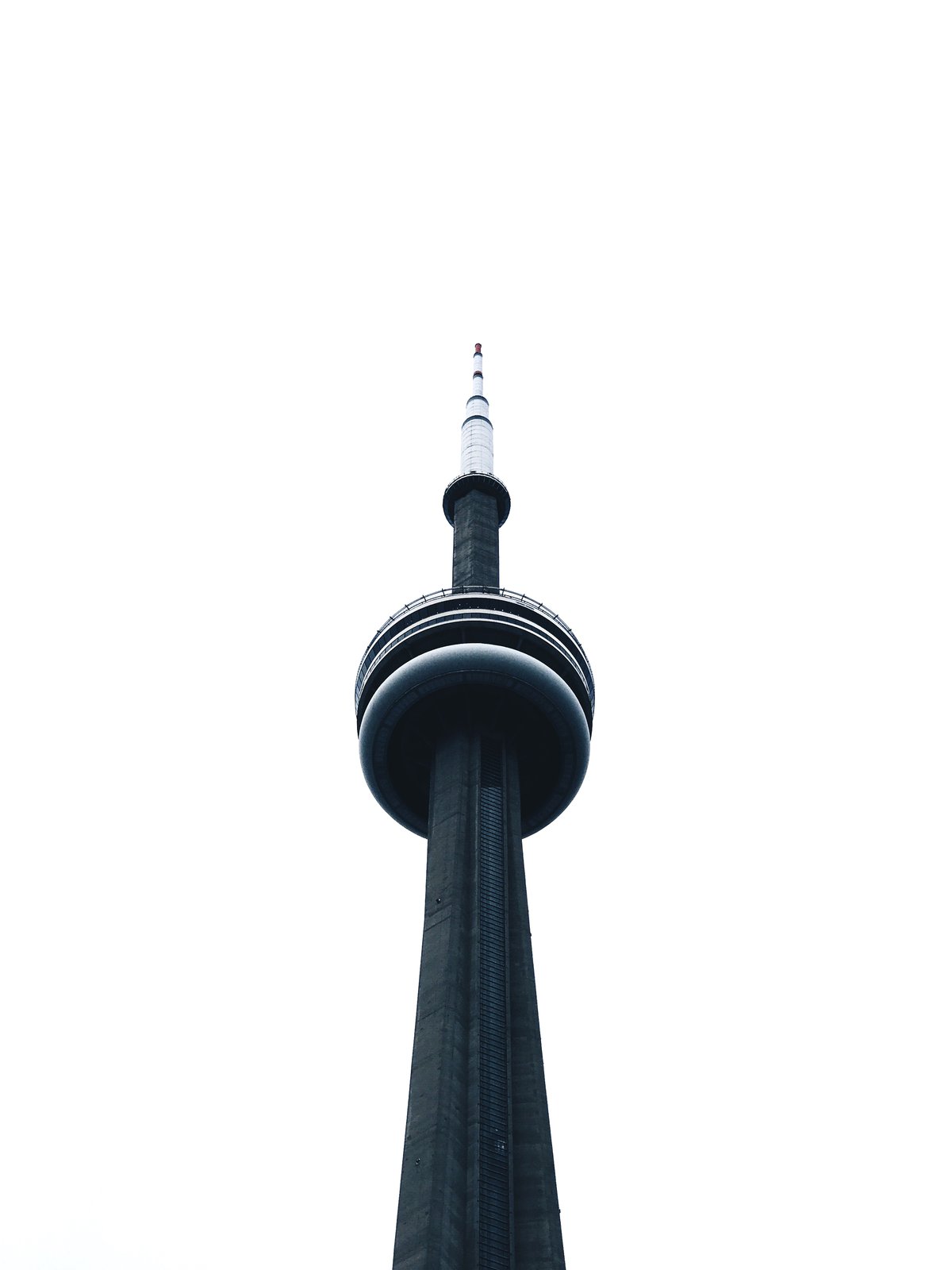
CN Tower Reaches the Sky
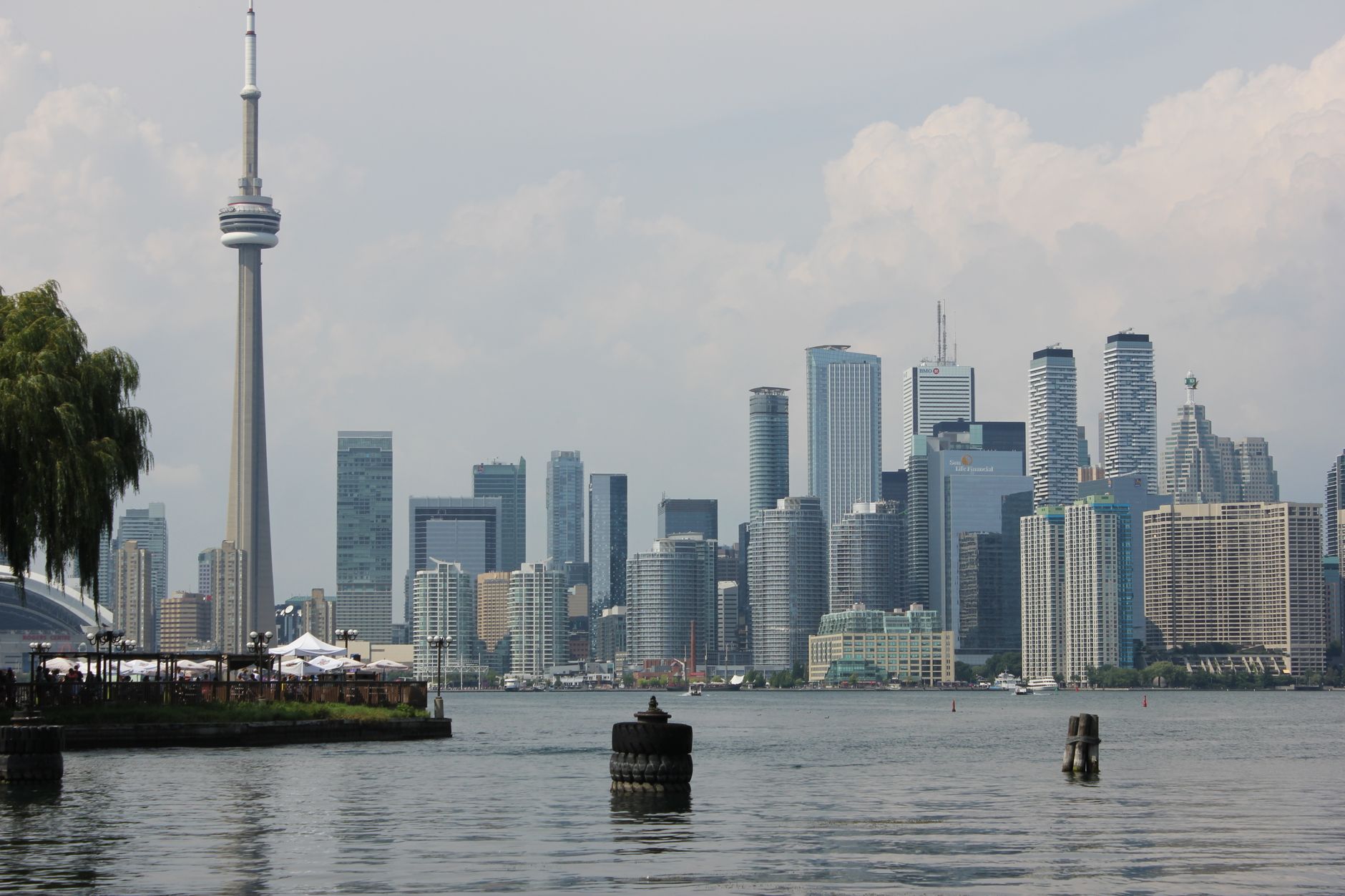
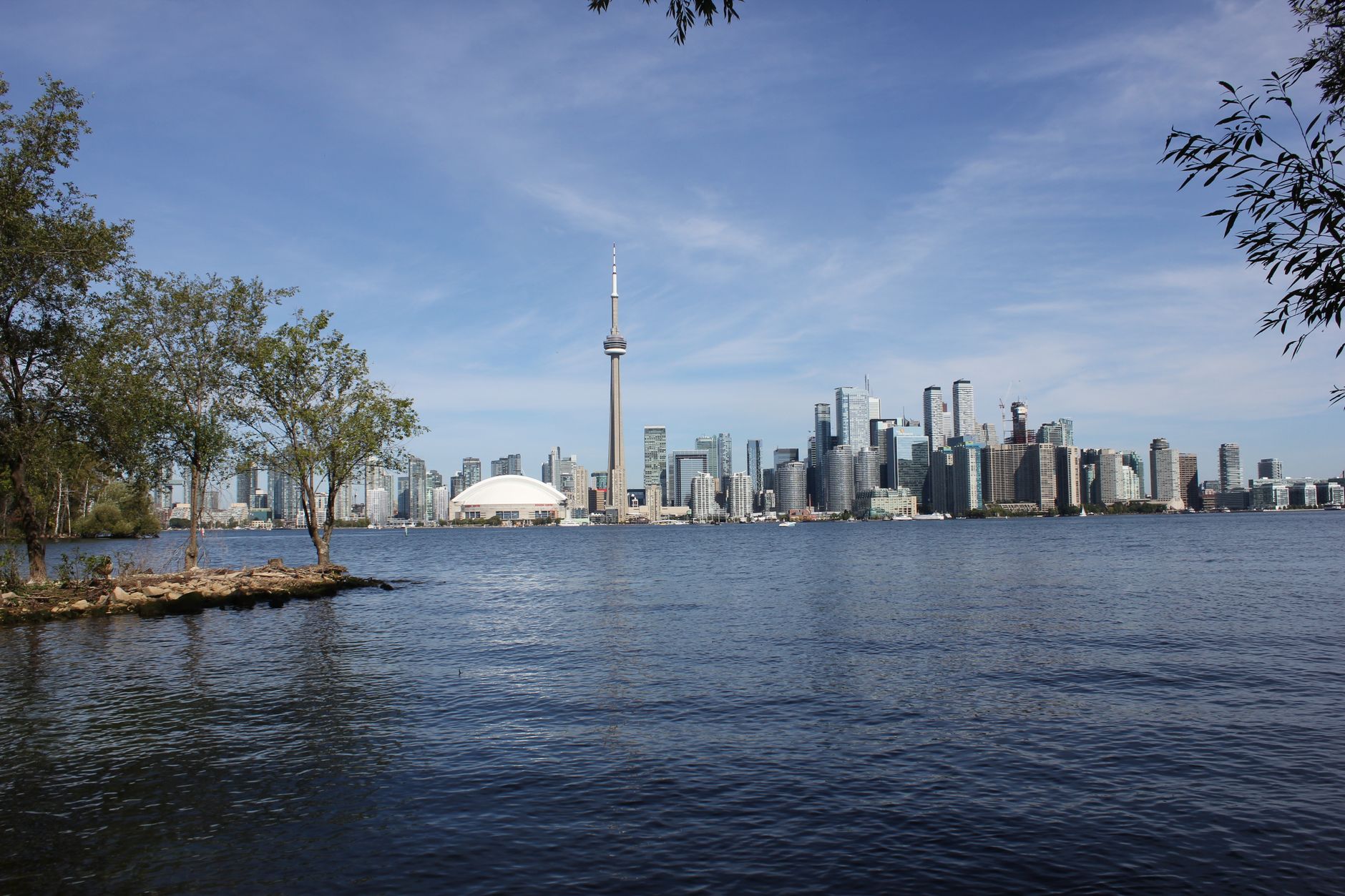
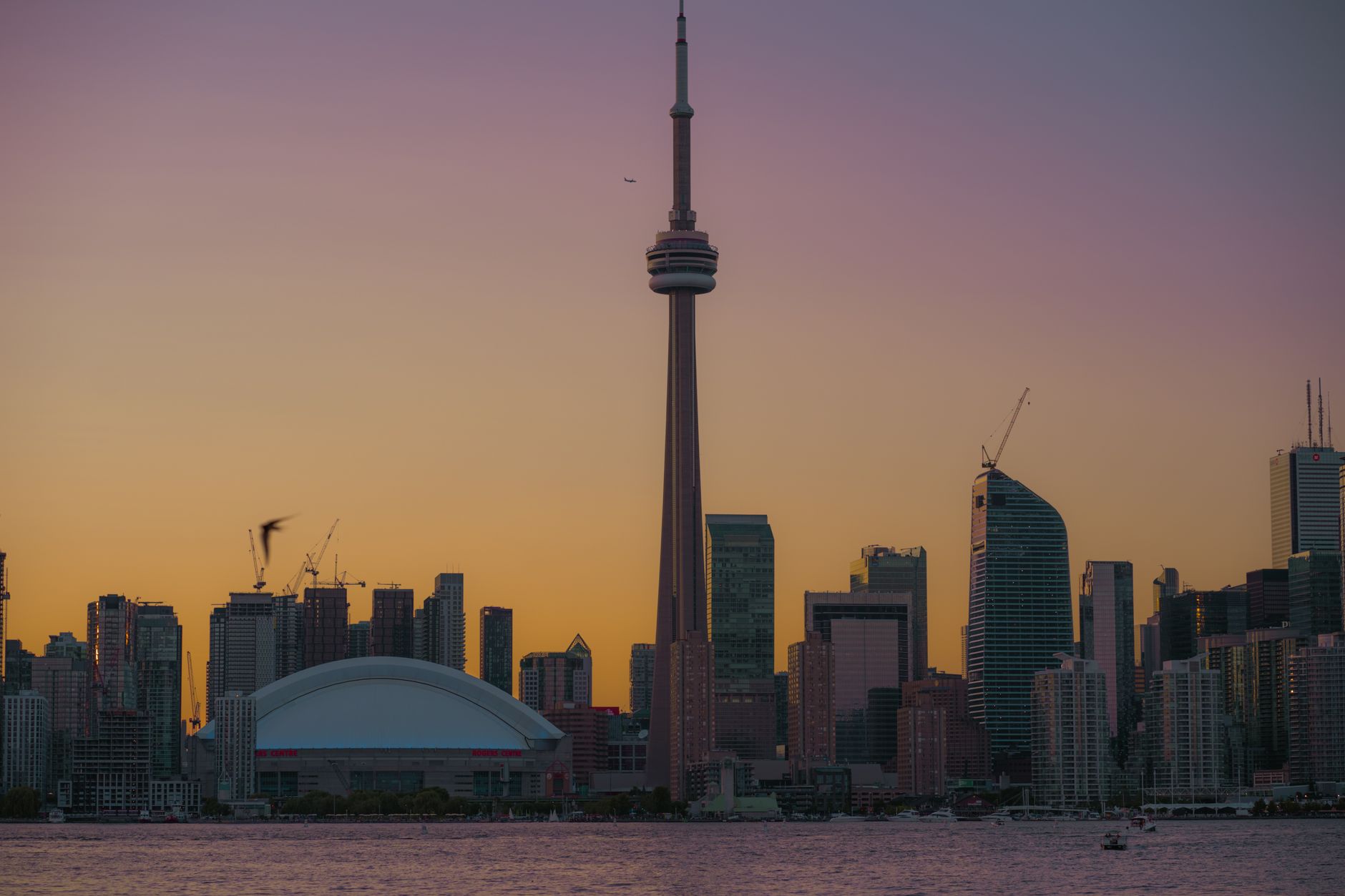
Construction finishes on the 553-metre concrete needle that instantly becomes the city's symbol. On a clear day you can see it from fifty kilometres away. Torontonians both mock and love the tower in equal measure.
gavel
1998
The Big Amalgamation
Six separate municipalities merge into the new City of Toronto. The move creates a single metropolis of 2.4 million people. Old rivalries between the former boroughs still surface in city council chambers.
person
2017
Margaret Atwood Turns 78
The city's most famous living writer celebrates another birthday. Her novels have mapped Toronto's psychic geography for decades. From the Annex to the waterfront, readers still see her dystopias and domestic dramas unfolding on familiar streets.