Plan and listen to Martello Tower 2 with Audiala.
Audio guide in your pocket, itinerary in your browser. Built for the way you actually visit.
Introduction
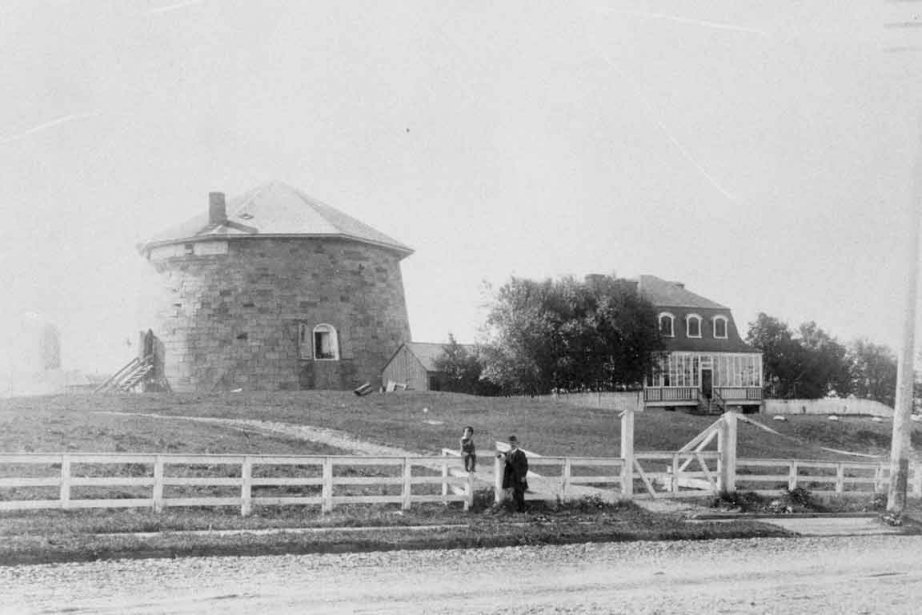
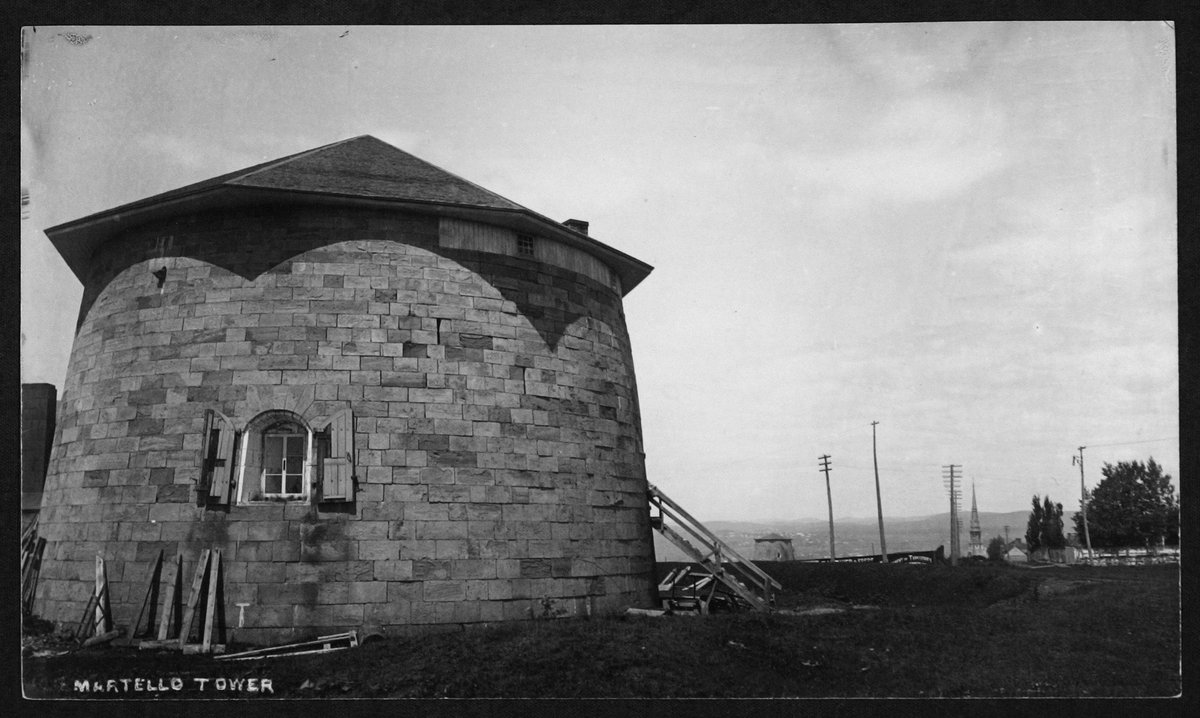
Martello Tower 2, perched atop one of Québec City's highest points on the Plains of Abraham, stands as a lasting testament to the city’s strategic military past and architectural heritage. Built between 1808 and 1812, this robust cylindrical structure was part of a defensive network designed to protect Quebec from potential invasion during the War of 1812. Today, Martello Tower 2 is a cultural landmark, seamlessly integrated into Old Québec—a UNESCO World Heritage Site—offering visitors both historical insight and breathtaking views over the St. Lawrence and Charles Rivers. This guide provides comprehensive information about visiting hours, ticketing, accessibility, guided tours, and nearby attractions to help you plan a memorable trip to this iconic Quebec City destination (Parks Canada, Plains of Abraham, Battlefields Park).

History and Strategic Context
Martello Tower 2 is one of three surviving Martello towers in Quebec City, constructed as part of a broader system of fortifications during a period of heightened Anglo-American tensions. In the wake of the American Revolution and rising threats from the United States, Quebec’s pivotal role as a gateway to the interior of North America prompted the British to reinforce the city’s defenses. From 1808 to 1812, Governor Sir James Craig oversaw the construction of four Martello towers, each designed to thwart enemy advances and prevent artillery from being positioned within range of the city’s main ramparts (Parks Canada).
Although these towers never faced direct assault—the anticipated American attack during the War of 1812 did not materialize—they remain enduring symbols of Quebec’s military preparedness and strategic foresight.
Architecture and Military Innovation
Design and Materials
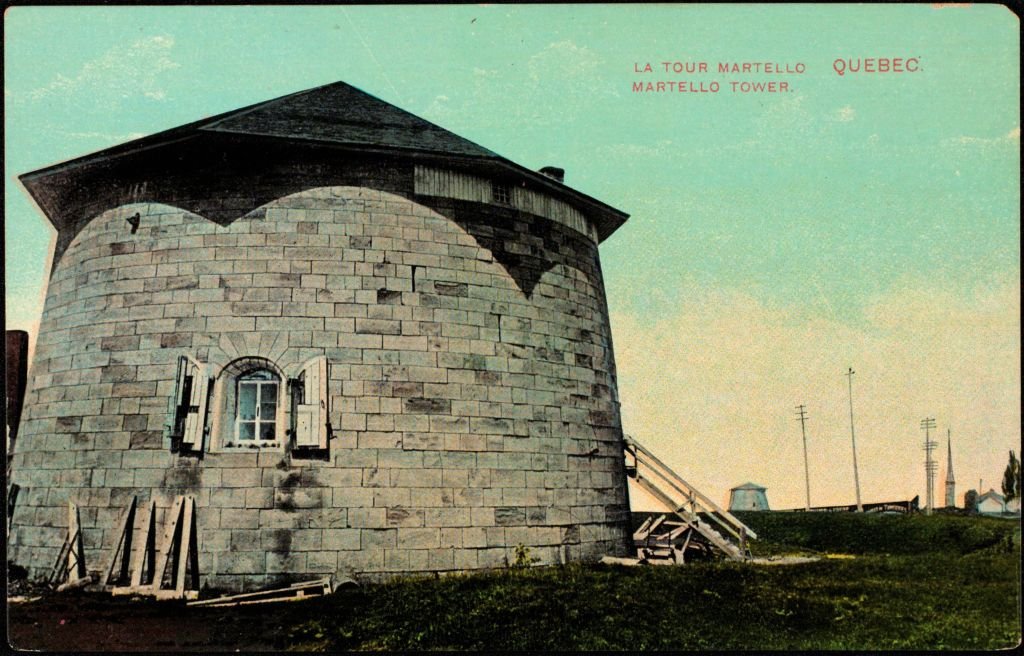
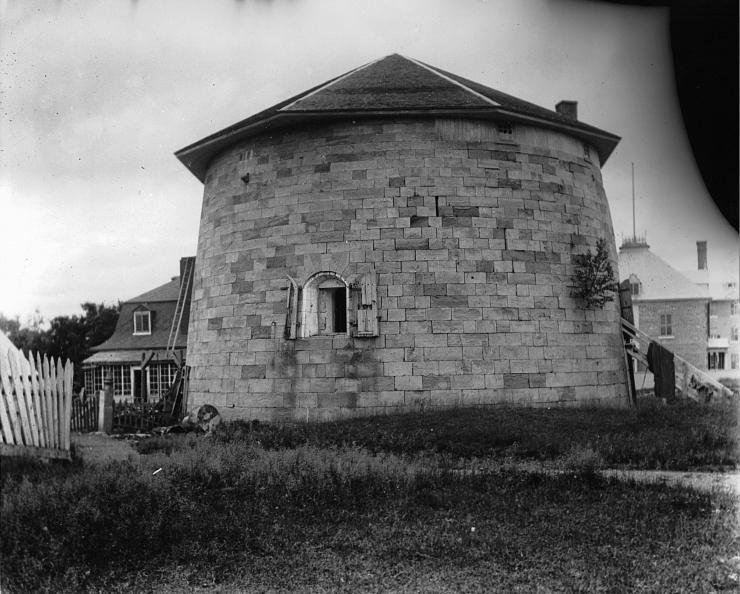
Martello Tower 2 exemplifies early 19th-century British military architecture, adapted for the North American context. Its squat, cylindrical form with massively thick masonry walls made it resistant to artillery bombardment. The tower’s thickest walls face potential lines of enemy attack, while the side facing the city is intentionally thinner—allowing defenders to demolish the tower should it fall into enemy hands (Parks Canada).
Internally, the tower features a central masonry pillar supporting bombproof arches. The ground floor houses a powder magazine, while upper levels provide living quarters for a garrison of about 20 soldiers. The roof terrace, surrounded by a parapet, served as a gun platform with panoramic fields of fire. Entry was via a high door, accessible only by ladder, enhancing the tower's defensive capability.
Strategic Placement
Tower 2’s location, at the corner of Laurier and Taché Streets, was chosen to maximize surveillance and defensive reach over the St. Lawrence and Charles Rivers. The Martello towers formed a defensive arc across the Quebec promontory, creating overlapping fields of fire and reinforcing other city fortifications like the Citadel and ramparts (Plains of Abraham).
Military Function
Although never engaged in battle, Martello Tower 2 played a key role in Quebec’s layered defense system. These structures were intended to delay attackers long enough for the city to mobilize its primary defenses. By the 1860s, advancements in artillery made Martello towers obsolete, but their robust design and strategic placement remain impressive examples of military engineering (Parks Canada).
Heritage Significance and Recognition
In 1990, the Martello Towers of Quebec City were designated a National Historic Site of Canada for their role in the city’s fortifications and their embodiment of British military strategy in North America. Martello Tower 2 retains much of its original structure, including rubble masonry construction, bombproof features, and its relationship with the other towers and surrounding defensive landscape (Parks Canada). The tower is also listed as a Federal Heritage Building, underlining its architectural and cultural value.
Visiting Martello Tower 2: Hours, Tickets, and Accessibility
Visiting Hours
Martello Tower 2 operates seasonally, typically open from late spring (May or June) through early fall (September or October). Regular hours are generally from 9:00 AM to 5:00 PM, but may vary based on weather, staffing, or special events. Always verify current opening times on the official Plains of Abraham site or Battlefields Park website.
Tickets and Admission
- General Admission: Access to the tower’s exterior and parkland is free year-round.
- Interior Access: The interior is open only during special events, guided tours, or scheduled programs. Tickets for these occasions may be required and are available on site or via the official website.
- Pricing: As of 2024, general admission for special events is approximately CAD 7–12 for adults, with discounts for children, students, and seniors. Guided tours may incur additional fees.
Accessibility
The grounds around Martello Tower 2 are accessible with paved paths suitable for wheelchairs and strollers. However, the tower’s historic structure means interior access involves narrow doorways and steep stairs, limiting accessibility for visitors with mobility challenges. Contact the site in advance for specific inquiries (Musée des Plaines d'Abraham).
Guided Tours and Special Events
Guided tours, when available, offer a deep dive into the tower’s construction, daily garrison life, and Quebec’s broader military history. Special events—such as immersive historical reenactments and the popular 1812 Murder Mystery Dinner—bring the site’s past to life. These programs are often offered in both French and English and require advance booking, especially during peak tourist seasons (Martello Towers Canada).
Nearby Attractions and Travel Tips
Martello Tower 2’s location on the Plains of Abraham places it within walking distance of many of Quebec City’s top historical and cultural sites:
- Battlefields Park (Plains of Abraham): Verdant park with walking trails, interpretive monuments, and panoramic city views.
- Musée National des Beaux-Arts du Québec: Showcasing Quebec and Canadian art.
- Musée des Plaines d'Abraham: Interactive exhibits on the 1759–60 battles.
- Château Frontenac: The city’s iconic hotel and symbol.
- The Citadel: Active military installation and museum.
- Observatoire de la Capitale: Offers sweeping city vistas.
Travel Tips:
- The site is best accessed on foot, by bike, or public transit. Limited parking is available.
- Dress for the weather—summer can be warm, but conditions vary.
- The best photo opportunities are during early morning or late afternoon.
- There are no restrooms or food services at the tower; facilities are available at nearby museums and in Old Québec (Lonely Planet).
Practical Information and Visitor FAQs
Frequently Asked Questions
Q: When can I visit Martello Tower 2?
A: The grounds are open year-round, but interior access is limited to special events and scheduled openings. Check the official website for current schedules.
Q: Do I need tickets?
A: Exterior access is free. Tickets are required for guided tours or special events.
Q: Is Martello Tower 2 wheelchair accessible?
A: The surrounding park is accessible, but the tower interior has limited accessibility due to its historic design.
Q: Are guided tours available?
A: Yes, during the summer and special events. Advance booking is recommended.
Q: Can I take photos?
A: Yes, photography is encouraged. Flash may be restricted inside.
Q: What language are tours in?
A: Tours and interpretive panels are generally bilingual (French and English).
Discover More
Martello Tower 2 offers an exceptional window into Quebec City’s storied military past, architectural ingenuity, and cultural resilience. Whether you’re a history buff or a curious traveler, exploring this landmark enriches your understanding of Québec’s role in North American history. Plan your visit today by checking current visiting hours and ticket details on the official sites. Combine your trip with nearby attractions for a full cultural experience, and don’t forget to share your photos and stories online.
For more in-depth guides and audio tours, download the Audiala app and follow us on social media for updates on special events and travel tips.
Listen to the full story in the app
The whole Martello Tower 2,
told well.
Audio guides for 1,100+ cities across 96 countries. History, stories, and local insight — offline ready.
Verified, and shown.
Researched and written by the Audiala editorial team from historical records, architectural archives, and local expertise.
Researched from Wikidata, Wikipedia & official sources · fact-checked · How we make our guides →