Plan and listen to Chateau St. Louis with Audiala.
Audio guide in your pocket, itinerary in your browser. Built for the way you actually visit.
Introduction
Perched atop Cap Diamant with sweeping views of the St. Lawrence River, Château Saint-Louis is a quintessential symbol of Quebec City's colonial history. Once the political and administrative nucleus of New France and later British North America, this archaeological site allows visitors to step back into over two centuries of diplomacy, daily life, and architectural evolution. Now lying beneath the lively Dufferin Terrace, Château Saint-Louis is a UNESCO World Heritage highlight and a must-see for history buffs, cultural travelers, and anyone curious about Canada’s formative years (Parks Canada, Lonely Planet, Weird Travel Friend).
This guide details everything you need to plan your visit: from hours and tickets to accessibility, tours, and nearby attractions. Discover why Château Saint-Louis is an essential stop in Quebec City’s historic district.

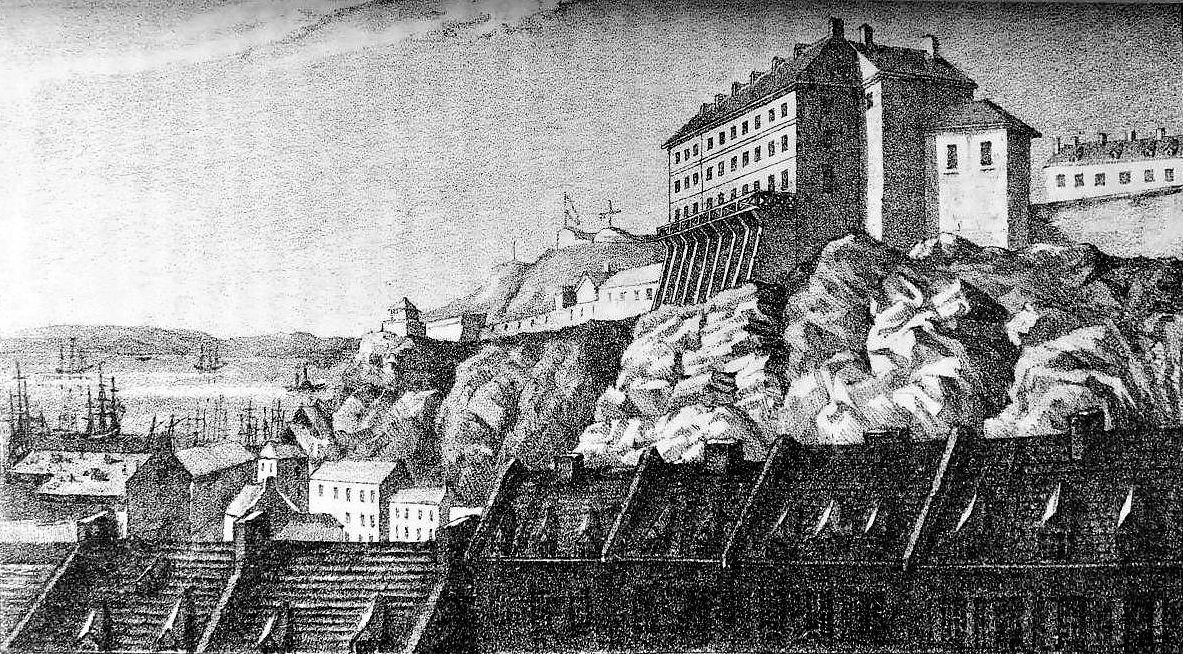
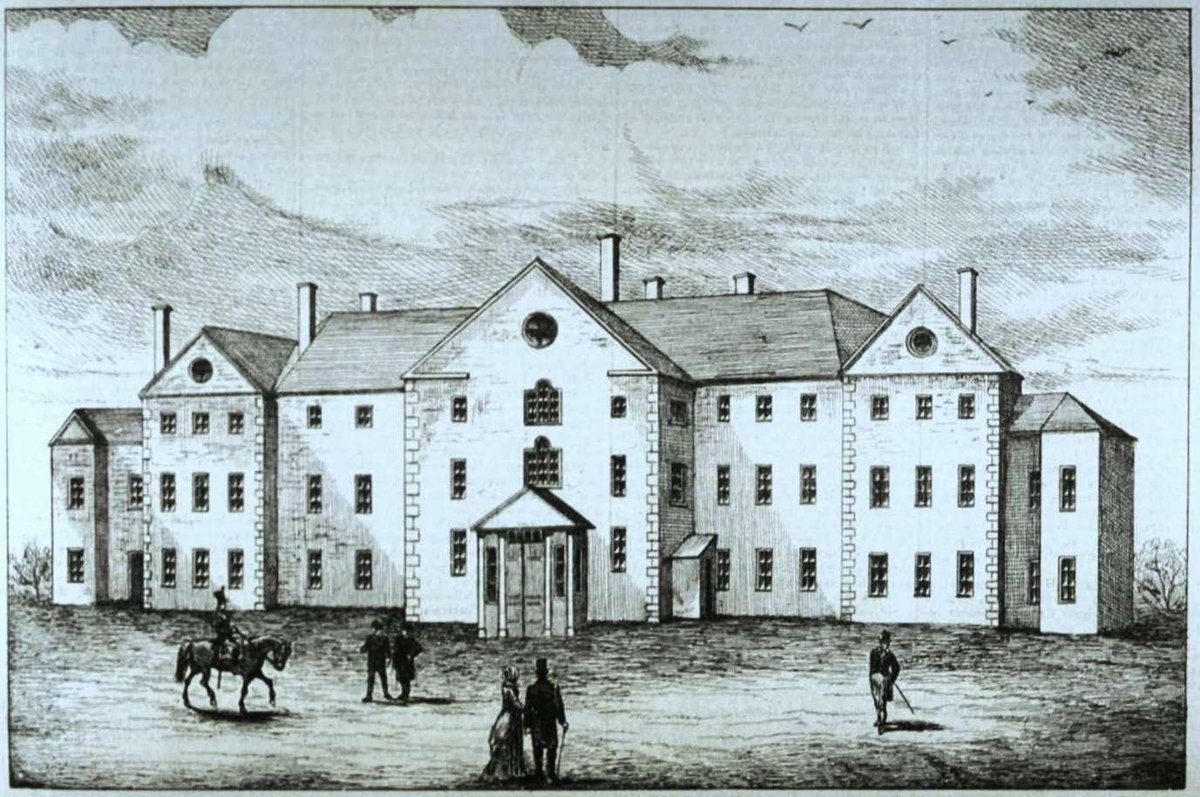
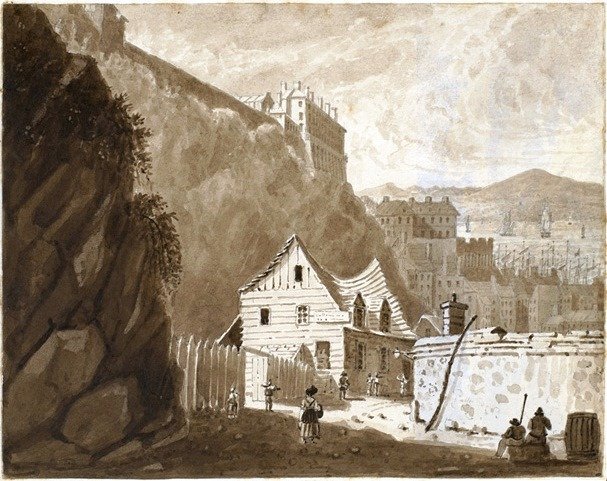
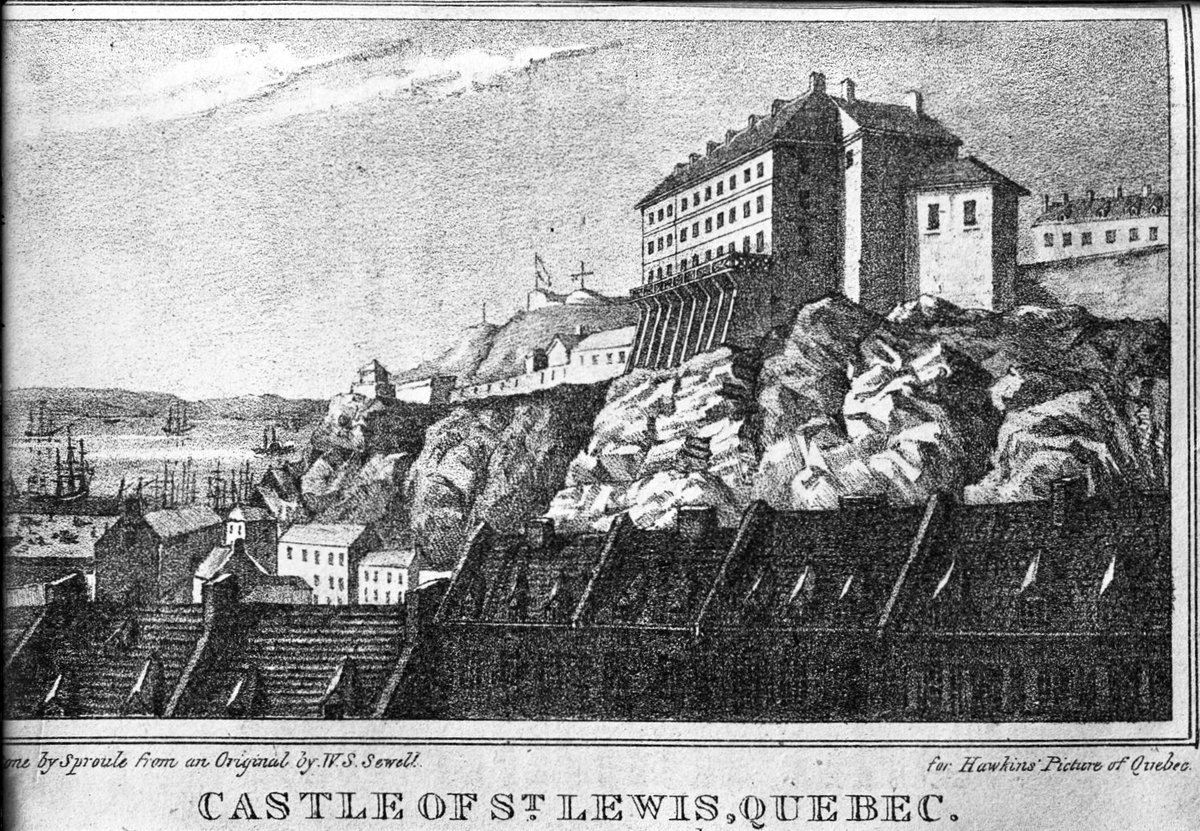
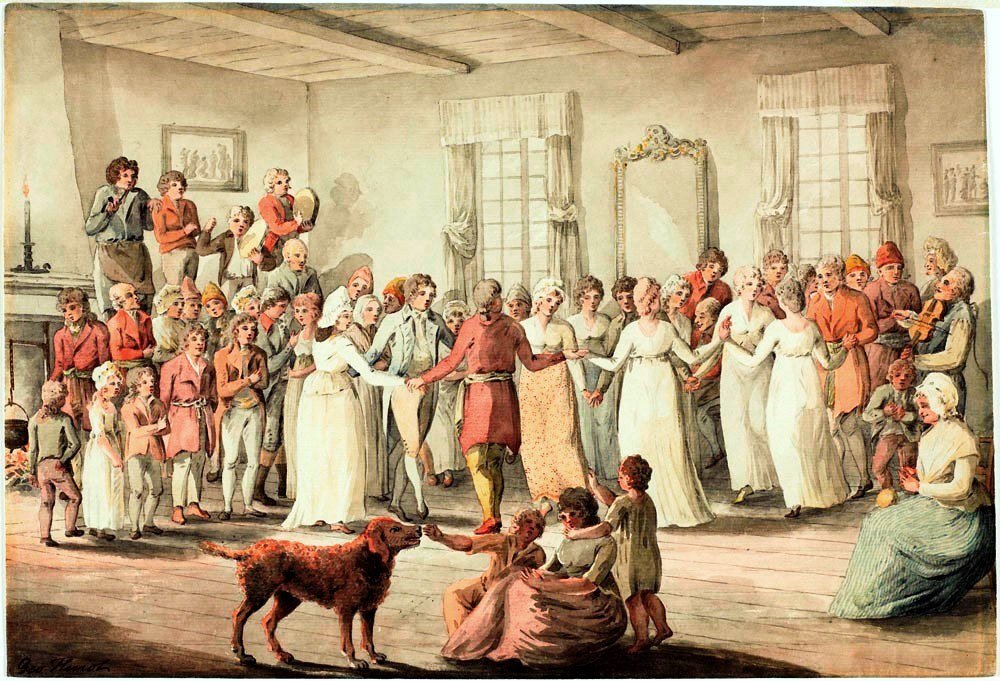
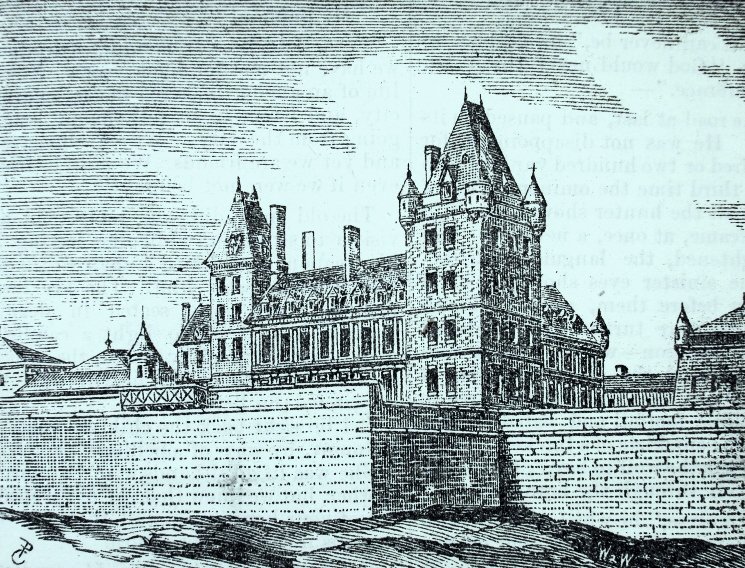
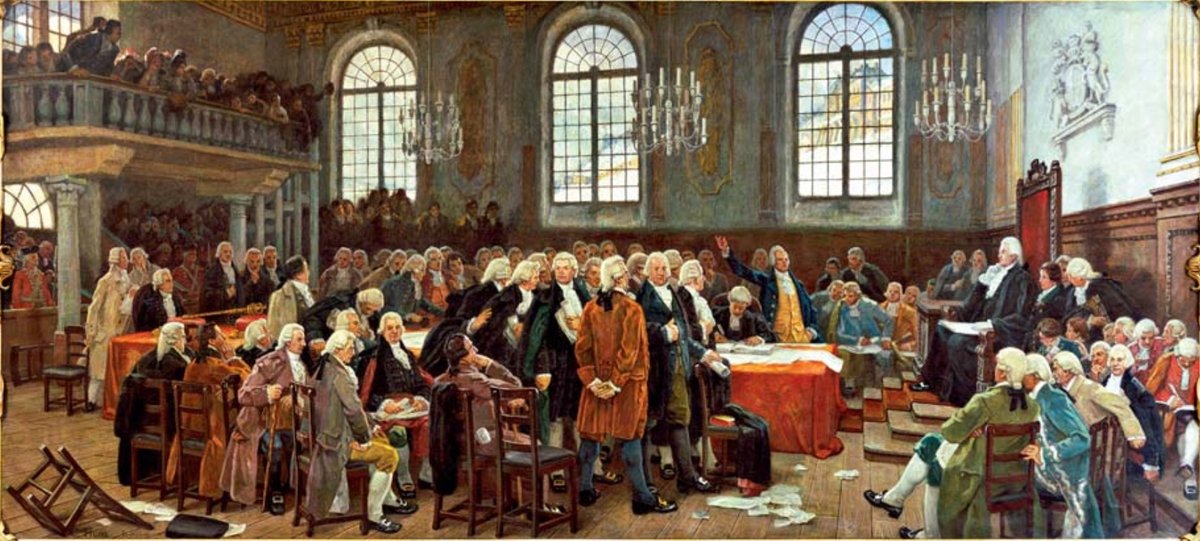
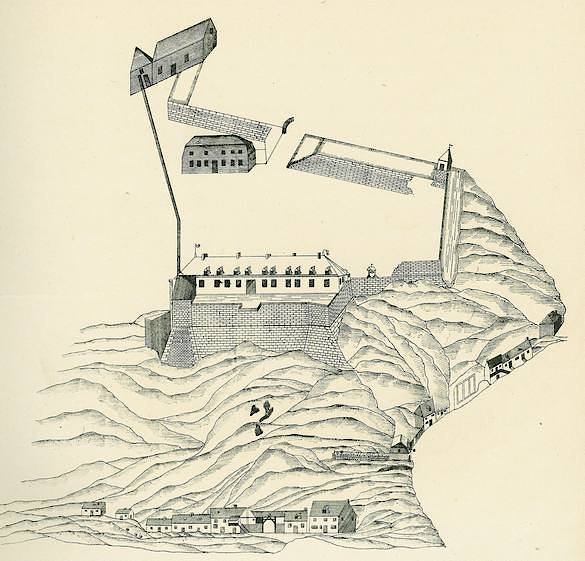
Origins and Early Construction (1620–1690)
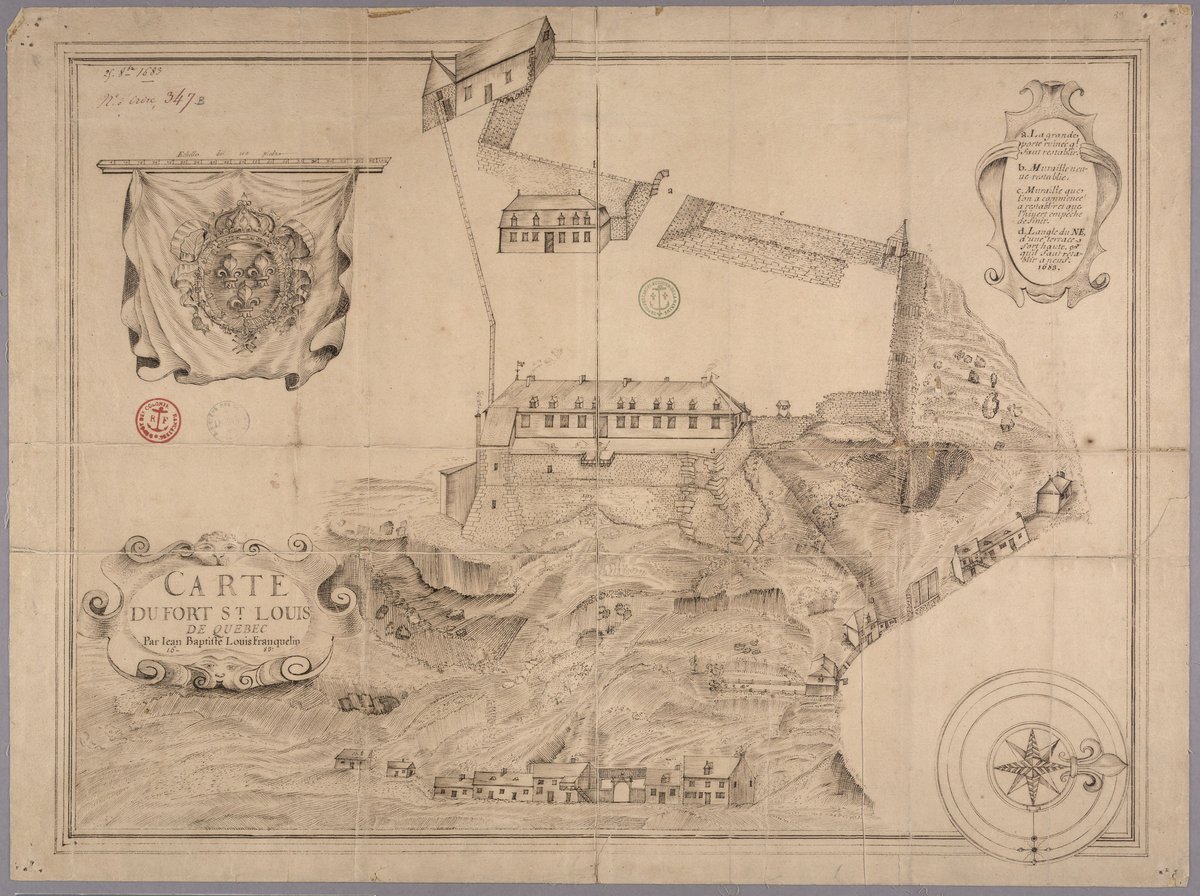
Château Saint-Louis traces its roots to 1620, when Samuel de Champlain, the founder of Quebec City, constructed the first wooden fortification on Cap Diamant. Its strategic position offered commanding views of the river and city—ideal for defense and governance. The site soon became the governor’s residence and the administrative center of New France, symbolizing French power in North America (Parks Canada).
Over the 17th century, the château was rebuilt and expanded several times, especially after the brief British occupation in 1629–1632. By the late 1600s, the original wood fort was replaced with a more robust stone residence, mirroring Quebec’s growing significance in the colonial world.
Colonial Seat of Power (1690–1760)
From the late 17th century until the British conquest, Château Saint-Louis was the epicenter of New France’s political, military, and diplomatic activities. The governors of New France lived and worked here, hosting official receptions, council meetings, and negotiations with Indigenous nations such as the Huron-Wendat (Parks Canada).
The château’s design reflected its dual role as a fortress and a palace: fortified stone walls alongside elegant reception spaces and gardens. This blend of defense and diplomacy made it a central hub for shaping the destiny of the region.
British Transformation and Decline (1760–1834)
Following the pivotal Battle of the Plains of Abraham in 1759, the British seized Quebec and took over Château Saint-Louis. Despite the regime change, the château retained its administrative function, serving as the residence of British colonial governors who hosted diplomatic events and continued the traditions of their French predecessors (Parks Canada).
By the early 19th century, the château was deteriorating. A devastating fire in 1834 destroyed much of the structure, and its ruins were eventually covered by the Dufferin Terrace, leaving the site forgotten until archaeological excavations brought it back to light in the early 21st century.
Archaeological Rediscovery and Preservation
Excavations have since revealed layers of history: stone foundations, cellars, kitchens, and storerooms, as well as thousands of artifacts illuminating the lives of governors, soldiers, staff, and Indigenous visitors (Weird Travel Friend). Today, Parks Canada manages the site, presenting these discoveries through guided tours, interactive exhibits, and educational programs.
Visitor Information
Hours of Operation
For the 2025 season, Château Saint-Louis (Saint-Louis Forts and Châteaux National Historic Site) is open from May 17 to October 13, daily from 9:30 am to 5:00 pm. Visiting hours may vary during festivals or special events; check the official Parks Canada website for updates (Québec Cité).
Ticket Prices and Admission
- Adults: $3.90 CAD
- Seniors: $3.40 CAD
- Youth (17 and under): Free
- Guided Tour (optional): $7.80 CAD (adults), $7.30 CAD (seniors), $3.90 CAD (youth)
Tickets can be purchased at the Parks Canada kiosk on Dufferin Terrace. The site participates in the Fortifications of Québec Discovery Passport for combined site access (Urban Guide Quebec).
Accessibility and Getting There
- Location: Beneath Dufferin Terrace, next to Château Frontenac; entrance via Frontenac Kiosk (Parks Canada).
- Public Transit: Bus routes 3, 11, and 21 stop nearby.
- Parking: Several public lots are within walking distance, but Old Quebec is most easily explored on foot.
- Airport Access: Québec City Jean Lesage International Airport is a 20-minute drive away.
Accessibility: The crypt is underground and accessed primarily via stairs. While there are efforts to accommodate all visitors, those with limited mobility should contact Parks Canada in advance for the latest accessibility information (Parks Canada).
Tours and Educational Programs
- Self-Guided Tours: Explore at your own pace with interpretive panels, audio guides, and digital resources (Parks Canada).
- Guided Tours: 45-minute tours are available in English and French, led by knowledgeable staff with deep insights into the château’s history and archaeology (Québec Cité).
- Family and School Programs: Special activities for children and educational groups, including hands-on experiences (Parks Canada).
Facilities and Visitor Tips
- Restrooms: Available nearby on Dufferin Terrace.
- Gift Shop: Books, souvenirs, and educational materials sold at the entrance kiosk.
- Photography: Permitted for personal use; no flash or tripods to protect artifacts.
- Dress Code: The crypt is cool year-round; sturdy shoes and a light jacket are recommended.
- Best Times to Visit: Mornings and weekdays are quieter, especially during peak summer months.
Site Features and Exhibits
The site’s archaeological crypt preserves the remains of four forts and two châteaux. Over 120 artifacts, from tableware to military relics, are displayed alongside digital reconstructions and interactive exhibits (Musées Québec). Visitors can explore kitchens, cellars, and outbuildings that once buzzed with colonial life.
Nearby Attractions and Suggested Itineraries
Château Saint-Louis is central to Old Quebec’s historic sites:
- Château Frontenac: Iconic hotel and landmark, with its own guided tours (Québec Cité).
- Dufferin Terrace: Scenic boardwalk with stunning river views.
- Fortifications of Québec: Explore the only walled city north of Mexico (Parks Canada).
- Place Royale and Petit-Champlain: Cobblestoned streets, shops, and cafés.
Combine a visit to Château Saint-Louis with these sites for a day rich in history and local culture (Tiny Footsteps Travel).
Frequently Asked Questions (FAQ)
Q: What are the visiting hours?
A: Open May 17–October 13, 2025, from 9:30 am to 5:00 pm. Check Parks Canada for updates.
Q: How much are tickets?
A: Adults $3.90 CAD, seniors $3.40 CAD, youth free. Guided tours are additional.
Q: Is the site wheelchair accessible?
A: Access is primarily via stairs; contact Parks Canada in advance for accessibility details.
Q: Are tours available in English and French?
A: Yes, guided tours are offered in both languages.
Q: Can I take photos?
A: Personal photos are allowed; flash and tripods are restricted.
Contact Information
- Address: Terrasse Dufferin, Old Upper Town, Quebec City, QC
- Phone: 418-648-7016 or 1-888-773-8888 (toll-free)
- Email: [email protected]
- Website: Parks Canada – Saint-Louis Forts and Châteaux
Discover More
Château Saint-Louis stands as a testament to Quebec City’s unique heritage, bridging centuries of French and British colonial history. Its underground crypt, compelling exhibits, and engaging tours offer visitors of all ages a rare opportunity to connect with Canada’s past.
To maximize your experience:
- Check the latest hours and ticket info
- Book guided tours for deeper insight
- Explore nearby historic sites
- Download the Audiala app for immersive audio tours
- Stay updated via social media and the official website
Discover the stories beneath Dufferin Terrace—explore history where it happened at Château Saint-Louis, one of Quebec City's most enduring historic sites.
Listen to the full story in the app
The whole Chateau St. Louis,
told well.
Audio guides for 1,100+ cities across 96 countries. History, stories, and local insight — offline ready.
Verified, and shown.
Researched and written by the Audiala editorial team from historical records, architectural archives, and local expertise.
Louis Visiting Hours, Tickets, and History | Quebec City Historical Sites, 2018, Weird Travel Friend
Louis Visiting Hours, Tickets, and Guide to Quebec City's Historic Site, 2025, Lonely Planet
Researched from Wikidata, Wikipedia & official sources · fact-checked · How we make our guides →