Introduction
The National Holocaust Monument in Ottawa stands as a profound testament to remembrance, education, and resilience. Established to honor the six million Jewish victims and countless survivors of the Holocaust, this site is both a place of mourning and a beacon promoting tolerance, human rights, and vigilance against hatred. The monument was brought to fruition through passionate grassroots advocacy—most notably by Laura Grosman—leading to the passage of Bill C-442 in 2011, which mandated the creation of Canada’s first permanent national Holocaust memorial (Wikipedia; Kiddle).
Designed by renowned architect Daniel Libeskind, the monument’s six triangular concrete volumes form an elongated Star of David, symbolizing loss, hope, and Jewish identity. Evocative photographic murals by Edward Burtynsky and a thoughtfully curated landscape further immerse visitors in reflection and learning (Libeskind.com; Canada.ca). Strategically located at the intersection of Wellington and Booth Streets in LeBreton Flats—across from the Canadian War Museum and near Parliament Hill—this site is woven into the fabric of Canada’s capital and its democratic ideals (TCLF).
This comprehensive guide provides essential visiting details, explores the monument’s historical and architectural significance, highlights educational initiatives, and offers practical travel tips for a meaningful and respectful experience.
Historical Background and Legislative Foundation
Origins and Legislative Efforts
The drive to establish the monument began with Laura Grosman, a University of Ottawa student and granddaughter of a Holocaust survivor, who lobbied Parliament to recognize the need for a national memorial. Her campaign led to the introduction and passage of Bill C-442, also known as the National Holocaust Monument Act, which unanimously passed in 2011. This legislation made Canada the last Allied nation to establish a national Holocaust memorial and entrusted the National Capital Commission with its maintenance (Wikipedia; Kiddle; Archello).
Site Selection and Design
The chosen site at Wellington and Booth Streets was selected for its symbolic location, linking the Holocaust’s memory to Canada’s democratic and military history. An international design competition led to the selection of Daniel Libeskind’s team, whose vision, "Landscape of Loss, Memory and Survival," features six soaring triangular volumes forming an elongated Star of David (Canada.ca). The multidisciplinary team included landscape architect Claude Cormier, artist Edward Burtynsky, cultural planners Lord Cultural Resources, and Holocaust scholar Doris Bergen.
Construction and Inauguration
After several years of planning and construction, the monument opened on September 27, 2017, with a ceremony attended by survivors, dignitaries, and the Prime Minister. The National Capital Commission oversees the monument, while annual commemorations such as International Holocaust Remembrance Day and Yom HaShoah are coordinated with community partners (HolocaustMonument.ca).
Visiting the National Holocaust Monument: Essential Information
Hours and Admission
- Open daily from dawn to dusk (some sources note 9:00 AM to 6:00 PM; check official resources for seasonal variations).
- Admission is free; no tickets are required.
Accessibility
The site is fully accessible, with paved pathways and ramps for visitors with mobility challenges.
Getting There
- Located at Wellington and Booth Streets, 1918 Chaudière Crossing, LeBreton Flats.
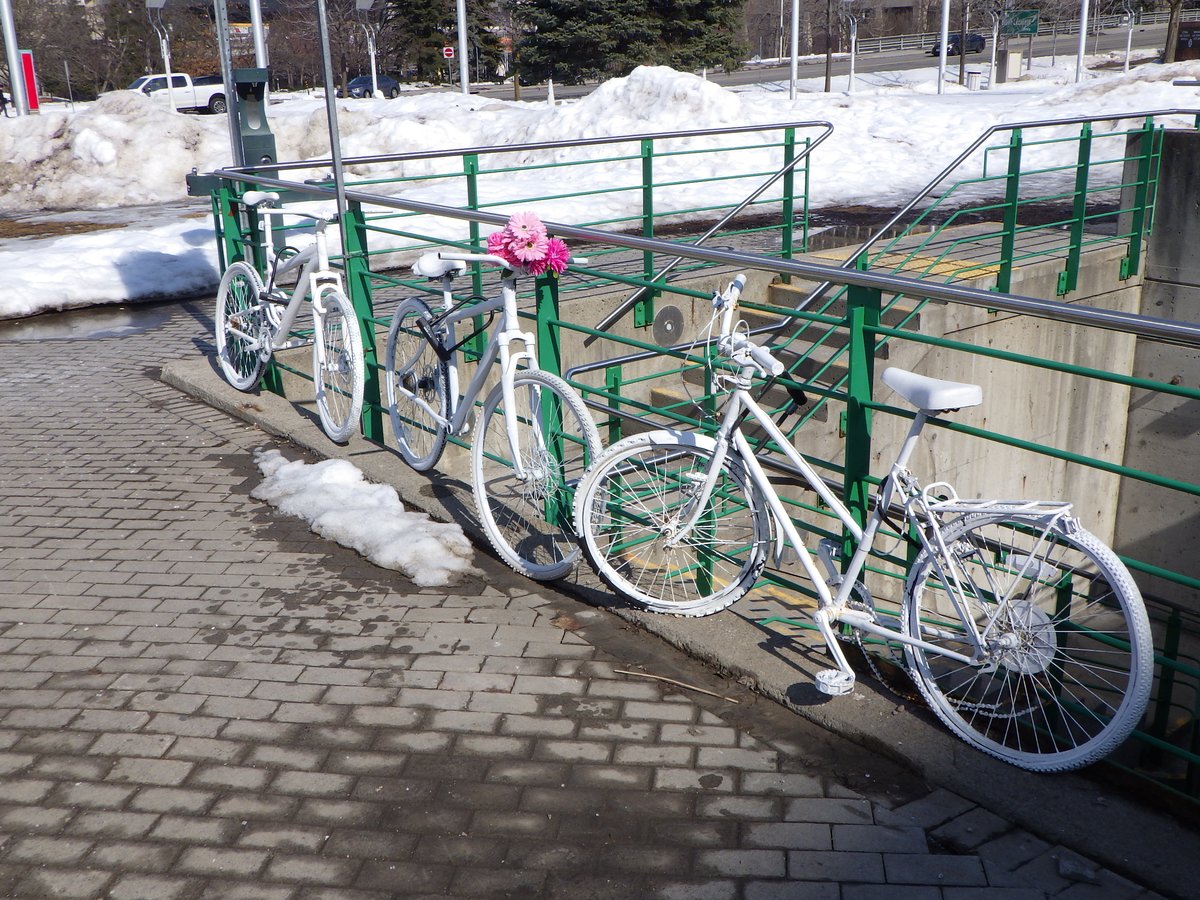
- Accessible by OC Transpo bus routes and bicycle paths.
- Limited street parking is available; public transit is recommended during busy times.
Nearby Attractions
- Canadian War Museum (across the street)
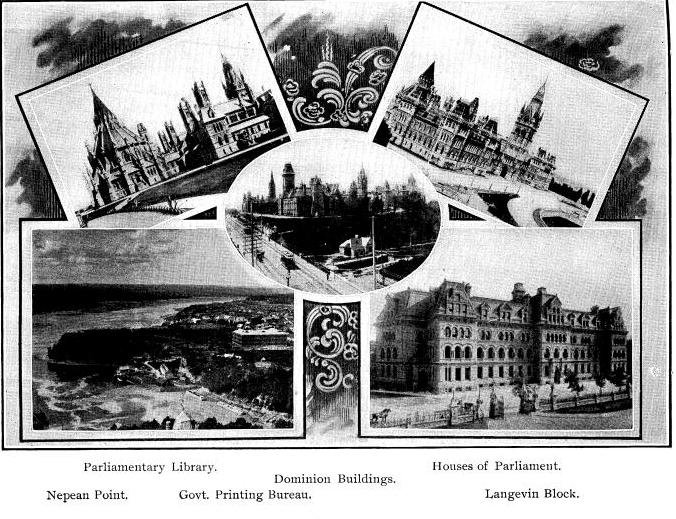
- Parliament Hill
- Canadian Museum of History
- ByWard Market
Visitor Amenities
While there are no on-site restrooms or visitor centers, the monument’s central location offers easy access to nearby facilities. Benches and informational panels are provided on-site.
Architectural Vision and Symbolism
Design and Materials
Daniel Libeskind’s design consists of six triangular concrete volumes forming an elongated Star of David, a powerful symbol of Jewish identity and resilience (Libeskind.com). The cast-in-place concrete provides a sense of permanence and solemnity, while the intersecting forms encourage movement and contemplation.
Symbolic Features
- Star of David Plan: The monument’s layout references the Jewish symbol, representing both loss and hope.
- Stair of Hope: Ascending from the gathering space to an upper plaza, the stairway symbolizes the journey of survivors and integration into Canadian society (e-architect.com).
- Photographic Murals: Edward Burtynsky’s monochromatic images of Holocaust sites are etched into the walls, connecting the present to the memory of atrocity.
- Evolving Landscape: Native conifers and rocky terrain symbolize resilience and growth.
Lighting
Focus Lighting designed the illumination to create a contemplative nighttime atmosphere, with the "Stair of Hope" serving as a beacon visible from Parliament Hill (e-architect.com).
Educational and Cultural Programs
Holocaust Education and Partnerships
The monument is a central hub for Holocaust education, supported by the Centre for Holocaust Education and Scholarship (CHES). CHES organizes Holocaust Education Month, teachers’ workshops, and community programming (CHES; Canadian Heritage).
The NHM IWalk App
Developed with CHES, Liberation75, and the USC Shoah Foundation, the IWalk App offers bilingual, interactive tours featuring survivor testimonies, lesson plans, and explanations of the monument’s symbolism by its creators (Lord Cultural Resources).
School and Community Engagement
The NHM is a destination for school field trips and community visits, with resources and programming to foster inquiry, reflection, and dialogue about antisemitism and human rights (CHES; CIJA).
Commemorative Events
Annual ceremonies, especially on Yom HaShoah and International Holocaust Remembrance Day, bring together survivors, families, and the public for remembrance and education (Canadian Heritage).
Recognition
Since its opening, the monument has received numerous awards for its design and educational programming, including accolades from architect and lighting design organizations (Libeskind.com).
Contemporary Challenges: Vandalism and Antisemitism
In June 2025, the monument was vandalized with red paint and graffiti, a crime swiftly condemned by leaders and community members (SaskToday; Ottawa Citizen; Lethbridge News Now). This incident, amid rising antisemitism, highlights the ongoing necessity of Holocaust education and vigilance (Ottawa Citizen Opinion; CBC Ottawa).
Travel Tips and Visitor Guidance
- Best times to visit: Weekday mornings for a quieter experience.
- Dress for weather: The monument is outdoors; Ottawa’s climate can be variable.
- Respectful conduct: Maintain a contemplative demeanor and silence, especially near memorial features.
- Photography: Permitted, but should not disturb other visitors.
- Accessibility: The site is fully accessible to those with mobility challenges.
- Use the IWalk App: Enhance your visit with survivor testimonies and interpretive content.
Frequently Asked Questions (FAQ)
Q: What are the visiting hours?
A: Open daily from dawn to dusk, with some sources noting 9:00 AM to 6:00 PM. Check the official website for current hours.
Q: Is there an admission fee?
A: No, admission is free.
Q: Is the monument accessible?
A: Yes, it is fully accessible for visitors with disabilities.
Q: Are guided tours available?
A: Tours are occasionally offered; check with CHES or the official site for schedules.
Q: Can I take photographs?
A: Yes, respectful photography is encouraged.
Q: Are there restrooms or a visitor center?
A: No, but nearby downtown facilities are accessible.
Listen to the full story in the app
Your Personal Curator, in Your Pocket.
Audio guides for 1,100+ cities across 96 countries. History, stories, and local insight — offline ready.
Audiala App
Available on iOS & Android
Join 50k+ Curators
Sources
- verified
- verified
- verified
- verified
- verified
- verified
- verified
- verified
- verified
- verified
Last reviewed: