Introduction
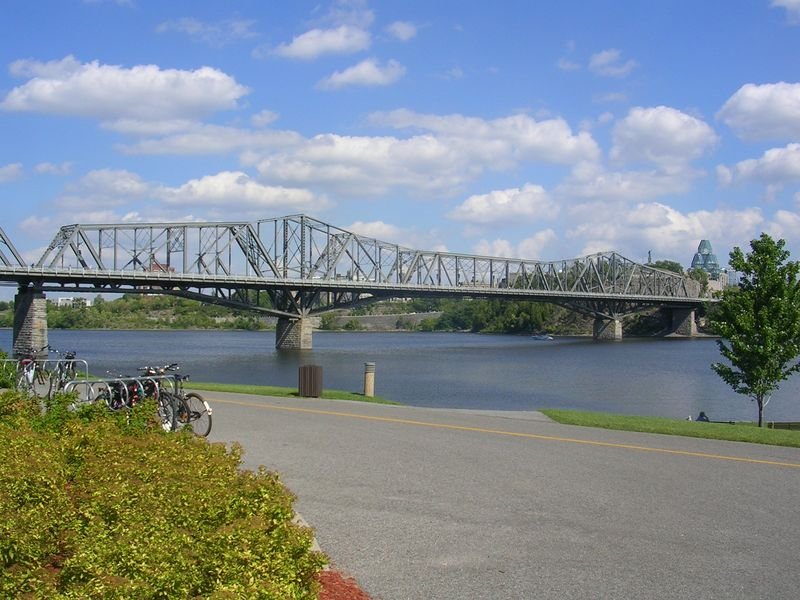
The Chaudière Bridge is a vital and storied landmark in Ottawa, Canada, linking Ontario and Quebec across the Ottawa River. Since its first construction in 1828 to support the Rideau Canal project—a UNESCO World Heritage Site—the bridge has become a symbol of engineering innovation, industrial growth, and cultural significance. Its proximity to the sacred Chaudière Falls, an area of deep spiritual meaning for the Algonquin-Anishinàbe Peoples, makes it a site of historical resonance and modern revitalization.
Strategically located just west of Parliament Hill, the Chaudière Bridge not only serves as a major transportation route but also anchors a dynamic urban area rich in heritage and contemporary redevelopment. The surrounding parks and the eco-conscious Zibi community celebrate both Indigenous roots and industrial history. With 24/7 public access, pedestrian and cycling infrastructure, and integration with local transit, the bridge is welcoming to both residents and visitors.
This guide details the Chaudière Bridge’s history, architecture, access information, nearby attractions, and travel tips—ensuring a fulfilling visit for anyone interested in Ottawa’s vibrant past and present. For the most current updates, consult resources like Ottawa Tourism, National Capital Commission, and the Zibi community.
Early Origins and Strategic Importance
The Chaudière Bridge has long spanned a vital crossing west of Parliament Hill. Built originally in 1828 under Lieutenant Colonel John By to support the Rideau Canal, the first structure consisted of wooden arches and stone spans connecting growing settlements and industries.
Structural Evolution
- Union Bridge (1828–1843): A wooden truss and stone arch bridge facilitating early trade, but prone to ice damage.
- Suspension Bridge (1843): Samuel Keefer’s design with stone towers and wooden trusses improved capacity.
- Iron Truss Bridges (1892): The Whipple through truss reflected industrial progress, but was soon outgrown.
- Current Bridge (1919): Built by the Dominion Bridge Company, this Pennsylvania truss incorporates original 1828 stone arches, demonstrating resilient engineering adapted to Ottawa River conditions.
Cultural and Regional Significance
Located beside Chaudière Falls, a sacred Indigenous site, the bridge remains a critical connector for commerce and community, echoing Ottawa’s historical and cultural identity.
Practical Visitor Information
Visiting Hours and Access
- Bridge: Open to vehicles, pedestrians, and cyclists 24/7. No admission or tickets required.
- Parks: Typically open from dawn to dusk; check the NCC for seasonal updates.
Accessibility
- Pedestrians/Cyclists: Widened sidewalks, cycling lanes, and accessible pathways.
- Wheelchair/Stroller Access: Smooth surfaces and gentle grades on most approaches.
- Transit: Served by OC Transpo and STO routes; close to downtown Ottawa and Gatineau.
Guided Tours & Special Events
- No dedicated bridge tours, but many city walking tours include the site and adjacent Chaudière Falls. The area features in local celebrations and festivals—consult Ottawa Tourism for current events.
Best Photographic Spots
- River pathways on both banks
- Chaudière Falls lookouts
- Views from Parliament Hill and Zibi waterfront
Nearby Attractions
- Chaudière Falls: Sacred Indigenous site with scenic lookouts and interpretive signage.
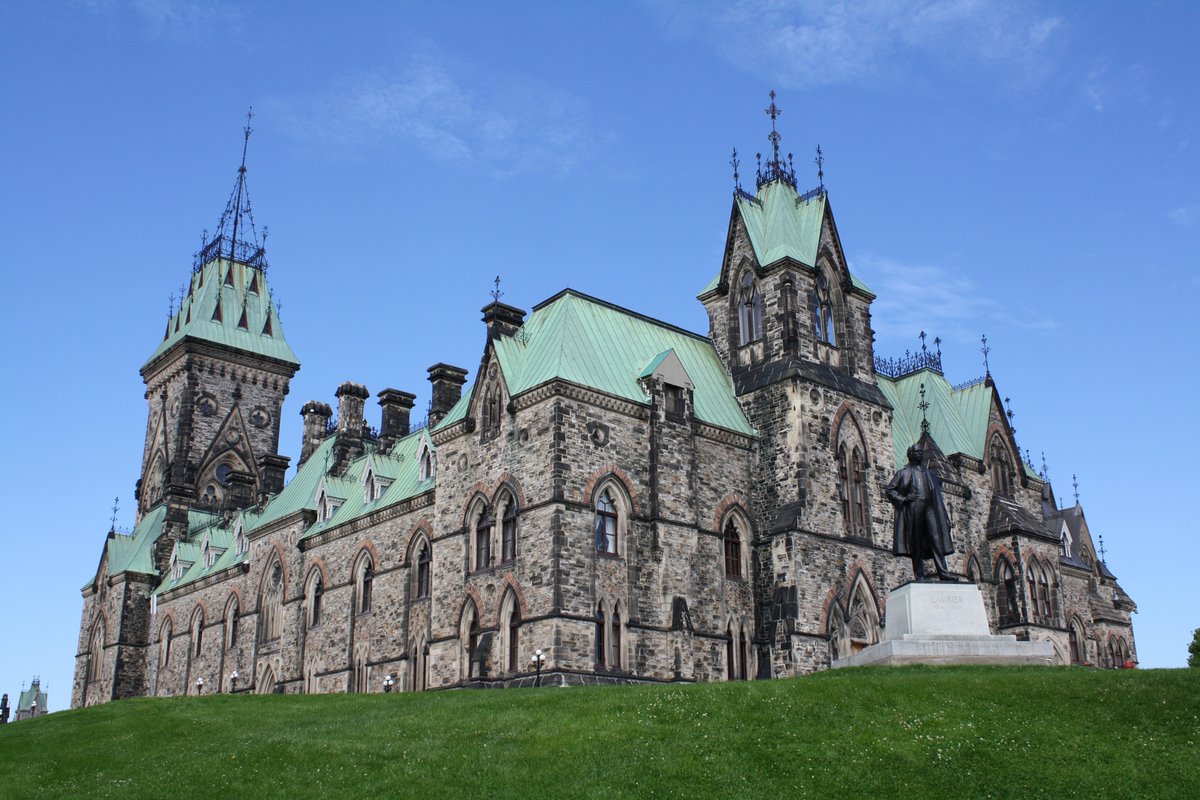
- Parliament Hill: Historic government buildings, guided tours, and river views.
- ByWard Market: Ottawa’s bustling market district for dining and shopping.
- Canadian Museum of History: Extensive exhibits on Indigenous and Canadian history.
Indigenous and Industrial Heritage
Indigenous Significance
The Chaudière Bridge is located at Akikodjiwan, sacred to the Algonquin-Anishinàbe. The Chaudière Falls and riverbanks were sites of gathering, trade, and ceremony (Zibi). Recent park developments have incorporated Algonquin input to honor this heritage (NCC).
Industrial Heritage
The area became a North American industrial hub in the 19th century—home to lumber, pulp, and paper giants like E.B. Eddy and Philemon Wright. Historic sites and materials are preserved or reused within the Zibi community (Zibi).
Urban Connectivity
The bridge is a vital corridor between Ottawa and Gatineau, supporting economic and social integration across the region (CBC). Recent upgrades emphasize sustainable, multi-modal transport (Zibi).
Architectural Features and Urban Integration
Structural Evolution
The bridge has evolved from wood and stone to advanced steel trusses, with ongoing rehabilitation preserving its historic character and ensuring modern safety (CBC).
Urban Redevelopment
Central to the Zibi redevelopment, the bridge supports walkability, cycling, and transit. The district’s high walk and bike scores will rise further as infrastructure improves (Zibi).
Parks and Lookouts
- Chaudières Falls Park: Accessible pathways and platforms with Indigenous-inspired design (NCC).
- Pangishimo Park: Sunset views, art, and boardwalks.
- Tesasini Park: Bedrock shelves and scenic lookouts.
- Mòkaham Park: Planned park for sunrise views and community gatherings.
All parks are linked via recreational trails for walking, cycling, and birdwatching.
Environmental Revitalization
Restoration and Sustainability
The NCC and Zibi are restoring shorelines, enhancing public access, and creating new parks, balancing ecological health with heritage preservation (NCC).
Community Integration
The area is evolving into a walkable, mixed-use district celebrating Indigenous and industrial heritage—with high walkability and vibrant public spaces (Zibi).
Ongoing Developments
Infrastructure Upgrades
Recent and planned projects focus on sidewalk widening, cycling lanes, and repair of historic components. The full reopening is scheduled for late 2025 (CBC).
Long-Term Vision
The bridge will remain a central element of Ottawa-Gatineau, supporting reconciliation, heritage, sustainability, and recreation (Zibi; NCC).
Frequently Asked Questions (FAQs)
Q: Are there entrance fees or tickets required to visit the Chaudière Bridge or parks?
A: No, all sites are free to access.
Q: What are the visiting hours?
A: The bridge is open 24/7; parks are generally open dawn to dusk.
Q: Is the bridge accessible for people with mobility challenges?
A: Yes, with smooth, accessible pathways.
Q: Can I cycle across the bridge?
A: Yes, with dedicated cycling lanes.
Q: How do I get there by transit?
A: Use Ottawa’s LRT or Gatineau’s transit to nearby stops.
Q: Are there guided tours?
A: No dedicated bridge tours, but many city tours include the area.
Q: Where can I find updates on closures?
A: Visit the Government of Canada bridge status.
Visuals and Media
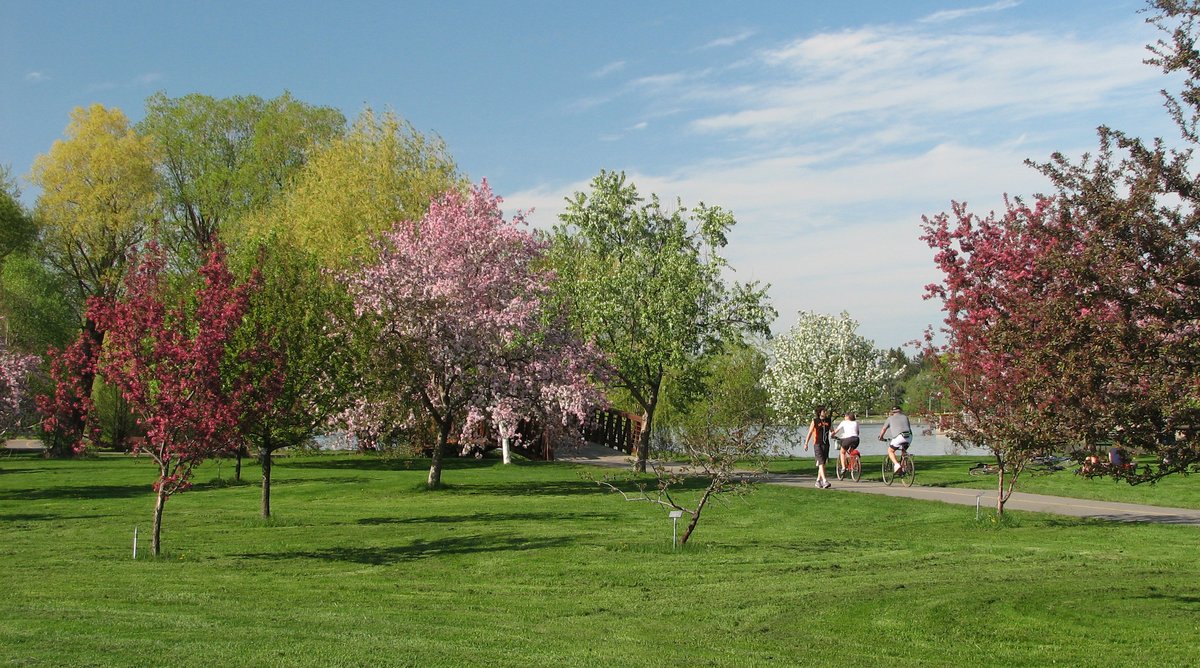
- Chaudière Bridge panoramic views, Chaudière Falls, and park lookouts.
- Interactive maps and virtual tours are recommended for planning.
Plan Your Visit
For real-time updates, guided tours, and exclusive content, download the Audiala app. Explore related articles on Ottawa's historical sites, festivals, and outdoor activities for a complete experience.
Key Points and Staying Updated
The Chaudière Bridge is more than an Ottawa River crossing—it’s a monument to Canada’s industrial, Indigenous, and urban heritage. Visitors enjoy free, 24/7 access to a landmark surrounded by scenic parks, cultural sites, and lively neighborhoods. With high accessibility, robust transit links, and ongoing revitalization, the area is perfect for exploration by foot, bike, or public transport.
For the latest advisories, consult Ottawa Tourism, National Capital Commission, and the Government of Canada bridge status page.
Listen to the full story in the app
Your Personal Curator, in Your Pocket.
Audio guides for 1,100+ cities across 96 countries. History, stories, and local insight — offline ready.
Audiala App
Available on iOS & Android
Join 50k+ Curators
Sources
- verified
- verified
- verified
- verified
- verified
- verified
- verified
Last reviewed: