Plan and listen to Charron House with Audiala.
Audio guide in your pocket, itinerary in your browser. Built for the way you actually visit.
Introduction
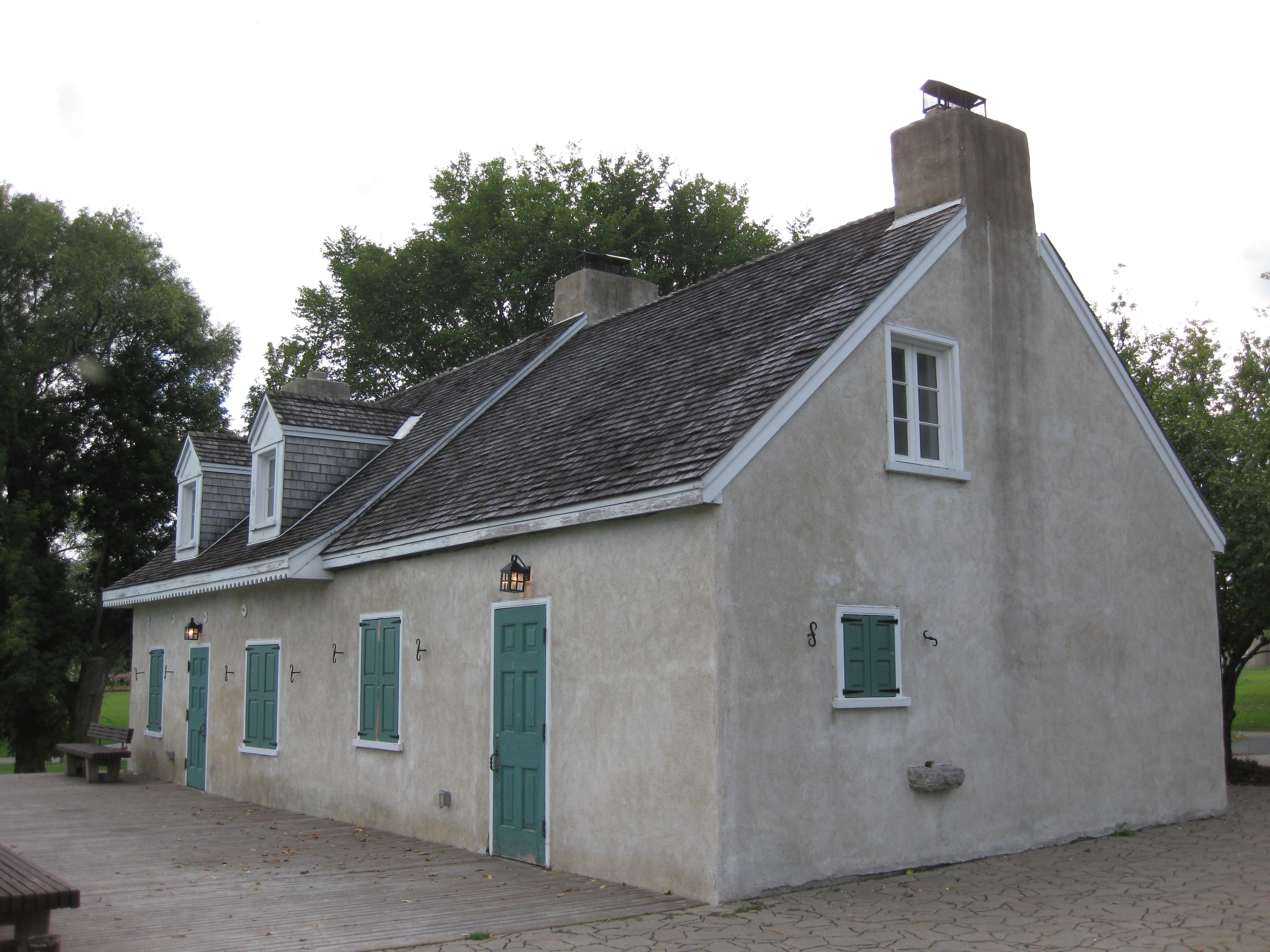
Nestled within Jacques Cartier Park in Gatineau, Quebec—just across the Ottawa River from Canada’s capital—Charron House (Maison Charron) stands as a remarkable testament to early 19th-century Quebecois architecture and the region's rich cultural heritage. Built between 1826 and 1841 by François Charron and Sophie Miville, this historic stone residence offers visitors an authentic glimpse into the lives of early French-Canadian settlers and their pivotal role in shaping the Ottawa-Gatineau area. The house’s thick stone walls, steep gabled roof, and classic dormer windows embody both architectural beauty and the practical ingenuity of its era. Charron House is also deeply connected to the region's river transportation and shipbuilding heritage—industries that fueled local growth.
This comprehensive guide covers Charron House's visitor information, architectural features, conservation efforts, and practical tips for exploring one of Gatineau’s oldest homes. Whether you are passionate about heritage, interested in sustainable conservation, or hoping to enjoy scenic parkland along the Ottawa River, Charron House promises an enriching and memorable experience. For the latest details, refer to the official Jacques Cartier Park website and Parks Canada resources (Parks Canada - Charron House, National Capital Commission - Jacques Cartier Park, Canadian Geographic Education, 2024).
Quick Visitor Information
- Location: Jacques Cartier Park, Gatineau, Quebec (Hull sector, near the Ottawa River waterfront)
- Visiting Hours: Open seasonally from May to October, daily 10:00 AM–6:00 PM (confirm via Jacques Cartier Park official page for updates)
- Admission: Free
- Accessibility: Wheelchair accessible with paved paths; contact park services for specific needs
- Guided Tours: Available on weekends and by appointment; inquire at the Jacques Cartier Park visitor center
Origins and Architectural Style
Charron House, also known locally as “Chrissie’s House,” is among the oldest stone homes in Gatineau and a classic example of maison québécoise architecture. Built between 1826 and 1841, it features:
- Thick stone walls for insulation and durability
- Steeply pitched roof to shed snow efficiently during Canadian winters
- Dormer windows for natural light and ventilation
- Central chimney with baking oven, reflecting traditional French-Canadian design
The house’s modest size and practical layout typify the rural Quebecois style, with locally sourced stone and timber used throughout. Inside, the original layout centers on a main room with smaller adjoining spaces for sleeping, cooking, and storage. Exposed beams, plain woodwork, and preserved historic features like original flooring and mantels add to its authenticity.
Historical Context
Charron House is intimately tied to the early settlement of Hull (now part of Gatineau) and the broader Ottawa region, which developed around the lumber trade and river transport in the early 19th century. Its preservation offers a rare, tangible link to the city’s pre-Confederation history (Historical Society of Ottawa).
What to See and Do
- Tour the House and Grounds: Explore the exterior’s distinctive stonework, rooflines, and historic chimney; guided tours offer deeper insight into its construction and history.
- Interpretive Displays: Learn about the Charron family, local settlement patterns, and the house’s role in regional development.
- Enjoy Jacques Cartier Park: Take advantage of the park’s picnic areas, walking trails, and beautiful river views.
- Nearby Attractions: Visit the Canadian Museum of History, Alexandra Bridge, and other key landmarks within walking distance.
Conservation and Community Significance
Charron House is a designated Federal Heritage Building, recognized for its architectural rarity and historical value. Its conservation is based on principles of authenticity and sustainability, including the use of traditional materials and careful retrofitting for energy efficiency (Ecclesiastical Insurance, 2024). Preservation efforts not only maintain a vital link to the region’s settler past but also contribute to local identity, cultural tourism, and education.
Environmental and Sustainable Heritage Practices
- Adaptive Reuse: Keeping the building in active use reduces waste and preserves embodied energy
- Use of Local/Reclaimed Materials: Maintenance uses traditional and reclaimed resources for authenticity and reduced environmental impact
- Urban Biodiversity: Charron House’s setting in Jacques Cartier Park supports ecological corridors along the Ottawa River (Ottawa.ca, 2025)
Educational and Community Value
- Living History: The house functions as a site for educational programs, guided tours, and community events (Canadian Geographic Education, 2024)
- Cultural Identity: It serves as a symbol of Francophone heritage and community pride
- Economic Impact: Heritage tourism supports local businesses and job creation
Inclusivity and Indigenous Heritage
Charron House’s location along the Ottawa River acknowledges the longstanding presence of the Algonquin people. Interpretive programming increasingly strives for inclusive storytelling that integrates Indigenous and settler histories (Over Your Place, 2025).
Practical Visitor Tips
- Getting There: Jacques Cartier Park is easily accessible by public transit, car, or bicycle; parking is available onsite
- Best Times: Late spring to early fall for guided tours, events, and enjoyable weather
- Accessibility: Wheelchair accessible paths; accessible restrooms nearby; staff can assist with special needs
Frequently Asked Questions (FAQ)
Q: Is there an admission fee?
A: No, entry is free; donations are welcome.
Q: Are guided tours available?
A: Yes, on weekends and by appointment; check ahead for availability.
Q: Is the site wheelchair accessible?
A: Yes, with paved paths and accessible facilities.
Q: Can I host private events at Charron House?
A: The site is used as a hospitality venue during warmer months; contact park management for event inquiries.
Q: Are there nearby dining options?
A: Yes, including the Maison Charron Terrasse and Bar (seasonal).
Nearby and Related Sites
- Canadian Museum of History: National museum focusing on Canadian culture and history
- Mackenzie King Estate: Historic estate and gardens
- Parliament Hill & ByWard Market: Iconic downtown Ottawa landmarks
- Neighbourhoods to Explore: Vanier (Ottawa), known for its Francophone heritage
Additional Ottawa Location: Charron House in Vanier
A separate Charron House (386 Pauline Charron Place, Vanier, Ottawa) is a private residence—not open to the public. Visitors can appreciate its exterior and the historic Francophone character of Vanier during self-guided walking or cycling tours. The neighbourhood offers proximity to the Rideau River, Vanier Museopark, and Ottawa’s key attractions (Ottawa Tourism Official Website, 2025).
Summary and Key Takeaways
Charron House is a unique heritage landmark representing the early settler spirit, Francophone cultural legacy, and sustainable conservation practices of the Ottawa-Gatineau region. Its preservation as part of Jacques Cartier Park provides an inclusive, educational, and scenic experience for all visitors. Plan your visit during guided tour seasons, and use official resources for up-to-date information. For interactive tours and real-time updates, try heritage apps like Audiala.
Listen to the full story in the app
The whole Charron House,
told well.
Audio guides for 1,100+ cities across 96 countries. History, stories, and local insight — offline ready.

Verified, and shown.
Researched and written by the Audiala editorial team from historical records, architectural archives, and local expertise.
Last reviewed
Researched from Wikidata, Wikipedia & official sources · fact-checked · How we make our guides →