Plan and listen to Briarcliffe Heritage Conservation District with Audiala.
Audio guide in your pocket, itinerary in your browser. Built for the way you actually visit.
Introduction
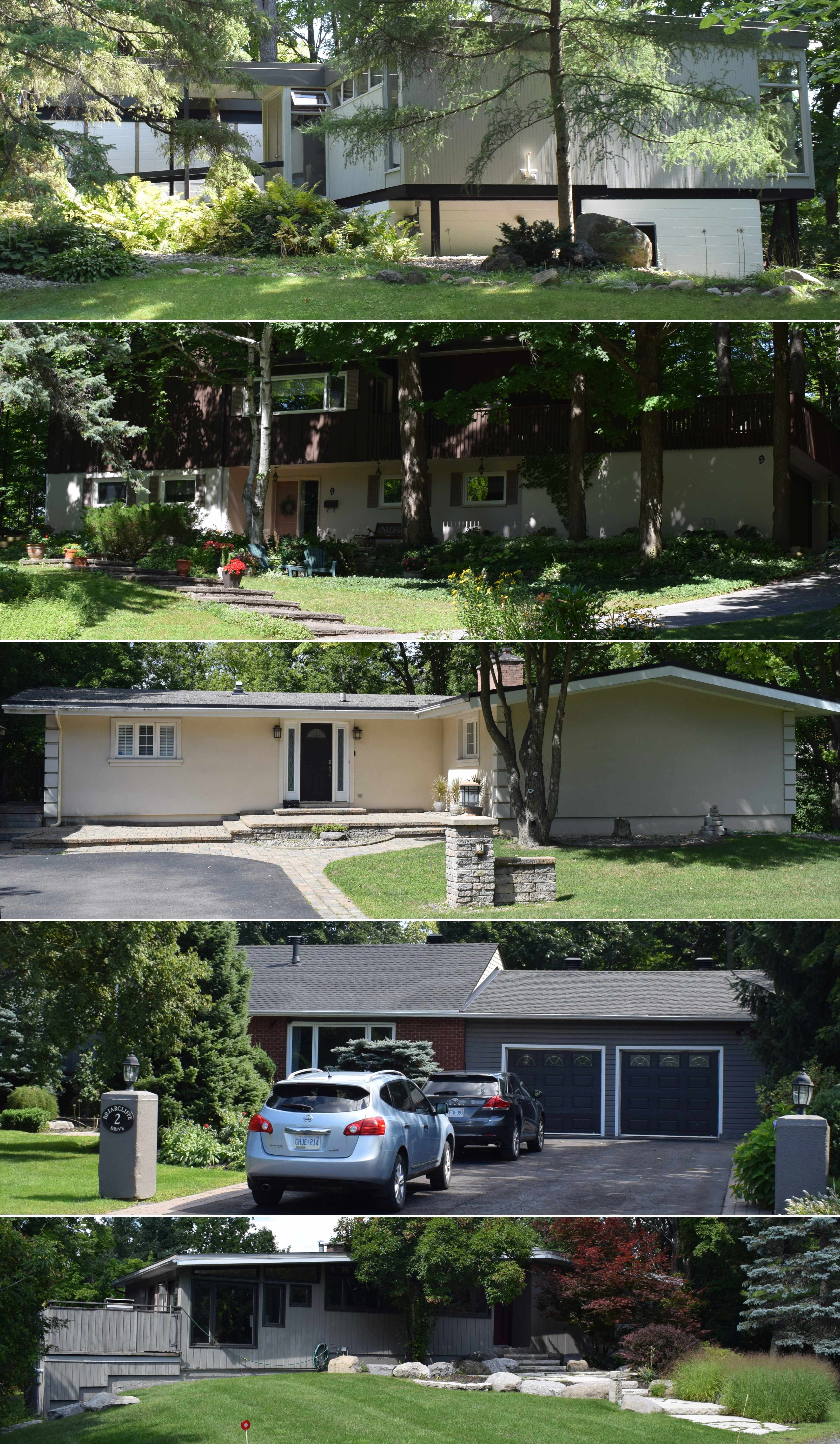
Nestled in Ottawa’s Rothwell Heights neighbourhood, the Briarcliffe Heritage Conservation District stands as Canada’s first and only mid-20th-century modernist residential area protected under the Ontario Heritage Act. Developed between 1961 and 1969 by a group of visionary professionals, Briarcliffe is celebrated for its innovative architecture, harmonious integration with nature, and community-driven planning. This comprehensive guide details the district’s historical significance, architectural highlights, visitor information—including hours, tours, and accessibility—conservation policies, and practical tips for enjoying one of Ottawa’s most treasured heritage sites.
For ongoing updates and resources, consult Heritage Ottawa, the City of Ottawa’s Heritage Conservation Districts, and Heritage Matters. The Audiala app is also recommended for personalized tours and audio guides (habicurious.com).
Historical Background and Heritage Designation
Early Development: Context and Origins
Briarcliffe emerged during Ottawa’s postwar expansion, envisioned as a cooperative community by professionals—many affiliated with the National Research Council and Canada Mortgage and Housing Corporation. Seeking to create an enclave distinct from conventional suburbs, they preserved mature trees, followed the site’s natural topography, and emphasized architectural cohesion through restrictive covenants. The area was partitioned into large, irregular lots, prioritizing privacy and landscape preservation (Heritage Matters).
Path to Heritage Designation
With its unique modernist identity and remarkable state of preservation, Briarcliffe achieved Heritage Conservation District (HCD) status in 2013. This marked a major shift in heritage conservation priorities, acknowledging the cultural value of postwar and modernist sites. The designation, supported unanimously by residents, ensures long-term protection of Briarcliffe’s architectural and landscape character (Heritage Ottawa; City of Ottawa PDF).
Urban Planning Principles and Layout
Conceived by architect Walter Schreier and others in 1959, Briarcliffe’s layout follows the land’s contours with two gently curving streets. The absence of sidewalks and streetlights, minimal fencing, and preservation of mature woodland create a park-like, secluded atmosphere. Homes are sited within natural clearings, maximizing privacy and minimizing environmental disruption (Heritage Ottawa).
Architectural Styles and Features
Key Architectural Elements
- Flat or Low-Sloping Roofs: Gabled roofs are prohibited to maintain the district’s authenticity.
- Expansive Glazing: Large windows blur boundaries between indoors and outdoors, providing abundant natural light.
- Natural Materials: Wood, stone, and brick are featured and often left exposed.
- Integration with Nature: Open plans and terraces capitalize on the rolling terrain and wooded setting.
Notable Residences
Architects such as James Strutt and Brian Barkham contributed signature homes, including the Kemper House and Butler House, which exemplify Briarcliffe’s modernist vision (Heritage Ottawa).
Heritage Conservation District Guidelines
The HCD plan strictly regulates exterior alterations, landscaping, and new construction. Key protections include:
- Architectural Controls: Additions or renovations must respect the original modernist intent. Gabled roofs, window muntins, and exterior ornamentation are not permitted.
- Preservation of Landscape: All mature trees and natural features are protected.
- Community Stewardship: Residents remain deeply involved in ongoing heritage management (City of Ottawa PDF).
Community Origins and Cooperative Spirit
Briarcliffe’s founding as a cooperative is central to its identity. Four friends, in 1959, purchased and subdivided 20 acres, reserving land for communal use (now Kindle Court Park). A restrictive covenant ensured the preservation of architectural and landscape values, fostering shared responsibility and a sense of unity. Today, the neighbourhood association continues to advocate for heritage protection and community engagement (habicurious.com; RHPOA).
Visiting Briarcliffe: Hours, Tickets, and Practical Information
Visiting Hours and Access
Briarcliffe is an active residential neighbourhood. There are no formal visiting hours, but respectful exploration is welcome during daylight, typically between 8:00 AM and 8:00 PM. Visitors should remain on public streets and green spaces.
Tickets and Guided Tours
There is no admission fee for self-guided visits. Guided tours are occasionally offered through Heritage Ottawa or during events like Doors Open Ottawa. Advance registration and a modest fee may apply.
Accessibility and Travel Tips
- Accessibility: The area’s hills and lack of sidewalks may challenge those with mobility concerns.
- Parking: Limited to street parking; public transit options are available but infrequent (Ottawa Transit).
- Footwear: Sturdy, flat shoes are recommended for walking the gently sloping streets.
- Nearby Facilities: Shops and amenities are found in adjacent Beacon Hill and Rothwell Heights.
Responsible Tourism and Visitor Etiquette
- Respect Privacy: Stay on public roads, avoid trespassing, and keep noise low.
- Photography: Streetscape and landscape photography is welcome; do not photograph private homes or residents without consent.
- Sustainability: Use transit or cycle to minimize impact.
Visitor Services and Amenities
- Guided Tours: Offered occasionally during heritage events. Check Doors Open Ottawa for updates.
- Interpretation: Limited signage; self-guided brochures may be available through city heritage offices.
- Restrooms and Food: Not available within the district; plan ahead.
Conservation Policies and Community Involvement
Residents play an active role in upholding heritage guidelines and advocating for responsible development. The district’s success in balancing modernization and preservation has made it a model for suburban heritage protection (Smith Report).
Comparative Context: Ontario’s Heritage Districts
Briarcliffe is unique among Ontario’s Heritage Conservation Districts for its modernist suburban character. While many HCDs protect 19th-century townscapes, Briarcliffe demonstrates the value of conserving postwar and modern communities (Heritage Matters).
Community Events and Cultural Activities
The district occasionally participates in city-wide events such as Doors Open Ottawa, offering guided tours and resident engagement opportunities. Community gatherings in Kindle Court Park reinforce Briarcliffe’s cooperative ethos (Heritage Ottawa).
Frequently Asked Questions (FAQ)
Q: What are the visiting hours for Briarcliffe?
A: Daylight hours, typically 8:00 AM to 8:00 PM. Respect residents’ privacy.
Q: Are there guided tours?
A: Occasionally, especially during heritage events. Check Heritage Ottawa for details.
Q: Is there an admission fee?
A: No, unless participating in a scheduled guided tour.
Q: Is Briarcliffe accessible for visitors with mobility challenges?
A: Limited; the area has hills, narrow roads, and no sidewalks.
Q: Where can I park?
A: Limited street parking is available.
Q: Can I photograph the houses?
A: Yes, from public spaces. Please do not photograph interiors or residents without permission.
Discover More
Plan your visit during daylight and observe the district’s unique modernist architecture and landscape. For updates on tours and events, visit Heritage Ottawa. Download the Audiala app for self-guided tours. Follow us on social media for news on Ottawa’s heritage sites.
Summary and Visitor Recommendations
The Briarcliffe Heritage Conservation District is a landmark of Canadian modernist preservation, offering a rare blend of innovative architecture, organic urban planning, and strong community spirit. Its protected status ensures the ongoing integrity of both built and natural environments. Visitors can enjoy self-guided walks or join occasional tours to learn about the district’s legacy. By respecting local guidelines and engaging with heritage organizations, you help preserve Briarcliffe’s unique character for future generations (Heritage Matters; habicurious.com; Heritage Ottawa).
Listen to the full story in the app
The whole Briarcliffe Heritage Conservation District,
told well.
Audio guides for 1,100+ cities across 96 countries. History, stories, and local insight — offline ready.

Verified, and shown.
Researched and written by the Audiala editorial team from historical records, architectural archives, and local expertise.
Last reviewed
Researched from Wikidata, Wikipedia & official sources · fact-checked · How we make our guides →