Introduction: The Heart of Old Montreal
Place Jacques-Cartier is one of Montreal’s most celebrated and historically significant public squares, located in the vibrant Old Montreal district. Established in 1804 on the former site of Château Vaudreuil, the square has transitioned from a bustling 19th-century marketplace to a cultural and social epicenter that seamlessly blends Montreal’s colonial past with its modern urban spirit. Named after the French explorer Jacques Cartier, this iconic square features the city’s oldest public monument—Nelson’s Column—and embodies a rich architectural heritage. Visitors are drawn not only by the historic charm, but also by the lively street performers, bustling cafés, seasonal festivals, and proximity to major landmarks such as Bonsecours Market and Notre-Dame-de-Bon-Secours Chapel. This comprehensive guide details everything you need for an enriching visit, including hours, ticket information, accessibility, top attractions, and travel tips. For the latest updates, check official resources like Montreal.ca and Tourisme Montréal.
Photo Gallery
Explore Place Jacques-Cartier in Pictures

Historical engraving showing the temporary arch installed on Jaques Cartier Square in Montreal, Canada, in 1860 to welcome Prince Albert of Wales, created by McArthur & Spence.

Historic view of Jacques-Cartier Square from De la Commune Street West in Montreal, Quebec, Canada, dated July 1979

Bonsecours Market, a historic public market building in Montreal known for its distinctive dome and neoclassical architecture.

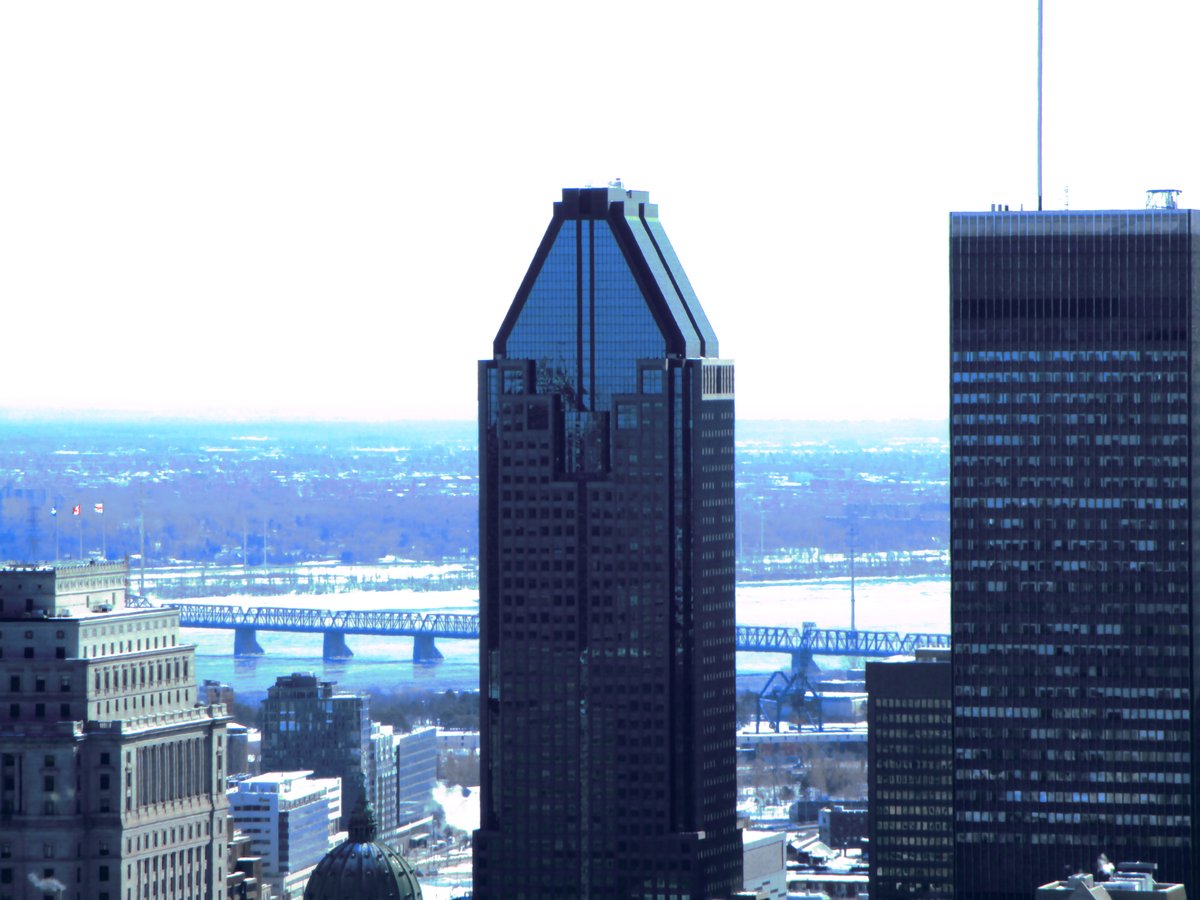
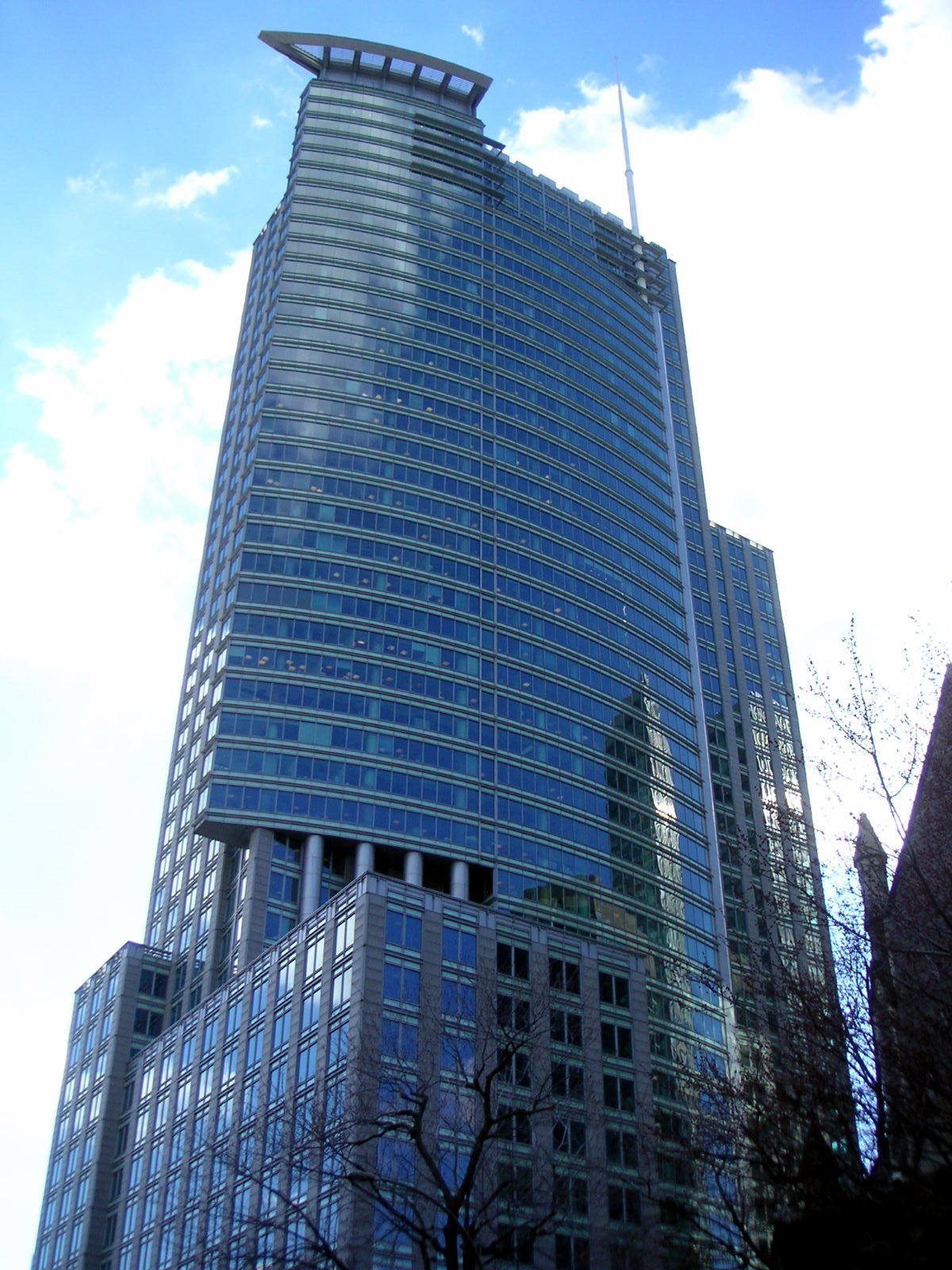
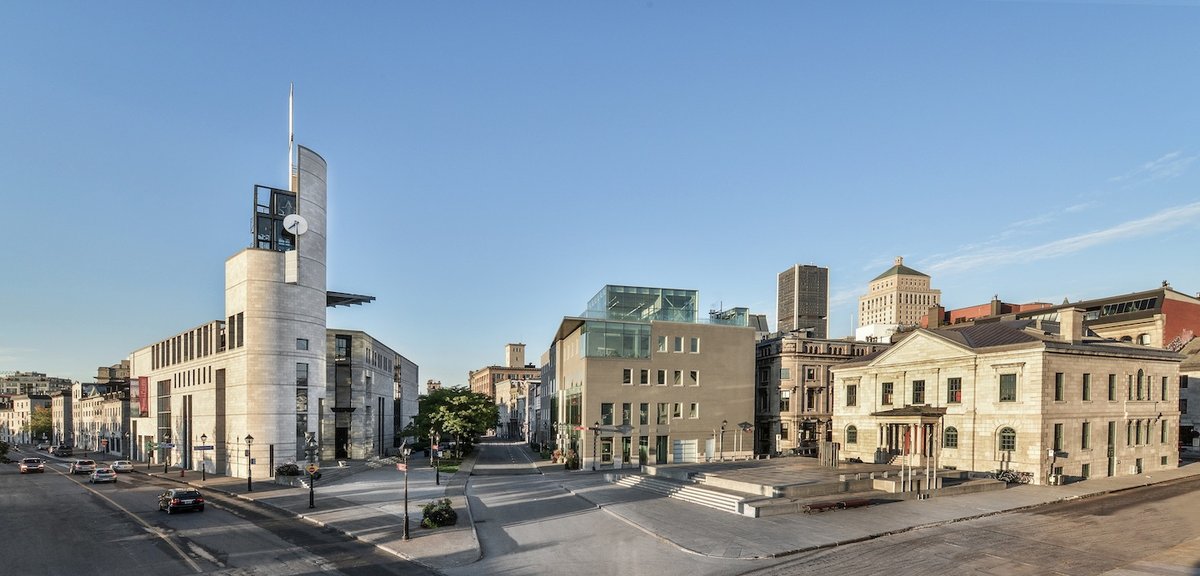
A tall modern building located in the city of Montreal, showcasing contemporary architecture under a clear sky.

A vintage photochrom postcard published by the Detroit Photographic Company showcasing a scenic landscape.

Market day scene on Jacques-Cartier Street in Old Montreal showing buyers walking among carts covered with tarps, with Nelson's Column and Notre-Dame Street East in the background.

View of the public market held at Place Jacques-Cartier in Montreal showing buildings around the square, port facilities, trucks, automobiles, and a man drinking from a bottle

Color photochrom print showing Jacques Cartier Square in Montreal with people walking and historic architecture

Photograph of Jacques Cartier Square in Montreal, Quebec, Canada showcasing the historic architecture and lively urban atmosphere.

Historic photo of Le Vieux-Montréal taken from the La Sauvegarde building in 1915 showing Rue Le Royer eastward with the new grain elevator No.2 visible in the background

Black and white photograph of Marché place Jacques-Cartier showing market activity and people circa 1900
Early Origins and Urban Development
Place Jacques-Cartier was established in 1804 on the ashes of Château Vaudreuil, reflecting Montreal’s transformation from a colonial outpost to a burgeoning city (Montreal.ca). As a public marketplace, the square quickly became a hub for commerce and activity, serving as the main link between the Old Port and the city’s commercial arteries.
Marketplace Era and Economic Importance
Throughout the 19th century, Place Jacques-Cartier flourished as Montreal’s principal open-air market. Merchants sold everything from produce and meats to imported wares, making the square a focal point for trade and social interaction. It was also a venue for public gatherings, political events, and celebrations, underlining its central role in civic life.
Architectural Heritage and Urban Landscape
The square is surrounded by an impressive mix of French colonial, British, neoclassical, Victorian, and Second Empire architecture. Notable among these is Nelson’s Column (1809), Canada’s oldest war monument, commemorating Admiral Horatio Nelson’s victory. The area’s carefully preserved stone facades, wrought-iron balconies, and ornate cornices provide visitors with a tangible link to Montreal’s storied past.
Cultural and Social Evolution
With the advent of indoor markets and supermarkets in the 20th century, Place Jacques-Cartier’s commercial role diminished, but it swiftly reinvented itself as a cultural hotspot. Today, the square is alive with restaurants, open-air terraces, street performers, artists, and boutiques—offering an energetic atmosphere that attracts both locals and tourists.
Visiting Place Jacques-Cartier: Hours, Tickets, and Accessibility
- Hours: The square is open 24/7 year-round, though activity peaks from late morning into the evening, especially in warmer months.
- Tickets: Access to Place Jacques-Cartier is free. Certain nearby museums or guided tours may require tickets.
- Accessibility: The area is pedestrian-friendly and wheelchair accessible, with smooth pathways and ramps at major entrances.
Top Nearby Attractions and Guided Tours
Place Jacques-Cartier is conveniently located near several notable sites:
- Rue Saint-Paul: Montreal’s oldest street, filled with galleries, shops, and historic architecture (Montreal-Trip).
- Bonsecours Market: A neoclassical landmark housing boutiques and exhibitions (TravelAwaits).
- Notre-Dame-de-Bon-Secours Chapel: A historic church known as the Sailors’ Church.
- Château Ramezay: An 18th-century governor’s residence and museum (MTL.org).
- Montréal City Hall: A striking example of 19th-century civic architecture.
Guided tours—offered by local tourism agencies—often include Place Jacques-Cartier and neighboring landmarks, providing rich historical context (Tourisme Montréal).
Special Events and Photogenic Spots
- Festivals: The square is a central venue for events such as the Montreal International Jazz Festival and seasonal holiday markets (MTL.org).
- Street Performers: Musicians, magicians, and artists create a lively ambiance, especially during the summer (Lonely Planet).
- Photography: Must-capture spots include Nelson’s Column, the square’s colorful terraces, and panoramic views toward the Old Port.
Preservation and Interpretation
Ongoing municipal efforts preserve the square’s architectural and cultural integrity through restoration, informative signage, and pedestrianization. These initiatives help educate visitors on the square’s heritage while ensuring its continued vibrancy (Montreal.ca).
Practical Tips and Frequently Asked Questions (FAQ)
Tips for Visitors
- Best Time to Visit: Late spring through early fall, when street life is at its peak.
- Dress: Comfortable footwear is recommended due to cobblestone streets.
- Language: French is primary, but English is widely spoken.
- Safety: The area is generally safe, but standard urban precautions apply.
- Getting There: Use the Champ-de-Mars or Place-d’Armes metro stations; public transit is preferred as parking is limited.
FAQs
Q: What are the visiting hours for Place Jacques-Cartier?
A: Open 24/7 year-round. Most vibrant from late morning to late evening.
Q: Is there a fee to enter?
A: No, access to the square is free.
Q: Are there guided tours?
A: Yes, many include Place Jacques-Cartier and adjacent landmarks (Tourisme Montréal).
Q: Is the square accessible?
A: Yes, with smooth paths and step-free entrances to most shops and restaurants.
Q: Are pets allowed?
A: Leashed pets are welcome; owners must clean up after them.
Listen to the full story in the app
Your Personal Curator, in Your Pocket.
Audio guides for 1,100+ cities across 96 countries. History, stories, and local insight — offline ready.
Audiala App
Available on iOS & Android
Join 50k+ Curators
Sources
- verified
- verified
- verified
- verified
- verified
- verified
- verified
- verified
- verified
Last reviewed: