Introduction
The Major Seminary of Montreal (Grand Séminaire de Montréal) is a cornerstone of Quebec’s religious, architectural, and educational heritage. Established in the early 19th century by the Sulpician Order, the seminary is not only a significant site of priestly formation but also an enduring symbol of Montreal’s historical and cultural landscape. This comprehensive guide provides detailed information on its history, architectural features, visitor access, ticketing, accessibility, and travel tips, making it an essential resource for travelers, history enthusiasts, and anyone interested in Montreal’s spiritual legacy (Grand Séminaire de Montréal official website).
Photo Gallery
Explore Major Seminary of Montreal in Pictures

Watercolour and graphite painting on paper depicting Montreal and the Sulpician Seminary in 1877, measuring 22.2 x 32.5 cm.

Historical black and white albumen photograph of Priests Farm at Montreal College located on Sherbrooke Street in Montreal, QC, taken about 1859, showcasing silver salts on paper mounted on card.

Watercolour on paper painting of the Priests Residence at Montreal College located on Sherbrooke Street in Montreal, measuring 17.9 by 25.6 cm.
About the Major Seminary of Montreal
Historical Foundations and Religious Legacy
Founded in 1840 at the request of Bishop Ignace Bourget, the Major Seminary of Montreal was established by the Priests of Saint-Sulpice, whose presence in Montreal dates back to 1657. The Sulpicians played a critical role in the spiritual and urban development of Montreal, training approximately 8,500 priests who have served both locally and internationally (Diocese of Montreal). Their stewardship of the island and contributions to civic life have had a lasting impact on the city’s identity (Lonely Planet).
Architectural and Artistic Significance
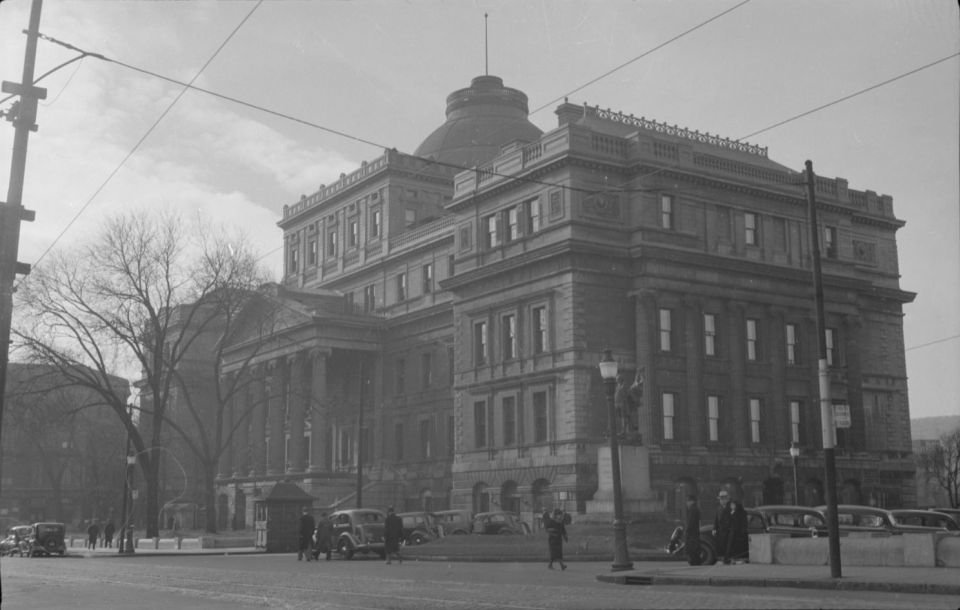
The original seminary building, designed by John Ostell and enriched over time by Victor Bourgeau, stands as a prime example of Beaux-Arts and neo-classical architecture. The chapel, completed in 1907, is celebrated for its harmonious proportions and serene atmosphere (Pierre Bedard Photography). Although the seminary relocated in 2020 to 6895 rue Boyer in Rosemont – La Petite-Patrie, the Sherbrooke Street site remains an architectural and historical landmark.
Theological and Educational Role
The Major Seminary of Montreal continues the Sulpician tradition of holistic priestly formation, emphasizing human, spiritual, intellectual, and pastoral development. Affiliated with Laval University’s Faculty of Theology and Religious Sciences, the seminary prepares clergy to address contemporary challenges while upholding core Catholic values (Diocese of Montreal).
Community Engagement and Urban Integration
The seminary’s recent move to Rosemont – La Petite-Patrie has fostered closer ties with local parishes and communities. This relocation aims to deepen seminarians’ connection with both their faith and urban mission, while collaborative efforts with diocesan organizations support the seminary’s ongoing mission (Diocese of Montreal).
Visitor Information
Visiting Hours and Tickets
- Original Sherbrooke Street Site: Access is limited to special events, heritage days, or guided tours. Hours vary and should be confirmed through the official website or the Diocese of Montreal.
- Current Rosemont Location: Not open to the general public except for select events.
- Tickets: When available, guided tour tickets are typically priced (e.g., CAD 8 for adults, CAD 5 for seniors and students, free for children under 12). Advance booking is essential due to limited access (CBC News).
Accessibility and Visitor Services
Both the Sherbrooke Street and Rosemont sites provide accessibility accommodations during public events, including ramps and elevators where possible. For specific needs, visitors are encouraged to contact the Diocese of Montreal in advance.
Guided Tours and Special Events
Guided tours are offered during heritage days and special occasions, providing access to the chapel, historic library, and cloistered gardens. These tours, available in both French and English, highlight the seminary’s theological mission, architectural features, and historical collections (Best Canada Tour). The seminary also participates in city-wide events such as Montreal’s Journées de la culture, which may include concerts, exhibitions, and open houses.
Photography and Visitor Etiquette
Photography is permitted in designated areas during tours, but restrictions may apply in sacred spaces to maintain an atmosphere of reverence. Visitors are encouraged to dress modestly and remain respectful, especially in the chapel and during religious services.
Highlights and Points of Interest
Chapel and Artistic Elements
The seminary’s chapel is renowned for its serene design and religious art, including an apse painting by Joseph Saint-Charles depicting the Presentation of the Blessed Virgin Mary. The chapel is a centerpiece for reflection, music, and special liturgical events.
Historic Library and Collections
Housing over 155,000 volumes, the seminary’s library contains rare Renaissance and early 20th-century texts, theological manuscripts, and historical artifacts. Guided tours often include access to these collections, offering insight into Montreal’s intellectual and religious history.
Seminary Gardens and Outdoor Spaces
The historic gardens, among the oldest in North America, feature classical French designs that reflect the discipline of monastic life (CBC News). The gardens are typically accessible only during guided tours or special events.
Architectural Features and Symbolism
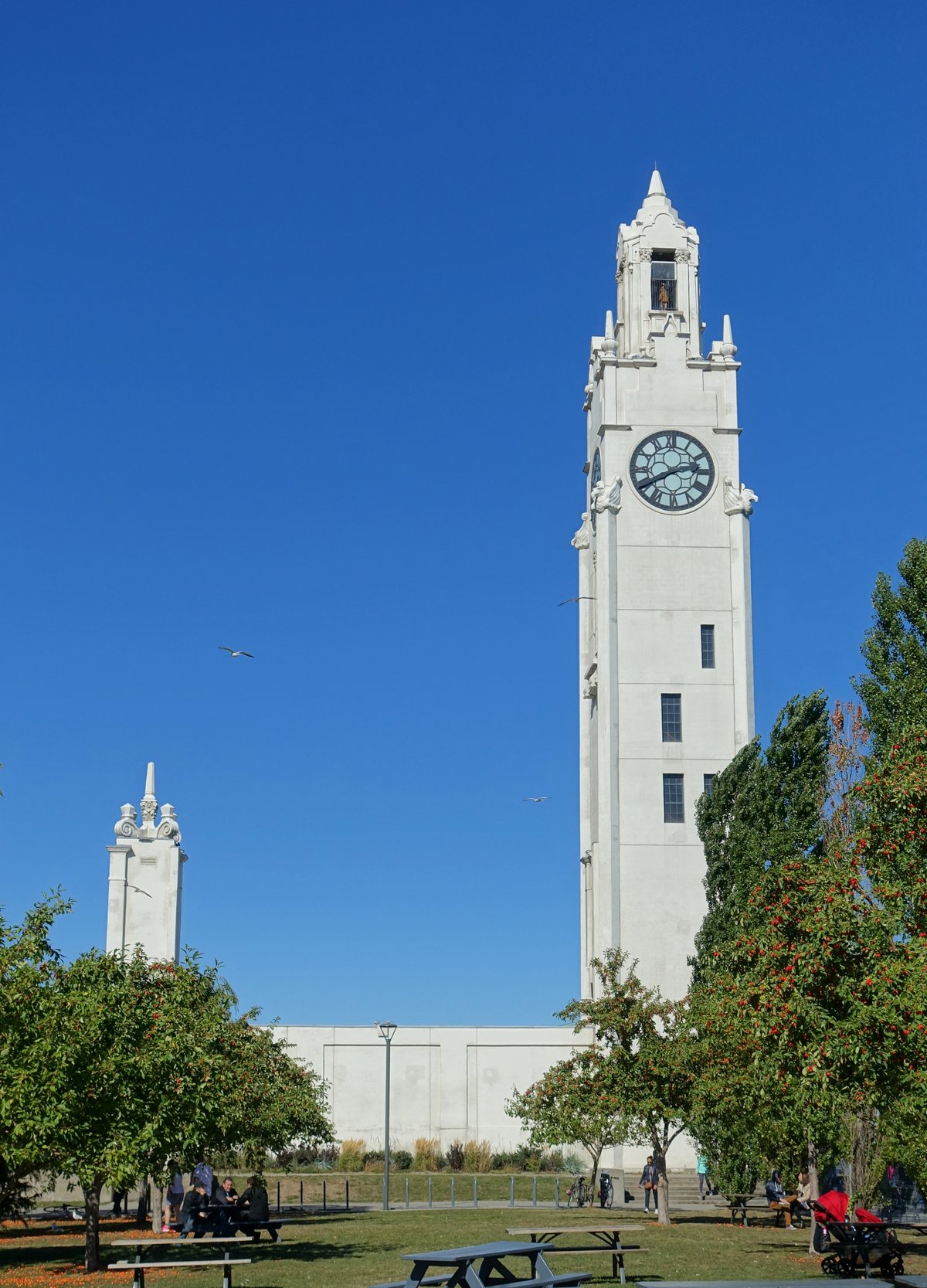
The original seminary’s Beaux-Arts façade, symmetrical lines, and iconic clock tower (dating to 1701) symbolize the Sulpicians’ commitment to faith and order (Icy Canada). Restoration efforts since 2005 have preserved these elements, ensuring the building’s longevity.
Nearby Attractions and Travel Tips
The seminary’s central location makes it a gateway to other Montreal historical sites:
- Notre-Dame Basilica: A masterpiece of Gothic Revival architecture, open daily with tours.
- Saint Joseph’s Oratory: Canada’s largest church, offering panoramic views from Mount Royal.
- Old Montreal: A district brimming with museums, churches, and cobblestone streets.
Travelers are encouraged to use public transit due to limited parking and to wear comfortable shoes for exploring the area. For more ideas, visit Travel Notes and Things.
Frequently Asked Questions (FAQ)
Q: Can I visit the Major Seminary of Montreal at any time?
A: No, public access is restricted to special events and scheduled guided tours. Check the official website for the latest information.
Q: Are tickets required for visits?
A: Tickets are needed for guided tours and special events. These can be reserved online or through authorized providers.
Q: Is the seminary accessible for visitors with disabilities?
A: Accessibility varies by site and event. Contact the Diocese of Montreal to discuss specific needs.
Q: Are guided tours available in multiple languages?
A: Yes, tours are typically offered in both English and French.
Q: Can I take photographs inside the seminary?
A: Photography is allowed in designated areas, but is restricted in sacred spaces and during services.
Q: Are children welcome?
A: Yes, though some exhibits may be best appreciated by older children and adults.
Recommendations for a Memorable Visit
- Book Early: Reserve your spot ahead of time as access is limited and tours fill quickly.
- Combine Destinations: Pair your seminary visit with other nearby heritage sites for a full cultural experience.
- Respect the Setting: Dress modestly and maintain a respectful demeanor in sacred spaces.
- Check for Events: Look for special events or concerts that may enhance your visit.
- Allow Time: Plan for 1–2 hours to fully appreciate the seminary’s history and grounds.
Listen to the full story in the app
Your Personal Curator, in Your Pocket.
Audio guides for 1,100+ cities across 96 countries. History, stories, and local insight — offline ready.
Audiala App
Available on iOS & Android
Join 50k+ Curators
Sources
- verified
- verified
- verified
- verified
- verified
- verified
- verified
- verified
Last reviewed: