Plan and listen to Lasalle with Audiala.
Audio guide in your pocket, itinerary in your browser. Built for the way you actually visit.
Introduction: Experience the Best of LaSalle, Montreal
Located on the southwestern shore of Montreal’s Île de Montréal, LaSalle is a dynamic borough where rich Indigenous and colonial history meets contemporary urban life and multicultural vibrancy. Named for the 17th-century French explorer René-Robert Cavelier, sieur de La Salle, this area features historic windmills, scenic riverfront parks, and a community atmosphere enriched by diverse cultures and educational institutions. Whether you’re seeking historical landmarks, outdoor adventures, or cultural events, LaSalle offers a memorable Montreal experience.
This comprehensive guide covers everything you need to plan your visit, including historical context, top attractions, practical travel tips, accessibility information, and insider recommendations. For additional insights, refer to resources like Britannica, Come Explore Canada, and the official Montreal borough website.

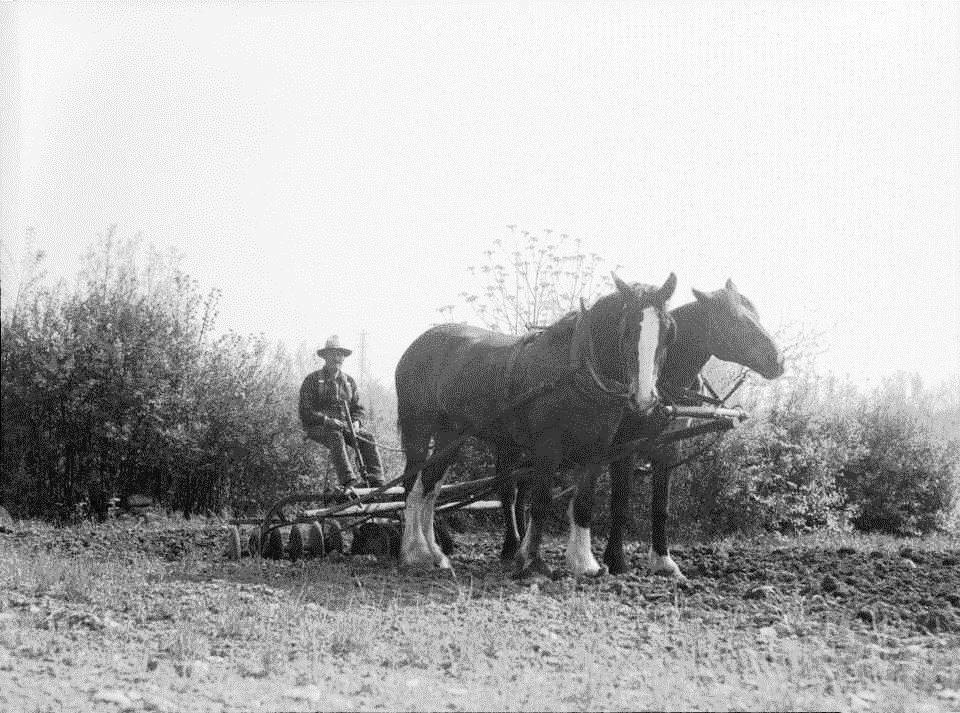
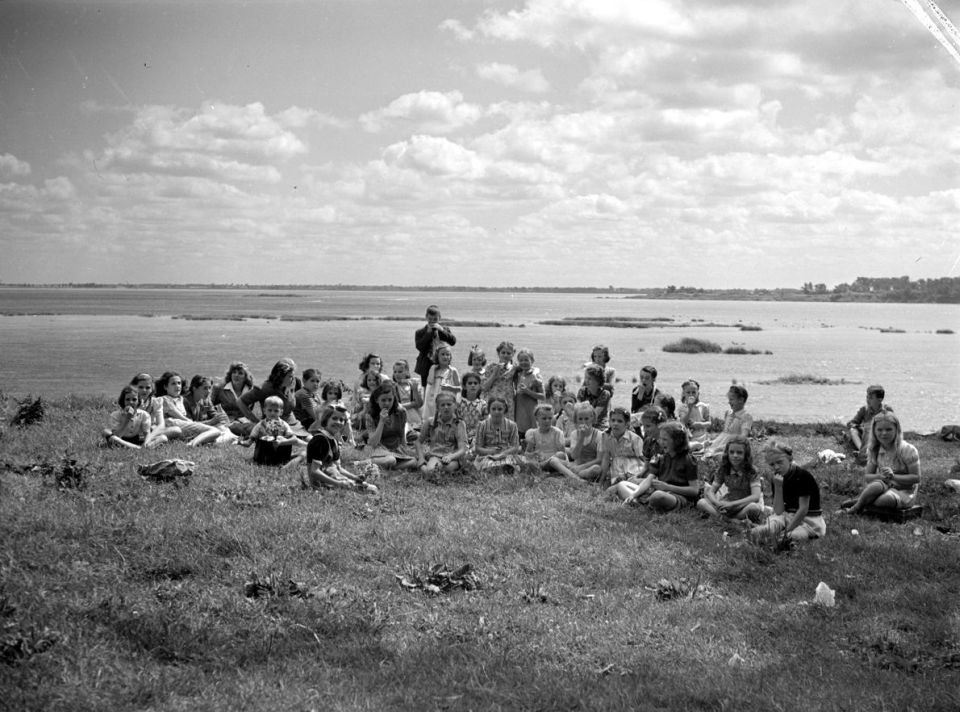
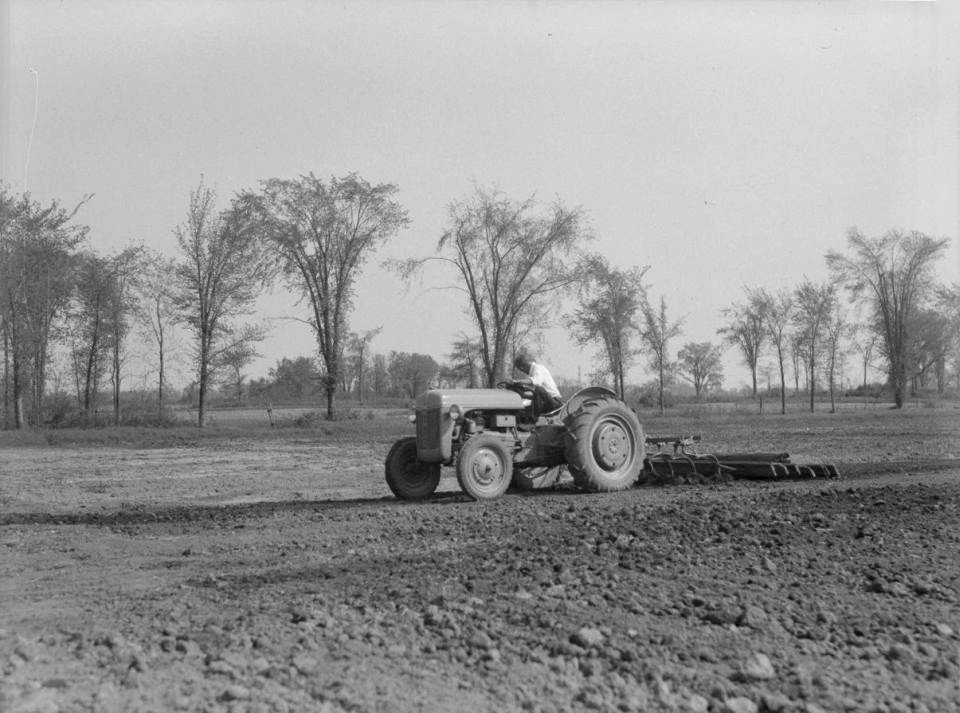
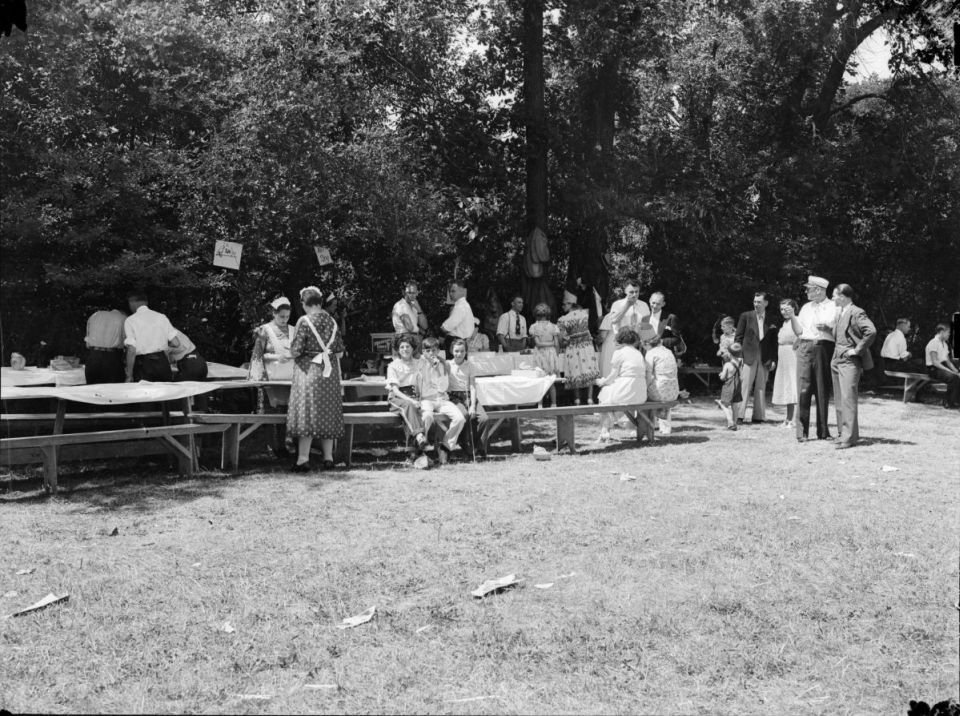
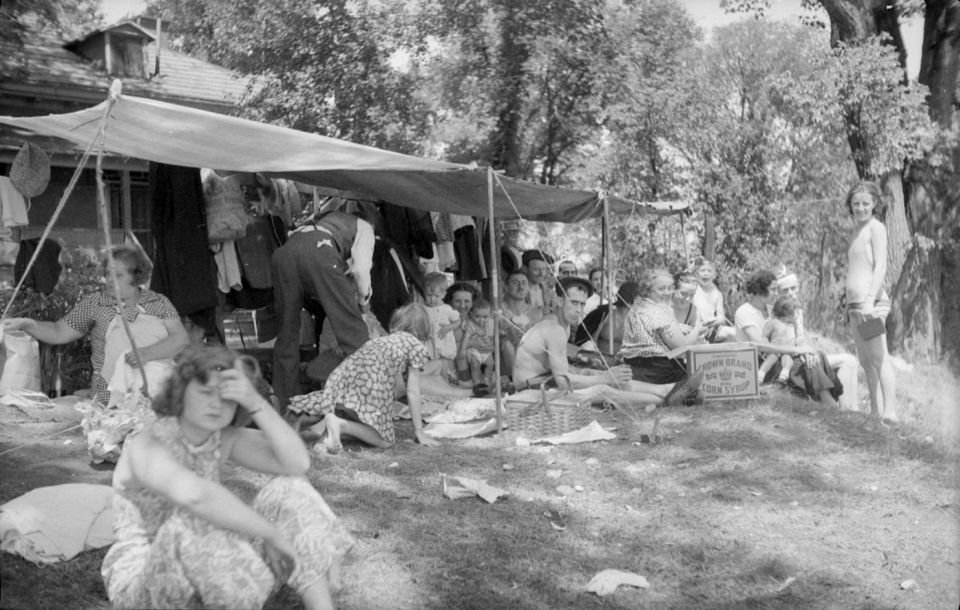
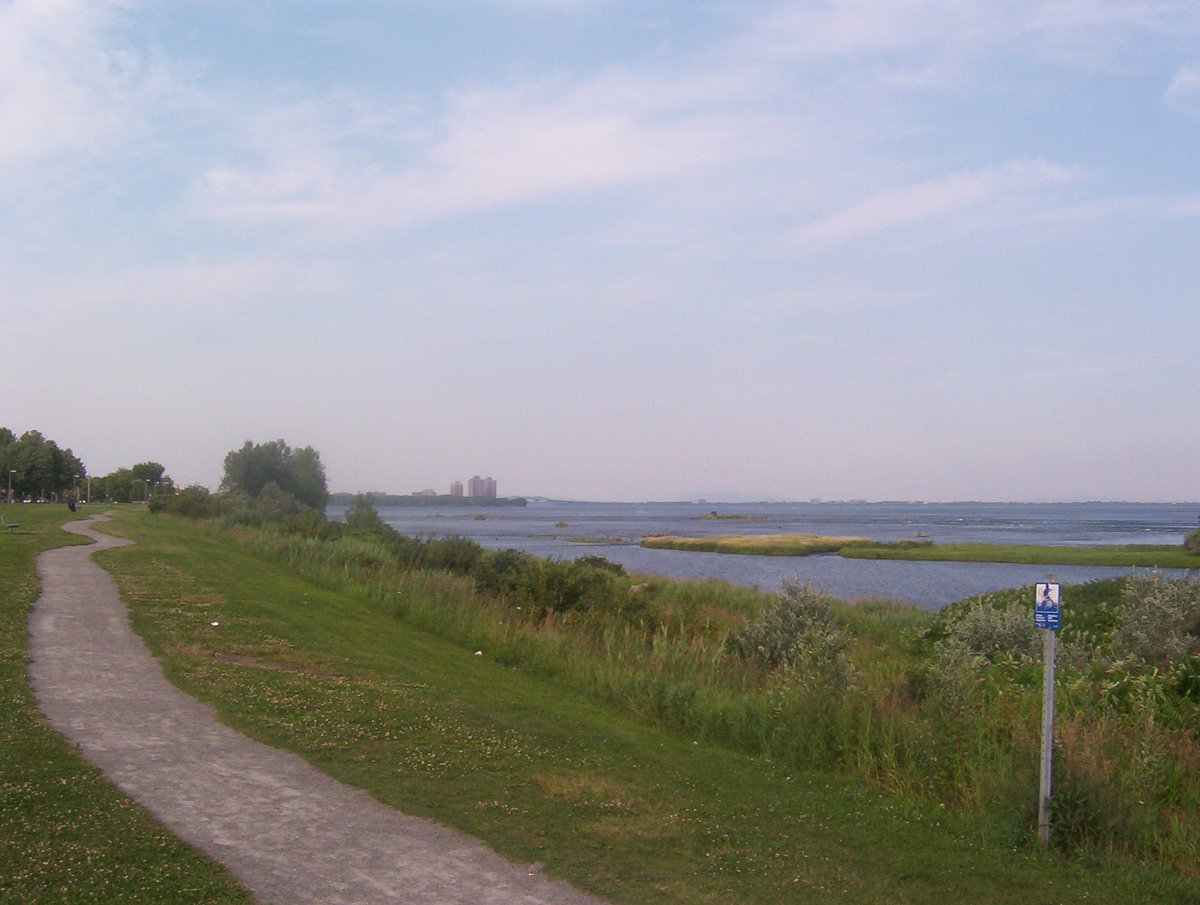
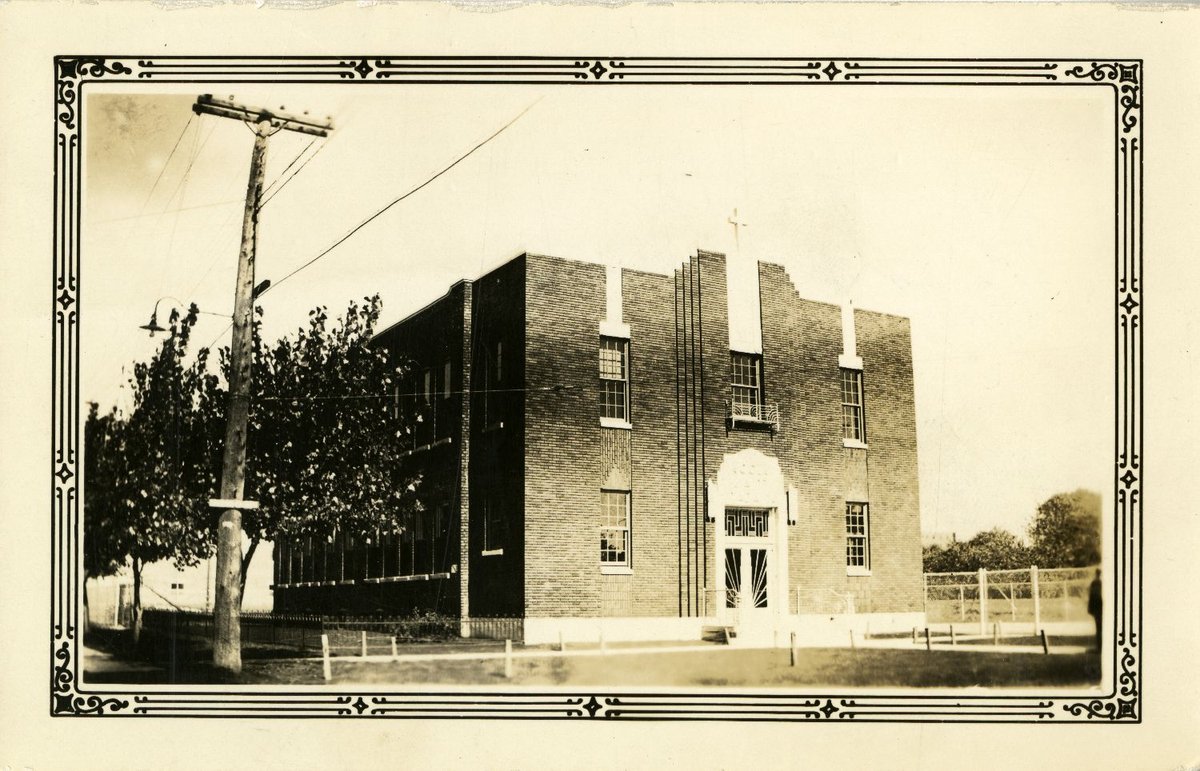
Indigenous Heritage and Early Settlement
Before European arrival, the land now known as LaSalle was home to the St. Lawrence Iroquoians and later the Mohawk (Kanien’kehá:ka) people, who utilized the Lachine Rapids for fishing and transportation. Today, the borough’s proximity to the Kahnawake Mohawk Reserve and its connection via the Honoré-Mercier Bridge underscores the area’s enduring Indigenous significance (Britannica).
Colonial Era and Development
European settlement began in 1668, led by René-Robert Cavelier, sieur de La Salle, who established a fortified outpost. Originally named Saint-Sulpice and then “La Petite Chine” (“Little China”) due to hopes of finding a trade route to Asia, the region played a vital role in the fur trade and faced challenges like the 1689 Lachine Massacre. The borough’s strategic location at the head of the rapids made it a key hub for commerce and expansion (Britannica).
Industrialization and Urban Growth
The 19th century was transformative for LaSalle, marked by the construction of the Lachine Canal (1820s) and the Montreal Aqueduct (1850s), which spurred industrialization. Factories, mills, and warehouses proliferated, with the iconic Fleming Mill (1816) symbolizing this era (IMTL). By the 20th century, LaSalle evolved from a rural-industrial suburb into a populous residential area, officially adopting “La Salle” in 1912 and joining the Montreal Metropolitan Corporation in 1959.
Modern Integration and Borough Status
In 2002, LaSalle was incorporated as one of Montreal’s 19 boroughs, known for its cultural diversity, green spaces, and blend of historic and modern attractions. The Honoré-Mercier Bridge, especially notable during the 1990 Oka Crisis, connects LaSalle with the Kahnawake Mohawk community (Britannica).
Major Attractions and Heritage Sites
Fleming Mill
A four-story windmill built in 1816, the Fleming Mill is among Montreal’s oldest industrial structures, representing LaSalle’s agricultural and industrial roots. It is open seasonally (May–October, Tuesday–Sunday, 10 AM–5 PM) with free admission and guided tours available.
Maison Étienne Nivard de Saint-Dizier
This preserved heritage home offers a window into 18th-century domestic life. Visits are by appointment, with guided tours for a modest fee.
Parc des Rapides and Lachine Rapids
Parc des Rapides is a riverside sanctuary popular for birdwatching, nature walks, and panoramic views of the historic Lachine Rapids. Open year-round from dawn to dusk with free entry, it features accessible trails and interpretive panels on Indigenous and colonial history.
Parc Angrignon
A lush urban park with extensive trails, picnic areas, and a lake, Parc Angrignon is open daily from dawn to dusk and is ideal for families and nature enthusiasts.
Lachine Canal and Canal de l’Aqueduc
These scenic waterways feature multi-use paths for cycling, jogging, and walking, connecting LaSalle to downtown Montreal. Bike and kayak rentals are available nearby (TimeOut Montreal).
Honoré-Mercier Bridge
An engineering landmark linking LaSalle to the South Shore and the Kahnawake Mohawk Reserve. While primarily functional, nearby viewpoints offer excellent photography opportunities (montreal-history.com).
Visitor Essentials
Hours and Ticketing
- Fleming Mill: May–October, Tue–Sun, 10 AM–5 PM. Free admission.
- Maison Étienne Nivard de Saint-Dizier: By appointment. Small fee for guided tours.
- Parc des Rapides & Parc Angrignon: Open daily, year-round, dawn to dusk. Free entry.
- Museums and Special Tours: Check individual sites or borough website for current hours and ticketing.
Guided Tours
Local operators and conservation groups offer seasonal walking, cycling, and birdwatching tours. Advance booking is recommended during peak seasons.
Accessibility
Most parks, public spaces, and heritage sites have wheelchair-accessible paths, ramps, and facilities. Check specific sites for detailed accessibility information (STM accessibility guide).
Getting There and Transportation
- Public Transit: STM Metro (Angrignon station, Green Line) and STM buses (routes 106, 110, 113). Exo commuter train (Candiac line) stops at LaSalle.
- Cycling: Extensive bike paths, including the Lachine Canal; BIXI bike sharing available from April to November.
- Driving: Accessible via main arteries (Boulevard LaSalle, Boulevard Newman) with ample free and paid parking. Use P$ Mobile Service app for easy payment.
Parking
Plenty of parking at major parks, shopping centers, and attractions. Regulations may apply during snow removal (winter) or street cleaning (spring/summer).
Best Time to Visit
- Summer (June–August): Ideal for outdoor activities and festivals.
- Fall (September–October): Mild weather and colorful foliage.
- Winter (December–March): Cold, snowy, but scenic; dress warmly.
- Spring (April–May): Blooming parks and pleasant walks.
Cultural and Educational Highlights
LaSalle’s diverse community includes vibrant Italian, South Asian, and Filipino populations (211 QC), enriching local events and cuisine. Educational institutions such as LaSalle College, Cégep André-Laurendeau, and local high schools contribute to a lively cultural scene, hosting public arts events and multicultural festivals (Wikipedia).
Outdoor Recreation
- Birdwatching: Parc des Rapides and Île aux Hérons are top spots for observing herons, ospreys, and migratory birds.
- Cycling and Water Activities: Explore the Lachine Canal paths; kayak and canoe rentals are available during warmer months.
- Parks and Playgrounds: Parc Angrignon offers trails, picnic areas, and playgrounds for families.
Practical Tips
Safety
LaSalle is safe and family-friendly. Standard urban precautions are advised in busy areas or on public transit (GloboTreks).
Emergency Services
- Emergency: Dial 911.
- Health Info: Info-Santé (811).
- Nearest Hospital: Centre hospitalier de l’Université de Montréal (CHUM) (MTL.org).
Local Customs
- Tipping: 15% is standard in restaurants and for services.
- Language: French is primary, but English is widely spoken; most signage is bilingual.
- Payments: Credit/debit cards widely accepted; Canadian dollars (CAD) is the currency. ATMs are widely available.
Weather and Packing
- Summer: Light clothes, sunscreen, hat.
- Winter: Insulated coat, gloves, boots.
- Year-round: Comfortable shoes, reusable water bottle (tap water is safe), umbrella.
Connectivity
Free Wi-Fi is available in most cafés, libraries, and shopping centers. SIM cards are sold at electronics stores and major carriers.
FAQ
Q: What are LaSalle’s park hours and admission fees?
A: Most parks are open year-round from dawn to dusk with free admission. Some special events or guided tours may require a fee.
Q: How do I reach LaSalle by public transit?
A: Use the STM Metro (Angrignon station), STM buses, or Exo commuter train (Candiac line).
Q: Are guided tours available?
A: Yes, seasonal tours are offered by local organizations and conservation groups. Book in advance where possible.
Q: Is LaSalle accessible for visitors with disabilities?
A: Most public spaces, parks, and major attractions are wheelchair-accessible.
Q: What are the top historical sites in LaSalle?
A: Fleming Mill, Maison Étienne Nivard de Saint-Dizier, Parc des Rapides, and the Lachine Canal.
Related Articles
Listen to the full story in the app
The whole Lasalle,
told well.
Audio guides for 1,100+ cities across 96 countries. History, stories, and local insight — offline ready.
Verified, and shown.
Researched and written by the Audiala editorial team from historical records, architectural archives, and local expertise.
Researched from Wikidata, Wikipedia & official sources · fact-checked · How we make our guides →