Introduction
The Pont Jacques-Cartier stands as a monumental testament to Montreal's rich history and architectural prowess. This iconic bridge, which connects the island of Montreal to the South Shore, has been more than a mere transportation link since its inauguration in 1930; it is a cultural and historical emblem that tells the story of the city's evolution. Named after Jacques Cartier, the French explorer who discovered Canada, the bridge has undergone numerous transformations and upgrades to meet the demands of modern transportation while preserving its historical essence. Whether you are a history buff, an architectural enthusiast, or a casual tourist, this guide will provide you with all the essential information you need to explore and appreciate this remarkable landmark. For more detailed information, you can visit the official Pont Jacques-Cartier website.
Photo Gallery
Explore Jacques Cartier Bridge in Pictures
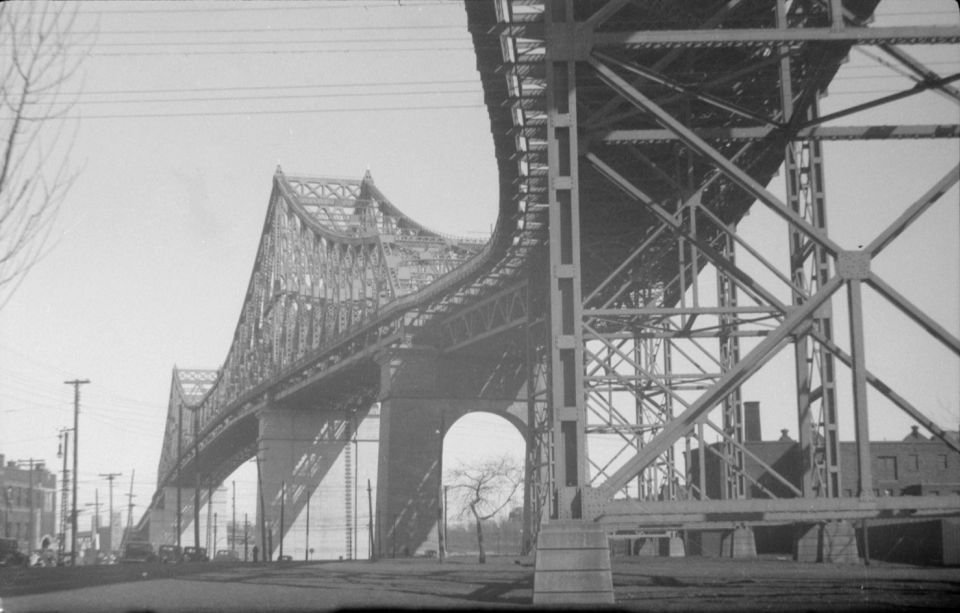
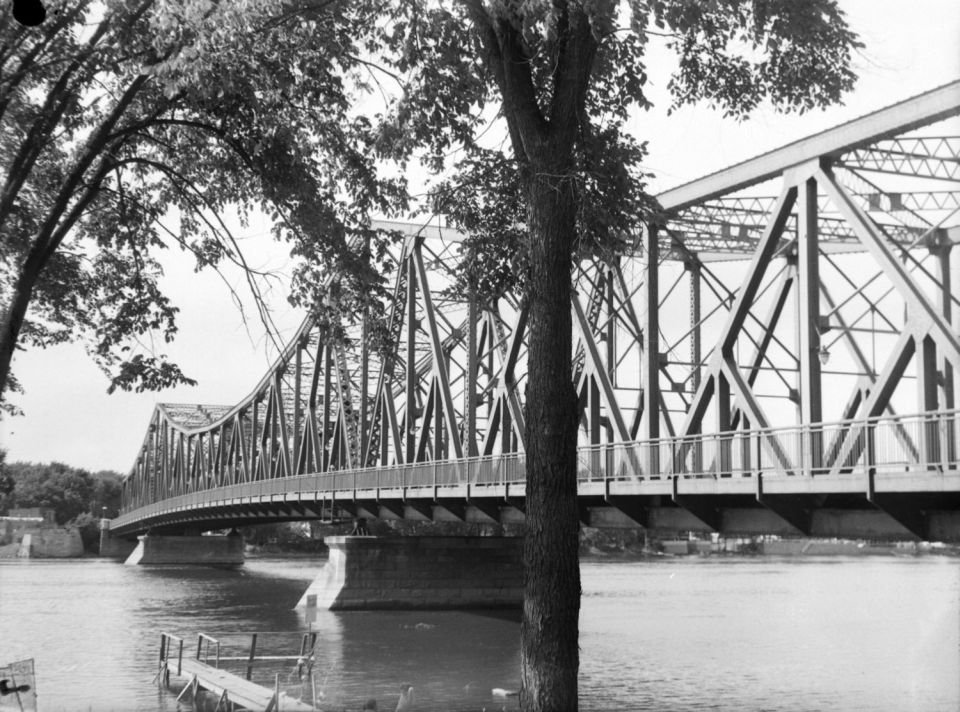
Detailed view of the Jacques Cartier Bridge structure in Montreal spanning across the water, showcasing its architectural design and steel framework
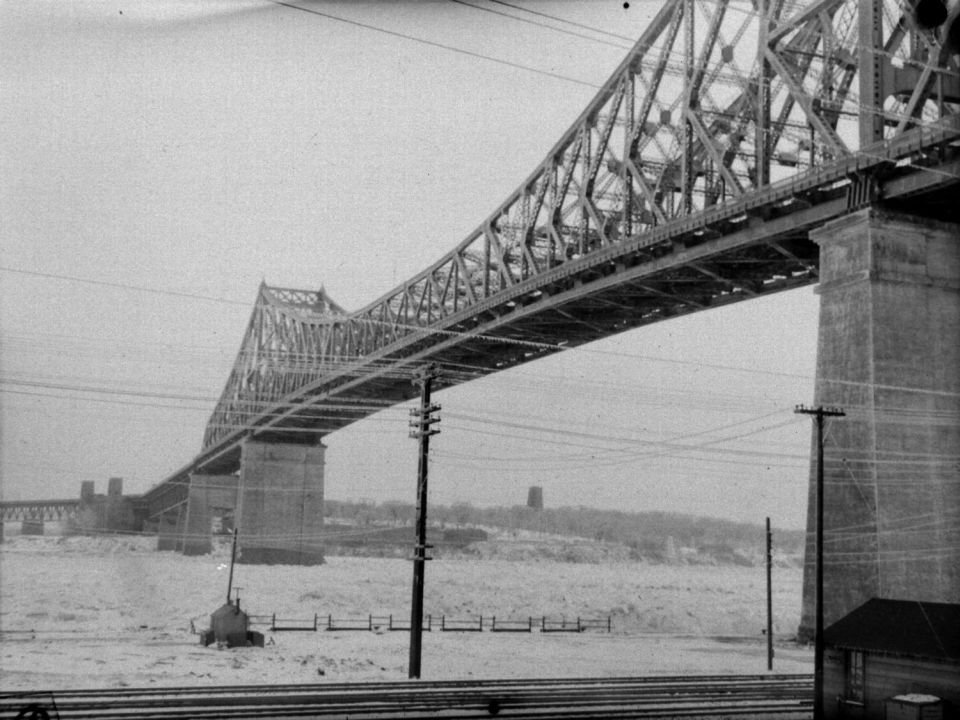
A striking image of the Jacques-Cartier Bridge spanning the St. Lawrence River between Montreal and Longueuil, featuring a high contrast visual effect.
History of Pont Jacques-Cartier
Early Conception and Planning
The idea of constructing a bridge to connect Montreal with the South Shore dates back to the early 20th century. Initial discussions and planning for what would become the Pont Jacques-Cartier began around 1925. The bridge was envisioned as a vital infrastructure project to facilitate the movement of people and goods, thereby boosting the local economy.
Construction Phase
Construction of the Pont Jacques-Cartier commenced in 1925 and was completed in 1930. The project involved thousands of workers and significant financial investment. Designed by Philip Louis Pratley, the bridge faced engineering challenges like the St. Lawrence River's strong currents and icy conditions. It was initially named the "Harbour Bridge" and opened on May 14, 1930, with a total cost of approximately $23 million. Its steel truss cantilever structure made it one of the longest cantilever bridges in the world at the time.
Renaming and Dedication
In 1934, the bridge was renamed in honor of Jacques Cartier, the French explorer. This renaming was part of the 400th-anniversary celebrations of Cartier's voyage. The Pont Jacques-Cartier quickly became an iconic symbol of Montreal.
Modifications and Upgrades
Over the years, the bridge has undergone several modifications and upgrades to accommodate increasing traffic and ensure its structural integrity. In the 1950s, the bridge's deck was widened. In the 1980s, a significant rehabilitation project was undertaken, which included the replacement of the bridge's deck, reinforcement of its steel structure, and installation of modern lighting and safety features.
Recent Developments
In 2017, the bridge was equipped with a dynamic lighting system that allows for stunning light displays on special occasions and holidays. Additionally, dedicated bike lanes and pedestrian pathways have been integrated, promoting sustainable transportation options.
Historical Significance
The Pont Jacques-Cartier holds significant historical and cultural importance for Montreal and Canada. Its steel truss cantilever design is a prime example of early 20th-century engineering excellence. The bridge has played a crucial role in facilitating commerce and transportation, contributing to Montreal's status as a major economic hub.
Preservation and Heritage
Recognizing its historical and cultural value, the Pont Jacques-Cartier has been designated a National Historic Site of Canada. This designation ensures that the bridge is preserved and maintained for future generations through regular inspections, maintenance, and rehabilitation projects.
Visitor Information
Visiting Hours and Tickets
The Pont Jacques-Cartier is accessible to both vehicles and pedestrians year-round. There are no specific visiting hours as the bridge is a public road, but the dynamic lighting displays are best viewed after dusk. There is no ticket required to access the bridge, making it an affordable attraction for all visitors.
Travel Tips
- Best Time to Visit - The bridge is particularly beautiful during the evenings when the dynamic lighting system is in full effect.
- Public Transit - The bridge is easily accessible via public transit. Several bus routes and the Longueuil–Université-de-Sherbrooke Metro station provide convenient access.
- Parking - Limited parking is available near the bridge. Consider using public transportation or exploring the bridge on foot or by bike.
Nearby Attractions
- La Ronde Amusement Park - Located on Île Sainte-Hélène, this amusement park offers a variety of rides and attractions.
- Biosphere Environmental Museum - Also on Île Sainte-Hélène, this museum is dedicated to environmental education and sustainability.
- Old Montreal - A short distance from the bridge, Old Montreal offers historic architecture, charming streets, and numerous dining and shopping options.
Special Features and Events
Guided Tours
While there are no official guided tours of the bridge itself, several walking tours in Montreal include stops at the Pont Jacques-Cartier, providing historical context and interesting anecdotes.
Photographic Spots
The bridge offers numerous vantage points for photography enthusiasts. Some of the best spots include the Parc de la Cité-du-Havre and Île Sainte-Hélène.
FAQ Section
Q: Is there a fee to walk or drive across the Pont Jacques-Cartier?
A: No, there is no fee to access the bridge.
Q: What is the best time to view the bridge's dynamic lighting?
A: The dynamic lighting is best viewed after dusk, with special shows on holidays and significant dates.
Q: Are there bike lanes on the Pont Jacques-Cartier?
A: Yes, the bridge features dedicated bike lanes.
Q: Can I visit nearby attractions on foot from the bridge?
A: Yes, several attractions like La Ronde Amusement Park and the Biosphere Environmental Museum are within walking distance.
Discover More
The Pont Jacques-Cartier is more than just a bridge; it is a symbol of Montreal's history, growth, and resilience. From its early conception and construction to its modern-day significance, the bridge has played a vital role in shaping the city's identity. As a National Historic Site, the Pont Jacques-Cartier will continue to be a cherished landmark, connecting the past, present, and future of Montreal. For more detailed information, you can visit the official Pont Jacques-Cartier website. Don't forget to explore other related articles on our site and follow us on social media for the latest updates and travel tips!
Listen to the full story in the app
Your Personal Curator, in Your Pocket.
Audio guides for 1,100+ cities across 96 countries. History, stories, and local insight — offline ready.
Audiala App
Available on iOS & Android
Join 50k+ Curators
Sources
- verified
- verified
- verified
- verified
Last reviewed: